
Keeping your aquarium clean is key to a healthy, happy fish tank. But how do you clean the substrate without putting your fish at risk?
You want tools that make the job easy, safe, and effective—tools that protect your fish while removing debris and waste. If you’ve ever worried about harming your aquatic friends during cleaning, this guide is made just for you. Discover the best tools to keep your tank spotless and your fish thriving.
Keep reading to find out how you can maintain a pristine underwater world without stress or danger.

Credit: www.aqqapet.com
Choosing Safe Cleaning Tools
Cleaning the substrate in your aquarium is important to keep the tank healthy. Using the right tools keeps your fish safe. Choose tools that do not hurt fish or disturb the tank too much.
Safe cleaning tools help remove waste without harming the fish or plants. This guide explains how to pick the best tools for your tank.
Materials That Are Fish-friendly
Choose cleaning tools made from materials that do not release harmful substances. Soft, non-toxic materials are best. Avoid anything that can scratch or damage the tank.
- Plastic or silicone brushes are gentle and safe
- Rubber or soft sponge materials prevent scratches
- Avoid metal tools that can rust or hurt fish
- Use tools labeled as aquarium-safe
Avoiding Harmful Chemicals
Cleaning tools should not have chemicals that can harm fish. Avoid tools with strong cleaning agents or residues. Only use water or fish-safe cleaners for cleaning.
- Do not use household cleaners on tools
- Rinse tools well before using in the tank
- Choose tools that require no chemicals
- Look for tools made for aquarium use
Selecting The Right Size And Type
Pick tools that fit the size of your tank and substrate. Small tanks need smaller tools to avoid disturbing fish. Different tools work better for gravel, sand, or plants.
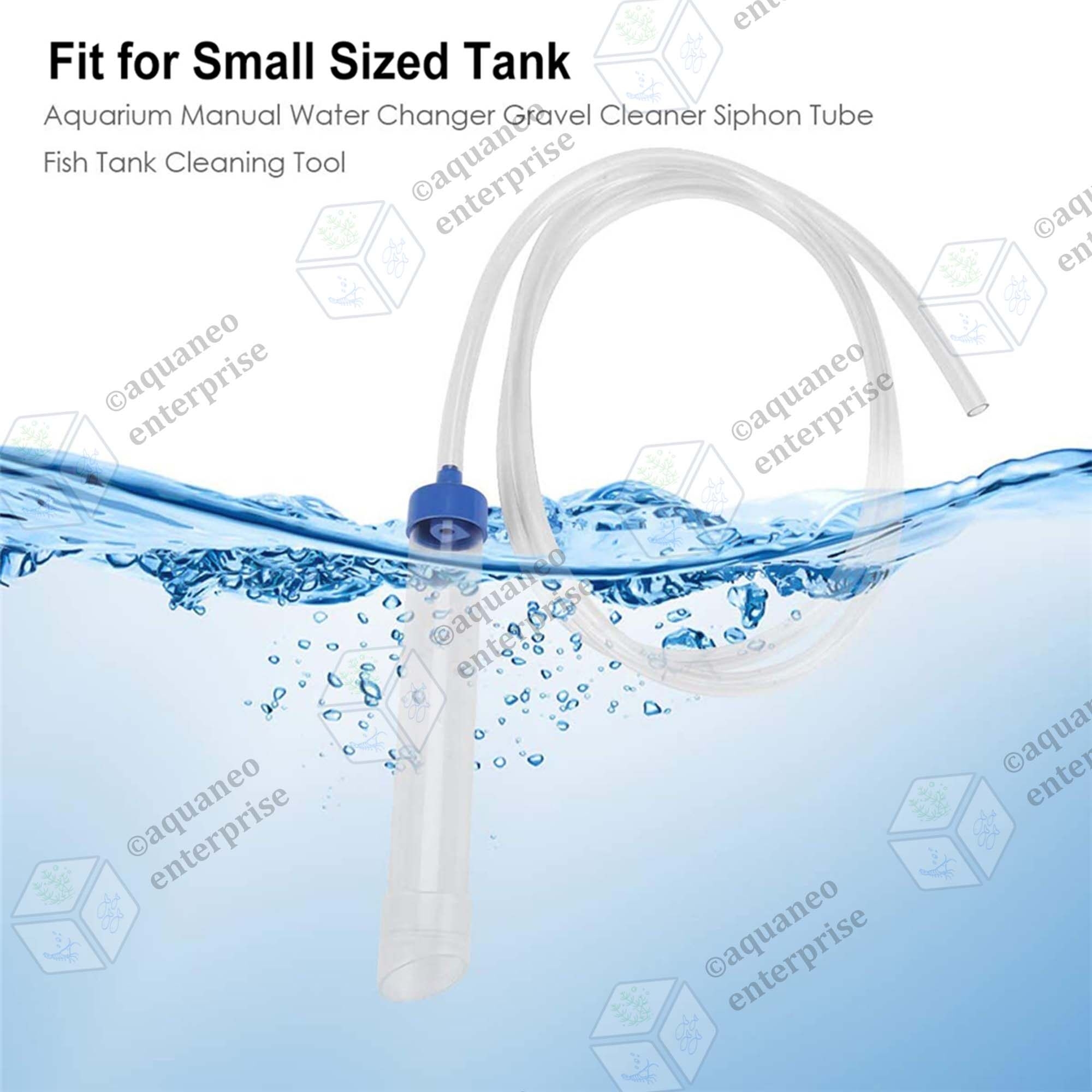
- Use small siphons or vacuums for tiny tanks
- Choose brushes that reach corners without damage
- Select tools that do not stir up too much debris
- Match tool type to substrate type for best cleaning
Manual Cleaning Options
Cleaning your aquarium substrate is important to keep fish healthy. Manual tools help remove dirt without hurting the fish.
These tools are easy to use and safe for your tank environment. They let you clean gently and effectively.
Soft Brushes And Sponges
Soft brushes and sponges remove algae and debris from substrate surfaces. They clean without scratching glass or stressing fish.
Use soft materials to avoid harming delicate plants and fish. Clean slowly and carefully around fish hiding spots.
- Choose brushes with soft, flexible bristles
- Sponges should be non-abrasive and clean
- Rinse tools well before and after use
Magnetic Algae Scrapers
Magnetic algae scrapers clean tank walls without putting your hands in water. They keep fish safe from disturbance.
Move the outside magnet gently to scrape algae off glass. This method protects fish and plants from harm.
- Use magnets designed for aquarium glass thickness
- Clean both inner and outer surfaces regularly
- Avoid pressing too hard to prevent damage
Vacuum Gravel Cleaners
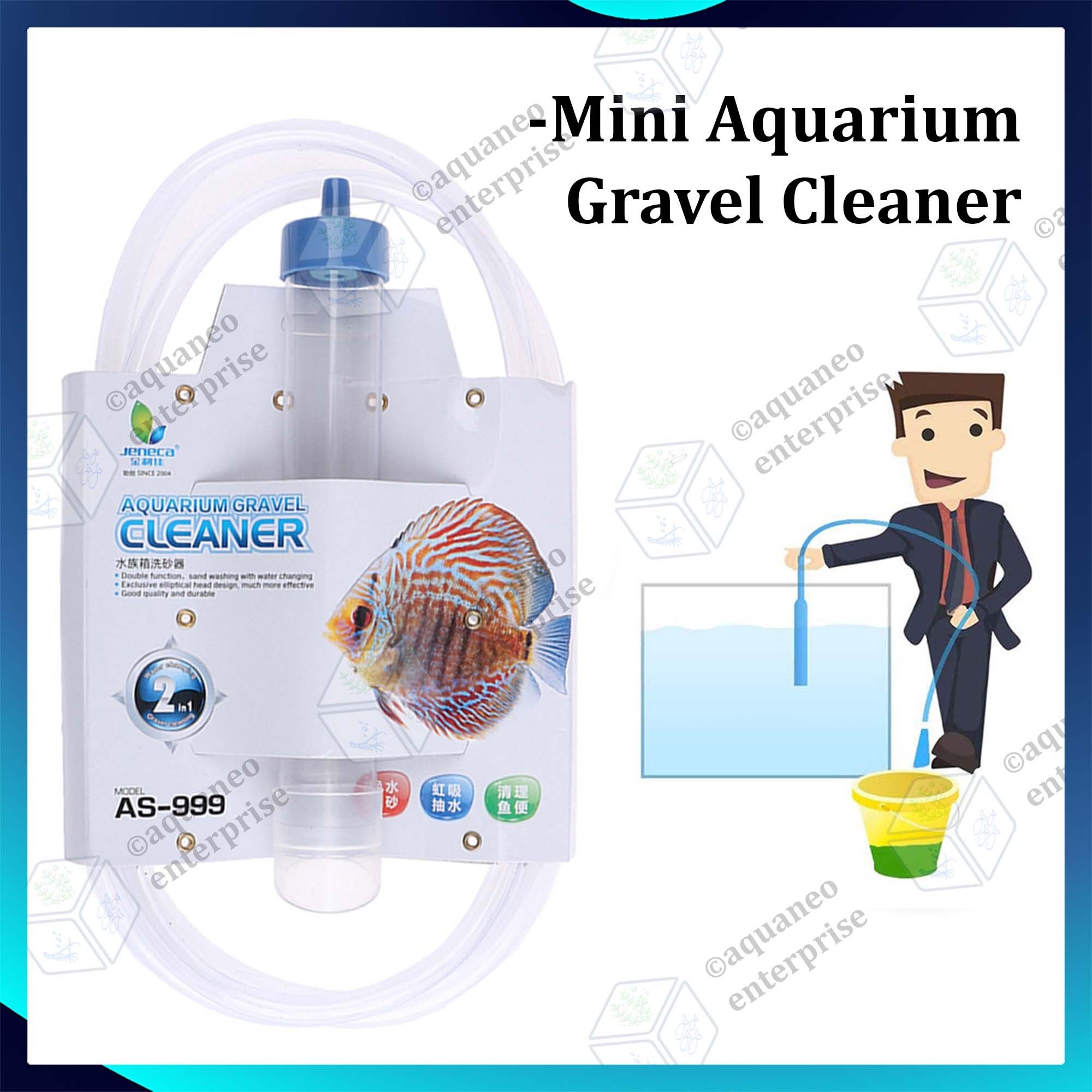
Vacuum gravel cleaners remove waste and leftover food from substrate. They clean deep without pulling out gravel.
Use a gentle vacuum to protect small fish and beneficial bacteria. Move slowly to avoid stirring up too much dirt.
- Select vacuum size based on tank depth and gravel type
- Clean gravel regularly to maintain water quality
- Check the vacuum for blockages after use
Automatic Cleaning Devices
Keeping aquarium substrate clean helps fish stay healthy. Automatic cleaning devices make this task easier. They work without stressing the fish.
These tools remove waste and dirt safely. They use different methods to avoid harming the aquatic life.
Robotic Substrate Cleaners
Robotic substrate cleaners move on their own. They vacuum debris from the tank floor. Many models have sensors to avoid plants and decorations.
- Work automatically on a schedule
- Clean hard-to-reach areas
- Reduce manual effort
- Safe for most fish species
Air-driven Siphons
Air-driven siphons use air pressure to clean substrate. They create a gentle vacuum that lifts dirt without sucking fish. This method is quiet and energy efficient.
| Feature | Description |
| Power Source | Air pump |
| Cleaning Method | Siphoning with air pressure |
| Fish Safety | High, gentle suction |
| Noise Level | Low |
| Maintenance | Easy to clean parts |
Battery-powered Scrubbers
Battery-powered scrubbers have small brushes. They scrub algae and dirt from the substrate surface. These devices are portable and easy to use.
- Rechargeable batteries
- Adjustable speed settings
- Lightweight design
- Safe for fish and plants
Credit: www.aquaneo2u.com
Natural Cleaning Methods
Cleaning the substrate in a fish tank is important for fish health. Using natural methods helps keep fish safe. These methods avoid harsh chemicals and protect the tank’s balance.
Natural cleaning tools work with the tank’s ecosystem. They keep the substrate clean and reduce waste. This makes the tank better for fish and plants.
Using Algae-eating Fish And Invertebrates
Some fish and invertebrates eat algae and debris from the substrate. They help keep the tank clean without harming other fish. These animals are natural cleaners.
Common algae-eaters include certain fish and snails. They remove algae buildup and leftover food. This reduces waste and keeps the substrate fresh.
- Siamese algae eaters clean many algae types
- Amano shrimp eat algae and detritus
- Nerite snails consume algae on surfaces
- Corydoras catfish sift through substrate waste
Plant-based Filtration
Plants absorb harmful substances from water. Their roots help clean the substrate by taking up nutrients. This stops waste from building up.
Adding plants to your tank creates a natural filter. They improve water quality and reduce algae growth. Plants also provide shelter and oxygen for fish.
- Java moss filters water and traps debris
- Anubias plants grow well on substrate edges
- Amazon swords remove excess nutrients
- Duckweed floats and absorbs surface waste
Beneficial Bacteria Applications
Good bacteria break down fish waste and uneaten food. They turn harmful substances into less toxic forms. This keeps the substrate clean and safe.
You can add beneficial bacteria to boost cleaning. These bacteria grow naturally in healthy tanks. They help maintain a balanced and clean environment.
- Nitrosomonas bacteria convert ammonia to nitrite
- Nitrobacter bacteria convert nitrite to nitrate
- Bacteria grow in filter media and substrate
- Regular dosing supports bacterial colonies
Tips For Safe Cleaning Practices
Cleaning the substrate in a fish tank is important to keep the environment healthy. It helps remove waste and keeps the water clear.
Using the right tools and methods ensures fish stay safe during cleaning. Follow simple tips to protect your fish and their home.
Timing Cleaning Sessions
Clean the substrate at times when the fish are less active. Early morning or late evening can be good choices.
Avoid cleaning right after feeding. Fish may be stressed if disturbed during or just after eating.
Monitoring Fish Behavior
Watch your fish closely during cleaning. If they hide or swim erratically, pause the process to reduce stress.
Look for signs like gasping or rubbing against objects. These may show discomfort or water quality problems.
- Stop cleaning if fish show stress
- Let fish settle before continuing
- Keep movements slow and calm
Maintaining Water Quality
Use a siphon tool to clean substrate without removing too much water. This keeps water stable for fish.
Test water regularly for ammonia, nitrite, and nitrate levels. Clean only a portion of the substrate at once to keep balance.
- Change 10-20% of water during cleaning
- Use dechlorinated water for refills
- Check water temperature before adding new water
Credit: www.aquaneo2u.com
Frequently Asked Questions
What Tools Are Safe For Cleaning Aquarium Substrate?
Safe tools include gravel vacuums, siphons, and gentle brushes. These prevent disturbing fish and maintain water quality effectively.
How Do Gravel Vacuums Protect Fish During Cleaning?
Gravel vacuums remove waste without sucking small fish or debris. They gently clean substrate while preserving the aquatic environment.
Can I Use A Siphon Without Harming Fish?
Yes, siphons with controlled suction are safe. They clean substrate by removing debris without stressing or injuring fish.
Are Soft Brushes Effective For Substrate Cleaning?
Soft brushes help remove algae without damaging fish or plants. They gently scrub the substrate surface, ensuring a safe clean.
Conclusion
Choosing the right tools keeps your fish safe and tank clean. Gentle cleaning avoids stress and protects delicate fish. Simple tools like siphons and soft brushes work best. Regular cleaning helps maintain a healthy, clear environment. Take time to clean carefully and watch your fish thrive.
Clean substrate means happy fish and a beautiful tank. Keep your fish safe with the right cleaning habits. Simple steps make a big difference in fish care.