
Have you ever noticed how certain illnesses seem to hit harder during specific times of the year? Your body’s health is closely tied to the changing temperatures outside.
Understanding how temperature affects seasonal diseases can help you protect yourself and your loved ones. You’ll discover simple, effective ways to prevent common illnesses that come with the seasons. Keep reading to learn how to stay healthy no matter the weather.
Impact Of Temperature On Health
Temperature changes affect our body and health in many ways. Cold and hot weather can cause illnesses.
Understanding these effects helps us prevent health problems during different seasons.
Cold Weather Illnesses
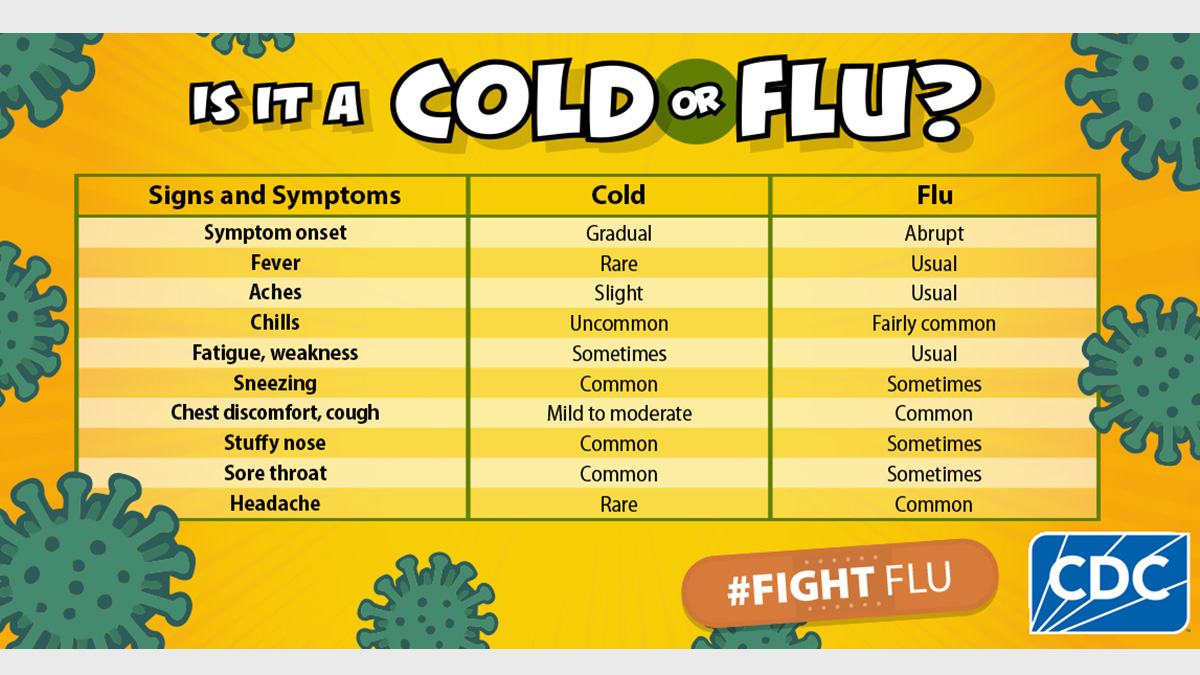
Cold weather can lead to illnesses like colds, flu, and frostbite. Low temperatures make the body lose heat fast.
People may feel weak and have trouble fighting infections in cold weather.
- Common colds and flu spread more in winter
- Frostbite happens when skin freezes
- Hypothermia occurs if body temperature drops too low
Heat-related Conditions
Hot weather can cause heat exhaustion and heat stroke. The body struggles to cool down in high temperatures.
These conditions can be serious and need quick action to cool the body.
- Heat cramps cause muscle pain during heavy heat
- Heat exhaustion includes tiredness and dizziness
- Heat stroke is life-threatening and needs emergency help
Seasonal Allergies And Temperature
Temperature changes affect pollen and mold growth. These cause seasonal allergies in many people.
Warmer weather can increase pollen levels, while damp weather grows more mold.
- Spring and fall bring high pollen counts
- Mold spores rise in warm, wet conditions
- Allergy symptoms include sneezing and itchy eyes
Preventing Winter Diseases
Winter brings cold weather and with it, the risk of getting sick increases. Keeping healthy during these months is important. There are ways to prevent common winter diseases by paying attention to temperature changes.
Understanding how to boost your immune system and protect against common illnesses can help you stay well. Let’s look at some strategies for keeping healthy in winter.
Boosting Immunity In Cold Months
Your body needs a strong immune system to fight off germs. Eating healthy foods and staying active can help. Foods rich in vitamins are especially important.
Make sure you get enough rest and stay hydrated. These simple habits support your body’s natural defenses.
- Eat fruits like oranges and berries for Vitamin C
- Exercise for at least 30 minutes a day
- Drink at least 8 glasses of water daily
Avoiding Flu And Colds
The flu and colds spread easily in winter. Keeping warm and practicing good hygiene are key. Wash your hands often to avoid germs.
Dress in layers to stay warm. This helps your body maintain a healthy temperature.
- Cover your mouth when sneezing
- Use hand sanitizer when soap is not available
- Stay away from people who are sick
Managing Dry Skin And Respiratory Issues
Cold air can make your skin dry and breathing difficult. Using a humidifier at home can help. It adds moisture to the air and protects your skin and throat.
Moisturize your skin daily to keep it healthy. This prevents cracking and irritation during the cold months.
- Apply lotion after showering
- Use lip balm to prevent chapped lips
- Wear a scarf to protect your face and neck
Staying Healthy In Summer
Summer brings warm weather and longer days. It also raises the risk of certain health problems. You must protect your body from heat and sun damage.
Simple actions can help you stay safe and feel good. Learn how to prevent heat-related illnesses and keep your energy up.
Hydration And Heatstroke Prevention
Drinking enough water keeps your body cool and working well. Heatstroke happens when your body gets too hot and cannot cool down.
Signs of heatstroke include headache, dizziness, and confusion. To avoid it, drink water often and rest in the shade.
- Drink water every 15 to 20 minutes when outside
- Avoid sugary or alcoholic drinks that dehydrate you
- Wear light, loose clothing to stay cool
- Take breaks in cool places during hot weather
Protecting Against Sunburn
Sunburn can cause skin pain and damage. It increases the chance of skin problems later in life.
Use sunscreen with at least SPF 30. Apply it 30 minutes before going outside and reapply every two hours.
- Wear hats and sunglasses to protect your face and eyes
- Stay in the shade during peak sun hours (10 a.m. to 4 p.m.)
- Cover your skin with light, long-sleeved clothes
Preventing Dehydration And Fatigue
Dehydration happens when you lose more water than you drink. It can cause tiredness, dry mouth, and dizziness.
To avoid dehydration, drink fluids often and eat foods with water like fruits and vegetables. Take rest breaks to avoid getting too tired.
- Drink water before you feel thirsty
- Eat watermelon, cucumbers, and oranges for hydration
- Limit heavy exercise during the hottest part of the day
- Get enough sleep to help your body recover
Credit: www.mdpi.com
Adapting To Seasonal Changes
Seasonal changes bring shifts in temperature that affect our health. Adapting well helps prevent many common illnesses.
Simple habits can keep you safe and strong through cold winters and hot summers.
Dressing Smart For Temperature Shifts
Wearing the right clothes protects your body from sudden cold or heat. Layering clothes is a smart way to adjust quickly.
Choose breathable fabrics in summer and warm, insulated materials in winter to stay comfortable.
- Use light layers in spring and fall
- Wear hats and gloves in cold weather
- Pick moisture-wicking clothes for hot days
- Avoid tight clothing that blocks airflow
Adjusting Diet According To Season
Your body needs different nutrients depending on the season. Eating fresh, seasonal foods helps keep your immune system strong.
Warm soups and root vegetables are great in winter. In summer, eat more fruits and salads to stay hydrated.
- Include vitamin-rich fruits and veggies
- Drink plenty of water daily
- Limit heavy meals in hot weather
- Choose warming spices like ginger in cold months
Maintaining Regular Exercise
Exercise keeps your body strong and helps fight off illness. It also helps your body adjust to temperature changes.
Choose indoor workouts during extreme weather and outdoor activities when the weather is mild.
- Walk or jog in cool mornings or evenings
- Try yoga or stretching inside on cold days
- Use light clothing to avoid overheating
- Stay hydrated before and after exercise
Home Environment And Temperature Control
Seasonal diseases often spread when indoor temperatures are not well managed. Keeping your home environment safe helps reduce illness risks.
Proper temperature control and air quality can protect your family from cold and flu viruses. Simple changes can make your home healthier.
Optimizing Indoor Air Quality
Good air quality lowers germs and allergens inside your home. Open windows to let fresh air in when weather permits.
- Use air purifiers with HEPA filters.
- Keep vents clean and dust-free.
- Avoid smoking indoors.
- Remove mold and dampness quickly.
Using Humidifiers And Air Conditioners
Humidifiers add moisture to dry air, easing breathing and preventing dry skin. Air conditioners cool the air but may dry it out.
| Device | Benefit | Care Tip |
| Humidifier | Prevents dry throat and nose | Clean regularly to stop bacteria |
| Air Conditioner | Keeps home cool and fresh | Change filters monthly |
Temperature Regulation Tips
Keep your home temperature steady to avoid sudden chills or heat. This helps your body stay strong against seasonal sickness.
- Set thermostat between 68°F and 72°F (20°C to 22°C).
- Use fans to circulate air gently.
- Wear layers indoors to adjust to small changes.
- Close doors and windows to keep warm or cool air inside.
- Check heating and cooling systems before seasons change.

Credit: www.sciencedirect.com
Special Considerations For Vulnerable Groups
Seasonal changes affect many people, but vulnerable groups face higher risks. Their health needs special care during temperature shifts.
This guide focuses on elderly people, children, and those with chronic illnesses. It offers tips to keep them safe year-round.
Elderly Care In Extreme Temperatures
Older adults often cannot adjust quickly to hot or cold weather. Their bodies lose heat faster and do not cool down as well.
- Keep indoor temperatures comfortable, ideally between 68°F and 74°F (20°C to 23°C).
- Encourage wearing layers to adapt to changing temperatures.
- Make sure they drink enough water, even if they do not feel thirsty.
- Check on them daily during heatwaves or cold snaps.
- Limit outdoor activities during extreme weather.
Protecting Children From Seasonal Risks
Children have sensitive bodies and need extra care when the weather changes. They can get sick quickly if not protected.
| Season | Risk | Prevention |
| Winter | Cold stress, flu | Dress warmly, vaccinate, wash hands often |
| Summer | Heat exhaustion, sunburn | Use sunscreen, stay in shade, drink fluids |
| Spring | Allergies | Limit outdoor play during high pollen |
| Fall | Respiratory infections | Keep warm, avoid sick people |
Managing Chronic Conditions Seasonally
Chronic illnesses can worsen with temperature changes. Patients must adjust their care to stay healthy.
Tips for managing chronic conditions:
- Follow your doctor’s advice closely during seasonal changes.
- Keep medications handy and check expiration dates.
- Monitor symptoms daily and report changes early.
- Maintain a balanced diet and stay hydrated.
- Adjust physical activity to the weather and your condition.
Credit: www.cdc.gov
Frequently Asked Questions
How Does Temperature Affect Seasonal Diseases?
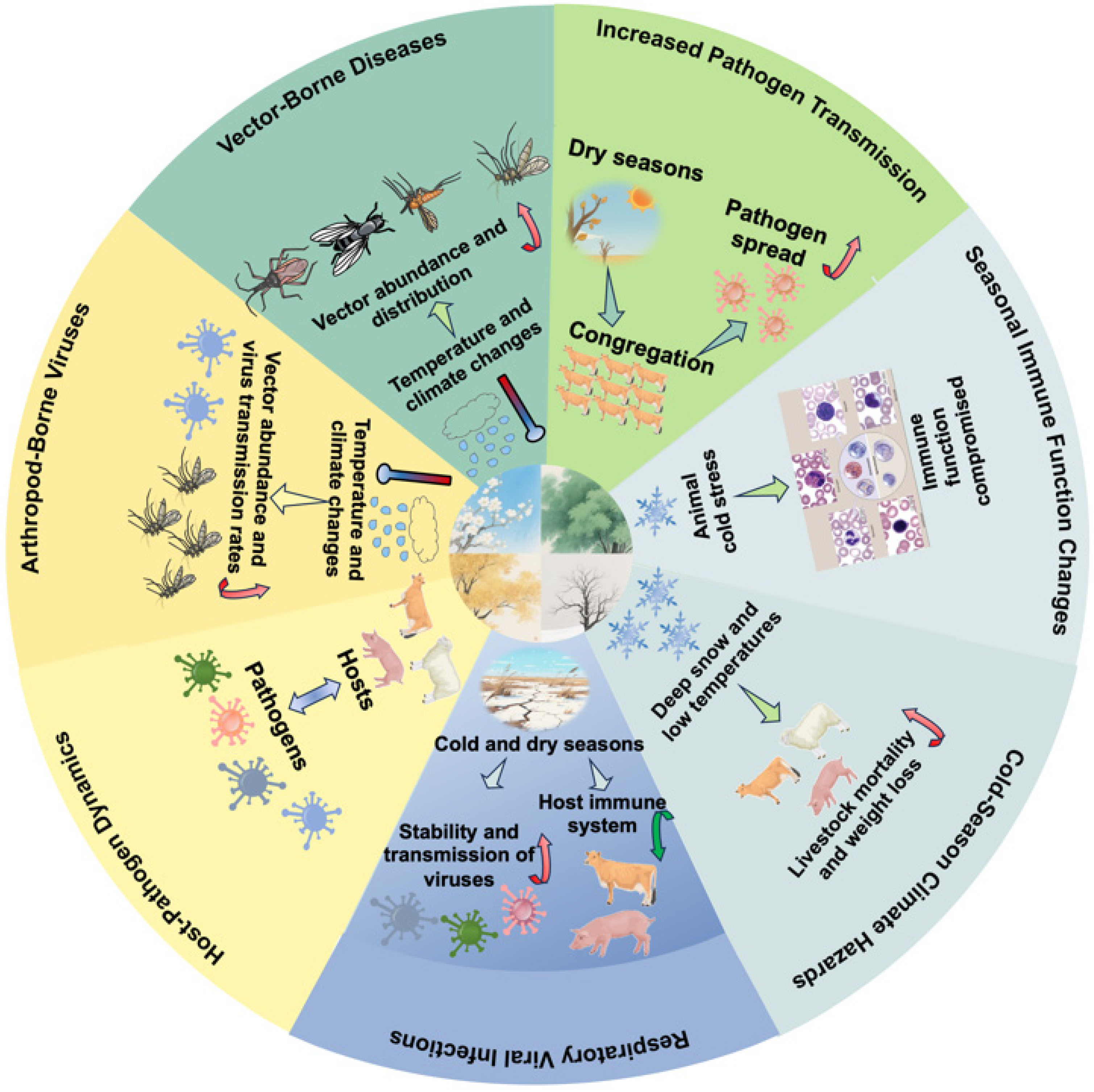
Temperature changes influence the spread of seasonal diseases. Cold weather often increases respiratory infections. Warm weather can boost vector-borne diseases like malaria. Understanding these patterns helps in timely prevention and control.
What Are Common Diseases In Cold Seasons?
Common cold-season diseases include flu, colds, and pneumonia. Dry, cold air weakens immunity and spreads viruses. Staying warm and hydrated reduces risks. Vaccinations and hygiene are key preventive measures.
How Can Temperature Help Prevent Seasonal Illnesses?
Monitoring temperature helps predict disease outbreaks. Dressing appropriately for weather reduces exposure. Maintaining indoor humidity and ventilation limits virus spread. Temperature awareness supports early health interventions.
Why Do Some Diseases Peak In Specific Temperatures?
Certain pathogens thrive in specific temperature ranges. For example, flu viruses prefer cold, dry air. Mosquito-borne diseases spread in warm, humid climates. Temperature affects pathogen survival and transmission dynamics.
Conclusion
Seasonal changes bring different health risks. Staying aware of temperature shifts helps protect your body. Dress appropriately for cold or hot days. Keep your home clean and ventilated. Wash hands often to stop germs from spreading. Eating well and resting supports your immune system.
Small daily habits make a big difference. Stay safe through every season by being prepared. Your health depends on simple, smart choices.