
Keeping your aquarium water cool can be a real challenge, especially when the temperature starts to rise. If you’ve noticed your fish acting sluggish or stressed, it might be time to find a way to cool things down.
But you don’t need to spend a fortune on fancy equipment to protect your aquatic friends. You’ll discover simple, effective, and low-cost aquarium cooling options that you can try right now. Ready to keep your fish happy and healthy without breaking the bank?
Let’s dive in!
Causes Of Aquarium Overheating
Aquarium overheating can harm fish and plants. It happens when water temperature rises too high.
Knowing what causes overheating helps you keep your aquarium cool and healthy.
Environmental Factors
High room temperature can raise aquarium water temperature. Warm weather and direct sunlight add heat.
Poor air circulation around the tank makes heat buildup worse. This causes the water to get hotter.
- Warm air from heaters or sunlight
- Lack of airflow near the tank
- Humidity affecting cooling
Equipment Heat Output
Some aquarium devices generate heat while running. Lights and filters can raise water temperature.
Old or inefficient equipment often produces more heat than newer models. This adds to overheating risk.
- High-wattage aquarium lights
- Filters and pumps running continuously
- Heaters left on too long or set too high
Tank Location Impact
Where you place the aquarium affects its temperature. Near windows or heat sources, water gets warmer.
Placing the tank in a cool, shaded spot helps prevent overheating. Avoid spots near appliances or vents.
- Close to windows with sunlight exposure
- Near heating vents or radiators
- In rooms with poor temperature control
Credit: www.vevor.ca
Signs Of Heat Stress In Fish
Fish can get sick if their tank water gets too warm. Heat stress happens when fish stay in hot water for too long.
It is important to spot signs of heat stress early. This helps keep fish safe and healthy.
Behavioral Changes
Fish under heat stress act differently. They may swim less or hide more often.
Some fish gasp at the water surface to get more oxygen. Others may lose interest in food.
- Slower swimming or resting at the bottom
- Gasping at the water surface
- Hiding in corners or decorations
- Refusing to eat
Physical Symptoms
Heat stress can cause visible changes to fish bodies. Their fins may clump or look torn.
Fish may show pale colors or red spots. Swelling and rapid breathing are also signs.
- Clamped or torn fins
- Pale or faded colors
- Red or inflamed spots
- Swollen body parts
- Fast or heavy breathing
Water Quality Indicators
Hot water affects tank conditions. Oxygen levels drop as temperature rises.
Ammonia and nitrite can build up quickly. These chemicals harm fish and add stress.
- Low oxygen levels in water
- High ammonia concentration
- Rising nitrite levels
- Cloudy or smelly water
Diy Cooling Techniques
Keeping your aquarium cool is important for your fish’s health. You can use simple and cheap methods to cool the water. These DIY cooling techniques help lower the temperature without buying expensive equipment.
Below are some easy ways to cool your aquarium using items you may already have at home.
Using Fans For Evaporation
Fans can help cool your aquarium by increasing evaporation. When water evaporates, it takes heat away from the tank. You only need a small fan placed near the water surface.
Make sure the fan blows air across the top of the water. This will speed up evaporation and reduce the water temperature.
- Use a desk or clip-on fan
- Point the fan toward the water surface
- Keep the fan running for several hours
- Check water levels often to refill
Ice Packs And Bottles
Ice packs or frozen water bottles can cool your aquarium water. Place them in the tank or float them on the surface. This method works well for small tanks or short-term cooling.
Remember to monitor the temperature so it does not drop too low. Replace the ice packs or bottles as they melt to keep cooling.
- Use clean, sealed bottles filled with water
- Freeze bottles or ice packs overnight
- Float or place them gently in the tank
- Remove when water reaches the right temperature
Shading The Aquarium
Direct sunlight can heat your aquarium quickly. Use shading to block sunlight and keep the tank cool. This is an easy way to prevent water from getting too warm.
You can use cloth, blinds, or place the tank in a shaded area. This helps lower heat gain and keeps the water temperature steady.
- Use a light-colored cloth or towel
- Place aquarium away from windows
- Use blinds or curtains on sunny windows
- Move tank to cooler room if possible
Affordable Cooling Devices
Keeping aquarium water cool is important for fish health. Many fish need cooler water to stay active and live longer.
This guide shows simple and low-cost ways to cool your aquarium. You do not need expensive equipment to keep water safe.
Clip-on Fans
Clip-on fans are easy to use and cheap. They attach to the tank edge and blow air across the water surface. This helps water cool by evaporation.
These fans use little electricity and do not need complicated installation. They are best for small to medium tanks in warm rooms.
Small Aquarium Chillers
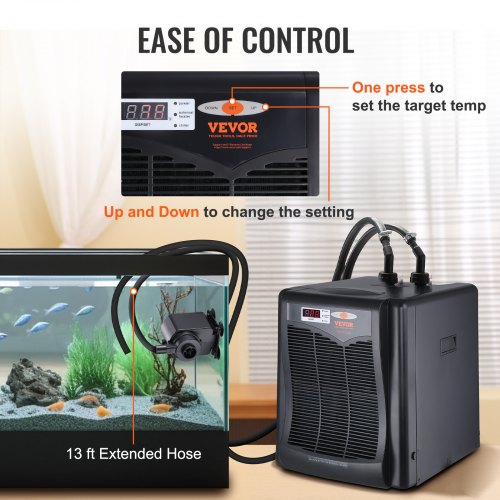
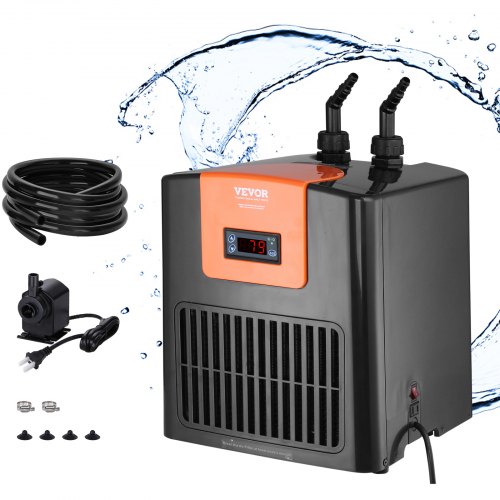
Small aquarium chillers cool water directly. They work like mini refrigerators and keep water at a set temperature.
| Feature | Clip-On Fans | Small Aquarium Chillers |
| Cost | Low | Medium |
| Cooling Method | Airflow and evaporation | Direct water chilling |
| Best For | Small tanks in warm rooms | Medium to large tanks |
| Power Use | Low | Higher |
Thermoelectric Coolers
Thermoelectric coolers use a small electric device called a Peltier module. They move heat from the water to the air outside the tank.
- They are compact and quiet.
- Good for small tanks and desktop aquariums.
- Use less power than full chillers.
- Can be combined with fans for better cooling.
Water Management Tips
Keeping your aquarium cool is important for the health of your fish. There are affordable ways to manage water temperature effectively.
Learn how to maintain the right conditions with simple water management techniques.
Partial Water Changes
Changing a portion of the water helps control the temperature. It also removes waste and adds fresh water, improving overall quality.
- Replace 10-15% of the water weekly
- Use water at the same temperature as the tank
- Monitor fish for stress after changes
Aeration Improvements
Better aeration can help keep your tank cooler. It increases oxygen levels and enhances water circulation.
Temperature Monitoring
Regularly check your aquarium’s temperature. This helps you respond quickly to changes and prevent overheating.
| Tool | Purpose |
| Thermometer | Monitor water temperature |
| Cooling Fan | Reduce heat during hot days |
| Heater Controller | Automate temperature control |
Credit: www.vevor.ca
Preventive Measures For Heat Control
Keeping your aquarium cool is important for your fish and plants. Heat can cause stress and harm aquatic life. Using low-cost methods helps avoid expensive equipment.
Simple steps can reduce tank temperature and improve water quality. These tips focus on preventing heat buildup before it starts.
Optimal Tank Placement
Place your aquarium in a cool, shaded area away from direct sunlight. Avoid spots near windows or heating vents. A stable room temperature helps keep water cool.
- Choose a room with air conditioning or good airflow
- Keep the tank away from windows that get sun
- Place aquarium on sturdy furniture away from heat sources
Reducing Light Exposure
Light increases tank temperature. Use lower wattage bulbs or turn off lights when not needed. Natural light should be limited to prevent extra heat.
| Light Type | Effect on Temperature |
| Incandescent Bulbs | High heat output |
| LED Bulbs | Low heat output |
| Natural Sunlight | Can greatly increase heat |
Maintaining Equipment Efficiency
Keep your aquarium equipment clean and working well. Filters, pumps, and heaters that run smoothly use less energy and produce less heat.
Tips for equipment care:
- Clean filter media regularly
- Check and lubricate pump parts
- Use energy-efficient devices
- Turn off equipment when not needed

Credit: www.reddit.com
Frequently Asked Questions
What Are The Cheapest Methods To Cool An Aquarium?
Using fans, ice packs, or frozen water bottles are low-cost ways to cool an aquarium. These methods help reduce water temperature without expensive equipment. Proper placement and monitoring ensure effective cooling while keeping fish safe and healthy.
Can Aquarium Fans Effectively Lower Water Temperature?
Yes, aquarium fans increase evaporation, which cools the water naturally. They are energy-efficient and inexpensive. Fans work best in dry, warm environments and require proper positioning to maximize airflow over the water surface.
How Do Frozen Water Bottles Help Cool Fish Tanks?
Frozen water bottles placed in or near the aquarium gradually lower water temperature. This method is simple, affordable, and safe when bottles are sealed tightly. Regularly replacing frozen bottles maintains stable and comfortable water conditions.
Is Using Ice Packs Safe For Aquarium Cooling?
Ice packs can safely cool an aquarium if used carefully. They should be sealed and placed outside the tank or inside a waterproof container. Avoid sudden temperature drops to prevent stressing or harming the fish.
Conclusion
Keeping your aquarium cool does not have to be expensive. Simple methods like fans or ice packs work well. These options save money and keep fish safe. Watch water temperature often to avoid problems. Small changes can make a big difference.
Stay calm and enjoy a healthy aquarium all year.