
Setting up a new discus tank can be exciting, but it can also be tricky. If you want your discus fish to thrive, the way you introduce them to their new home matters a lot.
You might have heard that acclimation is important, but do you know why it makes such a big difference? You’ll discover simple, easy-to-follow tips that will help your discus adjust smoothly. By following these steps, you’ll reduce stress for your fish and create a healthy environment right from the start.
Keep reading to learn how to give your discus the best chance to flourish in your tank.
Credit: www.gtaaquaria.com
Preparing The Aquarium
Setting up an aquarium for discus fish needs careful planning. These fish need specific conditions to stay healthy and happy.
Before adding discus, prepare the tank to meet their needs. This guide covers the key areas for preparation.
Choosing The Right Tank Setup
Discus fish require a tank that gives them enough space to swim. A tank size of at least 50 gallons is ideal for a small group.
- Use a tank with a length of at least 36 inches
- Choose a tank with stable, smooth edges for safety
- Include plenty of plants and hiding spots
- Keep the tank covered to reduce stress and keep dust out
Water Parameters To Maintain
Discus fish need clean water with stable conditions. Water temperature and pH are very important for their health.
| Parameter | Recommended Range |
| Temperature | 82°F to 86°F (28°C to 30°C) |
| pH | 6.0 to 7.0 |
| Hardness | Soft to moderately hard (1-8 dGH) |
| Ammonia/Nitrite | 0 ppm (parts per million) |
| Nitrate | Below 20 ppm |
Filtration And Aeration Basics
Good filtration keeps the water clean and removes harmful substances. Aeration adds oxygen to the water, which discus need to breathe well.
- Choose a filter that cycles all tank water at least 4 times per hour
- Use gentle water flow to avoid stressing the fish
- Add an air stone or bubbler for extra oxygen
- Clean or replace filter media regularly to keep it effective
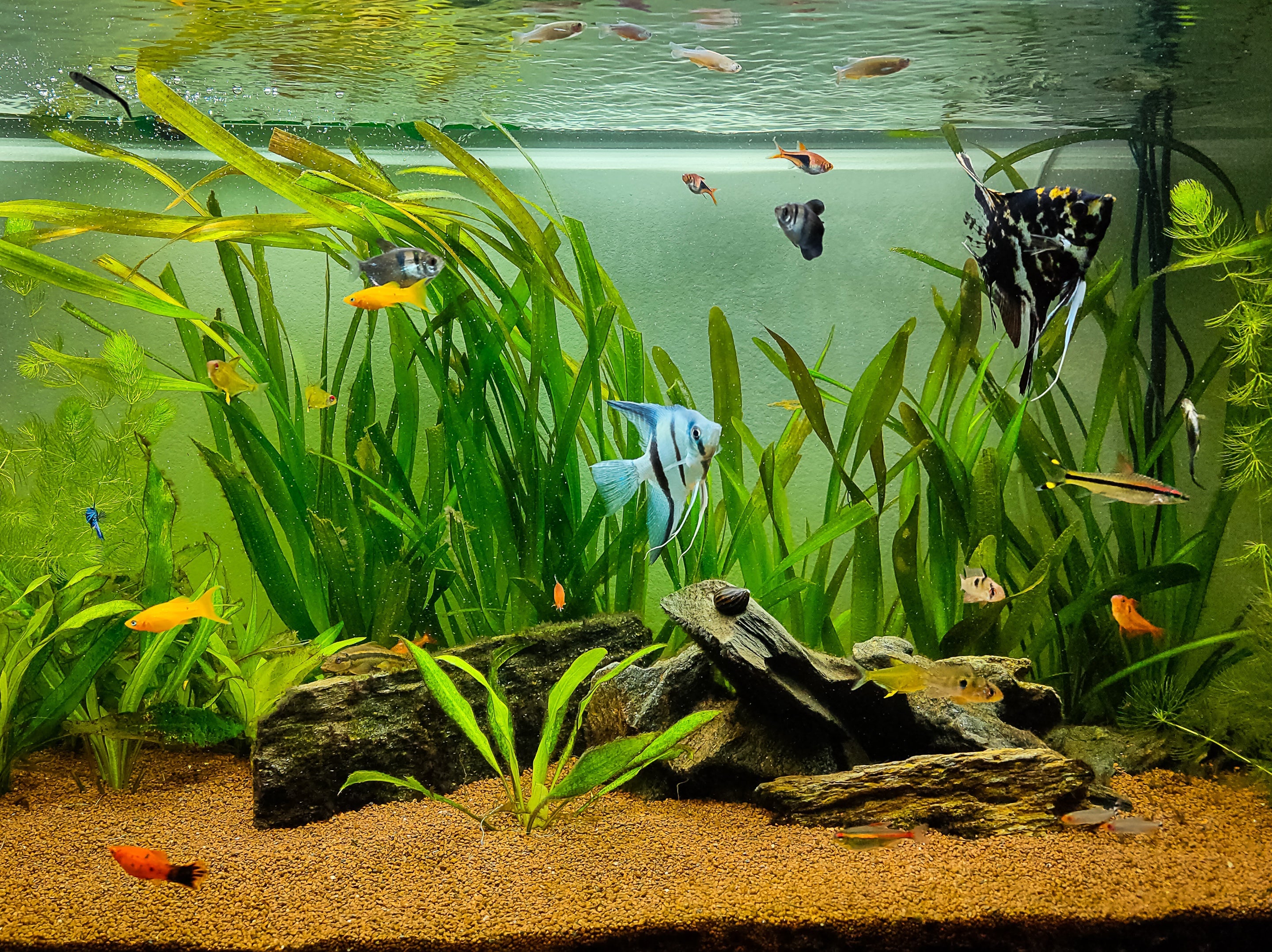
Credit: splashyfishstore.com
Acclimation Methods
Acclimating discus fish helps them adjust to new water conditions. Proper acclimation reduces stress and improves survival rates. This guide covers popular methods for a smooth transition.
Each method suits different situations and tank setups. Choose the one that fits your needs and follow instructions carefully.
Drip Acclimation Technique
The drip acclimation technique slowly mixes tank water with the water in the fish bag. This method takes time but keeps fish safe from sudden changes. Use an airline tubing to create a steady drip.
- Hang the fish bag and attach airline tubing to it.
- Place the other end in a container with tank water.
- Adjust the drip rate to about 2-4 drops per second.
- Let the water drip for 1-2 hours until the volume doubles.
- Gently move the fish into the tank using a net.
Floating Bag Method
The floating bag method balances temperature between the fish bag and tank. This is a quick way to reduce temperature shock. Do not open the bag during this step.
- Seal the fish in a plastic bag with water from the seller.
- Float the sealed bag on the tank surface for 15-30 minutes.
- Check if the bag water temperature matches the tank.
- After temperature equalizes, gently release fish into the tank.
Gradual Water Mixing Approach
This approach mixes tank water with the fish’s water in small amounts. It helps fish get used to water chemistry changes slowly. You can do this in a separate container.
| Time Interval | Amount of Tank Water to Add | Action |
|---|---|---|
| Every 10 minutes | 1/4 cup (60 ml) | Slowly pour tank water into fish container |
| After 1 hour | 1 cup (240 ml) | Repeat pouring carefully |
| After 2 hours | Enough to double container volume | Move fish to tank gently |
Monitoring Fish Behavior
Watching your discus fish closely helps you keep them healthy. Fish behavior gives clues about their comfort and tank conditions.
Good monitoring during acclimation reduces stress and increases survival chances. Learn what signs to look for and how to adjust timing.
Signs Of Stress To Watch For
Discus fish show stress in different ways. Spotting these signs early helps you act fast to protect them.
- Rapid gill movement or heavy breathing
- Clamped fins close to the body
- Hiding or staying at the bottom of the tank
- Loss of appetite or refusing food
- Erratic swimming or darting around
- Color fading or dull appearance
Adjusting Acclimation Timing
Acclimation should match your fish’s response. Slowing or speeding up the process can reduce stress.
| Behavior Observed | Action to Take | Reason |
| Calm swimming and normal breathing | Proceed with standard acclimation timing | Fish is adjusting well |
| Signs of mild stress (clamped fins, slow movement) | Slow down water mixing and extend acclimation time | Allow fish more time to adjust |
| Severe stress (rapid breathing, hiding) | Pause acclimation and stabilize environment | Prevent shock and allow recovery |
| No signs of stress after extended time | Complete acclimation and move fish to tank | Safe to introduce to new environment |
Post-acclimation Care
Taking care of your discus fish after acclimation is very important. It helps them stay healthy and adjust well to their new tank. Proper care includes feeding, water quality, and health monitoring.
Each part of care plays a role in the fish’s recovery and growth. Follow simple steps to keep your discus happy and strong.
Feeding After Acclimation
Start feeding your discus with small amounts of food. Use easy-to-digest options like flakes or pellets. Avoid overfeeding to prevent water problems.
- Feed two to three times daily
- Give only what they can eat in 2-3 minutes
- Use high-quality discus food
- Remove leftover food after feeding
Maintaining Water Quality
Good water quality keeps your discus safe from stress and disease. Check water parameters often and keep the tank clean.
| Parameter | Ideal Range |
| Temperature | 82-86°F (28-30°C) |
| pH | 6.0-7.0 |
| Ammonia | 0 ppm |
| Nitrite | 0 ppm |
| Nitrate | Below 20 ppm |
Regular Health Checks
Watch your discus for signs of illness. Early detection helps prevent serious problems. Check their behavior and appearance daily.
- Look for faded colors or spots
- Observe swimming patterns and appetite
- Check fins for damage or clamping
- Isolate sick fish to stop disease spread
Common Mistakes To Avoid
Acclimating discus fish properly is key to their health. Many beginners make simple mistakes that harm the fish.
Understanding common errors helps keep discus fish safe and stress-free during tank introduction.
Rapid Water Changes
Changing too much water too fast shocks discus fish. They need slow adjustments to new water conditions.
Sudden changes can cause stress and health problems. Gradual water changes protect their sensitive systems.
- Do small water changes over several hours
- Use drip acclimation to mix water slowly
- Avoid replacing all water at once
Overcrowding The Tank
Putting too many discus fish in one tank causes stress and poor water quality. It also leads to fights.
Give each fish enough space to swim and hide. Crowded tanks increase disease risk and lower oxygen.
- Follow size guidelines for tank capacity
- Keep fewer fish during acclimation
- Increase space as fish grow
Ignoring Temperature Differences
Discus fish come from warm water. Ignoring temperature gaps causes shock and weakens their immune system.
Match the new tank’s temperature closely to the fish’s original water. Adjust slowly to avoid stress.
- Check temperature before moving fish
- Use heaters to stabilize tank temperature
- Increase or decrease temperature by 1 degree per hour

Credit: www.youtube.com
Frequently Asked Questions
How Long Should I Acclimate A Discus Fish?
Discus fish need about 1 to 2 hours for proper acclimation. Gradually adjust water temperature and chemistry to avoid stress or shock.
What Is The Best Method To Acclimate Discus Fish?
The drip acclimation method is best. It slowly mixes tank water with the transport water, ensuring a safe transition for discus fish.
Can I Acclimate Discus Fish Directly To The Tank?
Direct acclimation risks temperature and pH shock. Always acclimate slowly to match tank conditions, reducing stress and increasing survival rates.
How Often Should I Monitor Discus During Acclimation?
Check discus every 15 to 20 minutes. Watch for signs of stress or shock and adjust acclimation speed accordingly.
Conclusion
Acclimating discus fish carefully helps them stay healthy and happy. Take your time and watch water temperature and quality closely. Small changes reduce stress and keep fish active. Always add water slowly to avoid shock. Remember, patience makes a big difference in tank success.
Follow these tips for smooth acclimation and enjoy your beautiful discus fish.