
If you’ve ever watched cichlids interact, you know their mating behavior is fascinating and full of surprises. Understanding how these colorful fish find, attract, and choose their mates can help you create the perfect environment for them to thrive.
Whether you’re a beginner or have some experience, learning about their courtship rituals and breeding habits will change the way you care for your aquarium. Keep reading to discover the secrets behind cichlid mating behavior and how you can support your fish through this amazing process.
Cichlid Species And Their Mating Styles
Cichlids show many ways to mate depending on their species. Their styles include different behaviors and care methods.
Understanding these styles helps aquarists provide better conditions for breeding and raising young fish.
Mouthbrooders Vs. Substrate Spawners
Mouthbrooders keep their eggs and young fish in their mouths for protection. Substrate spawners lay eggs on surfaces like rocks or plants.
- Mouthbrooders:Female or male holds eggs in mouth until fry hatch.
- Substrate Spawners:Lay eggs on flat or hollow surfaces.
- Mouthbrooders:Protect young by carrying them in the mouth.
- Substrate Spawners:Guard eggs and fry near the nest.
Territorial Behaviors During Breeding
Cichlids become very territorial while breeding. They defend their chosen area to keep eggs and fry safe.
| Behavior | Description |
| Chasing | Driving away intruders with fast movements. |
| Display | Showing bright colors to warn others. |
| Digging | Preparing a nest by moving substrate. |
| Physical Fighting | Occasional clashes to protect territory. |
Color Changes And Displays
Breeding cichlids often show brighter colors and special patterns. These displays help attract mates and warn rivals.
Common color changes include:
- Brightening of body colors
- Flashing patterns on fins
- Darkening or lightening to show mood
- Raising fins to look larger
Courtship Rituals
Cichlid fish use courtship rituals to attract mates. These rituals help them find the right partner. They involve different behaviors like displays and sounds.
Understanding these rituals shows how cichlids communicate and form bonds. The process is complex but clear in their actions.
Visual Signals And Movements
Cichlids use bright colors and body movements to show readiness to mate. Males often change color to appear more attractive. They also perform dances and fin displays to catch the female’s attention.
- Flashing bright colors
- Flaring fins
- Swimming in circles
- Nibbling near the female
Role Of Sound And Vibrations
Cichlids produce sounds and vibrations to communicate during courtship. These signals can show strength or calmness. Vibrations travel through water to reach the mate and nearby fish.
| Type of Signal | Purpose | Effect on Mate |
|---|---|---|
| Clicks and Pops | Attract attention | Increases interest |
| Body Vibrations | Show readiness | Promotes bonding |
| Low Frequency Sounds | Warn rivals | Protects territory |
Pair Bond Formation
After courtship, cichlids form a pair bond. This bond helps them care for eggs and young. Both parents often guard the nest and protect the fry.
- Mutual cleaning
- Swimming side by side
- Sharing territory
- Coordinating care for offspring
Breeding Environment Setup
Creating the right environment is key for cichlid mating success. The tank must meet specific needs to encourage breeding.
Setting up the breeding space involves controlling water, choosing substrate, and adding shelter. Each part helps the fish feel safe and ready.
Tank Conditions And Water Parameters
Maintain stable water temperature between 75°F and 82°F. Keep pH levels slightly alkaline, around 7.5 to 8.5. Regular water changes keep the tank clean and healthy.
| Parameter | Ideal Range |
| Temperature | 75°F – 82°F (24°C – 28°C) |
| pH Level | 7.5 – 8.5 |
| Water Hardness | 10 – 20 dGH |
| Ammonia/Nitrite | 0 ppm |
| Nitrate | Below 20 ppm |
Choosing The Right Substrate
Substrate affects breeding behavior. Soft sand works well for most cichlids. It allows digging and protects eggs from damage.
- Fine sand or smooth gravel
- Avoid sharp or large stones
- Light colors help spot eggs and fry
- Keep substrate clean to prevent fungus
Providing Hiding Spots And Nesting Areas
Cichlids need safe places to hide and lay eggs. Rocks, caves, and plants create good nesting spots. These protect fry from other fish.
- Arrange flat rocks to build caves
- Use clay pots or PVC pipes as shelters
- Add hardy plants for cover
- Space hiding spots evenly to reduce fights

Credit: cichlidae.com
Spawning Process
Cichlids show interesting behaviors during spawning. This process includes egg laying, fertilization, and care. Understanding these steps helps in raising healthy fish.
The spawning process is different for each cichlid species. Yet, many share common patterns in how they reproduce.
Egg Laying And Fertilization
Female cichlids lay eggs on flat surfaces or in hidden spots. Males fertilize the eggs right after they are laid. The eggs stick to the surface and stay safe from harm.
- Female cleans the site before laying eggs
- Eggs are laid in rows or clusters
- Male releases sperm over the eggs for fertilization
- Fertilized eggs become sticky and attach firmly
- Eggs hatch in several days depending on water temperature
Parental Roles During Spawning
Cichlid parents share duties to protect eggs and young fry. Both parents guard the nesting site. They remove dead eggs to keep the area clean and safe.
| Parent | Role |
| Female | Lays eggs and fans them to keep oxygen flowing |
| Male | Guards territory and chases away threats |
| Both | Protect fry by guiding and sheltering them |
Timing And Frequency
Spawning happens more often in warm water. Cichlids can spawn several times a year. They choose times when food is easy to find to help young survive.
Common factors affecting spawning timing:
- Water temperature between 75°F and 82°F
- Longer daylight hours in spring and summer
- Stable water conditions without sudden changes
- Availability of hiding places and clean surfaces
Parental Care Strategies
Cichlids show many ways to care for their young. Their strategies help eggs and fry survive. Parents protect and feed the young until they can live alone.
Parental care in cichlids is important for the survival of their offspring. Different species use different behaviors to guard and nurture their young.
Egg And Fry Protection
Cichlid parents guard their eggs and fry carefully. They keep them safe from predators and clean the eggs to prevent fungus. Some species carry eggs in their mouths for safety.
- Guard eggs by staying close to the nest
- Remove dead eggs to stop fungus
- Carry eggs and fry in mouth (mouthbrooding)
- Hide fry in safe places like caves or plants
- Chase away predators and threats
Feeding The Young
Parents feed their young in many ways. Mouthbrooders keep fry in their mouth and protect them. Other species lead fry to food sources or bring food to them. Feeding helps the young grow strong and healthy.
| Feeding Method | Description |
| Mouthbrooding | Parents carry fry in mouth and protect them. |
| Guiding to Food | Parents lead fry to safe places with food. |
| Direct Feeding | Parents bring food to fry near the nest. |
Handling Aggression Among Parents
Parents can be aggressive to protect their young. They fight intruders and sometimes each other. They use displays and chasing to keep peace. Too much fighting can hurt the young.
Common ways cichlid parents handle aggression:
- Display bright colors to warn rivals
- Chase intruders away from the nest
- Use body postures to avoid fights
- Divide territory between parents
- Stop aggression once fry are safe
Common Breeding Challenges
Cichlid fish are popular for their vibrant colors and unique behaviors. Breeding cichlids can be rewarding, but it comes with challenges. Understanding these challenges helps improve breeding success.
Common issues include aggression, infertility, and stress. Addressing these problems can lead to healthier offspring and a more harmonious tank environment.
Dealing With Aggression
Aggression is common in cichlid breeding. Males often become territorial. This can lead to fights and stress among fish. Providing enough space and hiding spots can reduce aggression.
It’s important to monitor fish behavior closely. Separate aggressive males if needed. Introducing tank dividers can also help create peaceful zones.
- Add plants and rocks for hiding
- Use tank dividers to separate fish
- Monitor fish and remove aggressive ones
Infertility And Egg Survival Issues
Infertility can hinder cichlid breeding. Poor water quality and diet can affect fertility. Ensuring a balanced diet improves fish health and increases fertility rates.
Egg survival is another concern. Unfertilized eggs can develop fungus. Remove dead eggs quickly to prevent contamination.
- Maintain clean water conditions
- Provide a balanced diet
- Remove unfertilized eggs promptly
Stress Factors Affecting Breeding
Stress reduces breeding success. Loud noises, sudden light changes, and overcrowding cause stress. Keeping a stable environment is crucial for healthy breeding.
Regular tank maintenance and a consistent routine help minimize stress. Avoid moving fish frequently. Introduce new fish gradually to prevent overwhelming existing fish.
- Maintain a consistent light schedule
- Avoid overcrowding in the tank
- Introduce new fish slowly
Tips For Successful Breeding
Breeding cichlids can be rewarding for fish enthusiasts. Knowing their mating behavior helps ensure success.
Follow these tips to support the breeding process and maintain healthy fish.
Selecting Compatible Pairs
Choosing the right pair is crucial for breeding success. Compatibility minimizes stress and increases mating chances.
- Select a male and female of the same species
- Ensure both fish are similar in size
- Look for signs of mutual interest
Optimizing Diet For Breeding Fish
Feeding your fish the right diet boosts health and breeding readiness. A balanced diet supports energy and growth.
| Food Type | Benefits |
| High-protein pellets | Supports egg production |
| Frozen brine shrimp | Enhances color and vitality |
| Vegetable matter | Improves digestion |
Monitoring Health And Behavior
Regular health checks keep your fish in top condition. Observing behavior helps detect breeding readiness.
Set up a quarantine tank for new or sick fish. This prevents disease spread and helps with monitoring.

Credit: www.reddit.com
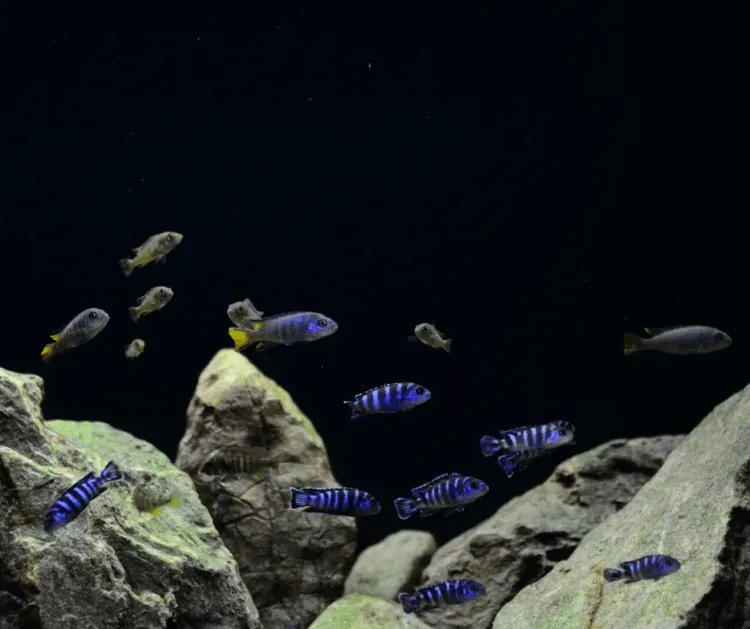
Credit: aquadecorbackgrounds.com
Frequently Asked Questions
What Is The Typical Mating Behavior Of Cichlids?
Cichlids exhibit complex mating behaviors including courtship displays, territory defense, and nest preparation. Males often showcase vibrant colors to attract females. Both parents may guard and care for the eggs and fry, ensuring higher survival rates.
How Do Cichlids Choose Their Mates?
Cichlids select mates based on physical traits like color and size, plus behavior. Bright colors and strong displays indicate good health. Females often prefer dominant males with established territories, which increases offspring survival chances.
Do Cichlids Form Monogamous Pairs?
Many cichlid species form monogamous pairs during breeding. Both parents share responsibilities like guarding eggs and fry. This cooperative care enhances offspring survival and strengthens pair bonds throughout the breeding cycle.
How Long Does Cichlid Mating Last?
Cichlid mating duration varies by species but generally spans several days. Courtship and spawning can take hours, followed by weeks of parental care. This extended period increases offspring protection and development.
Conclusion
Cichlid mating behavior shows how these fish care for their young. Males often build nests to attract females. Females lay eggs and guard them closely. Both parents may protect the fry after hatching. Watching these behaviors helps us understand fish better.
Each species has its own unique patterns. Knowing this can improve your aquarium experience. Patience and observation make all the difference. Nature’s ways are simple but fascinating to see. Keep learning and enjoy the beauty of cichlids.