
If you keep cichlids, you know how important it is to protect their tiny fry. These little fish need safe spots to hide and grow without danger.
But where exactly should you create these hiding places? Finding the right spots can make a huge difference in your fry’s survival and health. You’ll discover simple, effective hiding places that will keep your cichlid fry safe and thriving. Keep reading to learn how to create the perfect environment that your fry will love—and watch your aquarium come alive with healthy, happy fish.
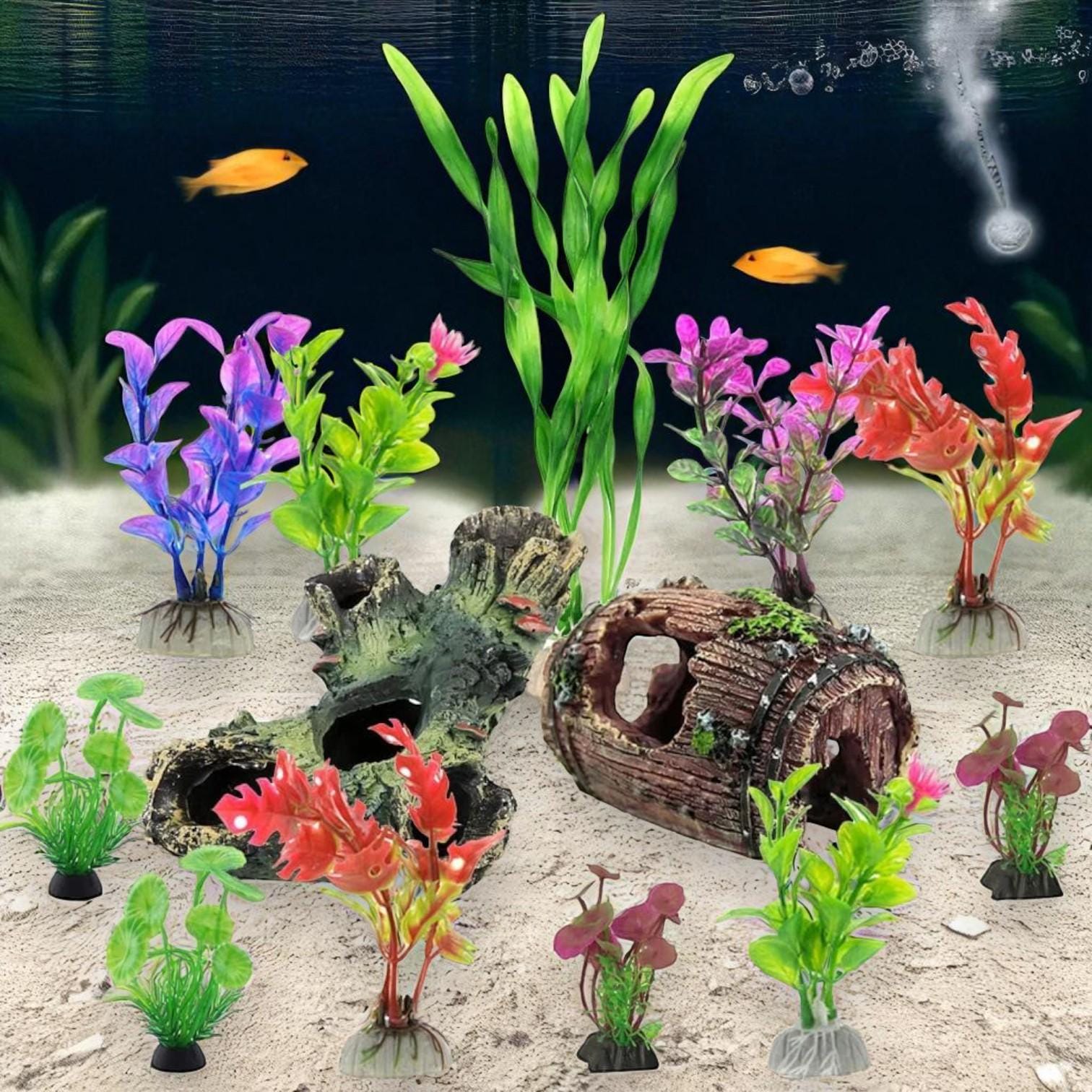
Credit: www.etsy.com
Why Fry Need Hiding Spots
Cichlid fry are young fish that need special care. Hiding spots help them survive and grow well.
These places give fry safety and comfort in their environment. They feel more secure and behave naturally.
Protection From Predators
Fry are small and easy targets for bigger fish. Hiding spots keep them safe from attacks.
Plants, rocks, and caves block predators’ view. This lowers the chance of fry being eaten.
- Hide behind plants to stay out of sight
- Use caves to avoid open water
- Place rocks to create safe corners
Reducing Stress Levels
Stress makes fry weak and sick. Hiding spots help fry feel calm and safe.
When fry have a place to hide, they rest better. Less stress means better growth and health.
- Provide quiet spaces away from strong currents
- Use soft plants for gentle cover
- Avoid overcrowding hiding places
Encouraging Natural Behavior
Hiding spots let fry act like they do in the wild. This helps them learn and stay active.
Exploring and hiding are normal behaviors. These spots give fry chances to practice these skills.
- Fry explore safely around shelters
- They hide to avoid danger
- Natural behavior supports healthy development
Best Plants For Fry Hiding
Young cichlid fry need safe places to hide from predators. Plants create shelter and cover for them. Choosing the right plants helps fry survive and grow strong.
This guide covers three types of plants that work well as hiding spots. Each type offers unique benefits for the fry’s safety.
Floating Plants
Floating plants spread across the water surface. Their roots hang down, creating shade and hiding spots below. Fry feel safer near these shaded areas.
- Duckweed: Small leaves that cover the surface quickly.
- Water Lettuce: Thick roots that dangle in the water.
- Frogbit: Round leaves with fine roots underneath.
Dense Stem Plants
Dense stem plants grow tightly packed stems and leaves. Fry hide between the stems to avoid predators. These plants also oxygenate the water well.
| Plant Name | Growth Type | Fry Benefit |
| Hornwort | Fast-growing | Thick cover for hiding |
| Cabomba | Delicate leaves | Safe spaces between stems |
| Water Wisteria | Broad leaves | Dense foliage to hide under |
Moss And Algae
Moss and algae grow on surfaces and decorations. They create tiny caves and soft beds for fry. Moss also collects microorganisms that fry can eat.
Popular Moss Types for Fry Hiding:
- Java Moss: Grows thick and curly, perfect for fry to hide.
- Christmas Moss: Forms dense mats on rocks and driftwood.
- Flame Moss: Vertical growth that offers vertical cover.
Ideal Decorations For Shelter
Cichlid fry need safe places to hide from bigger fish. Good hiding spots help them feel secure.
Decorations in the tank can create these shelters. They also keep fry healthy and stress-free.
Caves And Rock Formations
Caves and rock formations provide natural hiding places for cichlid fry. They offer shade and cover.
Use aquarium-safe rocks to build caves. Make sure the spaces are big enough for fry to enter.
- Stack rocks carefully to avoid collapses
- Create openings that are small but accessible
- Use smooth rocks to prevent injury
Pvc Pipes And Tubes
PVC pipes and tubes are great for creating hiding spots. They are easy to clean and arrange.
Cut pipes into short sections and place them horizontally. This mimics natural burrows and caves.
- Use non-toxic PVC material
- Place pipes in groups for more shelter
- Cover pipes with plants or decorations for camouflage
Driftwood Hiding Spots
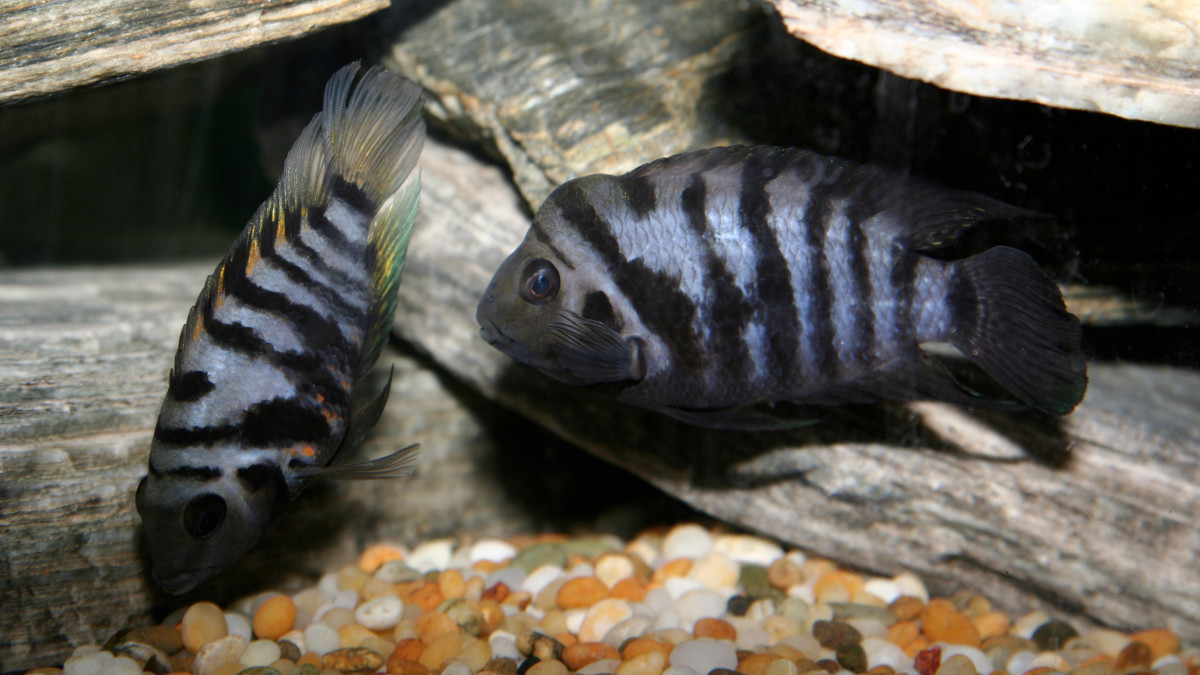
Driftwood adds a natural look and offers many hiding spaces. Fry can swim under and around it easily.
Choose smooth driftwood pieces without sharp edges. Soak the wood before placing it in the tank.
- Use driftwood to create tunnels and caves
- Combine with plants for more cover
- Replace driftwood if it starts to rot
Credit: pethelpful.com
Substrate Choices For Safety
Choosing the right substrate is important for keeping cichlid fry safe. The substrate affects how the fry hide and move around.
Safe hiding places help fry avoid predators and reduce stress. The substrate can create natural shelters.
Fine Sand Benefits
Fine sand is soft and gentle for cichlid fry. It prevents injuries and allows them to burrow easily.
Sand also keeps waste from building up quickly. It helps maintain clean water, which is healthy for fry.
- Soft texture protects delicate fry bodies
- Easy for fry to dig and hide
- Reduces risk of trapped debris
- Supports natural behaviors like burrowing
Gravel Considerations
Gravel can offer good hiding spots but may be risky for small fry. Sharp or large gravel pieces can hurt them.
Choose smooth, small gravel to reduce injury risk. Gravel also helps beneficial bacteria grow, which improves water quality.
- Use smooth, small gravel for safety
- Provides spaces for fry to hide
- Supports beneficial bacteria growth
- Can trap waste if too large
Using Leaf Litter
Leaf litter creates natural hiding places and shelter for cichlid fry. It mimics their natural environment well.
As leaves break down, they add nutrients and soften the water. Fry feel safer among leaf piles and debris.
- Offers safe, natural hiding spots
- Improves water with natural nutrients
- Softens water for fry comfort
- Encourages natural behavior and shelter use
Tank Setup Tips For Fry
Setting up a tank for cichlid fry needs special care. Fry need safe spots to hide and clean water to grow.
Good hiding places help fry feel safe. The right lighting and water quality keep them healthy.
Creating Multiple Hiding Zones
Fry need many hiding spots to avoid stress and predators. Use plants, rocks, and decorations to make zones.
- Place dense plants like Java moss or Anubias in corners.
- Use small caves or clay pots for shelter.
- Arrange rocks to create crevices and tunnels.
- Add floating plants to break open areas.
Maintaining Water Quality
Clean water is key to fry survival. Keep water clear and free of toxins with regular checks and changes.
| Maintenance Task | Frequency |
| Partial water change (20-30%) | Every 3-4 days |
| Filter cleaning (avoid full cleaning) | Weekly |
| Test water parameters (pH, ammonia, nitrite) | Twice a week |
| Remove uneaten food | Daily |
Balancing Light And Shade
Fry need soft light and shaded areas to reduce stress. Bright light can scare them and cause damage.
Tips for light balance:
- Use dimmable aquarium lights.
- Place floating plants to create shade.
- Keep light on for 8-10 hours daily.
- Avoid direct sunlight on the tank.
Common Mistakes To Avoid
Creating safe hiding places for cichlid fry is important. Avoiding mistakes ensures a healthy environment for them.
In this guide, learn about common errors and how to prevent them. This will help your fish thrive in their tank.
Overcrowding Hiding Areas
Too many hiding spots can lead to overcrowding. This limits swimming space for your cichlid fry.
- Keep the tank spacious
- Limit the number of decorations
- Provide open areas for swimming
Using Sharp Or Toxic Materials
Avoid materials that can harm your fry. Sharp objects might injure them, while toxic materials can contaminate the water.
| Material | Risk |
| Metal | Rust and toxicity |
| Glass with sharp edges | Injury |
| Painted objects | Chemical leaching |
Neglecting Regular Cleaning
Regular cleaning is essential. Dirt and algae can build up, affecting water quality and health.
Credit: www.cichlid-forum.com
Frequently Asked Questions
What Are The Best Hiding Places For Cichlid Fry?
The best hiding places include dense plants, caves, and rock crevices. These spots offer safety from predators. Providing varied hiding spaces helps fry feel secure and grow healthily.
How Do Plants Help Cichlid Fry Hide?
Plants provide natural cover and camouflage for fry. They reduce stress by offering shelter from aggressive tank mates. Dense foliage mimics their natural environment, increasing fry survival rates.
Can Artificial Caves Improve Fry Survival Rates?
Yes, artificial caves create safe zones for fry to hide. They protect fry from larger fish and reduce stress. Using caves mimics natural hiding spots, enhancing fry growth and safety.
Why Is Hiding Important For Cichlid Fry?
Hiding reduces fry exposure to predators and aggression. It lowers stress, promoting healthy development and growth. Proper hiding spots increase survival chances during their vulnerable early stages.
Conclusion
Providing safe hiding spots helps cichlid fry feel secure and grow well. Plants, rocks, and caves create good shelters in the tank. These places protect fry from harm and reduce stress. A calm environment helps fry develop strong and healthy.
Keep their space clean and avoid sudden changes. Watch the fry often to see how they use hiding spots. Simple setups can make a big difference for young cichlids. Remember, happy fry lead to a thriving aquarium.