
If you keep wrasse fish in your aquarium, you know how important it is to keep them healthy and happy. One key factor you might overlook is their heat tolerance.
Understanding how much heat your wrasse can handle will help you avoid stress and keep your tank thriving. This guide will give you clear, simple tips to protect your wrasse from temperature problems. Keep reading to learn how to create the perfect environment your wrasse will love.
Wrasse Species And Heat Sensitivity
Wrasse fish come in many types and live in warm ocean waters. Their ability to handle heat varies by species. Understanding this helps keep them healthy in aquariums and the wild.
This guide explains common wrasse types, their natural temperature ranges, and how well they tolerate heat.
Common Wrasse Varieties
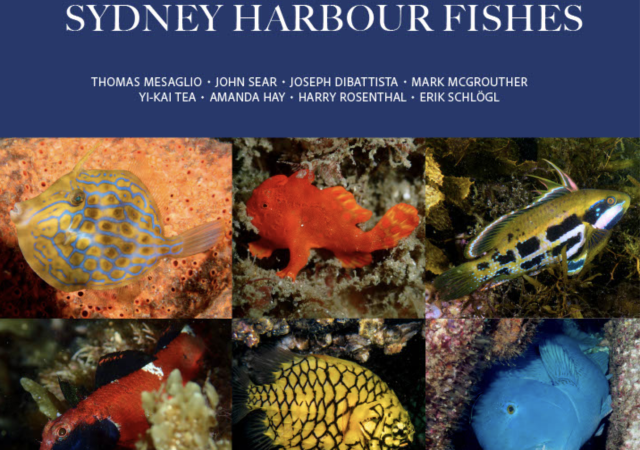
There are many wrasse species with different colors and sizes. Some popular ones include the Cleaner Wrasse, Six-Line Wrasse, and Fairy Wrasse. Each type has unique habits and temperature needs.
- Cleaner Wrasse: Small fish known for cleaning other fish
- Six-Line Wrasse: Active and colorful, common in home tanks
- Fairy Wrasse: Bright colors and peaceful behavior
- Hawkfish Wrasse: Larger and more aggressive
Natural Habitat Temperatures
Wrasses live in tropical and subtropical oceans. Their habitats usually range from 72°F to 82°F (22°C to 28°C). Some species prefer cooler or warmer spots within coral reefs or rocky areas.
- Coral reefs often stay between 75°F and 82°F
- Rocky coastal areas can be slightly cooler, around 70°F to 78°F
- Some deep-water wrasses live in cooler temperatures
Heat Tolerance Levels
Wrasses differ in how much heat they can handle. Most do well up to about 84°F (29°C). Higher temperatures can stress them and cause health problems.
| Wrasse Species | Comfortable Temperature (°F) | Heat Sensitivity |
|---|---|---|
| Cleaner Wrasse | 74 – 80 | Moderate |
| Six-Line Wrasse | 75 – 82 | Low |
| Fairy Wrasse | 76 – 81 | Moderate |
| Hawkfish Wrasse | 72 – 78 | High |
Keeping temperatures stable and within these ranges helps wrasses stay healthy. Avoid sudden heat changes to reduce stress.
Credit: reefbuilders.com
Signs Of Heat Stress In Wrasse
Wrasse are sensitive fish that can get stressed by high water temperatures. It is important to watch for signs of heat stress early. This helps keep them healthy and safe.
Heat stress affects how wrasse behave and look. It can also harm their health over time. Knowing these signs helps you act fast.
Behavioral Changes
Wrasse show changes in behavior when they feel too hot. They may swim less or hide more than usual. Some wrasse become restless and swim erratically.
These behaviors help you spot heat stress before it gets worse. Watch for:
- Decreased activity or slow movement
- Hiding in corners or under rocks
- Gasping at the water surface
- Unusual swimming patterns
Physical Symptoms
Heat stress can cause visible changes in the wrasse’s body. Their colors may fade or look dull. Some may have clamped fins or open mouths.
Look closely for these signs:
- Faded or pale colors
- Clamped or folded fins
- Red or inflamed gills
- Open mouth breathing
Impact On Health
Heat stress weakens a wrasse’s immune system. This makes it easier for diseases to attack. Prolonged heat stress can cause death if not managed.
Heat stress effects on health include:
- Lower resistance to infections
- Loss of appetite and weight
- Increased risk of parasites
- Possible organ damage over time
Ideal Aquarium Temperature Settings
Wrasse fish need the right water temperature to stay healthy. The right temperature helps them grow and stay active.
Each type of wrasse prefers a specific temperature range. Keeping the water steady is very important for their well-being.
Optimal Range For Different Wrasse
Different wrasse species live best in different temperature ranges. Most thrive in warm water but some like it cooler.
- Six-line wrasse: 72°F to 78°F (22°C to 26°C)
- Fairy wrasse: 75°F to 80°F (24°C to 27°C)
- Coral wrasse: 74°F to 79°F (23°C to 26°C)
- Cleaner wrasse: 76°F to 82°F (24°C to 28°C)
Temperature Fluctuation Effects
Wrasse fish do not like sudden temperature changes. Big shifts can stress them and cause illness.
Small daily changes are okay if they stay in the right range. Large swings may lead to poor health or death.
- Stress from temperature swings lowers immunity
- Can cause loss of appetite and lethargy
- Increases risk of infections and disease
- May disrupt breeding behaviors
Monitoring Tools
Use tools to keep aquarium temperature steady. Good tools help you watch temperature all day.
- Digital aquarium thermometers show exact temperature
- Heaters with thermostats keep water stable
- Temperature controllers alert if water gets too hot or cold
- Regular manual checks help verify tool readings
Cooling Techniques For Hot Aquariums
Keeping your aquarium cool is important for the health of wrasse fish. High water temperatures can stress these fish and cause illness. Using proper cooling methods helps maintain a safe environment.
This guide covers easy ways to cool your aquarium. You will learn about chillers, fans, water changes, and tank placement tips. These methods help keep water temperature stable.
Using Chillers And Fans
Chillers are devices that lower aquarium water temperature. They work like small refrigerators for your tank. Fans help by increasing evaporation, which cools the water.
Both chillers and fans are good for hot days. Fans are cheaper but less powerful. Chillers cost more but cool the water better.
- Place fans to blow air across the water surface
- Use chillers sized for your tank volume
- Monitor temperature to adjust settings
- Keep equipment clean to avoid breakdowns
Water Change Strategies
Changing some of the aquarium water can help lower temperature. Cooler new water mixes with the warm tank water. This method works best if the replacement water is cooler.
Regular water changes also improve water quality. This reduces stress for wrasse and other fish. Use a clean bucket or hose to remove water safely.
- Change 10-20% of water weekly in warm weather
- Use water that is a few degrees cooler than tank water
- Avoid sudden large water changes to prevent shock
- Test water parameters after changes
Aquarium Placement Tips
Where you place your aquarium affects its temperature. Avoid direct sunlight that heats the water quickly. Keep the tank away from heat sources like radiators.
Choose a cool, shaded spot with good air flow. This helps keep the water temperature stable. Small adjustments can make a big difference.
- Place aquarium in a cool room or basement if possible
- Keep tank away from windows with strong sunlight
- Use curtains or blinds to reduce sun exposure
- Allow space around the tank for air circulation
Nutrition And Heat Stress Management
Wrasse fish are sensitive to high water temperatures. Heat stress can affect their health and appetite. Proper nutrition helps them stay strong during hot days.
Feeding the right food and managing feeding habits can lower stress. This guide covers diet options, feeding changes, and helpful supplements for wrasse under heat stress.
Heat-resilient Diet Options
Choose foods that support energy and immune health during heat. High-protein diets help wrasse recover from stress faster.
Include fresh or frozen marine foods rich in vitamins and minerals. Avoid heavy fats that can be hard to digest in warm water.
- Live or frozen brine shrimp
- Small pieces of marine fish or shrimp
- High-quality pellet foods with added vitamins
- Vegetable matter like spirulina or seaweed flakes
Feeding Frequency Adjustments
Feed smaller amounts more often to avoid overfeeding. Wrasse may eat less when water is hot, so adjust meals to their appetite.
Reducing large meals helps prevent water pollution and stress. Watch your fish and feed only what they can eat in a few minutes.
- Feed 2-3 times daily in small portions
- Remove uneaten food after 5 minutes
- Observe eating habits and adjust accordingly
Supplements For Stress Reduction
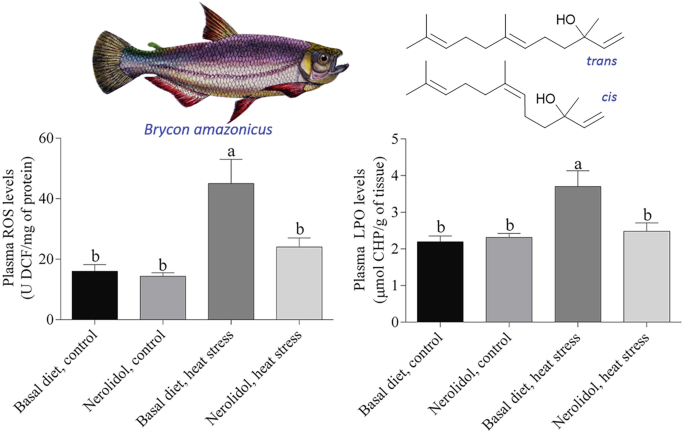
Supplements can boost the immune system and reduce heat stress effects. Vitamins C and E are known to help fish fight stress.
Adding natural stress reducers like garlic or certain probiotics improves gut health. These support overall well-being in warmer conditions.
- Vitamin C and E supplements
- Garlic extract added to food
- Probiotics for digestive health
- Omega-3 fatty acids for inflammation control
Credit: link.springer.com
Tank Environment Optimization
Creating the right tank environment helps wrasse fish live well. Proper care of plants, decorations, water flow, and shelter improves their comfort.
These factors lower stress and boost wrasse heat tolerance. Adjust your tank setup to meet their needs.
Plant And Decoration Choices
Choose plants and decorations that keep the water cool and stable. Live plants help oxygenate water and provide hiding spots.
- Use hardy plants like Java fern or Anubias
- Avoid plastic plants that can trap heat
- Add smooth rocks and driftwood for hiding
- Place decorations to create shaded areas
Water Flow And Aeration
Proper water flow and aeration keep the tank oxygen-rich and cooler. Wrasse fish prefer gentle currents with good circulation.
| Water Flow | Recommendation |
| Low Flow Areas | Provide resting spots |
| Moderate Flow | Keeps water fresh |
| Aeration | Use air stones or filters |
| Temperature Control | Circulation helps prevent hot spots |
Shade And Shelter Spots
Wrasse fish need places to hide and cool down. Shade areas reduce direct light and heat stress.
- Use floating plants or broad leaves for shade
- Add caves or tunnels from rocks or decorations
- Arrange plants and décor to create shaded retreats
- Keep some quiet, dark spots for resting
Preventing Heat-related Diseases
Wrasse fish need special care to stay healthy in warm waters. High temperatures can cause stress and illness.
This guide will help you understand common heat-related diseases and how to prevent them. Knowing when to seek veterinary help is also important.
Common Heat-induced Illnesses
Wrasse fish can suffer from several heat-related illnesses. These include heat stress and fungal infections.
- Heat Stress: Causes rapid breathing and lethargy.
- Fungal Infections: Develops when water is too warm and stagnant.
Preventive Care Practices
Preventing heat-related diseases in wrasse fish involves simple steps. Keep the water at a stable temperature.
Avoid overcrowding the tank, and ensure good water circulation. Regularly check the aquarium’s temperature.
- Use a reliable aquarium thermometer.
- Perform regular water changes to maintain quality.
- Install a fan or chiller to cool the water if needed.
When To Seek Veterinary Help
Knowing when to seek help is crucial. If your wrasse shows signs of illness, act quickly.
Look for unusual behavior, such as swimming erratically or not eating. These may indicate serious health issues.
- Contact a vet if symptoms persist for more than two days.
- Seek help if you notice visible sores or discoloration.
Seasonal Care Adjustments
Wrasses are vibrant fish that require special care through the seasons. Adjusting their environment helps them thrive all year round.
Understanding the seasonal needs of wrasses can ensure their health and happiness. This guide provides essential tips for each season.
Summer Preparation Tips
Summer heat can be challenging for wrasses. Keeping their tank cool is important for their well-being.
- Monitor water temperature daily
- Use fans or chillers to keep the tank cool
- Ensure adequate water circulation
Winter Temperature Considerations
Cold temperatures can stress wrasses. It’s crucial to maintain a stable and warm environment during winter.
| Action | Recommended Temperature (°F) |
| Install a reliable heater | 72-78 |
| Check heater functionality regularly | – |
| Use a thermometer for monitoring | – |
Long-term Climate Control
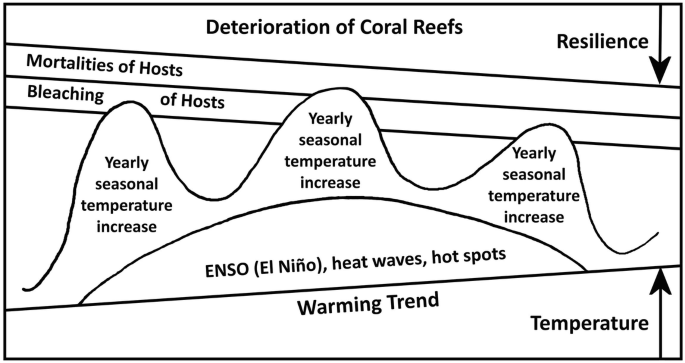
Consistent climate control is essential for wrasses. It supports their health and reduces stress.
Credit: link.springer.com
Frequently Asked Questions
What Temperature Range Can Wrasse Fish Tolerate?
Wrasse fish generally tolerate temperatures between 72°F and 78°F. Sudden changes can stress them, so stable conditions are best for their health.
How Does Heat Affect Wrasse Behavior?
Increased heat can cause wrasse to become more active or stressed. Prolonged high temperatures may reduce their appetite and immunity.
Can Wrasse Survive In Temperatures Above 80°f?
Wrasse may survive briefly above 80°F but prolonged exposure risks health issues. Keeping water within optimal ranges ensures their longevity.
What Signs Indicate Heat Stress In Wrasse?
Signs include lethargy, rapid breathing, and loss of color. Early detection helps prevent serious health problems from heat stress.
Conclusion
Wrasse fish need careful temperature care to stay healthy. Keep tank water steady and avoid sudden heat changes. Watch for signs of heat stress like unusual behavior or color change. Proper heat management helps wrasse live longer and stay active.
Small steps make a big difference for your fish’s comfort. Remember, stable water means happy wrasse. Simple care keeps your tank balanced and your fish thriving.