
Choosing the right fish for your aquarium can make all the difference in creating a beautiful, healthy underwater world. But have you ever wondered if mixing different species is the best idea?
If you want a tank where your fish thrive, stay colorful, and show their true behavior, a species-specific aquarium might be exactly what you need. You’ll discover which fish are perfect for keeping together and why focusing on just one species can transform your aquarium experience.
Ready to make your tank a stunning, peaceful haven? Let’s dive in!
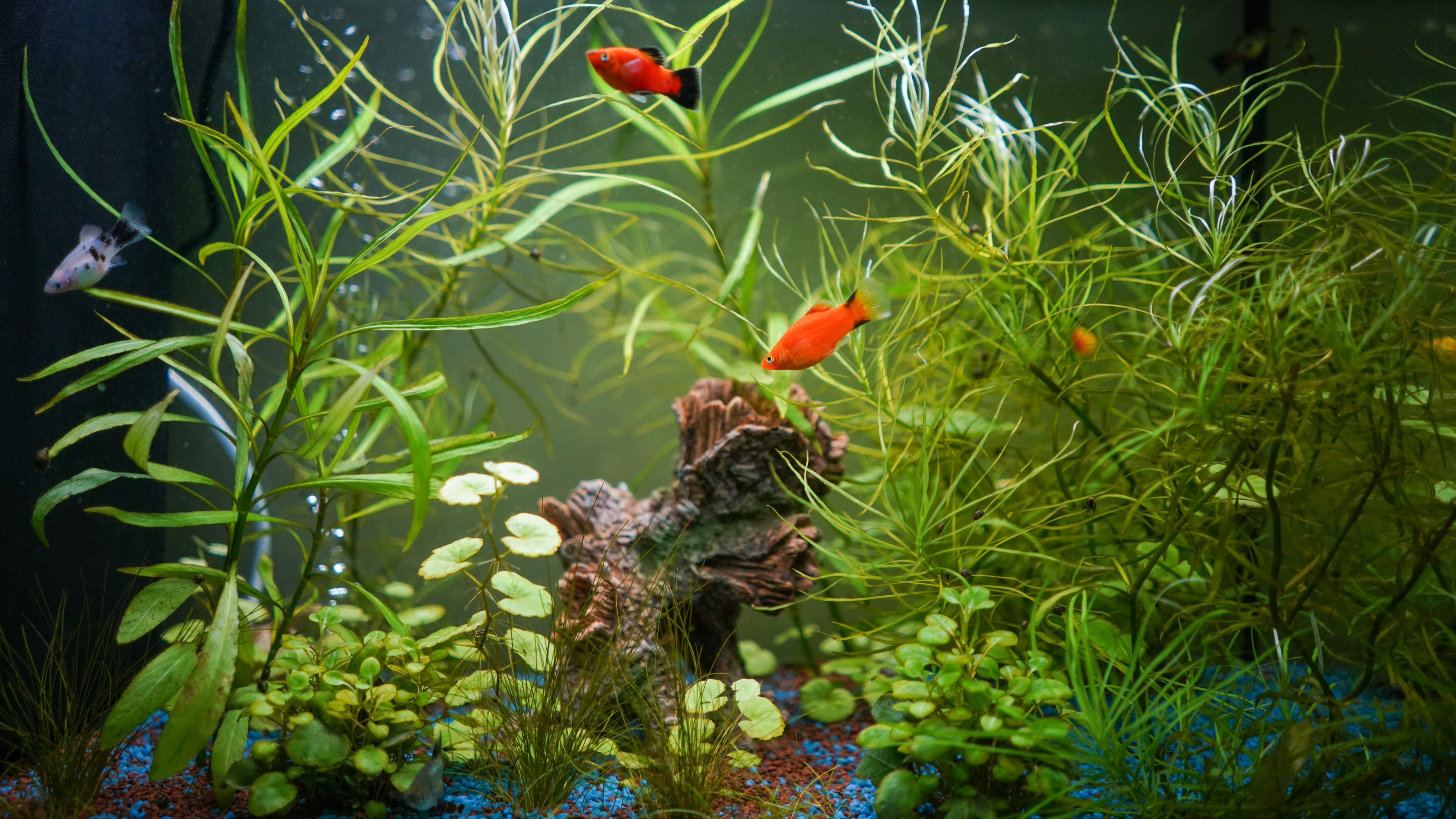
Credit: www.petsradar.com
Benefits Of Species-specific Aquariums
Keeping fish of the same species together creates a peaceful aquarium. It reduces stress and fights among fish.
Species-specific tanks also help maintain the right conditions for fish to thrive. They make care easier and more effective.
Enhanced Fish Compatibility
Fish of the same species share similar behavior and needs. This lowers aggression and territorial disputes.
- Fish school naturally with their own kind
- Less chasing and fighting in the tank
- Better social interaction among fish
- Reduced risk of injury or death
Simplified Care And Maintenance
Species-specific tanks allow focused care routines. Feeding and health checks become easier and more reliable.
| Care Aspect | Benefit |
| Feeding | Use one type of food suited for all fish |
| Cleaning | Know waste levels and water changes needed |
| Health Monitoring | Spot common diseases faster |
Optimized Habitat Conditions
Species-specific tanks support the ideal environment. Water temperature, pH, and decorations match fish needs.
- Correct water temperature for species survival
- Proper pH levels for healthy fish metabolism
- Habitat decorations that match natural homes
- Reduced stress by mimicking natural surroundings

Credit: www.completekoi.com
Popular Species For Single-species Tanks
Keeping a species-specific aquarium means focusing on one type of fish. This helps meet their unique needs. It also reduces stress and aggression.
Some fish species do best alone or with their own kind. Here are popular choices for single-species tanks.
Betta Fish
Betta fish are known for their bright colors and flowing fins. They are very territorial and do best alone. A single betta in a tank can live comfortably without fighting.
Discus Fish
Discus fish prefer warm, soft water and calm environments. They thrive in groups of their own species. Keeping just discus fish helps maintain water quality and reduces stress.
Cichlids
Cichlids are diverse and often aggressive. Many types do best in species-only tanks. These tanks help manage their territorial behavior.
- African Cichlids: Colorful and active, need rocky habitats.
- South American Cichlids: Prefer planted tanks with hiding spots.
- Mbuna Cichlids: Very territorial, best kept with same species.
Gouramis
| Gourami Species | Tank Size (Gallons) | Notes |
|---|---|---|
| Dwarf Gourami | 10+ | Peaceful, colorful, enjoy planted tanks |
| Honey Gourami | 10+ | Calm, social with own kind, shy |
| Blue Gourami | 20+ | Larger, can be territorial |
Gouramis are gentle fish that do well in groups of their own species. They like calm waters and plenty of plants.
Ideal Tank Setup For Single Species
Keeping a single fish species in an aquarium helps create a balanced environment. It allows you to focus on their specific needs and behaviors.
Setting up the right tank requires attention to size, water quality, and decorations. Each factor affects the health and happiness of your fish.
Tank Size And Space Requirements
Choose a tank size that fits your fish’s adult size and activity level. Small fish may need at least 10 gallons, while larger species require more space.
- Allow enough swimming space to reduce stress
- Avoid overcrowding to prevent aggression
- Consider the fish’s growth when selecting tank size
- Use a longer tank for active swimmers
Water Parameters And Filtration
Maintain stable water conditions suited for your species. Important factors include temperature, pH, and hardness.
| Parameter | Ideal Range |
| Temperature | 24-28°C (75-82°F) |
| pH | 6.5-7.5 |
| Hardness | 5-15 dGH |
| Filtration | Use a filter that matches tank size and bio-load |
Decor And Substrate Choices
Choose decorations that mimic the natural habitat of your fish. Use safe materials to avoid harming them.
Common decor and substrate options:
- Fine sand or smooth gravel substrate
- Live or artificial plants for hiding spots
- Rocks and driftwood for shelter and territory
- Open swimming areas without clutter
Behavior And Temperament Considerations
Choosing fish for a species-specific aquarium means understanding their behavior and temperament. This helps create a peaceful tank environment.
Each fish species has unique traits. Knowing these traits helps avoid conflicts and stress among fish.
Aggression Levels
Fish show different aggression levels. Some are calm and peaceful. Others can be very aggressive.
Aggressive fish can harm or stress peaceful species. It is best to keep aggressive fish separate.
- Peaceful fish: tetras, guppies, danios
- Moderate aggression: cichlids, gouramis
- Highly aggressive: bettas, certain cichlids
Territorial Needs
Many fish claim space as their territory. They defend it from others, especially during breeding.
Species with high territorial needs need enough space and hiding spots. This reduces fights and stress.
- Cichlids often need defined territories
- Betta fish guard their space fiercely
- Schooling fish usually have low territory needs
Social Behavior Patterns
Fish have different social behaviors. Some like to live in groups. Others prefer solitude.
Grouping fish need to be kept in schools to feel safe and healthy. Solitary fish can get stressed if crowded.
- Schooling fish: tetras, danios, rasboras
- Pair or small group fish: angelfish, gouramis
- Solitary fish: bettas, some cichlids
Feeding And Nutrition Tips
Keeping fish in a species-specific aquarium means feeding them the right food. Proper nutrition helps fish grow healthy and stay active.
Each fish species has different dietary needs. Knowing what and how to feed them is important for their well-being.
Species-specific Diets
Different fish eat different types of food. Some prefer flakes, others need pellets, and some eat live or frozen food.
Herbivores eat mostly plants and algae. Carnivores need protein-rich foods like insects or small fish. Omnivores eat both plants and animals.
- Herbivores: algae wafers, blanched vegetables
- Carnivores: bloodworms, brine shrimp, small fish
- Omnivores: mixed flakes, pellets, and occasional treats
Feeding Frequency
Feed your fish small amounts two to three times a day. Avoid overfeeding to keep the water clean.
Young fish usually need more frequent feeding. Adult fish can eat less often but in controlled portions.
- Juveniles: 3-4 small feedings daily
- Adults: 2-3 feedings daily
- Remove leftover food after feeding
Supplements And Treats
Supplements help provide vitamins and minerals missing from regular food. Use them sparingly to avoid health problems.
Treats like frozen or live food boost fish activity and add variety. Offer treats once or twice a week.
- Vitamin supplements for immune support
- Live food to encourage natural hunting behavior
- Frozen treats to add nutrition diversity
Common Challenges In Species Tanks
Keeping a species-specific aquarium can be rewarding but also tricky. Each fish species has unique needs. Meeting these needs helps fish stay healthy and happy.
Many challenges arise when you keep only one species. These include disease risks, stress, and breeding issues. Understanding these problems helps you create a better tank.
Disease Prevention
Disease can spread quickly in species tanks. Fish often live close together and share the same water. This makes infections easy to pass on.
Good water quality and regular cleaning reduce disease risks. Quarantining new fish before adding them helps keep the tank safe. Watch fish for signs of illness daily.
- Keep water clean and well-filtered
- Test water parameters often
- Remove sick fish quickly
- Use quarantine tanks for new arrivals
- Feed high-quality food to boost immunity
Stress Management
Fish stress easily in species tanks. Crowding or lack of hiding spots can cause stress. Stress weakens their immune system and causes illness.
Provide enough space and plants for hiding. Keep tank conditions stable with proper temperature and pH. Avoid sudden changes in light or water.
- Use decorations for shelter
- Keep stable water conditions
- Keep noise and vibrations low
- Feed fish on a regular schedule
- Limit tank overcrowding
Breeding Concerns
Breeding can be a challenge in species-specific tanks. Some fish need special conditions to spawn. Others may fight or eat their eggs.
Learn about your fish’s breeding habits. Set up separate breeding tanks if needed. Remove parents after spawning to protect the young.
- Research species-specific breeding needs
- Provide proper temperature and lighting
- Use breeding boxes or tanks
- Feed breeding pairs nutritious food
- Separate fry from adults
Examples Of Successful Species-specific Aquariums
Species-specific aquariums focus on keeping one type of fish. This helps fish live comfortably and behave naturally.
These tanks meet the special needs of each species. Many fishkeepers enjoy setting up these specialized tanks.
Single-species African Cichlid Tank
African cichlids come from lakes in Africa. They need rocky shelters and hard, alkaline water.
Keeping one species prevents fights and stress. It also helps maintain water quality for these active fish.
- Use rocks and caves for hiding spots
- Keep water pH between 7.8 and 8.6
- Provide plenty of swimming space
Betta-only Tank Setup
Bettas are colorful fish with long fins. They can be aggressive toward others of their kind.
A single betta tank keeps the fish calm and healthy. Soft plants and gentle lighting create a peaceful home.
- Use a tank of at least 5 gallons
- Add live plants for hiding places
- Keep water temperature between 76°F and 82°F
Discus Tank Environment
Discus fish are known for their bright colors and round shape. They need very clean, warm water.
Keeping a discus-only tank helps control water quality. Soft, acidic water and low light reduce stress for discus.
- Maintain water temperature around 82°F to 86°F
- Keep pH between 6.0 and 7.0
- Perform frequent water changes
- Use gentle filtration to avoid strong currents

Credit: blog.petloverscentre.com
Frequently Asked Questions
What Is A Species-specific Aquarium?
A species-specific aquarium houses only one fish species. It helps mimic natural conditions, reduces aggression, and enhances breeding success. This setup allows focused care tailored to the species’ unique needs, improving fish health and behavior.
Which Fish Thrive Best In Species-specific Tanks?
Fish like bettas, cichlids, and discus thrive in species-specific tanks. These species exhibit territorial behaviors needing isolated environments. Such tanks reduce stress and aggression, ensuring healthier, longer-living fish.
How Do Species-specific Aquariums Benefit Fish Health?
Species-specific aquariums reduce stress and disease risks by minimizing conflicts. Fish receive tailored care and diet. This controlled environment supports natural behaviors and breeding, promoting overall well-being.
Can Community Fish Be Kept In Species-specific Tanks?
Community fish are generally not suited for species-specific tanks. These tanks focus on one species to optimize conditions. Community setups require mixed species tanks designed for compatibility and diversity.
Conclusion
Choosing the right fish for a species-specific aquarium helps keep them happy. Fish with similar needs live well together in one tank. This reduces stress and fights over space or food. Clean water and proper care also keep fish healthy.
Remember to research each fish’s habits before buying. A peaceful tank means fish grow and swim freely. Enjoy watching your fish thrive in a calm, balanced home. Species-specific tanks offer a simple way to create harmony underwater.