Are you passionate about keeping your aquarium or garden water clean and healthy? You know that untreated water can harm your plants, fish, or even your equipment.
But where do you start? This Water Treatment Guide for Hobbyists is made just for you. It breaks down simple, effective ways to improve your water quality without confusion or extra hassle. By the end, you’ll feel confident in managing your water and protecting what you love most.
Ready to make your water work for you? Let’s dive in.
Choosing The Right Water Source
Water is key for any hobby that involves plants, fish, or other living things. Picking the right water source keeps your setup healthy. You need clean and safe water for good results.
Different water sources have different qualities. You should learn about each type before you start. This guide helps you choose the best water for your hobby.
Tap Water Considerations
Tap water is easy to get and usually safe to use. It may contain chemicals like chlorine or chloramine. These chemicals can harm fish and plants. Testing your tap water helps you know what is inside.
- Check if your water has chlorine or chloramine
- Use a water conditioner to remove harmful chemicals
- Test pH and hardness levels regularly
- Let water sit for 24 hours before use if unsure
Using Well Water
Well water comes from underground sources. It may have minerals and bacteria. Testing well water is important. You must check for nitrates, iron, and harmful bacteria.
| Test | Reason | Safe Level |
| Nitrates | Too high can harm fish | Below 20 ppm |
| Iron | Can cause staining and bad taste | Below 0.3 ppm |
| Bacteria | Can cause disease | None detected |
Treat well water if tests show problems. Use filters or UV light to improve quality. Well water often needs less treatment than tap water.
Rainwater Collection
Rainwater is soft and free from many chemicals. It is good for plants and some fish. Collect rainwater carefully to avoid dirt and bugs.
- Use a clean container for collection
- Filter water before use
- Store in a cool, shaded place
- Test for pH and contaminants regularly
Credit: jungleaquatics.com
Basic Water Testing Techniques
Testing water is important for hobbyists to keep their systems healthy. Simple tests help find problems early. You can do these tests at home with basic tools.
Knowing how to check water quality helps protect plants, fish, and equipment. This guide covers easy methods to test water.
Measuring Ph Levels
pH shows how acidic or alkaline water is. It affects fish health and plant growth. Use pH test strips or digital meters to measure it.
Test water regularly to keep pH in the right range. Most hobbyists keep pH between 6.5 and 7.5.
Checking Hardness And Alkalinity
Hardness means how many minerals like calcium and magnesium are in water. Alkalinity shows water’s ability to neutralize acid. Both affect water stability.
- Use test kits to measure general hardness (GH).
- Test carbonate hardness (KH) to check alkalinity.
- Keep hardness levels stable to avoid stress on aquatic life.
- Adjust hardness with additives if needed.
Detecting Contaminants
Contaminants can harm your hobby system. Test for chlorine, ammonia, nitrites, and nitrates. These come from tap water or waste buildup.
| Contaminant | Why Test? | Safe Level |
| Chlorine | Harms fish and plants | 0 ppm |
| Ammonia | Toxic to aquatic life | 0 ppm |
| Nitrites | Stressful and toxic | 0 ppm |
| Nitrates | High levels hurt fish | Below 40 ppm |
Common Water Treatment Methods
Water treatment is important for hobbyists who want clean and safe water. Different methods help remove dirt, germs, and chemicals.
This guide covers three common ways to treat water: filtration, chemical treatments, and UV sterilization.
Filtration Options
Filtration removes particles and impurities by passing water through filters. Filters vary by material and size.
- Sand filters trap large particles.
- Activated carbon filters absorb chemicals and odors.
- Ceramic filters block bacteria and sediments.
- Reverse osmosis filters remove very small contaminants.
Chemical Treatments
Chemical treatments kill harmful organisms and improve water safety. Common chemicals include chlorine and iodine.
| Chemical | Use | Notes |
| Chlorine | Kills bacteria and viruses | Use in small doses, let water sit before use |
| Iodine | Disinfects water | May affect taste, not for long-term use |
| Hydrogen Peroxide | Removes organic contaminants | Less common for hobbyists |
Uv Sterilization
UV sterilization uses ultraviolet light to kill bacteria and viruses. It does not change water taste or smell.
Benefits of UV Sterilization:
- Fast and chemical-free
- Effective against many pathogens
- Easy to maintain and use
Diy Water Treatment Solutions
Water treatment is important for hobbyists who want clean water. Simple methods can remove dirt and germs. You can make your own water filters at home.
Using natural materials helps keep water safe. These easy solutions save money and work well for small projects.
Homemade Filters
Homemade filters use layers of natural materials to clean water. You can use sand, gravel, and cloth to build one. The water passes through these layers and gets cleaner.
- Use a clean plastic bottle as the filter container.
- Put a layer of fine cloth at the bottom to hold materials.
- Add activated charcoal to remove smells and chemicals.
- Cover charcoal with fine sand to trap small particles.
- Top with gravel or small stones to catch larger dirt.
- Pour water slowly and collect filtered water below.
Natural Purifiers
Certain plants and natural items can purify water. These help kill bacteria and improve taste. Using them is simple and eco-friendly.
| Natural Purifier | How It Works | Usage Tip |
| Moringa Seeds | Bind dirt and bacteria | Crush and stir in water |
| Neem Leaves | Kill germs and bacteria | Boil leaves and cool water |
| Sunlight (Solar Disinfection) | UV rays kill germs | Expose clear bottles in sunlight 6 hours |
| Turmeric | Natural antiseptic | Add small amount to water |
Activated Carbon Uses
Activated carbon removes impurities and bad smells from water. It works by trapping chemicals on its surface. It is a key part of many water filters.
Common uses of activated carbon in water treatment:
- Removing chlorine taste and odor
- Filtering organic chemicals
- Improving water clarity
- Reducing some heavy metals
- Enhancing overall water quality
Maintaining Water Quality
Good water quality is key for healthy aquatic life in your hobby tank. Clear, clean water helps fish and plants thrive.
Regular care keeps your water safe and balanced. Learn how to test, clean, and prevent problems.
Regular Testing Schedules
Test your water often to catch issues early. Check pH, ammonia, nitrite, and nitrate levels.
- Test water once a week using a reliable kit.
- Record results to track changes over time.
- Adjust water conditions if tests show problems.
- Test more often after adding new fish or plants.
Cleaning And Maintenance Tips
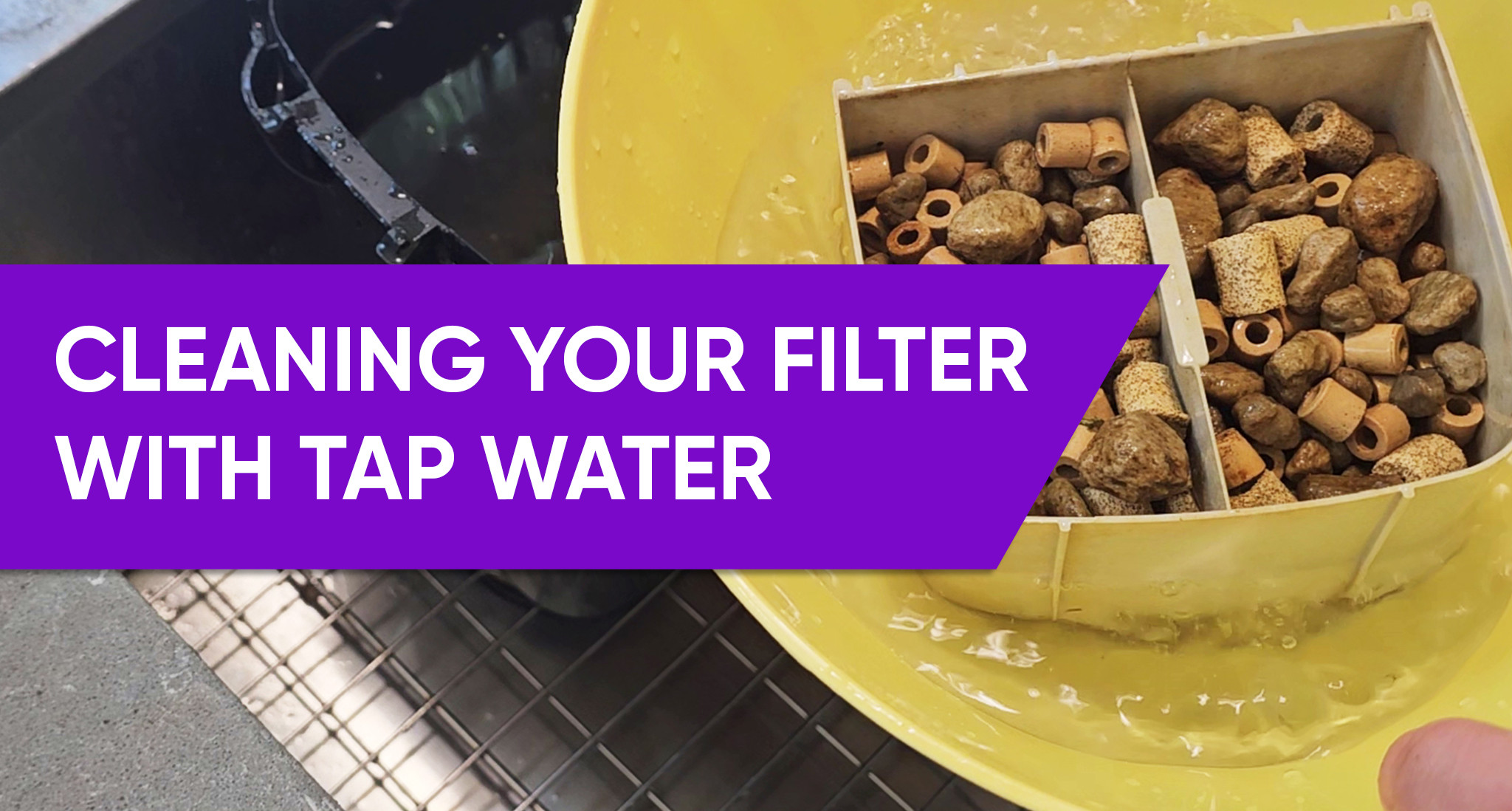
Keep your tank and equipment clean to avoid buildup. Regular cleaning removes waste and debris.
| Task | Frequency |
| Partial water change | Weekly |
| Clean filter media | Monthly |
| Scrub tank walls | Biweekly |
| Check equipment | Weekly |
Preventing Algae And Bacteria
Control algae and bacteria growth to keep water clear. Avoid excess light and feed fish properly.
- Limit tank light to 8-10 hours daily.
- Do not overfeed your fish; remove leftover food.
- Use live plants to compete with algae for nutrients.
- Maintain good water flow with filters and pumps.
- Remove visible algae during cleaning sessions.
Safety Tips For Handling Chemicals
Handling chemicals in water treatment requires care. Safety is important for hobbyists.
Learn about proper storage, dosage, and emergency steps to stay safe.
Proper Storage
Store chemicals in a cool, dry place. Keep them away from children and pets.
Label all containers clearly. This helps prevent accidents and misuse.
- Use original containers
- Secure lids tightly
- Avoid direct sunlight
Dosage Guidelines
Follow the instructions on the label. Measure chemicals carefully for accurate dosage.
Using the right amount keeps your water safe and healthy for all aquatic life.
- Use measuring tools
- Check expiration dates
- Record dosages in a log
Emergency Procedures
Know what to do if there is a spill or contact with skin. Have emergency numbers ready.
First aid kits should be accessible. This ensures quick response to accidents.
- Wear protective gear
- Rinse skin with water immediately if exposed
- Contact emergency services if necessary
Adapting Treatment For Different Hobbies
Understanding water treatment is essential for many hobbies. Each hobby has unique needs for water care.
This guide provides insights into adapting water treatment for various activities. It covers aquariums, gardening, hydroponics, and model water features.
Aquarium Water Care
Fish and plants in aquariums need clean water to thrive. Regular water changes and testing are crucial.
- Test water for pH, ammonia, and nitrate levels weekly.
- Change 10-15% of the water every week.
- Use a water conditioner to remove chlorine.
Gardening And Hydroponics
Plants in soil or hydroponic systems need different water treatments. Nutrient balance is vital for healthy growth.
| Water Quality | Hydroponics | Soil Gardening |
| pH Level | 5.5 – 6.5 | 6.0 – 7.0 |
| Nutrient Solution | Required | Optional |
Model Water Features
Water features like ponds or fountains add beauty to gardens. Keeping water clear and algae-free enhances their charm.
Use a pond filter to keep water clean. Consider adding aquatic plants to control algae naturally.
Credit: www.aquascapeguide.com

Credit: www.youtube.com
Frequently Asked Questions
What Is The Best Water Treatment For Hobbyists?
The best water treatment depends on your hobby’s needs. Common methods include filtration, UV sterilization, and chemical conditioners. Choose based on water quality and organism sensitivity for optimal results.
How Often Should Hobbyists Treat Their Water?
Water treatment frequency varies by hobby and water source. Generally, treat water before each use and perform regular maintenance weekly. This ensures safe, clean water for plants, fish, or other hobbies.
Can Untreated Water Harm My Hobby Setup?
Yes, untreated water can introduce harmful bacteria, chemicals, or parasites. This can damage plants, fish, or equipment. Proper treatment protects your hobby and ensures healthy growth and longevity.
What Chemicals Are Safe For Water Treatment In Hobbies?
Safe chemicals include dechlorinators, pH adjusters, and beneficial bacteria additives. Avoid harsh chemicals that may harm organisms. Always follow product guidelines for effective and safe water treatment.
Conclusion
Clean water helps your hobby thrive and stay healthy. Treating water is simple with the right steps. Test your water often to know what it needs. Use proper filters and chemicals carefully. Safe water protects fish, plants, and equipment. Keep learning and adjusting your methods.
Enjoy your hobby with clear, fresh water every time. Small efforts bring big results in water care. Stay patient and watch your hobby grow strong.