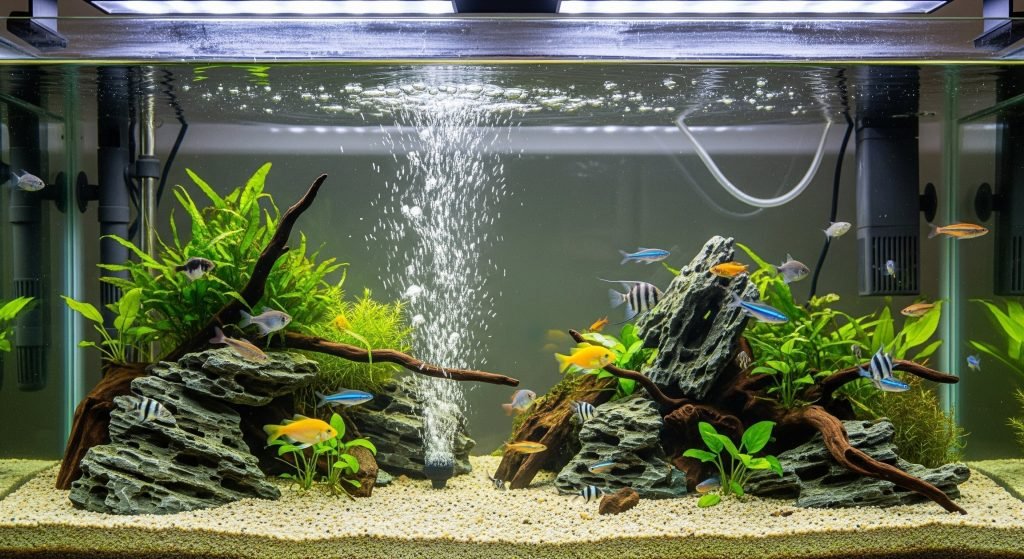
Keeping your tropical freshwater tank healthy and vibrant starts with one crucial step: proper water treatment. If you want your fish to thrive and your plants to flourish, you need to understand how to maintain clean, balanced water.
Imagine avoiding common problems like cloudy water, algae blooms, or sick fish—all by mastering a few simple water treatment techniques. You’ll discover easy, effective ways to keep your tank water pure and safe. Ready to make your tropical freshwater tank a stunning underwater paradise?
Let’s dive in and transform your aquarium care for good.

Credit: www.amazon.com
Choosing The Right Water Source
Water quality is key for tropical freshwater tanks. The right water source helps fish stay healthy and plants grow well.
Picking between tap water and natural sources depends on many factors. Testing water quality is important before use.
Tap Water Vs. Natural Sources
Tap water is easy to get and usually treated. It may contain chemicals like chlorine or chloramine.
- Tap water is consistent but may need treatment to remove harmful chemicals.
- Natural water sources include rainwater, rivers, and springs.
- Natural water may have fewer chemicals but can carry bacteria or pollutants.
- Natural water quality varies by location and season.
Testing Water Quality
Testing water helps ensure it is safe for your tank. Tests check pH, hardness, and toxins.
| Test | What It Checks | Safe Range |
| pH | Acidity or alkalinity | 6.5 to 7.5 |
| Hardness | Mineral content | 5 to 15 dGH |
| Chlorine | Water disinfectant | 0 ppm |
| Ammonia | Toxic waste | 0 ppm |
| Nitrite | Toxic compound | 0 ppm |
Credit: pethelpful.com
Essential Filtration Methods
Maintaining clean water is key for tropical freshwater tanks. Filtration helps remove waste and keeps fish healthy.
This guide explains three main filtration methods. Each method plays a unique role in water treatment.
Mechanical Filtration Basics
Mechanical filtration removes solid particles from the water. It traps debris like uneaten food and fish waste.
- Uses sponges, pads, or filter floss
- Prevents water cloudiness
- Keeps tank water clear
- Needs regular cleaning to stay effective
Biological Filtration Benefits
Biological filtration uses good bacteria to break down harmful substances. These bacteria turn waste into less toxic compounds.
| Filter Type | Main Function | Maintenance |
| Bio Balls | Houses bacteria | Rinse monthly with tank water |
| Ceramic Rings | Large surface area for bacteria | Clean gently to protect bacteria |
| Sponge Filters | Biological and mechanical filtering | Rinse regularly but keep bacteria alive |
Chemical Filtration Options
Chemical filtration removes dissolved wastes and odors. It uses special media that absorb toxins from the water.
Common chemical media include:
- Activated carbon to remove odors and discoloration
- Zeolite to absorb ammonia
- Phosphate removers to control algae growth
Replace chemical media often to keep water quality high.
Balancing Water Parameters
Keeping water parameters balanced is key for tropical freshwater tanks. Fish and plants thrive when conditions are right. Water temperature, pH, hardness, and alkalinity all matter.
Regular checks help maintain a healthy environment. Adjustments should be gentle to avoid stress on aquatic life.
Ideal Temperature Range
Tropical freshwater fish need stable temperatures. Most species do well between 74°F and 82°F (23°C to 28°C). Sudden changes can cause illness or death.
- Use a reliable aquarium heater to keep temperature steady.
- Place the tank away from windows or vents to avoid drafts.
- Check temperature daily with a thermometer.
Maintaining Ph Levels
The pH level shows how acidic or basic the water is. Most tropical fish prefer pH between 6.5 and 7.5. Different species may need specific pH ranges.
| Fish Type | Preferred pH Range |
| Neon Tetra | 6.0 – 7.0 |
| Guppy | 7.0 – 8.0 |
| Angelfish | 6.8 – 7.8 |
| Betta | 6.5 – 7.5 |
Test pH regularly using a test kit. Avoid large swings by changing water slowly and using pH adjusters carefully.
Controlling Hardness And Alkalinity
Hardness and alkalinity affect water chemistry and fish health. Hardness is the amount of minerals like calcium and magnesium. Alkalinity is water’s ability to resist pH change.
- Soft water suits fish from rainforests or soft streams.
- Hard water fits fish from rocky or mineral-rich areas.
- Keep alkalinity stable to prevent sudden pH shifts.
- Use test kits to monitor and adjust hardness and alkalinity.
Dechlorination And Detoxification
Maintaining clean water is key for tropical freshwater tanks. Removing harmful chemicals helps fish stay healthy. Two main concerns are chlorine and heavy metals.
Using proper treatment protects your tank’s environment. It ensures water stays safe for aquatic life.
Removing Chlorine And Chloramine
Chlorine and chloramine are added to tap water to kill germs. These chemicals can harm fish and plants. Removing them before adding water is important.
- Use water conditioners that neutralize chlorine and chloramine.
- Let water sit for 24 hours to allow chlorine to evaporate (not effective for chloramine).
- Test water regularly to check for these chemicals.
- Follow product instructions carefully for best results.
Handling Heavy Metals
Heavy metals like copper, lead, and zinc can enter water from pipes and equipment. These metals are toxic to fish at low levels.
| Heavy Metal | Common Source | Effect on Fish | Detoxification Method |
| Copper | Plumbing, algaecides | Damages gills and organs | Use chelators or water conditioners |
| Lead | Old pipes, solder | Weakens fish immune system | Water changes and filtration |
| Zinc | Galvanized metal parts | Causes stress and illness | Activated carbon filters |
Regular Maintenance Practices
Keeping tropical freshwater tanks healthy means doing regular maintenance. Clean water supports fish and plants well. This guide covers key maintenance tasks.
Follow simple routines to keep your tank water clear and safe. Consistent care prevents problems and creates a balanced environment.
Water Change Schedules
Change water regularly to remove waste and toxins. The schedule depends on tank size, fish count, and filtration. Small tanks need more frequent changes.
- Change 10-20% of water weekly for small tanks.
- For larger tanks, change 20-30% every two weeks.
- Adjust changes if water tests show poor quality.
- Use dechlorinated water at the same temperature.
- Remove debris with a siphon during changes.
Cleaning Techniques
Cleaning removes algae, dirt, and waste buildup. Use gentle methods to protect fish and plants. Avoid harsh chemicals.
| Cleaning Task | Method | Frequency |
|---|---|---|
| Glass walls | Use algae scraper or magnetic cleaner | Weekly |
| Gravel substrate | Vacuum with siphon during water changes | Every 1-2 weeks |
| Filter media | Rinse in tank water, avoid tap water | Monthly |
| Decorations | Scrub gently with soft brush if needed | Monthly or as needed |
Monitoring Water Quality
Regular testing helps spot problems early. Check key parameters to keep water healthy for fish and plants.
- Test pH to keep it stable, usually 6.5 to 7.5.
- Check ammonia and nitrite levels; both should be zero.
- Measure nitrate; keep below 40 ppm.
- Monitor temperature for tropical species, usually 75-80°F.
- Use test kits weekly or biweekly.
Preventing Common Water Issues
Maintaining a tropical freshwater tank requires attention to water quality. Problems like algae, nitrates, and diseases can harm fish.
Preventing these issues ensures a healthy environment. Here are strategies for common water problems.
Algae Control Strategies
Algae can quickly overrun a tank. To control algae, limit light exposure and clean your tank regularly.
- Reduce lighting to 8 hours per day
- Use algae-eating fish like Siamese algae eaters
- Clean glass and decorations weekly
Managing Nitrate And Ammonia Levels
High nitrate and ammonia levels can be toxic to fish. Regular water changes help maintain safe levels.
| Action | Frequency |
| Water change | Weekly |
| Test water | Bi-weekly |
| Check filter | Monthly |
Avoiding Waterborne Diseases
Diseases can spread fast in tanks. Quarantine new fish and avoid overfeeding to prevent illness.
Ensure your tank has proper filtration and avoid overcrowding to keep fish healthy.
Special Considerations For Tropical Species
Tropical freshwater tanks need special care. The environment must mimic natural habitats. Water quality is very important for tropical species.
Many tropical fish and plants are sensitive. They need specific conditions to thrive. Regular monitoring is key to maintaining a healthy tank.
Sensitive Fish And Plants
Some tropical fish are very sensitive to water changes. Even small shifts in pH levels can stress them. It’s important to test water regularly.
Plants also need stable conditions. They prefer consistent light and nutrients. Sudden changes can harm their growth.
- Test water weekly for pH and ammonia
- Use stable light sources for plants
- Maintain a regular feeding schedule
Adapting To Seasonal Changes
Seasonal changes can affect tank conditions. Temperature and light vary with seasons. Fish and plants may react to these changes.
Adjust heaters and lights to keep conditions stable. This helps prevent stress in fish and promotes healthy plant growth.
| Season | Action |
| Winter | Increase heater settings |
| Summer | Ensure good ventilation |
| Spring/Fall | Monitor light duration |

Credit: m.youtube.com
Frequently Asked Questions
What Is The Best Water Treatment For Tropical Freshwater Tanks?
The best treatment involves using water conditioners that remove chlorine and chloramine. Regular partial water changes keep water clean. Beneficial bacteria supplements help maintain biological balance. Testing water parameters ensures safe, stable tank conditions for tropical fish health.
How Often Should I Treat Water In Freshwater Tanks?
Treat water during every water change, typically every 1-2 weeks. Consistent treatment removes harmful chemicals and replenishes essential minerals. Regular monitoring and treatment prevent toxic buildup and promote a healthy environment for tropical freshwater fish.
Why Is Dechlorination Important In Tropical Tanks?
Dechlorination removes chlorine and chloramine from tap water. These chemicals harm fish and beneficial bacteria. Using dechlorinators ensures safe water conditions. It protects fish health and maintains the tank’s biological filter efficiency.
Can I Use Tap Water Directly In Tropical Tanks?
Tap water must be treated before use. It often contains chlorine, chloramine, and heavy metals harmful to fish. Treating tap water with conditioners and testing parameters ensures a safe habitat for tropical freshwater species.
Conclusion
Proper water treatment keeps tropical freshwater tanks healthy and clear. Clean water helps fish stay strong and alive. Testing water regularly catches problems early. Using the right filters and conditioners makes a big difference. Simple care steps prevent many common issues.
A well-maintained tank creates a happy home for your fish. Keep water quality high to enjoy a beautiful aquarium. Small efforts lead to great results. Remember, clean water means healthy fish and a thriving tank.