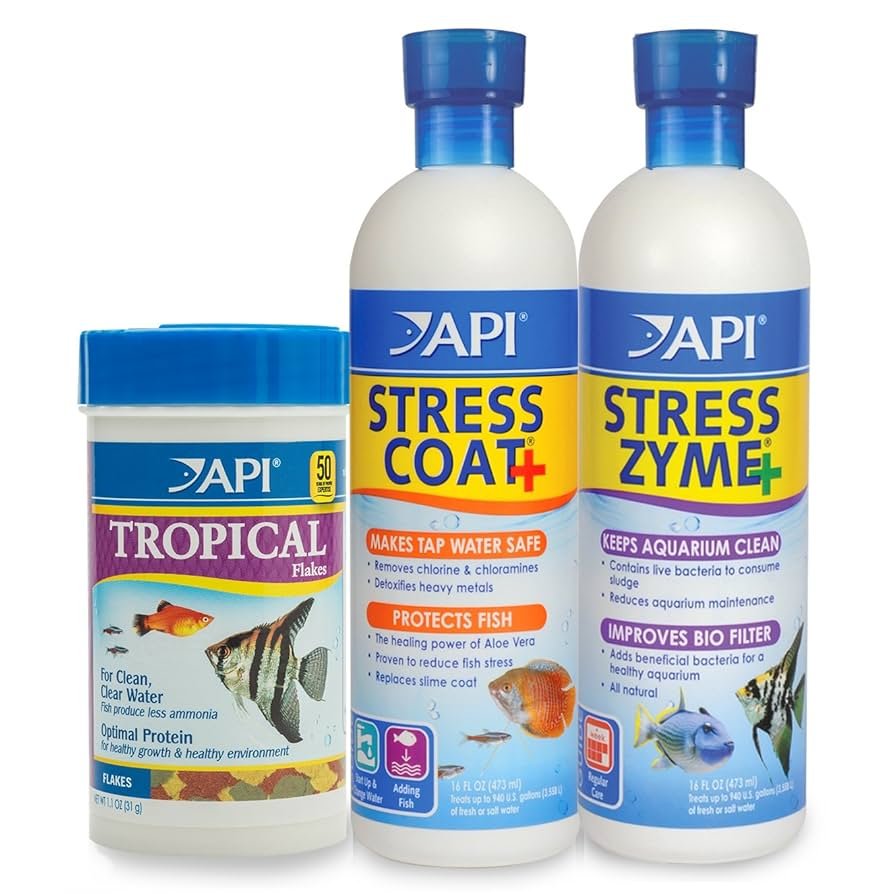
If you want your tropical fish to thrive, clean and safe water is the key. Without proper water treatment, your fish can get sick or stressed, no matter how much you care for them.
You might think changing the water is enough, but there’s more to it than that. You’ll discover simple steps to treat your aquarium water, keeping your fish healthy and vibrant. Ready to make your tank a perfect home for your tropical friends?
Let’s dive in and explore how water treatment can transform your aquarium care.

Credit: www.amazon.com
Choosing The Right Water
Water quality is very important for tropical fish health. Choosing the right water helps keep fish safe and happy.
Many fish owners wonder which water to use. This guide explains options and what to watch for.
Tap Water Vs. Filtered Water
Tap water is easy to get but may contain chemicals. Filtered water removes many unwanted substances.
- Tap water may have chlorine or chloramine
- Filtered water often uses charcoal or carbon filters
- Filtered water can reduce heavy metals and odors
- Both types need testing before use
Using Ro And Di Water
RO (Reverse Osmosis) and DI (Deionized) water are very pure. They remove almost all minerals and chemicals.
This water is best for sensitive fish but lacks natural minerals. You must add minerals back to balance it.
| Type of Water | Pros | Cons |
| RO Water | Very pure, removes toxins | No minerals, costly setup |
| DI Water | Removes ions and chemicals | Needs remineralization |
| Tap Water | Easy to access | May have chlorine, metals |
| Filtered Water | Improves taste and clarity | Filter replacement needed |
Water Parameters To Monitor
Check water parameters often to keep fish healthy. Some numbers show if water is safe.
- pH: Shows how acidic or basic water is
- Ammonia: Should be zero, toxic to fish
- Nitrite: Also toxic, must be zero
- Nitrate: Keep low with water changes
- Hardness (GH): Measures minerals like calcium
- Alkalinity (KH): Buffers pH changes

Credit: www.amazon.com
Water Conditioning Basics
Keeping tropical fish healthy starts with clean water. Water conditioning means making water safe and balanced for fish.
Proper conditioning removes harmful chemicals and adjusts water properties. This helps fish live longer and stay active.
Removing Chlorine And Chloramine
Tap water often has chlorine or chloramine. Both chemicals kill harmful germs but are toxic to fish. You must remove them before adding water to the tank.
- Use a water conditioner designed to neutralize chlorine and chloramine.
- Let water sit for 24 hours to allow chlorine to evaporate (not effective for chloramine).
- Test water to ensure no chlorine or chloramine remains.
Balancing Ph Levels
The pH level shows how acidic or basic water is. Tropical fish need specific pH levels to thrive. Too low or too high pH can stress or harm fish.
| Fish Type | Ideal pH Range |
| Discus | 6.0 – 7.0 |
| Angelfish | 6.5 – 7.5 |
| Guppies | 7.0 – 8.0 |
| Neon Tetras | 6.0 – 7.0 |
Adjust pH with commercial pH up or down products. Test water often to keep pH stable.
Adjusting Hardness For Tropical Fish
Water hardness means how much calcium and magnesium it contains. Different fish prefer soft or hard water. Adjusting hardness helps fish grow strong and stay healthy.
- Use crushed coral or limestone to raise hardness and pH.
- Add peat moss or driftwood to lower hardness and soften water.
- Measure water hardness with a test kit regularly.
Filtration Methods
Water treatment is important for keeping tropical fish healthy. Filtration removes waste and harmful substances.
There are different ways to filter aquarium water. Each method helps keep water clean in its own way.
Mechanical Filtration Techniques
Mechanical filtration traps particles and debris from the water. It uses physical materials like sponges or pads.
- Filter pads catch uneaten food and fish waste
- Sponge filters provide surface area for trapping dirt
- Floss and foam blocks help keep water clear
- Regular cleaning of mechanical filters stops blockages
Biological Filtration Benefits
Biological filtration uses good bacteria to break down fish waste. This process changes harmful chemicals into safe ones.
| Benefit | Explanation |
| Ammonia removal | Bacteria convert toxic ammonia to nitrites |
| Nitrite removal | Other bacteria change nitrites to less harmful nitrates |
| Water balance | Keeps water chemistry stable for fish health |
| Natural process | Works without chemicals or additives |
Chemical Filtration Options
Chemical filtration removes dissolved impurities from water. It uses substances that absorb or neutralize chemicals.
- Activated carbon removes odors and discoloration
- Zeolite absorbs ammonia in new tanks
- Resins target specific pollutants like heavy metals
- Chemical media must be replaced often for best results

Credit: www.amazon.com
Regular Maintenance Routines
Keeping tropical fish healthy needs regular care. Water treatment is key to this care. Clean water helps fish live longer and stay active.
Following a routine for water changes, tank cleaning, and water testing keeps the aquarium balanced. These actions remove waste and harmful chemicals.
Water Change Schedules
Changing water regularly keeps the fish environment safe. The schedule depends on tank size and fish count. More fish means more frequent changes.
- Change 10-20% of the water weekly in small tanks.
- For larger tanks, change 20-30% every two weeks.
- Remove uneaten food and debris before water changes.
- Use a water conditioner to treat tap water.
Cleaning The Tank And Equipment
Cleaning removes algae and waste build-up. Do not clean everything at once to keep good bacteria. Use soft tools to avoid scratching glass.
| Item | Cleaning Frequency | Notes |
|---|---|---|
| Glass Walls | Weekly | Use algae scraper or sponge |
| Filter | Monthly | Rinse with tank water only |
| Decorations | Monthly | Soak in warm water, no soap |
| Gravel | Weekly | Vacuum during water changes |
Testing Water Quality
Test water often to catch problems early. Check pH, ammonia, nitrite, and nitrate levels. Keep chemicals in safe ranges for tropical fish.
- Use test kits designed for aquariums.
- Test water before and after changes.
- Record results to track trends over time.
- Adjust care if levels go outside safe zones.
Dealing With Common Water Issues
Water quality is very important for tropical fish health. Many water problems can harm fish if not fixed quickly.
Knowing how to handle common water issues keeps your fish safe and the tank clean.
Algae Control Strategies
Algae can grow fast in tropical fish tanks. Too much algae makes water green and can hurt fish.
Control algae by limiting light and feeding fish the right amount.
- Use a timer to limit tank light to 8-10 hours daily
- Feed fish only what they eat in 2 minutes
- Add algae-eating fish or snails
- Clean tank walls regularly with an algae scraper
- Change 10-20% of water weekly to reduce nutrients
Managing Ammonia And Nitrite Spikes
Ammonia and nitrite are toxic chemicals that can rise in fish tanks. They come from fish waste and uneaten food.
Keep these levels low by testing water often and doing water changes.
- Test water weekly with an aquarium test kit
- Do partial water changes of 25% if levels rise
- Do not overfeed fish to reduce waste
- Use a good filter to remove waste
- Allow beneficial bacteria to grow for natural toxin removal
Preventing Cloudy Water
Cloudy water looks dirty and can stress fish. It is caused by bacteria or particles in the water.
Fix cloudy water by keeping the tank clean and balanced.
- Do regular water changes to remove waste
- Clean the filter monthly but keep beneficial bacteria
- Do not overfeed to avoid leftover food
- Use a water clarifier if needed for quick clearing
- Check that tank is not overcrowded with fish
Enhancing Water Quality Naturally
Tropical fish need clean water to stay healthy. Enhancing water quality naturally is better for fish and the environment.
Using natural methods can reduce chemicals in the tank. It also creates a more balanced ecosystem for fish.
Using Live Plants
Live plants help improve water quality. They absorb harmful substances and produce oxygen.
Plants like Java fern and Anubias are great choices. They are easy to care for and improve tank conditions.
- Plants absorb nitrates
- They provide oxygen for fish
- Live plants reduce algae growth
Beneficial Bacteria Boosters
Beneficial bacteria break down waste in the tank. They convert harmful ammonia into less harmful nitrates.
Boosters can be added to encourage bacteria growth. This helps maintain a healthy environment for fish.
- Bacteria boosters speed up the nitrogen cycle
- They reduce toxic ammonia levels
- Boosters help stabilize water conditions
Natural Water Conditioners
Natural water conditioners remove harmful substances. They make tap water safe for fish.
Conditioners neutralize chlorine and chloramines. They also add essential minerals for fish health.
- Conditioners remove chlorine and heavy metals
- They add beneficial minerals
- Natural options are safer for fish
Frequently Asked Questions
What Is The Best Water Treatment For Tropical Fish?
The best water treatment removes chlorine, chloramine, and heavy metals. Use a quality water conditioner to make tap water safe. This helps maintain healthy fish and prevents stress or illness in tropical fish tanks.
How Often Should I Treat Water For Tropical Fish?
Treat new water every time you do a partial water change. Typically, treat 10-20% of the tank water weekly. Consistent treatment ensures harmful chemicals are neutralized, keeping fish healthy and the tank environment stable.
Can Untreated Tap Water Harm Tropical Fish?
Yes, untreated tap water often contains chlorine and chloramine. These chemicals can harm fish gills and skin. Always use a water conditioner to detoxify tap water before adding it to your aquarium.
Why Is Dechlorination Important For Tropical Fish Tanks?
Dechlorination removes chlorine and chloramine from tap water. These chemicals are toxic to tropical fish. Proper dechlorination prevents respiratory issues and promotes a safe, healthy aquatic environment.
Conclusion
Treating water properly keeps tropical fish healthy and happy. Clean water helps fish grow and stay strong. Use safe chemicals and test water often. Change water regularly to avoid harmful buildup. Simple steps can prevent diseases and stress. Healthy fish need good water every day.
Small efforts make a big difference in fish care. Keep water clear for a beautiful aquarium. Your fish will thrive with proper water treatment.