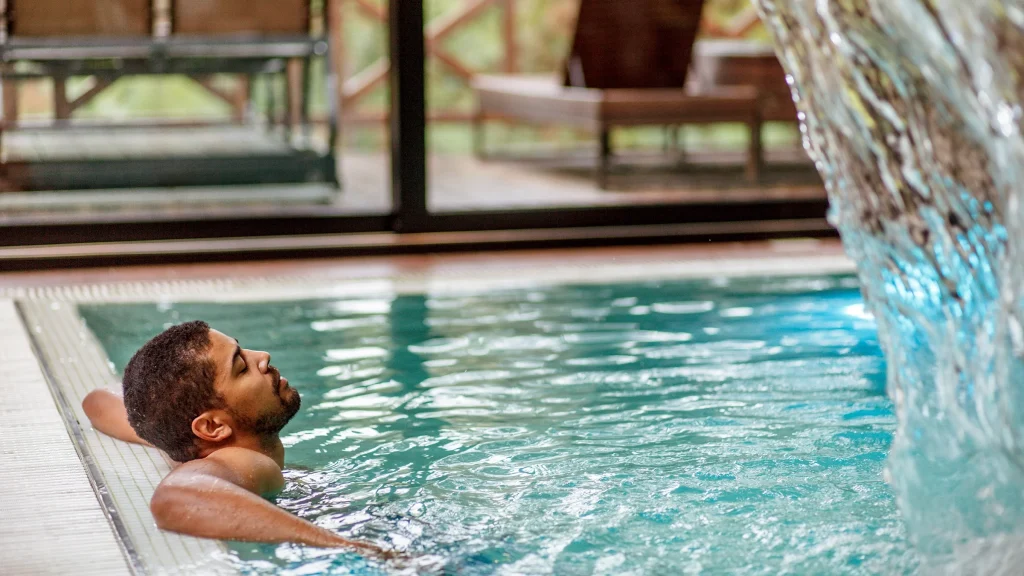
Feeling stressed? What if the solution is simpler than you think—right in your water?
Water treatment for stress relief might sound unusual, but it could be the key to helping you feel calmer and more balanced every day. Imagine turning your everyday water into a source of relaxation and peace. If you’re looking for easy ways to reduce stress without adding more to your plate, keep reading.
This article will show you how treating your water can make a real difference in your well-being.
Credit: www.bswhealth.com
Benefits Of Water Therapy
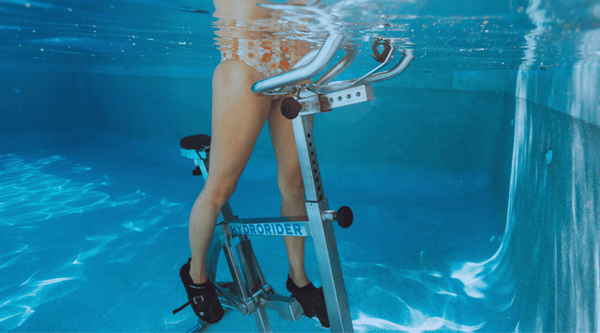
Water therapy uses water to help reduce stress and improve well-being. It can be done through baths, showers, or swimming.
This therapy offers many benefits for both the body and mind. It helps people feel calm and refreshed.
Physical Relaxation
Water therapy helps muscles relax and reduces tension. Warm water soothes sore areas and eases body pain.
The gentle pressure of water can improve blood flow. This helps the body heal and feel less tired.
- Relieves muscle stiffness
- Reduces joint pain
- Improves blood circulation
Mental Clarity
Water therapy calms the mind and lowers stress levels. The quiet time in water helps clear thoughts.
Being in water encourages deep breathing. This can improve focus and reduce feelings of anxiety.
- Reduces stress hormones
- Enhances focus and calmness
- Promotes mindful breathing
Improved Sleep
Water therapy helps the body relax before bedtime. Warm baths can lower heart rate and prepare you to sleep.
Regular water therapy can improve sleep quality. It helps reduce restlessness and makes falling asleep easier.
- Calms the nervous system
- Promotes deeper sleep
- Reduces insomnia symptoms
Types Of Water Treatments
Water treatments use water in different forms to help reduce stress. They can relax your muscles and calm your mind. Many people find these treatments soothing and refreshing.
Here are some common types of water treatments that help with stress relief. Each uses water in unique ways to support your well-being.
Hydrotherapy Baths
Hydrotherapy baths use warm water to ease muscle tension and improve circulation. You soak in a tub filled with water at a comfortable temperature. This helps your body relax and lowers stress.
Floatation Tanks
Floatation tanks are quiet pods filled with salt water. The water is very dense, so you float easily. This reduces pressure on your body and calms your mind deeply.
- Float in silence and darkness
- Experience weightlessness
- Reduce sensory input
- Improve mental clarity
Cold Water Immersion
Cold water immersion involves sitting or standing in cold water. It can help reduce inflammation and boost your mood. The cold water also wakes up your nervous system.
| Method | Benefits |
| Cold shower | Increases alertness |
| Ice bath | Reduces muscle soreness |
| Cold plunge pool | Improves circulation |
Steam And Sauna
Steam rooms and saunas use hot air or steam to relax your body. The heat helps open your pores and ease muscle tightness. This creates a calming effect and helps release stress.
Here are some tips for using steam and sauna safely:
- Drink water before and after use
- Limit sessions to 15-20 minutes
- Listen to your body and exit if uncomfortable
How Water Calms The Mind
Water has a natural way of calming the mind. Its gentle sounds and movements help people relax.
Many use water in stress relief because it soothes the senses and clears the mind.
Sensory Soothing Effects
Water engages the senses in a calming way. The sound of flowing water can slow down thoughts.
Touching water cools the skin and gives a feeling of comfort. Watching water move can ease anxiety.
- Soft sounds reduce noise distractions
- Cool touch lowers body tension
- Visual flow creates a peaceful focus
Breathing And Meditation
Water helps guide breathing during meditation. The rhythm of waves or drips sets a calm pace.
Focusing on water sounds can deepen breathing and bring attention to the present moment.
- Listen to water to slow your breath
- Breathe in sync with water movements
- Use water sounds to stay mindful
Stress Hormone Reduction
Being near water can lower stress hormones like cortisol. This helps the body relax deeply.
Water’s calming effect reduces heart rate and blood pressure. This creates a sense of peace.
- Lower cortisol means less stress
- Calm heart rate improves mood
- Reduced blood pressure aids relaxation

Credit: www.urbanfloat.com
Incorporating Water Therapy At Home
Water therapy can help reduce stress and calm your mind. You do not need special tools to start at home.
Simple water rituals can bring peace and relaxation after a busy day. Try different methods to find what suits you best.
Bath Rituals
Taking a warm bath can soothe your body and ease tension. Add calming elements to make your bath time more peaceful.
- Use warm water to relax muscles
- Add Epsom salts for extra comfort
- Dim the lights or use candles
- Play soft music or nature sounds
- Spend at least 20 minutes soaking
Aromatherapy And Water
Adding essential oils to water can lift your mood and reduce stress. Use oils that you enjoy and that calm you.
| Essential Oil | Effect |
| Lavender | Calming and relaxing |
| Eucalyptus | Refreshing and clears the mind |
| Chamomile | Soothes nerves and aids sleep |
| Rose | Comforting and uplifts mood |
Diy Foot Soaks
Foot soaks are easy and help relieve stress at the end of the day. You can make your own mix with simple ingredients.
Try this relaxing foot soak recipe:
- Warm water to cover feet
- 1/2 cup Epsom salt
- 5 drops lavender essential oil
- 1 tablespoon baking soda
Soak feet for 15-20 minutes and dry well. Repeat as needed for relief.
Water Treatment And Rejuvenation
Water treatment helps reduce stress and supports overall health. It cleanses the body and refreshes the mind.
Using water therapies can improve your energy and skin. It also helps your body remove toxins more effectively.
Boosting Energy Levels
Water treatment can increase your energy by improving blood flow and hydration. Warm water baths relax muscles and ease tension.
- Take regular warm baths or showers
- Drink plenty of clean, filtered water
- Use hydrotherapy jets to stimulate circulation
- Practice deep breathing while soaking
Enhancing Skin Health
Water treatments help keep your skin clear and soft. They remove impurities and improve skin hydration.
| Water Treatment Type | Benefit for Skin |
| Mineral Baths | Soothes irritation and nourishes skin |
| Cold Water Rinse | Closes pores and tightens skin |
| Steam Therapy | Opens pores and aids deep cleansing |
Supporting Detoxification
Water treatments help flush out toxins from your body. They support liver and kidney function for better health.
Try these detox water recipes:
- Lemon and cucumber water
- Ginger and mint infusion
- Green tea with a splash of honey
Credit: waterresist.com.au
Precautions And Tips
Water therapy can help relieve stress and promote relaxation. It’s important to follow certain precautions to ensure safety.
Understand the best practices to maximize the benefits and minimize risks associated with water treatment.
Safe Water Temperatures
Maintaining the right water temperature is crucial for safety. Too hot or too cold water can be harmful.
| Water Temperature | Recommendation |
| Warm | Ideal for relaxation |
| Hot | Use caution, avoid prolonged exposure |
| Cold | May stimulate circulation |
Duration Guidelines
Time spent in water therapy should be monitored. Overexposure can lead to adverse effects.
- Short sessions are safer for beginners.
- Limit hot water exposure to 20 minutes.
- Listen to your body and take breaks.
When To Avoid Water Therapy
There are times when water therapy might not be suitable. Knowing these conditions helps prevent harm.
Consult a doctor if you have:
- Open wounds
- Circulation issues
- Heart conditions
Frequently Asked Questions
What Is Water Treatment For Stress Relief?
Water treatment for stress relief involves using water therapies like hydrotherapy to reduce tension. It helps relax muscles and calm the mind effectively.
How Does Water Therapy Reduce Stress?
Water therapy reduces stress by promoting circulation and easing muscle tension. Warm water soothes nerves and triggers relaxation responses in the body.
Can Drinking Water Improve Stress Levels?
Yes, staying hydrated supports brain function and mood regulation. Proper hydration helps lower cortisol, the stress hormone, improving overall calmness.
What Types Of Water Treatments Relieve Stress?
Common treatments include hot baths, hydrotherapy, and mineral water soaks. These methods stimulate relaxation and mental well-being through water’s therapeutic effects.
Conclusion
Water treatment offers a simple way to ease daily stress. Clean, fresh water helps calm your mind and body. Regular use of water therapy can improve mood and focus. Small steps, like soaking in warm water, bring big relief. Choose natural water treatments to relax without side effects.
Try adding water therapy to your routine today. Feel the difference in how you handle stress. Your well-being deserves this gentle, natural care.