
If you keep a tank for a specific species, you know how important water quality is. The right water treatment can make the difference between a healthy, thriving environment and one that causes stress or illness.
You want your aquatic pets to live their best lives, but how do you make sure their water matches their unique needs? This guide will help you understand exactly what your tank’s water needs and how to treat it properly.
Keep reading to discover simple steps that can transform your tank and keep your species happy and healthy.
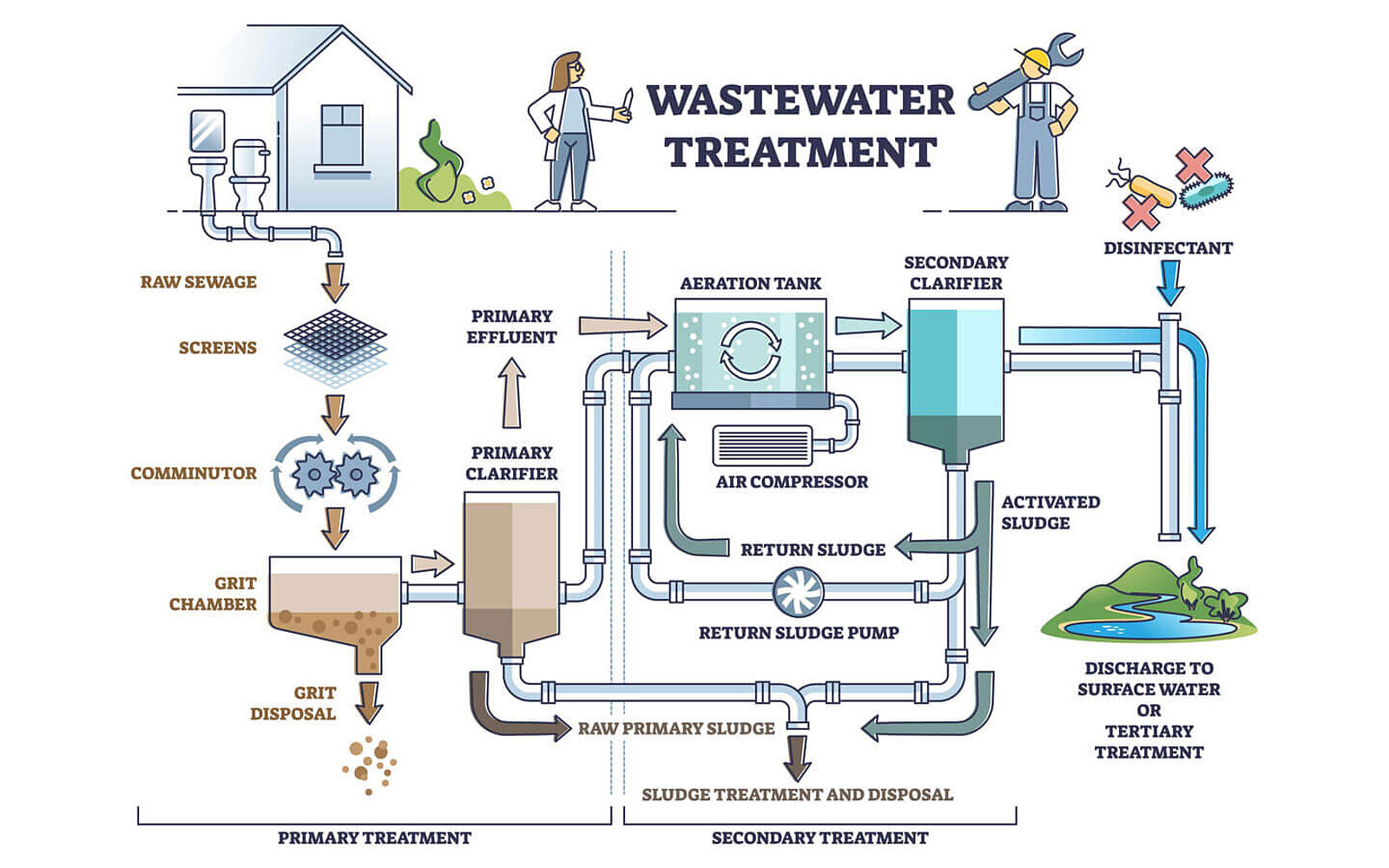
Credit: www.elementar.com
Importance Of Water Quality
Water quality is very important for species-specific tanks. Clean water helps fish and plants live longer and stay healthy.
Different species need different water conditions. Good water quality keeps their environment safe and balanced.
Impact On Species Health
Poor water quality can cause stress and disease in aquatic species. Clean water supports strong immune systems and healthy growth.
Each species has unique needs for temperature, pH, and hardness. Meeting these needs prevents illness and improves lifespan.
- Stress lowers disease resistance
- Wrong pH harms skin and gills
- High toxins cause poisoning
- Stable conditions encourage breeding
Common Water Contaminants
Water can have harmful substances that damage species health. Knowing these contaminants helps keep tanks safe.
Some common contaminants come from waste, chemicals, or poor maintenance. Removing them is key to clean water.
- Ammonia from fish waste
- Nitrites and nitrates from decomposing matter
- Chlorine from tap water
- Heavy metals from pipes or decorations
- Algae causing oxygen depletion
Tailoring Water Parameters
Water treatment is vital for species-specific tanks. Different species need different water conditions. Adjusting water parameters helps keep fish healthy and active.
Careful control of pH, temperature, and hardness ensures the best environment. Each factor suits certain species better than others.
Ph Levels For Different Species
pH measures water acidity or alkalinity. Fish and plants have specific pH needs. Keeping pH stable prevents stress and disease.
- Freshwater fish like tetras prefer pH 6.0 to 7.0.
- Cichlids thrive in alkaline water with pH 7.5 to 8.5.
- Discus fish need slightly acidic water, pH 6.0 to 6.5.
- Marine species usually require pH 8.0 to 8.4.
Temperature Control
Temperature affects fish metabolism and activity. Different species need different temperature ranges. Sudden changes can harm aquatic life.
| Species | Ideal Temperature (°F) |
| Goldfish | 65 – 75 |
| Neon Tetra | 72 – 78 |
| Betta Fish | 76 – 82 |
| Discus | 82 – 86 |
Hardness And Mineral Content
Water hardness means the amount of minerals like calcium and magnesium. Some fish prefer soft water, others hard water. Correct hardness supports healthy bones and scales.
- Soft water: 0-60 ppm (parts per million) hardness
- Moderate hardness: 61-120 ppm
- Hard water: 121-180 ppm
- Very hard water: 180+ ppm
Example species preferences:
| Species | Preferred Hardness |
|---|---|
| Angelfish | 3-8 dGH (soft) |
| Guppies | 10-30 dGH (hard) |
| Catfish | 5-15 dGH (moderate) |
Filtration Techniques
Water treatment is vital for species-specific tanks. Filtration helps keep the water clean and safe for aquatic life. Proper filtration methods remove harmful particles and chemicals.
Different filtration types work together to maintain good water quality. Each method targets specific impurities to create a balanced environment.
Mechanical Filtration
Mechanical filtration removes solid waste from the water. It works by trapping debris like uneaten food, fish waste, and plant matter.
- Sponges and filter pads catch large particles.
- Filter floss or fine mesh traps smaller debris.
- Regular cleaning prevents clogging and keeps flow steady.
Biological Filtration
Biological filtration uses good bacteria to break down harmful substances. These bacteria convert ammonia and nitrites into less toxic nitrates.
| Substance | Converted To | Effect |
| Ammonia | Nitrites | Less toxic but still harmful |
| Nitrites | Nitrates | Much safer for fish |
Chemical Filtration
Chemical filtration removes dissolved wastes and toxins. It uses special materials that absorb or neutralize harmful chemicals.
Common chemical filtration media include:
- Activated carbon for odors and discoloration
- Zeolite to absorb ammonia
- Phosphate removers to limit algae growth

Credit: onlinelibrary.wiley.com
Water Conditioning Methods
Water treatment is important for species-specific tanks. It helps keep fish and other aquatic animals healthy. Proper water conditioning removes harmful chemicals and balances water quality.
Different methods target specific water problems. Each method improves tank water to suit the species living in it.
Dechlorination Processes
Chlorine and chloramine in tap water can harm aquatic life. Dechlorination removes these chemicals before adding water to the tank.
Common ways to dechlorinate include using chemicals or letting water sit. Chemicals work fast, while sitting allows chlorine to evaporate.
- Use water conditioners that neutralize chlorine and chloramine
- Let water sit for 24-48 hours to let chlorine evaporate
- Use activated carbon filters to remove chlorine
Use Of Water Softeners
Water softeners reduce hard minerals like calcium and magnesium. Hard water can cause problems for some fish species.
Softened water protects fish from mineral buildup on their skin and gills. It also helps maintain proper pH balance.
- Install a water softener system for tap water treatment
- Use ion-exchange resins to remove hardness
- Test water hardness regularly to keep it stable
Adding Beneficial Bacteria
Beneficial bacteria help break down waste and toxins in the tank. They improve water quality and support a healthy environment.
Adding these bacteria speeds up the natural filtration process. It reduces ammonia and nitrite, which are harmful to aquatic life.
- Use commercial bacterial supplements for quick results
- Allow time for bacteria to establish in filter media
- Keep tank clean to support bacterial growth
Monitoring And Maintenance
Water treatment is key for species-specific tanks. Each species needs clean and stable water.
Monitoring and maintenance keep water healthy. This protects fish and plants in the tank.
Regular Testing Schedules
Test water often to check its quality. Regular testing helps catch problems early.
Use test kits to measure pH, ammonia, nitrites, and nitrates. Follow the schedule below.
- Daily: Check temperature and ammonia levels
- Weekly: Test pH and nitrite levels
- Monthly: Measure nitrate and hardness
Adjusting Parameters Over Time
Water needs change as fish grow or seasons change. Adjust parameters to keep water safe.
Change water chemistry slowly to avoid stress. Use buffers or conditioners to keep levels steady.
- Raise or lower pH gradually
- Control ammonia with regular water changes
- Keep temperature stable for the species
Signs Of Water Quality Issues
Watch fish and plants for signs of poor water quality. Quick action can save them.
Look for these warning signs in your tank:
- Fish gasping at the surface
- Cloudy or smelly water
- Unusual fish behavior or color loss
- Algae overgrowth or dead plants
Species-specific Case Studies
Water treatment varies for different species in tanks. Each species needs unique care to stay healthy.
These case studies show how water treatment changes based on species needs. Proper care helps animals thrive.
Freshwater Tropical Fish
Freshwater tropical fish need clean, warm water with stable pH. Removing ammonia and nitrites is very important.
Regular water changes and good filtration keep water safe. Plants help reduce toxins and add oxygen.
- Keep water temperature between 74°F and 80°F
- Maintain pH around 6.8 to 7.5
- Test ammonia, nitrite, and nitrate weekly
- Change 20% of water every week
Marine Species
Marine species need saltwater with exact salt levels. Water must be free from harmful chemicals.
Use protein skimmers and live rock to keep water clean. Stable salinity and pH help fish stay healthy.
- Keep salinity at 1.020 to 1.025 specific gravity
- Maintain pH between 8.0 and 8.4
- Use a protein skimmer to remove waste
- Test salinity and pH weekly
Amphibians And Reptiles
Amphibians and reptiles need clean, fresh water. Water must be free from chlorine and heavy metals.
Use water conditioners and filters. Keep water temperature and pH suitable for each species.
- Use dechlorinated water
- Maintain temperature between 70°F and 80°F
- Keep pH from 6.5 to 7.5
- Change water regularly to avoid bacteria

Credit: www.rastechmagazine.com
Frequently Asked Questions
What Is Species-specific Tank Water Treatment?
Species-specific tank water treatment tailors water conditions to meet individual species’ needs. It ensures optimal pH, temperature, and mineral levels, promoting health and growth. This method reduces stress and disease risk by mimicking natural habitats precisely.
Why Is Water Quality Crucial For Species-specific Tanks?
Water quality directly affects fish health, behavior, and lifespan. Poor water causes stress, disease, and mortality. Proper treatment maintains clean, balanced water, supporting immune function and natural behaviors, essential for species-specific tank success.
How Often Should Water Be Tested In Species-specific Tanks?
Water should be tested weekly to monitor pH, ammonia, nitrite, and nitrate levels. Regular testing catches imbalances early, preventing harmful conditions. Consistent checks ensure stable environments tailored to each species’ requirements.
What Are Common Water Treatments For Species-specific Tanks?
Common treatments include dechlorinators, pH adjusters, and beneficial bacteria supplements. These help remove toxins, balance acidity, and establish healthy biofilters. Selecting treatments depends on species’ natural water preferences and tank conditions.
Conclusion
Proper water treatment keeps species-specific tanks healthy and safe. Each species needs different water conditions to thrive. Regular testing and adjustments help maintain balance. Clean, well-treated water supports fish growth and prevents disease. Small changes make a big difference in tank life.
Pay attention to water quality every day. Healthy water means happy fish and a beautiful tank. Simple steps ensure a stable, natural environment for your aquatic pets. Water treatment is key to successful species-specific tanks. Care and consistency protect your underwater world.