Keeping your saltwater fish healthy starts with one crucial step: proper water treatment. You might think that just adding salt to tap water is enough, but there’s much more to it.
The water in your aquarium directly affects your fish’s well-being, growth, and vibrant colors. If you want to avoid common problems like stress, disease, or even death, understanding how to treat your water correctly is key. You’ll discover simple yet effective ways to create the perfect environment for your saltwater fish to thrive.
Ready to make your aquarium a safe haven? Let’s dive in.

Credit: www.amazon.com
Saltwater Tank Basics
Saltwater fish need clean water to stay healthy. Proper water treatment keeps the tank safe.
Understanding saltwater tank basics helps you care for your fish better. Water quality is key.
Choosing The Right Water
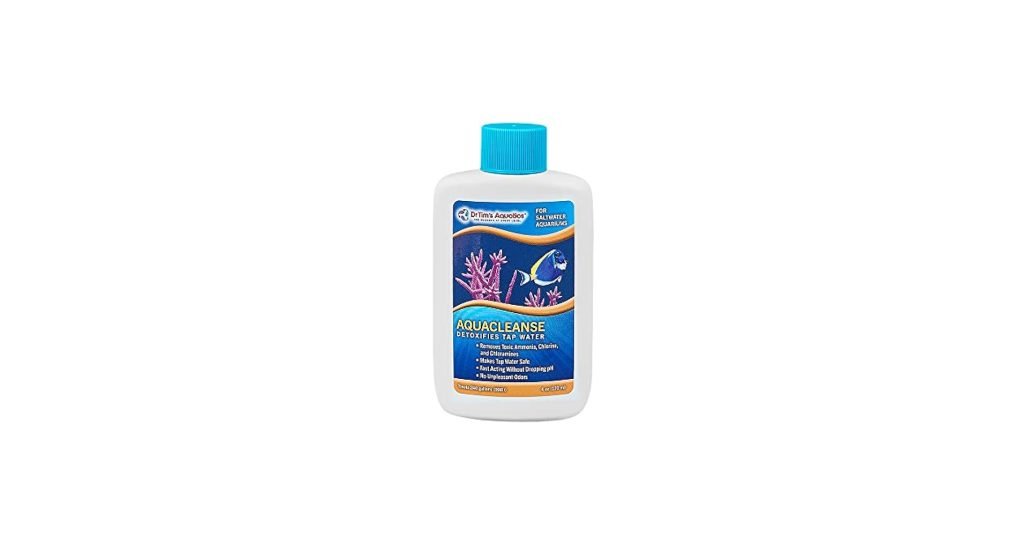
Use clean, purified water for your saltwater tank. Tap water may have harmful chemicals.
Many hobbyists use reverse osmosis (RO) water. It removes impurities and keeps fish safe.
- Check water for chlorine and chloramine
- Use water conditioners if needed
- Test water hardness and pH before adding fish
Salinity Levels And Control
Saltwater fish need specific salt levels in the tank. This is called salinity.
Keep salinity steady to avoid stress and illness. Use a hydrometer or refractometer to measure.
- Ideal salinity is usually 1.020 to 1.026 specific gravity
- Adjust salt mix slowly to avoid shocking fish
- Test salinity weekly to maintain balance
Filtration Methods
Water quality is key to keeping saltwater fish healthy. Filtration removes harmful substances and keeps the tank clean. Different methods work together to protect fish and plants.
Understanding filtration types helps you maintain a balanced aquarium. Each method targets specific impurities or waste in the water.
Mechanical Filtration
Mechanical filtration removes solid waste and debris from the water. It works by trapping particles as water passes through a filter material. This keeps the water clear and prevents clogging.
- Uses sponges, pads, or filter floss
- Traps uneaten food and fish waste
- Needs regular cleaning or replacement
- Prevents cloudiness in the tank
Biological Filtration
Biological filtration uses good bacteria to break down toxic waste. These bacteria live on filter media and convert harmful ammonia into less harmful substances.
| Stage | Process | Result |
| Ammonia | Broken down by bacteria | Converted to nitrite |
| Nitrite | Further processed by bacteria | Converted to nitrate |
| Nitrate | Removed by water changes or plants | Less harmful to fish |
Chemical Filtration
Chemical filtration removes dissolved wastes and odors. It uses special materials to absorb harmful chemicals from the water.
Common chemical filter media include:
- Activated carbon – removes toxins and odors
- Zeolite – absorbs ammonia
- Phosphate removers – control algae growth
Maintaining Water Quality
Good water quality is vital for saltwater fish health. Clean water keeps fish active and disease-free.
Regular care and checks help maintain the right water conditions in your aquarium.
Testing Key Parameters
Test water often to check temperature, salinity, and oxygen levels. These keep fish safe.
- Use a reliable test kit for salt levels
- Check temperature daily
- Measure oxygen to avoid fish stress
- Record results to track changes
Managing Ph And Alkalinity
Keep pH between 8.0 and 8.4 for saltwater fish. Alkalinity should stay stable.
| Parameter | Ideal Range |
| pH | 8.0 – 8.4 |
| Alkalinity (dKH) | 8 – 12 |
| Impact | Stability of water chemistry |
Controlling Nitrate And Phosphate
High nitrate and phosphate can harm fish and encourage algae. Keep these low.
Ways to reduce nitrates and phosphates:
- Change 10-20% of water weekly
- Use quality filtration systems
- Remove uneaten food and waste
- Add live plants or algae eaters
Water Changes And Top-offs
Maintaining clean water is key to healthy saltwater fish. Water changes and top-offs keep the tank environment stable. These actions help remove waste and add fresh water to replace lost volume.
Proper water treatment supports fish health and prevents harmful chemical buildup. Let’s explore how often to change water and why using RO/DI water matters.
Frequency And Volume
Regular water changes remove toxins and replenish minerals. The amount and timing depend on tank size and fish load. Smaller tanks and heavily stocked systems need more frequent changes.
- Change 10-20% of the water weekly for most tanks.
- For high bioload tanks, consider 25-30% changes twice a week.
- Top off daily to replace evaporated water without disturbing salt levels.
- Use a clean container to avoid contamination during water changes.
- Monitor water parameters to adjust change frequency as needed.
Using Ro/di Water
RO/DI water is purified and free from harmful chemicals. It protects fish from toxins and controls unwanted minerals. Using it ensures safe water for changes and top-offs.
| Water Type | Benefits | Use |
| Tap Water | Contains chlorine and metals | Needs treatment before use |
| RO/DI Water | Pure, free of contaminants | Ideal for water changes and top-offs |
| Distilled Water | Pure but lacks minerals | Not recommended alone for marine tanks |
Dealing With Common Issues
Keeping saltwater fish healthy needs clean and balanced water. Many common problems can harm fish if not fixed.
Knowing how to handle these issues helps keep the tank safe and fish happy.
Algae Control
Algae can grow quickly in saltwater tanks. Too much algae makes the tank look dirty and can harm fish.
Remove algae by cleaning tank walls and decorations often. Use algae-eating fish or snails to help control growth.
- Scrub tank glass weekly to remove algae
- Add algae-eating species like tangs or snails
- Reduce light hours to limit algae growth
- Keep water clean with regular changes
Preventing Ammonia Spikes
Ammonia is toxic to fish and comes from waste and leftover food. High ammonia levels can make fish sick quickly.
Check water often for ammonia using test kits. Change water and clean filters to keep ammonia low.
- Feed fish only what they can eat in a few minutes
- Remove uneaten food and waste daily
- Clean or replace filter media regularly
- Do partial water changes weekly
Addressing Cloudy Water
Cloudy water looks bad and can stress fish. It often happens from bacteria blooms or poor filtration.
Improve water clarity by checking filters and avoiding overfeeding. Use water clarifiers only if needed.
- Check and clean filters to ensure good flow
- Do regular water changes to remove particles
- Do not overfeed to reduce waste
- Use a water clarifier if water stays cloudy

Credit: www.amazon.com
Additives And Supplements
Additives and supplements help maintain saltwater fish health. They provide essential nutrients for a balanced aquarium environment.
Understanding these elements ensures your fish thrive. Let’s explore the key components needed for a healthy aquatic system.
Trace Elements
Trace elements are vital for fish and coral growth. They are found in small amounts but have significant roles.
- Iron supports color and growth in corals.
- Zinc helps in enzyme function and hormone production.
- Manganese aids in photosynthesis for marine plants.
Calcium And Magnesium
Calcium and magnesium keep the aquarium stable. They are crucial for coral skeletons and water chemistry.
| Element | Purpose |
| Calcium | Builds strong coral skeletons |
| Magnesium | Prevents calcium precipitation |
Using Buffers
Buffers stabilize pH levels in your aquarium. They prevent sudden changes that can harm fish and corals.
Equipment For Water Treatment
Maintaining saltwater fish health requires proper water treatment. Different equipment helps in achieving the right water quality.
Let’s explore some essential equipment used for treating water in saltwater aquariums.
Protein Skimmers
Protein skimmers remove organic waste from aquarium water. They help in keeping the water clean and clear.
- Reduces harmful substances
- Improves oxygen levels
- Helps in controlling algae growth
Uv Sterilizers
UV sterilizers use ultraviolet light to kill bacteria and viruses. They ensure the water is safe for fish.
UV sterilizers are effective in:
- Preventing diseases
- Maintaining water clarity
- Reducing pathogens
Automatic Top-off Systems
Automatic top-off systems maintain water levels. They add water to compensate for evaporation.
| Feature | Benefit |
| Prevents salinity changes | Stabilizes fish environment |
| Reduces manual work | Saves time |
| Consistent water levels | Enhances aquarium stability |

Credit: www.amazon.com
Frequently Asked Questions
What Is The Importance Of Water Treatment For Saltwater Fish?
Water treatment ensures clean, safe water for saltwater fish. It removes harmful chemicals, toxins, and pathogens. Proper treatment prevents diseases and stress. This helps maintain fish health and longevity. It creates a stable environment for marine life.
How Often Should Saltwater Aquarium Water Be Treated?
Treat saltwater aquarium water weekly or biweekly. Regular treatment maintains water quality and balance. Frequent water changes prevent toxin buildup. Test water parameters often to decide treatment frequency. Consistent care supports fish health and aquarium stability.
Which Chemicals Are Removed By Water Treatment In Saltwater Tanks?
Water treatment removes chlorine, chloramine, ammonia, and heavy metals. These chemicals harm fish gills and skin. Removing toxins improves water clarity and quality. Proper filtration and conditioners target these pollutants. This creates a safer habitat for saltwater fish.
Can Untreated Water Harm Saltwater Fish Health?
Yes, untreated water can cause stress and illness. Harmful chemicals and pathogens accumulate without treatment. This leads to poor fish immune response. Untreated water often causes algae blooms and oxygen depletion. Proper treatment is essential for thriving saltwater fish.
Conclusion
Healthy saltwater fish need clean, well-treated water. Treat water carefully to remove harmful chemicals and salt build-up. Good water quality helps fish grow strong and stay active. Test water regularly to keep the tank safe. Use proper filters and conditioners for best results.
Clear water means happy fish and a beautiful tank. Keep your aquarium simple and healthy with proper water care. Small efforts lead to big benefits for your saltwater fish.