
If you have a planted tank, you know how important clean, healthy water is for your aquatic plants and fish. But treating that water properly can feel confusing or overwhelming.
What if there was a simple way to keep your tank’s water just right—so your plants thrive and your fish stay happy? You’ll discover easy, effective water treatment tips that can transform your planted tank. Keep reading to unlock the secrets that make your underwater garden flourish like never before.
Importance Of Water Quality
Water quality is very important for planted tanks. Clean and balanced water helps plants grow well.
Good water also keeps fish and invertebrates healthy. Poor water can cause many problems.
Impact On Plant Health
Plants need clean water with the right nutrients. Too much or too little nutrients can harm them.
Water with poor quality can stop plants from growing. It can cause yellow or rotten leaves.
- Balanced pH helps plants absorb nutrients
- Clear water allows light to reach plants
- Low toxins prevent damage to roots
Effects On Fish And Invertebrates
Fish and invertebrates need clean water to stay healthy. Dirty water can cause stress and disease.
Good water quality keeps their skin and gills safe. It helps them live longer and be active.
- Stable temperature and pH reduce stress
- Low ammonia and nitrate levels protect health
- Proper oxygen levels support breathing

Credit: www.aquaticexperts.com
Key Water Parameters
Water quality is very important for planted tanks. Fish and plants need the right water conditions to live well. This guide covers the main water parameters to watch.
Keeping these parameters in balance helps your tank stay healthy. Check them often and make adjustments as needed.
Ph Levels
The pH level shows how acidic or basic the water is. Most planted tanks do well with a pH between 6.5 and 7.5. Too high or too low pH can stress plants and fish.
Test pH regularly using a test kit. Adjust it slowly if needed by adding natural substances like peat or crushed coral.
Hardness And Alkalinity
Hardness refers to minerals like calcium and magnesium in the water. Alkalinity is the water’s ability to resist pH changes. Both are important for stable water chemistry.
| Parameter | Ideal Range |
| General Hardness (GH) | 3-8 dGH |
| Carbonate Hardness (KH) | 3-6 dKH |
Use water hardness test kits to check these levels. Adjust by mixing tap water with distilled water or adding minerals.
Nitrate And Phosphate
Nitrate and phosphate are nutrients that plants need, but too much can cause algae growth. Keep nitrate below 20 ppm and phosphate below 1 ppm for a healthy tank.
- Perform regular water changes to reduce nitrates
- Avoid overfeeding fish to limit phosphate buildup
- Use plants and filters to absorb excess nutrients
Temperature
Temperature affects plant growth and fish health. Most planted tanks do best between 72°F and 78°F (22°C to 26°C). Keep the temperature steady to avoid stress.
Use a reliable heater and thermometer. Avoid sudden changes by placing the tank away from direct sunlight or drafts.
Types Of Water Sources
Water quality is very important for planted tanks. Different water sources affect plants and fish in different ways.
Knowing the type of water you use helps keep your tank healthy and balanced.
Tap Water
Tap water is the most common source. It comes from city supply and is treated for safety. It may contain chlorine or chloramine.
It is important to use a water conditioner to remove harmful chemicals before adding tap water to your tank.
Well Water
Well water comes from underground sources. It often has minerals and natural compounds that can affect water hardness and pH.
Testing well water regularly is necessary to avoid harmful substances like metals or bacteria.
Ro/di Water
Reverse Osmosis (RO) and Deionized (DI) water are very pure. They remove almost all minerals and chemicals.
- Ideal for sensitive plants and fish
- Requires adding minerals back for plant growth
- Helps control water parameters exactly
Rainwater
Rainwater is natural and free of chlorine. It can be soft and slightly acidic.
| Rainwater Benefits | Possible Issues |
|---|---|
| Free of chemicals | Can collect pollutants from air |
| Soft and slightly acidic | May need testing for contaminants |
| Good for many plants | Not always available |
Water Conditioning Techniques
Water treatment is important for planted tanks. It helps create a healthy environment for plants and fish.
Water conditioning changes water quality to support plant growth and keep the tank clean.
Dechlorination Methods
Tap water often contains chlorine or chloramine. These chemicals can harm plants and fish.
Use dechlorinators to remove these chemicals before adding water to the tank. This keeps the water safe.
- Use liquid dechlorinators that neutralize chlorine quickly
- Let water sit for 24 hours to allow chlorine to evaporate
- Use activated carbon filters to remove chloramine
Adjusting Ph And Hardness
Plants need water with the right pH and hardness levels. Wrong levels can slow growth.
Test water regularly and adjust pH using safe products. Add minerals to change hardness if needed.
- Use pH buffers to raise or lower pH
- Add crushed coral or limestone to increase hardness
- Use peat moss or driftwood to lower hardness
Using Water Softeners
Water softeners remove hard minerals like calcium and magnesium. Hard water can harm plants.
Use water softeners carefully, as too soft water can also stress plants and fish.
- Use ion-exchange softeners for large water changes
- Avoid salt-based softeners that add sodium to water
- Test water after softening to keep minerals balanced
Nutrient Supplementation
Plants need nutrients like iron, potassium, and nitrogen to grow well. Water may lack these nutrients.
Add liquid fertilizers or root tabs to supply nutrients. This supports healthy plant roots and leaves.
- Use liquid fertilizers for fast nutrient delivery
- Place root tabs near plant roots for steady feeding
- Test nutrient levels to avoid excess buildup
Filtration Systems
Filtration systems keep water clean in planted tanks. They remove debris and harmful substances. Good filtration helps plants and fish stay healthy.
There are three main types of filtration. Each type plays a key role in water treatment. Understanding these helps maintain a balanced tank.
Mechanical Filtration
Mechanical filtration removes solid waste from the water. It captures particles like uneaten food and plant debris. This keeps the water clear and prevents clogging.
- Sponges
- Filter floss
- Foam pads
- Filter socks
Biological Filtration
Biological filtration uses beneficial bacteria to break down waste. These bacteria turn harmful ammonia into less toxic substances. This process is called the nitrogen cycle.
| Stage | Substance | Effect |
| 1 | Ammonia | Highly toxic to fish |
| 2 | Nitrite | Still toxic but less than ammonia |
| 3 | Nitrate | Low toxicity, used by plants |
Chemical Filtration
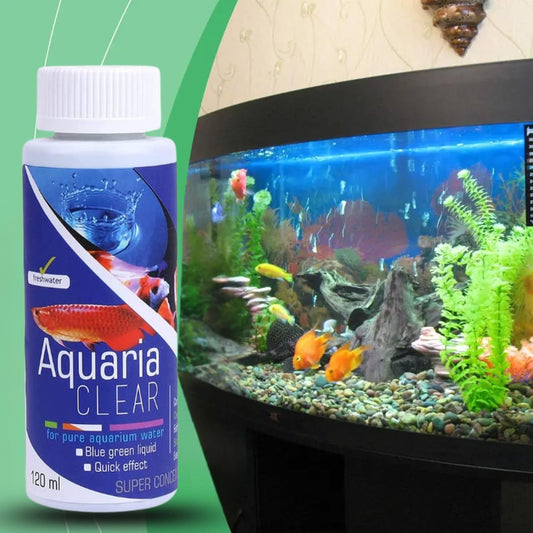
Chemical filtration removes dissolved substances from water. It uses materials like activated carbon to absorb impurities. This helps reduce odors, discoloration, and toxins.
Common chemical filter media include:
- Activated carbon
- Zeolite
- Phosphate removers
- Resins
Credit: www.petzlifeworld.in
Water Change Practices
Water treatment is crucial for healthy planted tanks. Regular water changes help maintain water quality and provide essential nutrients.
Following the right practices ensures plants thrive and fish remain healthy. Let’s explore key aspects of water change practices.
Frequency And Volume
Determining the right frequency and volume for water changes is essential. It depends on tank size, plant density, and fish population.
- Weekly changes are common for most tanks.
- Replace 10-20% of the water each time.
- Adjust based on water test results.
Best Methods For Water Replacement
Replacing water correctly prevents stress to plants and fish. Use tools like siphons and buckets for efficient water removal and replacement.
Ensure the new water matches the tank’s temperature and pH. Consider using dechlorinators to make tap water safe.
Monitoring After Water Changes
Post-water change monitoring is vital to ensure stability. Observe the tank for any signs of stress or imbalance.
| Parameter | Ideal Range |
| Temperature | 24-26°C |
| pH Level | 6.5-7.5 |
| Ammonia | 0 ppm |
| Nitrate | Below 20 ppm |
Preventing Common Water Issues
Maintaining a healthy planted tank requires proper water treatment. This helps prevent common issues that can harm your aquatic plants and fish.
Understanding how to control algae, manage hard water deposits, and avoid toxic build-up is crucial for a thriving tank environment.
Algae Control
Algae can quickly take over if not controlled. They thrive in tanks with excess nutrients and light.
- Limit the amount of light your tank receives daily.
- Use algae-eating fish or snails to help manage growth.
- Regularly clean the tank and perform water changes.
Managing Hard Water Deposits
Hard water deposits can form on tank surfaces, affecting both plants and equipment.
Regular cleaning of tank surfaces will also help manage deposits.
Avoiding Toxic Build-up
Toxic build-up occurs from waste and uneaten food. This can harm your fish and plants.
| Issue | Solution |
| Ammonia Build-up | Regular water changes |
| Nitrite Increase | Proper filtration |
| Excess Nitrates | Live plants absorption |
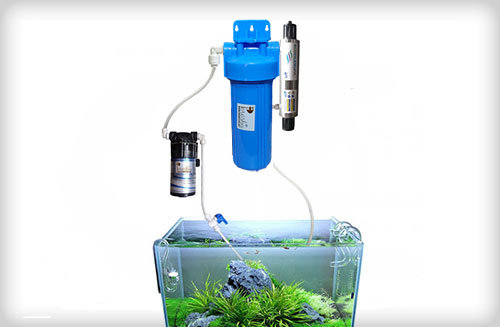
Monitoring water quality and using test kits can help keep your tank healthy.
Credit: www.irawaters.net
Tools For Monitoring Water
Keeping the water clean and balanced is important for planted tanks. Good water helps plants grow and keeps fish healthy.
Using the right tools helps you check water quality regularly. This lets you fix problems early and keep the tank safe.
Test Kits And Strips
Test kits and strips measure key water parameters like pH, nitrate, and ammonia. They are easy to use and give quick results.
Strips change color based on the water’s condition. Kits often include liquids and tubes for more detailed testing.
- Check pH to keep water acidity stable
- Test nitrate and nitrite for fish safety
- Measure ammonia to avoid toxicity
- Use kits weekly for best results
Digital Meters
Digital meters provide precise readings for water quality. They often measure pH, temperature, and conductivity.
These meters are easy to read and good for regular monitoring. They help you track water changes quickly and accurately.
- pH meters check water acidity level
- Temperature meters keep track of heat
- Conductivity meters measure water hardness
- Calibrate meters to keep them accurate
Regular Testing Schedule
Testing water often helps catch problems early. A regular schedule keeps the tank healthy and plants growing well.
Test water at least once a week. Increase testing if you notice changes or add new plants or fish.
- Test pH, ammonia, nitrate, and nitrite weekly
- Check temperature daily or every few days
- Record results to track changes over time
- Adjust water treatment based on test results
Tips For Long-term Tank Health
Keeping a planted tank healthy takes care and attention. Water treatment plays a key role in this process.
Good habits help plants and fish live well together for a long time. Follow these tips to keep your tank balanced.
Consistent Maintenance
Regular cleaning and water checks keep your tank safe. Remove dead leaves and check filters often.
- Test water parameters like pH, nitrate, and ammonia weekly.
- Change 10-20% of the water every one to two weeks.
- Clean the filter without removing beneficial bacteria.
- Trim plants to prevent overcrowding and decay.
Balancing Flora And Fauna
Plants and fish depend on each other. Keep a balance to avoid stress and illness.
| Element | Role in Tank |
| Plants | Provide oxygen and reduce toxins |
| Fish | Produce waste used by plants as nutrients |
| Microorganisms | Break down waste and keep water clean |
Adapting To Seasonal Changes
Seasons affect water temperature and light. Adjust care to keep your tank stable.
- In summer, reduce light hours to avoid algae blooms.
- Use a heater in winter to keep water temperature steady.
- Check water evaporation and top off with dechlorinated water.
- Adjust feeding based on fish activity and metabolism.
Frequently Asked Questions
What Is Water Treatment In Planted Tanks?
Water treatment in planted tanks involves maintaining water quality. It ensures healthy plant growth and aquatic life. Treatment includes filtration, nutrient balance, and pH control. Proper water treatment prevents algae and harmful bacteria growth, creating a stable environment for plants and fish.
Why Is Water Quality Important For Planted Tanks?
Water quality affects plant health and growth. Poor water quality can cause nutrient deficiencies or toxic buildup. Maintaining balanced pH, hardness, and nutrient levels supports photosynthesis and root development. Clean water also prevents algae overgrowth and fish stress, ensuring a thriving planted tank ecosystem.
How Often Should Water Be Treated In Planted Tanks?
Water treatment frequency depends on tank size and plant density. Typically, partial water changes occur weekly or biweekly. Regular monitoring of water parameters helps determine treatment needs. Consistent care maintains nutrient balance and removes waste, promoting a healthy planted tank environment.
What Are Common Water Treatment Methods For Planted Tanks?
Common methods include mechanical filtration, chemical filtration, and biological filtration. Mechanical removes debris, chemical targets impurities, and biological supports beneficial bacteria. Additionally, adding fertilizers and CO2 supplements enhances plant growth. Proper water treatment combines these methods for optimal tank health.
Conclusion
Proper water treatment keeps planted tanks healthy and vibrant. Clean water supports plant growth and fish health. Regular testing helps catch problems early. Use natural methods to balance nutrients and avoid chemicals. Clear water means happy plants and active fish.
Simple care routines make a big difference. Keep water quality steady for long-term success. Healthy tanks bring joy and beauty to your space. Small efforts lead to great results in planted tanks.