
If you’re passionate about keeping ornamental fish, you know that water quality can make or break your aquarium. Clean, well-treated water keeps your fish healthy, vibrant, and full of life.
But how do you ensure your water is just right? You’ll discover simple, effective water treatment tips that protect your fish and make your hobby more rewarding. Ready to create the perfect home for your finned friends? Let’s dive in!

Credit: www.amazon.in
Choosing The Right Water Source
Water quality is very important for keeping ornamental fish healthy. Choosing the right water source helps keep fish safe and happy.
Different water sources have different chemicals and minerals. Knowing these differences helps you pick the best water for your fish tank.
Tap Water Considerations
Tap water is easy to get and common for fish tanks. It usually has chlorine or chloramine to kill germs, which can harm fish.
Use a water conditioner to remove these chemicals before adding tap water to your tank. Test the water for pH, hardness, and ammonia levels.
- Check if your tap water has chlorine or chloramine
- Use a water conditioner to make tap water safe
- Test water for pH and hardness regularly
- Allow tap water to sit for 24 hours if no chloramine
Using Filtered And Distilled Water
Filtered water removes many impurities and chemicals. It is safer than plain tap water but may still need testing for minerals and pH.
Distilled water is very pure and free from minerals. It is good for some fish but can cause problems if used alone because it lacks essential minerals.
- Filtered water reduces chlorine and heavy metals
- Distilled water has no minerals or chemicals
- Add minerals if using distilled water only
- Always test water before use
Rainwater And Natural Sources
Rainwater is soft and free from chemicals but can pick up pollutants from the air. It is best to collect rainwater in a clean container.
Natural sources like pond or river water have many living things and chemicals. They need testing and sometimes treatment before use.
- Collect rainwater in clean containers only
- Test rainwater for pH and pollutants
- Natural water may contain bacteria and algae
- Treat natural water before adding to tanks
Key Water Parameters To Monitor
Keeping water clean is very important for ornamental fish. Checking water quality helps fish stay healthy and happy.
Several water parameters need to be tested regularly. These include pH, ammonia, nitrite, nitrate, temperature, and hardness.
Ph Levels And Stability
pH measures how acidic or basic the water is. Fish need a stable pH to avoid stress and illness.
Most ornamental fish live well in a pH range of 6.5 to 7.5. Sudden changes can harm them.
- Test pH at least once a week
- Use pH buffers to keep levels steady
- Avoid mixing water from very different pH levels
Ammonia, Nitrite, And Nitrate Control
Ammonia and nitrite are toxic to fish, even in small amounts. Nitrate is less harmful but should be low.
Good filtration and regular water changes keep these chemicals under control. Testing helps catch problems early.
- Keep ammonia and nitrite levels at zero
- Keep nitrate below 20 ppm
- Change 10-20% of water every week
- Use biological filters to break down waste
Temperature And Hardness
Temperature affects fish metabolism and oxygen levels. Most tropical fish need 74-80°F (23-27°C).
Water hardness shows mineral content. Fish from soft or hard water areas need matching conditions for health.
| Parameter | Recommended Range | Notes |
|---|---|---|
| Temperature | 74-80°F (23-27°C) | Use heater and thermometer |
| General Hardness (GH) | 4-12 dGH | Depends on fish species |
| Carbonate Hardness (KH) | 3-8 dKH | Helps stabilize pH |
Water Conditioning Essentials
Water quality is very important for ornamental fish health. Clean, safe water helps fish live longer and stay active.
Proper water conditioning removes harmful chemicals and adds minerals fish need. This keeps the aquarium environment stable.
Removing Chlorine And Chloramines
Treated tap water often contains chlorine and chloramines. These chemicals can hurt or kill fish if not removed.
Use a water conditioner to neutralize these chemicals. Do this before adding water to the tank.
- Chlorine evaporates quickly but can harm fish immediately.
- Chloramines are more stable and need special treatment.
- Test water to check chlorine and chloramine levels.
Adding Beneficial Minerals
Fish need minerals like calcium and magnesium for strong bones and good health. Tap water may lack these.
Add minerals using special supplements or mineral-rich water sources. This supports fish growth and immune systems.
- Calcium helps build fish skeletons.
- Magnesium supports many body functions.
- Trace elements improve water quality and fish health.
Using Dechlorinators Safely
Dechlorinators remove chlorine and chloramines. Use them in the right amount to avoid harming fish.
Always follow product instructions. Overdosing can cause water problems or stress fish.
- Measure water volume before adding dechlorinator.
- Use fresh dechlorinator for each water change.
- Store dechlorinators in a cool, dark place.
Filtration Methods For Clear Water
Clear water is vital for the health of ornamental fish. Proper filtration removes dirt and harmful substances. It keeps the tank environment safe and balanced.
Different filtration methods work together to maintain water clarity. Each method has a unique role in cleaning and protecting the aquarium.
Mechanical Filtration Options
Mechanical filtration removes solid particles from the water. It traps debris like uneaten food and fish waste. This keeps the water clear and prevents cloudiness.
- Foam pads filter out large particles.
- Filter floss catches smaller debris.
- Sponge filters provide gentle filtration for small tanks.
- Filter socks fit over outflow pipes to trap waste.
Biological Filtration Benefits
Biological filtration uses good bacteria to break down toxic substances. These bacteria convert harmful ammonia into less dangerous nitrate. This process is essential for fish health.
| Filter Type | Surface Area for Bacteria | Maintenance |
| Ceramic Rings | High | Low |
| Bio Balls | Medium | Medium |
| Sponge Filters | Low | Easy |
Chemical Filtration Techniques
Chemical filtration removes dissolved impurities from water. It improves water quality by absorbing unwanted chemicals and odors.
Chemical filtration methods include:
- Activated carbon to remove toxins and discoloration.
- Zeolite to absorb ammonia in freshwater tanks.
- Phosphate removers to control algae growth.
Regular Maintenance Practices
Keeping water clean is very important for ornamental fish health. Regular care helps fish stay happy and live longer.
Good maintenance stops bad chemicals and keeps the water safe for your fish. You can avoid many problems by following simple steps.
Routine Water Changes
Change part of the water often to remove waste and toxins. This keeps water fresh and healthy for your fish.
Replace 10% to 20% of the water every week. Use clean, treated water that matches the tank’s temperature.
- Remove old water carefully to avoid disturbing fish
- Use a siphon to clean gravel while changing water
- Add new water slowly to avoid shocking fish
Cleaning Filters And Equipment
Filters keep water clear by removing dirt and harmful substances. Clean filters regularly to keep them working well.
Rinse filter parts with tank water, not tap water. This protects good bacteria that help break down waste.
- Check filters every two weeks for buildup
- Clean air pumps, heaters, and decorations as needed
- Replace filter media according to the manufacturer’s guide
Testing Water Quality Consistently
Test water often to check levels of ammonia, nitrites, nitrates, and pH. These affect fish health directly.
Use easy test kits to measure water quality. Keep records to notice any changes early.
- Test water weekly or after big changes
- Watch for unsafe levels and act fast
- Adjust water chemistry as needed with proper treatments
Special Treatments And Additives
Water quality is crucial for ornamental fish health. Special treatments and additives can help maintain a balanced ecosystem in your aquarium.
These treatments often involve beneficial bacteria, medications, and ways to control plants and algae.
Using Beneficial Bacteria Supplements
Beneficial bacteria supplements play a vital role in breaking down waste. They reduce harmful toxins in aquarium water.
- Choose a high-quality bacteria supplement.
- Follow dosage instructions carefully.
- Monitor water parameters regularly.
Medications And Their Impact
Medications treat diseases but can affect water chemistry. It’s important to use them correctly to avoid harming fish.
| Medication | Purpose | Impact |
| Antibiotics | Bacterial infections | May affect beneficial bacteria |
| Anti-parasitic | Parasite control | Can stress sensitive fish |
| Fungicides | Fungal infections | Watch for water quality changes |
Plant And Algae Control
Controlling plants and algae is essential for a clean aquarium. These organisms compete for nutrients and light.
Using natural methods like introducing algae-eating fish can be effective. Chemical treatments are available, but ensure they are safe for your tank inhabitants.
Common Water Issues And Fixes
Ornamental fish need clean water to thrive. Poor water quality can harm them. Let’s explore common water issues and how to fix them.
Understanding these problems helps keep your fish healthy and happy. Good water quality makes a big difference in their lives.
Dealing With Cloudy Water
Cloudy water is a common issue in fish tanks. It can be due to new tank syndrome or excess waste.
Regular water changes and proper filtration help clear the water. Avoid overfeeding your fish to keep the tank clean.
- Change 10-15% of the water weekly
- Use a good quality filter
- Feed fish only what they can eat in 2 minutes
Handling Algae Blooms
Algae blooms turn water green and block light. They thrive in tanks with too much light or nutrients.
Reduce the amount of light and clean the tank regularly. Adding algae-eating fish can also help control blooms.
- Limit light to 8-10 hours per day
- Scrub algae off surfaces weekly
- Introduce algae-eating fish like plecos or snails
Addressing Fish Stress From Water Quality
Fish can get stressed if water quality is poor. Stress makes them sick and less active.
Test water regularly for ammonia, nitrites, and pH levels. Maintain stable conditions to keep fish stress-free.
| Water Parameter | Ideal Range |
| Ammonia | 0 ppm |
| Nitrites | 0 ppm |
| pH | 6.5 – 7.5 |
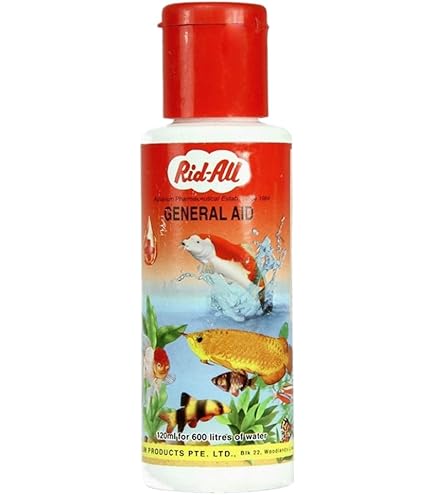
Credit: www.amazon.in

Credit: www.amazon.in
Frequently Asked Questions
What Is The Best Water Type For Ornamental Fish?
The best water for ornamental fish is clean, dechlorinated, and pH balanced. Tap water treated with a water conditioner removes harmful chlorine and chloramines, creating a safe environment for fish.
How Often Should Aquarium Water Be Changed?
Change 10-20% of aquarium water weekly to maintain water quality. Regular water changes reduce toxins and keep fish healthy by preventing ammonia and nitrate buildup.
Why Is Water Ph Important For Ornamental Fish?
Water pH affects fish health and behavior. Most ornamental fish prefer a pH between 6. 5 and 7. 5. Stable pH levels prevent stress and promote longevity.
How To Remove Harmful Chemicals From Aquarium Water?
Use water conditioners to neutralize chlorine, chloramines, and heavy metals. Activated carbon filters also help remove impurities, ensuring a safe habitat for your fish.
Conclusion
Clean and safe water keeps ornamental fish healthy and happy. Treat water carefully before adding fish. Removing harmful chemicals and balancing pH matters most. Regular water checks help avoid fish stress and disease. Simple steps protect your fish’s vibrant colors and long life.
Good water care makes fishkeeping more enjoyable and rewarding. Keep learning and caring for your aquatic pets every day. Your fish will thank you with beauty and energy. Water treatment is key to success in this hobby.