
If you keep marine fish, you know how important clean water is for their health. Poor water quality can stress your fish, cause diseases, and even shorten their lives.
But how do you make sure the water in your tank or pond stays safe and healthy? Understanding water treatment is the key to giving your marine fish the best environment possible. You’ll discover simple, effective ways to improve water quality and keep your fish thriving.
Ready to learn how to protect your underwater friends? Keep reading to unlock the secrets of water treatment for marine fish health.
Importance Of Water Quality
Water quality is key to keeping marine fish healthy. Clean water helps fish grow and stay strong.
Good water quality means balanced chemicals and no harmful substances. Fish live better and resist disease.
Effects On Fish Health
Poor water quality can cause stress and illness in marine fish. It affects their breathing, growth, and behavior.
- Low oxygen levels can lead to suffocation.
- High ammonia harms fish gills and skin.
- Unstable pH levels cause stress and reduce immunity.
- Dirty water increases risk of infections.
Common Water Contaminants
Many contaminants harm marine fish health. Knowing common pollutants helps keep water safe.
| Contaminant | Source | Effect on Fish |
| Ammonia | Fish waste, uneaten food | Damages gills, toxic at high levels |
| Nitrites | Breakdown of ammonia | Interferes with oxygen transport |
| Nitrates | Decomposition of nitrites | Stressful at high concentrations |
| Chlorine | Treated tap water | Poisonous, causes gill damage |
| Heavy metals | Pollution, old pipes | Toxic, accumulates in fish tissues |
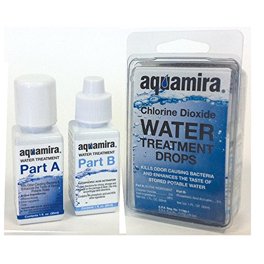
Credit: www.walmart.com
Types Of Water Treatment
Water treatment keeps marine fish healthy. Clean water removes harmful substances. Different treatments work together to keep water safe.
Each type of treatment has a special job. They help maintain good water quality for fish.
Mechanical Filtration
Mechanical filtration removes solid waste from the water. It catches debris like uneaten food and fish waste. This keeps the water clear.
Filters use sponges, pads, or floss to trap particles. You must clean or replace these parts often.
- Traps large particles
- Prevents water cloudiness
- Protects other filters from clogging
Chemical Filtration
Chemical filtration removes dissolved wastes and toxins. It uses special materials like activated carbon. These materials absorb harmful chemicals.
Chemical filters keep the water safe and clear. Replace the filter media regularly for best results.
- Removes odors and discoloration
- Absorbs toxins and impurities
- Improves water clarity
Biological Filtration
Biological filtration uses good bacteria to break down waste. These bacteria turn harmful ammonia into less toxic substances. This process is called nitrification.
Biological filters provide a home for bacteria. They help keep water safe for fish over time.
- Converts ammonia to nitrites
- Turns nitrites into nitrates
- Maintains stable water chemistry
Testing And Monitoring Water Parameters
Keeping water quality in check is key to healthy marine fish. Regular testing helps spot problems early. This protects fish from stress and disease.
Knowing which water parameters to test and how to use kits well keeps your tank safe. It also helps you keep the water balanced for your fish.
Key Parameters To Track
Track these main water parameters to keep your marine fish healthy:
- pH:Measures how acidic or basic the water is.
- Ammonia (NH3):Toxic waste from fish and food breakdown.
- Nitrite (NO2):Harmful compound formed from ammonia.
- Nitrate (NO3):Less toxic but should stay low.
- Salinity:Amount of salt in the water, vital for marine life.
- Temperature:Affects fish metabolism and oxygen levels.
- Dissolved Oxygen:Needed for fish breathing and bacteria health.
Using Test Kits Effectively
Follow these tips to get the best results from your water test kits:
- Read the instructions carefully before testing.
- Use clean containers to avoid contamination.
- Take samples from the tank’s middle depth.
- Test water regularly, at least once a week.
- Compare colors quickly with the kit’s chart for accuracy.
- Record results to track changes over time.
- Replace expired test kits to ensure reliability.
| Parameter | Normal Range | Why It Matters |
| pH | 8.0 – 8.4 | Maintains fish health and biological processes |
| Ammonia | 0 ppm | Toxic, even small amounts can harm fish |
| Nitrite | 0 ppm | Damages fish blood and organs |
| Nitrate | Under 20 ppm | High levels cause stress and algae growth |
| Salinity | 30 – 35 ppt | Ensures proper osmoregulation in marine fish |
| Temperature | 24°C – 27°C (75°F – 81°F) | Supports fish metabolism and immune system |
| Dissolved Oxygen | 5+ ppm | Essential for respiration and bacterial health |

Credit: www.amazon.com
Water Conditioning Techniques
Water quality is crucial for the health of marine fish. Proper conditioning ensures a safe and thriving environment. Techniques vary based on specific needs.
Understanding and applying different water conditioning methods can improve the well-being of marine life. Here, we discuss essential techniques.
Dechlorination Methods
Chlorine in water can harm fish. Removing it is vital. Dechlorination methods are simple yet effective.
- Use a dechlorinator product
- Let water sit for 24 hours
- Boil water to speed up chlorine removal
Adjusting Ph Levels
Fish need specific pH levels to survive. Maintaining the right pH is key to their health.
| Fish Type | Ideal pH Level |
| Clownfish | 8.1 – 8.4 |
| Tang Fish | 8.0 – 8.5 |
| Angelfish | 7.8 – 8.4 |
Temperature Control
Temperature affects fish metabolism and health. Keeping water at the correct temperature is essential.
Maintaining A Healthy Aquarium Environment
Keeping marine fish healthy involves more than just feeding them. Water quality is crucial for their well-being. Let’s explore how to maintain a healthy aquarium environment.
Proper water treatment ensures marine fish thrive. This includes regular water changes, cleaning practices, and managing stocking density. Each aspect plays a vital role.
Regular Water Changes
Changing water regularly keeps your aquarium clean and healthy. It removes waste and toxins that build up over time.
- Check water parameters weekly.
- Replace 10-15% of the water every two weeks.
- Use dechlorinated water for changes.
Cleaning Practices
Regular cleaning keeps your aquarium free of debris and algae. It provides a safe habitat for your marine fish.
- Use an algae scraper for tank walls.
- Clean filters monthly for efficient operation.
- Avoid using soap or chemicals to clean decorations.
Managing Stocking Density
Stocking density affects fish health. Too many fish can lead to stress and disease. Manage your aquarium’s fish population wisely.
| Tank Size (gallons) | Number of Fish |
| 10 | Up to 4 small fish |
| 20 | Up to 8 small fish |
| 50 | 15-20 small fish |
Troubleshooting Common Water Issues
Maintaining clean water is key for marine fish health. Water problems can stress fish and cause illness.
Here are common water issues and ways to fix them effectively.
Algae Overgrowth
Algae growth can cloud water and use oxygen needed by fish. It often happens with too much light or excess nutrients.
- Reduce the amount of light your tank receives daily.
- Limit feeding to avoid leftover food.
- Use algae-eating fish or snails to control growth naturally.
- Perform regular partial water changes to remove excess nutrients.
Ammonia And Nitrite Spikes
Ammonia and nitrite are harmful chemicals from fish waste and decaying matter. Spikes can hurt or kill fish quickly.
| Cause | Effect | Fix |
| Overfeeding | High ammonia | Feed less, remove uneaten food |
| New tank setup | Nitrite spike | Use bacteria starter, wait before adding fish |
| Dirty filter | Poor breakdown of waste | Clean filter media gently |
Water Cloudiness
Cloudy water can result from bacteria blooms, suspended particles, or poor filtration. It looks murky and reduces light.
- Check if the filter is working well and clean it if needed.
- Do a partial water change to clear particles.
- Reduce feeding to limit waste buildup.
- Use a fine filter pad to trap small particles.
Advanced Water Treatment Options
Keeping marine fish healthy needs clean water. Advanced water treatment helps remove harmful elements. This protects fish from diseases and improves their life span.
Several modern methods exist to treat aquarium water. These methods target different impurities and microbes. Using the right treatment keeps water safe and clear.
Uv Sterilization
UV sterilization uses ultraviolet light to kill bacteria and parasites. Water passes through a UV light chamber. Harmful microorganisms cannot survive the light exposure.
This method helps prevent disease outbreaks. It also reduces algae growth and keeps the water clear. UV sterilizers are easy to install and maintain.
Ozone Treatment
Ozone treatment uses ozone gas to remove toxins and organic waste. Ozone is a strong oxidizer that breaks down harmful chemicals. It also kills bacteria and viruses in water.
- Improves water clarity
- Reduces fish stress by removing waste
- Helps control odors in the tank
- Requires careful handling due to ozone’s strength
Reverse Osmosis Systems
Reverse osmosis (RO) filters remove most impurities by forcing water through a fine membrane. This process removes salts, metals, and particles. It produces very clean water for marine fish.
| Contaminant | Removal Rate |
| Chlorine | 99% |
| Lead | 98% |
| Arsenic | 97% |
| Fluoride | 90% |
| Salts | 95% |

Credit: www.amazon.com
Frequently Asked Questions
What Is The Importance Of Water Treatment For Marine Fish?
Water treatment maintains clean, safe water conditions. It removes harmful toxins and balances pH, ensuring marine fish stay healthy and stress-free.
How Often Should Marine Aquarium Water Be Treated?
Regular water treatments every 1-2 weeks are ideal. This schedule prevents toxin buildup and maintains stable water parameters for marine fish health.
Which Methods Are Best For Marine Fish Water Treatment?
Common methods include filtration, UV sterilization, and chemical conditioners. These effectively remove contaminants, control pathogens, and stabilize water quality.
Can Untreated Water Harm Marine Fish Health?
Yes, untreated water often contains toxins and pathogens. This can cause stress, disease, and even death in marine fish populations.
Conclusion
Healthy water means healthy marine fish. Treating water removes harmful chemicals and bacteria. Clean water helps fish grow strong and live longer. Regular water checks keep your tank safe and stable. Simple steps in water treatment can prevent many fish diseases.
Keep your marine fish happy with good water care. Remember, water quality is key to fish health. Small efforts make a big difference in your aquarium. Take care of water, and your fish will thrive.