
If you care deeply about your marine fish, you know that clean, safe water is the key to their health and happiness. But do you truly understand how water treatment can make or break your aquarium’s success?
Your fish depend on you to create the perfect environment—one free from harmful chemicals and toxins. You’ll discover simple, effective ways to treat your water that even beginners can master. Keep reading to unlock the secrets that will keep your underwater world thriving like never before.

Credit: www.saltwateraquarium.com
Choosing The Right Water Source
Water quality is very important for marine fish health. Choosing the right water source helps keep fish safe and happy.
Different water sources have different qualities. Knowing these helps you pick the best one for your aquarium.
Tap Water Vs. Bottled Water
Tap water is easy to get and usually treated by local services. It may contain chlorine or chloramine, which can harm fish.
Bottled water is cleaner but can be expensive. It may lack important minerals needed for marine fish health.
- Tap water needs treatment before use
- Bottled water is often free of chemicals
- Check mineral content in bottled water
- Both need testing before adding to tanks
Rainwater And Natural Sources
Rainwater is soft and free from many chemicals. It can collect dust and pollutants from the air, so it needs testing.
Natural water sources like springs may have minerals that help fish. These sources can also carry bacteria or parasites.
- Collect rainwater in clean containers
- Test natural water for safety
- Treat water if needed before use
- Avoid water near pollution sources
Testing Water Quality
Testing water quality is important to keep fish healthy. Test for pH, ammonia, nitrites, and chlorine levels.
Use water test kits often. They help you detect problems early and keep your aquarium safe.
- Check pH to match marine fish needs
- Test ammonia and nitrites for toxins
- Remove chlorine or chloramine if found
- Test regularly to maintain water quality

Credit: tropicalmarinecentre.com
Key Water Parameters To Monitor
Maintaining the right water conditions is vital for marine fish health. Checking key water parameters helps keep fish safe and happy.
Regular monitoring can prevent common problems and promote a balanced aquarium environment.
Salinity Levels
Salinity is the salt concentration in the water. Marine fish need stable salinity for proper body functions.
Use a hydrometer or refractometer to check salinity. Ideal levels range from 1.020 to 1.025 specific gravity.
Ph Balance
The pH level measures how acidic or basic the water is. Marine fish thrive in pH between 8.0 and 8.4.
- Test pH weekly using a reliable kit.
- Avoid sudden pH changes to reduce fish stress.
- Adjust pH slowly with additives if needed.
Temperature Control
Temperature affects fish metabolism and oxygen levels. Keep water between 75°F and 82°F for most marine species.
Use a heater and thermometer to maintain stable temperature. Avoid rapid changes to prevent shock.
Ammonia, Nitrite, And Nitrate
| Parameter | Safe Level (ppm) | Effect on Fish |
| Ammonia | 0 | Highly toxic, causes stress and death |
| Nitrite | 0 | Toxic, affects oxygen transport in blood |
| Nitrate | < 20 | Less toxic, but high levels harm fish over time |
Test these chemicals often. Use water changes and filtration to keep levels safe.
Effective Filtration Methods
Water treatment is essential for marine fish tanks. Good filtration keeps water clean and safe for fish.
Different filtration types work together to remove waste and maintain healthy water conditions.
Mechanical Filtration
Mechanical filtration removes solid particles from the water. It catches debris like uneaten food and fish waste.
This filtration usually uses sponges, pads, or filter floss to trap particles as water flows through.
- Prevents water cloudiness
- Protects fish from harmful particles
- Improves the efficiency of other filters
Biological Filtration
Biological filtration uses good bacteria to break down harmful waste. These bacteria convert toxic ammonia into less harmful substances.
It usually happens on surfaces like bio balls, ceramic rings, or sponge filters where bacteria grow.
- Removes ammonia and nitrites
- Keeps water safe for fish
- Supports a natural nitrogen cycle
Chemical Filtration
Chemical filtration removes dissolved substances from water. It uses materials like activated carbon to absorb impurities.
This filtration helps clear odors, colors, and chemicals that mechanical and biological filters cannot catch.
- Removes toxins and odors
- Improves water clarity
- Helps control algae growth
Water Conditioning Techniques
Proper water conditioning is vital for marine fish health. Clean, balanced water helps fish grow and stay strong.
Using the right techniques keeps the aquarium safe. It removes harmful chemicals and supports natural water balance.
Dechlorination Methods
Tap water contains chlorine and chloramine. These chemicals harm marine fish and beneficial bacteria.
Dechlorination removes these chemicals before adding water to the tank. It protects fish from stress and illness.
- Use water conditioners that neutralize chlorine and chloramine.
- Let water sit for 24 hours to allow chlorine to evaporate.
- Use activated carbon filters to remove chemicals.
Adjusting Ph And Hardness
Marine fish need stable pH and hardness levels. pH measures how acidic or basic the water is.
Hardness shows the amount of minerals in water. Both affect fish health and tank environment.
- Test water regularly using pH and hardness kits.
- Add buffer solutions to raise or lower pH as needed.
- Use crushed coral or aragonite to increase hardness naturally.
Adding Essential Minerals
Minerals like calcium and magnesium support fish growth and shell development. They also keep water chemistry balanced.
Marine water often lacks these minerals in tap water. Adding them helps mimic natural ocean conditions.
- Add commercial marine mineral supplements as directed.
- Use natural sources like crushed coral for slow mineral release.
- Monitor mineral levels with test kits to avoid excess.
Regular Maintenance Practices
Maintaining a marine fish tank requires regular care. This ensures a healthy environment for your fish. Consistent maintenance keeps water conditions stable.
Understanding essential practices helps in keeping your marine fish healthy. Let’s explore some key maintenance tasks.
Water Change Schedules
Regular water changes are crucial for marine tanks. This keeps water parameters stable. Change 10-15% of the water weekly.
Use prepared saltwater to replace the old water. This ensures proper salinity levels are maintained.
- Weekly water changes keep toxins low
- Use a siphon to remove debris
- Test water before and after changes
Cleaning Equipment
Cleaning equipment regularly prevents algae growth. This includes filters and pumps. Clean these every few weeks.
Rinse equipment with freshwater. Avoid using soap, as it can harm fish.
- Check filters weekly
- Rinse sponges and pads
- Inspect pumps for debris
Monitoring Fish Health
Observe your fish daily to monitor their health. Look for signs of stress or disease.
Healthy fish are active and eat regularly. Notice any changes in behavior or appearance.
- Check for unusual spots or marks
- Watch for labored breathing
- Ensure fish are eating properly
Troubleshooting Common Issues
Keeping marine fish healthy requires proper water treatment. Sometimes, issues arise that can be frustrating.
Let’s explore some common problems and how to address them effectively.
Cloudy Water
Cloudy water can obscure your view of the fish. It often results from bacteria blooms or debris.
- Check your filter and clean it regularly.
- Ensure you are not overfeeding your fish.
- Perform regular water changes to maintain clarity.
Algae Growth
Algae can grow rapidly, making your tank look unclean. It thrives in light and nutrient-rich water.
- Limit the amount of light exposure each day.
- Introduce algae-eating fish or snails.
- Test and balance nutrient levels in the water.
Unstable Water Parameters
Unstable water parameters can stress fish, leading to health issues. Regular testing is key.
| Parameter | Ideal Range |
| pH Level | 8.1 – 8.4 |
| Salinity | 1.020 – 1.025 |
| Temperature | 24°C – 26°C |
Adjusting these levels helps create a stable environment for your marine fish.
Advanced Tips For Experienced Hobbyists
Marine fish need clean and stable water to thrive. Experienced hobbyists know basic water treatment. This guide offers advanced tips to improve your tank’s health.
Learn about using reverse osmosis systems, making custom salt mixes, and using automated tools. These methods help keep your marine environment safe and balanced.
Using Reverse Osmosis Systems
Reverse osmosis (RO) systems remove impurities from tap water. They create very pure water that is safe for marine tanks. Check the system regularly for leaks or blockages.
- Replace filters as the manufacturer suggests
- Test output water for total dissolved solids (TDS)
- Use a storage container to keep RO water fresh
- Pre-treat water with a sediment filter if needed
Custom Salt Mixes
Custom salt mixes match the natural seawater your fish prefer. Adjust salt components based on tank species and water test results. Use precise measurements for consistency.
| Component | Purpose | Recommended Range |
| Magnesium | Supports coral growth | 1250–1350 ppm |
| Calcium | Builds skeletons and shells | 380–450 ppm |
| Potassium | Maintains ionic balance | 380–450 ppm |
| Strontium | Enhances coral color | 8–12 ppm |
Automated Monitoring Tools
Automated tools track water conditions in real-time. They alert you to changes before problems start. Use these tools for temperature, salinity, and pH monitoring.
- Temperature sensors prevent overheating or chilling
- Salinity probes keep salt levels stable
- pH monitors detect acidity shifts early
- Automated dosing systems add supplements on schedule
Credit: www.saltwateraquarium.com
Frequently Asked Questions
What Is The Best Water Treatment For Marine Fish Tanks?
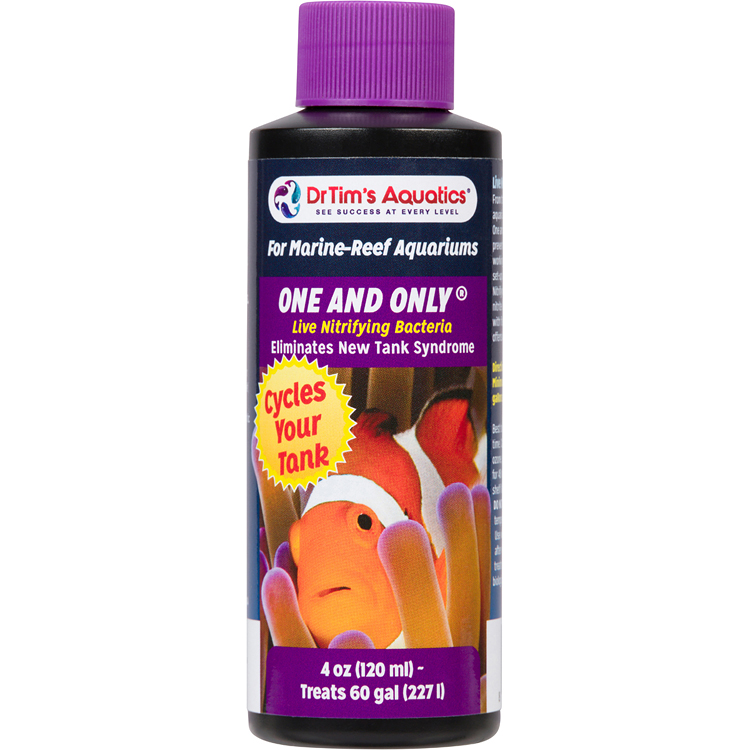
The best water treatment includes using RO/DI water, adding marine salt mix, and conditioning with beneficial bacteria. This ensures clean, balanced water for marine fish health and growth.
How Often Should I Treat Water In A Marine Aquarium?
Treat water during every water change, typically 10-20% weekly or biweekly. Regular treatment maintains water quality and prevents harmful toxin buildup.
Why Is Dechlorination Important For Marine Fish Water?
Dechlorination removes chlorine and chloramine, which are toxic to marine fish. It protects fish gills and promotes a safe, healthy aquarium environment.
Can I Use Tap Water Directly For Marine Fish Tanks?
No, tap water contains harmful chemicals and minerals. Always use RO/DI filtered water and add marine salt mix for a safe environment.
Conclusion
Proper water treatment keeps marine fish healthy and happy. Clean water means fewer diseases and better fish growth. Testing water regularly helps catch problems early. Use filters and conditioners to maintain water quality. Remember, good water care saves time and money.
Enjoy your marine tank with clear, safe water. Simple steps make a big difference for your fish. Keep learning and stay patient for the best results. Your fish will thank you with vibrant colors and lively behavior. Water treatment is key to a thriving marine aquarium.