
If you have a lightly stocked tank, you might think water treatment isn’t a big deal. But even a few fish need clean, healthy water to thrive.
Poor water quality can quickly cause stress, disease, and even death. You want your tank to be a safe, vibrant home—not a constant battle against problems. You’ll discover simple, effective ways to keep your tank water crystal clear and perfectly balanced.
By the end, you’ll have the tools to protect your aquatic life and enjoy a beautiful, healthy tank every day. Keep reading—your fish will thank you!
Credit: www.co2art.us
Challenges In Lightly Stocked Tanks
Maintaining water quality in lightly stocked tanks can be tough. These tanks have fewer fish, but water issues still arise.
Small changes in water chemistry can affect the whole tank. Understanding common challenges helps keep fish healthy.
Common Water Quality Issues
Lightly stocked tanks face problems like ammonia buildup and low oxygen. These affect fish health and water clarity.
- Ammonia and nitrite spikes
- Low dissolved oxygen levels
- pH fluctuations
- Algae growth
- Waste accumulation
Impact On Aquatic Life
Water problems cause stress and illness in fish. Poor water quality lowers their immune response and growth.
| Water Issue | Effect on Fish |
| High Ammonia | Gill damage and breathing problems |
| Low Oxygen | Weakness and slower growth |
| pH Swings | Stress and reduced feeding |
| Algae Blooms | Oxygen drops at night |
Factors Affecting Water Clarity
Clear water is important for fish health and tank beauty. Several factors affect how clear the water stays.
- Overfeeding increases waste and cloudiness
- Insufficient filtration lets particles build up
- Algae growth makes water green or murky
- Uneaten food breaks down and clouds water
- Water source quality impacts clarity

Credit: www.reddit.com
Natural Filtration Methods
Water treatment in lightly stocked tanks can benefit from natural filtration. These methods help keep water clean without chemicals. They support a healthy environment for aquatic life.
Natural filtration uses plants, bacteria, and physical filters. These methods work together to remove waste and toxins from the water. They are simple and effective for small tanks.
Use Of Aquatic Plants
Aquatic plants absorb nutrients and pollutants from the water. They reduce algae growth by competing for nutrients. Plants also provide oxygen and shelter for fish and beneficial microorganisms.
- Water lilies reduce light and limit algae growth
- Cattails absorb excess nutrients
- Hornwort oxygenates the water
- Duckweed helps remove nitrates
Beneficial Bacteria Introduction
Beneficial bacteria break down fish waste and organic matter. They convert harmful ammonia to less toxic substances. Adding these bacteria helps maintain balanced water quality.
| Type of Bacteria | Function |
| Nitrosomonas | Convert ammonia to nitrite |
| Nitrobacter | Convert nitrite to nitrate |
| Other heterotrophic bacteria | Break down organic waste |
Gravel And Sand Filtration
Gravel and sand filter water by trapping debris. They also support bacterial colonies. These colonies help break down waste and improve water clarity.
Benefits of Gravel and Sand Filtration:
- Physical removal of particles
- Biological filtration through bacteria
- Easy to clean and maintain
- Natural and chemical-free process
Mechanical Filtration Options
Mechanical filtration helps keep water clean by removing solid waste. It is important for lightly stocked tanks to maintain water clarity and fish health.
This type of filtration captures debris like uneaten food and fish waste before it breaks down. Choosing the right mechanical filter is easy with the right information.
Types Of Filters Suitable For Small Tanks
Small tanks need filters that fit their size and water volume. Common options include sponge filters, hang-on-back filters, and canister filters.
- Sponge Filters:Use air to draw water through a sponge that traps debris.
- Hang-on-Back Filters:Attach to the tank’s edge and pull water through a filter pad.
- Canister Filters:External units that hold more filter media and clean larger volumes.
Setup And Maintenance Tips
Proper setup and regular care keep filters working well. Place the filter where water flows freely for best results.
- Install the filter according to the instructions.
- Clean filter media once every 2-4 weeks to avoid clogging.
- Use tank water to rinse sponges or pads, preserving beneficial bacteria.
- Check pump and air tubes for blockages regularly.
- Replace worn parts as needed to maintain efficiency.
Pros And Cons Of Mechanical Filters
| Pros | Cons |
| Removes solid waste effectively | Needs frequent cleaning |
| Easy to install and use | Can reduce water flow if clogged |
| Helps maintain clear water | Does not remove dissolved chemicals |
| Affordable options for small tanks | Some models may be noisy |
Chemical Treatments
Water treatment is important for lightly stocked tanks. Chemical treatments help maintain water quality. They ensure a safe environment for fish and plants.
Different chemicals serve various purposes. They condition water, control algae, and prevent harm. Choose the right chemicals for a healthy tank.
Safe Water Conditioners
Water conditioners remove harmful substances. They neutralize chlorine and chloramine. These chemicals are dangerous to fish.
Conditioners also detoxify heavy metals. This makes tap water safe for tanks. Always follow the instructions on the bottle.
- Neutralizes chlorine and chloramine
- Detoxifies heavy metals
- Safe for fish and plants
Algae Control Solutions
Algae can quickly take over a tank. It blocks light and steals nutrients. Chemical solutions control algae growth.
These solutions are safe when used correctly. They target algae without harming fish. Regular use keeps algae in check.
- Prevents excessive algae growth
- Safe for fish and plants
- Use as instructed for best results
Avoiding Harmful Chemicals
Not all chemicals are safe for tanks. Some can harm fish and plants. Avoid products with copper or high phosphates.
Read labels carefully before use. Test water regularly to ensure safety. A balanced tank needs careful monitoring.
- Avoid chemicals with copper
- Check for high phosphates
- Read labels and instructions
Regular Maintenance Practices
Keeping water clean is key for lightly stocked tanks. Proper care helps fish stay healthy. Regular maintenance stops problems early.
Simple routines keep water quality stable. This guide covers schedules, cleaning, and monitoring tips. Follow these steps to maintain your tank.
Water Change Schedules
Changing water regularly removes waste and toxins. Small, frequent changes work best for lightly stocked tanks. Avoid big water changes that stress fish.
- Change 10% to 20% of water weekly.
- Use dechlorinated water at the same temperature.
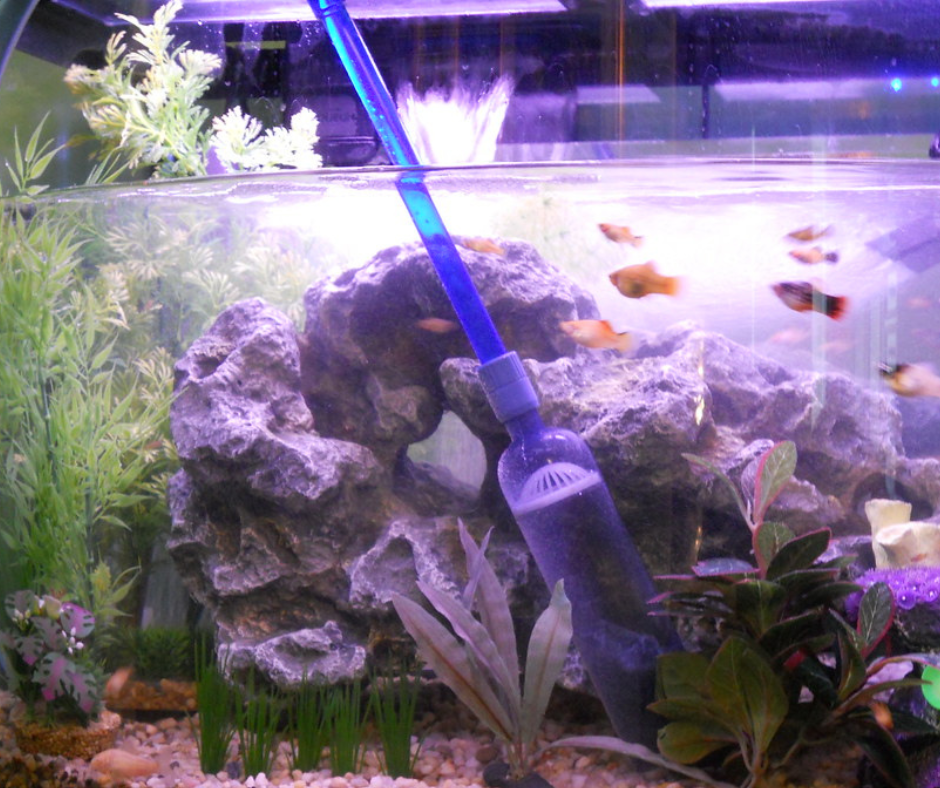
- Remove debris with a siphon during water changes.
- Adjust frequency if water tests show poor quality.
Cleaning Techniques
Cleaning removes algae, waste, and uneaten food. Use gentle tools to protect beneficial bacteria. Avoid harsh chemicals that harm tank life.
- Clean the tank glass with a soft scraper or sponge.
- Vacuum the substrate to remove dirt and leftover food.
- Rinse filter media in tank water to keep bacteria alive.
- Trim plants and remove dead leaves regularly.
Monitoring Water Parameters
Check water quality to spot issues fast. Keep key parameters in safe ranges. Use test kits to measure regularly.
| Parameter | Safe Range | Why It Matters |
|---|---|---|
| Ammonia | 0 ppm | Toxic to fish even in small amounts |
| Nitrite | 0 ppm | Can cause breathing problems for fish |
| Nitrate | < 20 ppm | High levels stress fish and promote algae |
| pH | 6.5 – 7.5 | Fish need stable pH to stay healthy |
| Temperature | Varies by species | Keep consistent to avoid stress |
Innovative Treatment Technologies
Managing water quality in lightly stocked tanks is important. Innovative treatment technologies help maintain a healthy environment.
These technologies focus on removing impurities and preventing disease. They ensure the water remains clean and safe for aquatic life.
Uv Sterilizers
UV sterilizers use ultraviolet light to kill harmful microorganisms. This method is chemical-free and does not affect water quality.
Ozone Treatment
Ozone treatment breaks down pollutants and kills bacteria. It releases oxygen into the water, improving its quality.
- Ozone is a powerful disinfectant
- Improves water clarity
- Reduces odor and taste issues
Automated Monitoring Systems
Automated systems monitor water parameters like pH, temperature, and dissolved oxygen. They provide real-time data for better management.
| Parameter | Ideal Range |
| pH | 6.5 – 8.0 |
| Temperature | 20°C – 26°C |
| Dissolved Oxygen | 5 – 7 mg/L |
Cost-effective Strategies
Water treatment is important for keeping lightly stocked tanks healthy. Using low-cost methods can save money and effort.
This guide covers simple and affordable ways to maintain good water quality without big expenses.
Diy Filtration Systems
Building your own filtration system helps reduce costs. It uses easy-to-find materials and basic tools.
- Use sponge filters for biological filtration
- Repurpose plastic bottles as filter containers
- Combine gravel, charcoal, and sponge layers
- Install air pumps to improve water flow
- Clean filters regularly to maintain performance
Budget-friendly Maintenance Tips
Regular care keeps the tank water clean without extra costs. Simple habits prevent major problems.
| Maintenance Task | Frequency | Cost Impact |
| Partial water changes | Weekly | Low |
| Filter cleaning | Every 2 weeks | None |
| Check water parameters | Weekly | Low (test strips) |
| Remove uneaten food | Daily | None |
| Inspect equipment | Monthly | None |
Maximizing Efficiency With Minimal Investment
Small changes in setup and routine boost water quality. These tips use little money but great effect.
- Place tank away from direct sunlight to reduce algae
- Use native plants to absorb waste naturally
- Feed fish only what they eat quickly
- Recycle used filter media to keep beneficial bacteria
- Monitor temperature to avoid stress on fish
Credit: www.co2art.us
Frequently Asked Questions
What Is Water Treatment For Lightly Stocked Tanks?
Water treatment for lightly stocked tanks involves managing water quality to ensure fish health. It includes filtration, aeration, and chemical balancing to reduce harmful substances. This process prevents diseases and promotes optimal growth in tanks with low fish density.
Why Is Water Treatment Important In Lightly Stocked Tanks?
Water treatment is crucial to maintain clean, oxygen-rich water. It prevents toxin buildup and bacterial infections. Even with fewer fish, proper treatment ensures a stable environment, supporting fish health and reducing maintenance efforts.
How Often Should Water Be Treated In Lightly Stocked Tanks?
Water treatment frequency depends on tank size and stock density. Generally, partial water changes and filtration checks are done weekly. Regular monitoring helps maintain water quality and prevents sudden changes harmful to fish.
What Are Common Water Treatment Methods For Small Tanks?
Common methods include mechanical filtration, biological filtration, and aeration. Chemical treatments like pH adjusters and dechlorinators are also used. These methods keep water clean, balanced, and safe for fish in lightly stocked tanks.
Conclusion
Keeping water clean helps fish stay healthy and grow well. Treat water regularly to stop harmful germs and toxins. Use easy methods to keep water clear and oxygen-rich. Check water quality often to catch problems early. Good water care means fewer fish diseases and better tank life.
Small tanks still need careful attention for best results. Simple steps make big differences in fish health. Clean water, happy fish.