
If you have a large aquarium, you know how important clean, healthy water is for your fish and plants. But keeping that water pure isn’t always easy.
You might wonder how to remove harmful chemicals, control algae, or keep the water clear without stressing your aquatic life. This guide will help you understand the best water treatment methods for large aquariums. By the end, you’ll feel confident about creating a safe and thriving environment for your underwater world.
Keep reading to discover simple, effective steps you can take right now.
Importance Of Water Quality
Water quality is key to keeping large aquariums healthy. Clean water supports fish life and keeps the environment stable.
Good water quality means controlling chemicals, waste, and oxygen levels. This helps fish grow strong and live longer.
Impact On Fish Health
Poor water quality can make fish sick or cause death. Clean water prevents diseases and helps fish breathe well.
- Removes harmful chemicals like ammonia and nitrites
- Keeps water oxygen-rich for fish breathing
- Controls pH to avoid stress in fish
- Reduces waste that can cause infections
- Prevents harmful algae growth
Role In Ecosystem Balance
Water quality affects all living things in the aquarium. It helps keep the ecosystem in balance.
| Factor | Effect |
| Ammonia Levels | Too high harms fish and plants |
| Nitrate Levels | High amounts cause algae blooms |
| Oxygen Content | Low oxygen stresses aquatic life |
| pH Level | Wrong pH affects fish health |
| Temperature | Stable temperature supports growth |

Credit: www.youtube.com
Common Water Contaminants
Large aquariums need clean water for fish and plants to live well. Water can have different contaminants that harm aquatic life.
Knowing common water contaminants helps keep the aquarium safe and healthy. This guide covers three main types of contaminants.
Chemical Pollutants
Chemical pollutants come from things like tap water, cleaning products, or fish waste. Some chemicals can be harmful even in small amounts.
Common chemicals include chlorine, ammonia, nitrates, and heavy metals. These can stress or poison fish if not removed.
- Chlorine from treated tap water
- Ammonia from fish waste and decay
- Nitrates from decomposed materials
- Heavy metals like copper and lead
Biological Waste
Biological waste includes fish poop, leftover food, and dead plant parts. This waste breaks down and releases harmful substances.
Too much biological waste causes poor water quality and can lead to disease in fish.
- Fish feces
- Uneaten fish food
- Decaying plants
- Dead aquatic animals
Physical Debris
Physical debris means small bits of dirt, sand, or plant matter floating in the water. These particles make the water cloudy.
Debris can block filters and reduce light reaching plants. Removing it keeps the aquarium clean and clear.
- Sand and dirt
- Plant leaves and stems
- Fish scales and mucus
- Small pieces of waste
Water Testing Techniques
Testing water is very important for large aquariums. It helps keep fish and plants healthy.
Regular tests show if water is clean and safe. Different tests check for different things.
Key Parameters To Monitor
Check water for ammonia, nitrites, and nitrates. These can harm fish if high.
Measure pH to see if water is too acidic or basic. Stable pH is best for fish.
- Ammonia: toxic waste from fish and food
- Nitrites: harmful chemical from ammonia breakdown
- Nitrates: less harmful but should be low
- pH level: shows acidity or alkalinity
- Hardness: minerals in water affecting fish health
- Temperature: affects fish metabolism and oxygen
Tools And Kits For Testing
Use water test kits to measure key chemicals. These kits are easy and fast.
Digital meters give quick and accurate results. They measure pH, temperature, and more.
- Test strips: dip in water, compare colors
- Liquid test kits: add drops, watch color change
- Digital pH meters: show exact pH numbers
- Ammonia and nitrate testers: check waste levels
- Thermometers: monitor water temperature
Filtration Methods
Water treatment is important for large aquariums. It keeps the water clean and safe for fish and plants.
Filtration removes dirt and harmful substances. There are three main types of filtration used in aquariums.
Mechanical Filtration
Mechanical filtration removes solid particles from the water. It traps debris like uneaten food, fish waste, and plant matter.
- Uses filter pads, sponges, or floss
- Prevents clogging of other filters
- Needs regular cleaning or replacement
Biological Filtration
Biological filtration uses good bacteria to break down harmful chemicals. These bacteria turn ammonia into less harmful substances.
| Stage | Chemical Process | Result |
| Ammonia | Broken down by Nitrosomonas bacteria | Converted to Nitrite |
| Nitrite | Broken down by Nitrobacter bacteria | Converted to Nitrate |
| Nitrate | Less harmful, removed by water changes | Safe for fish in low levels |
Chemical Filtration
Chemical filtration removes dissolved substances from the water. It uses special media to absorb or neutralize chemicals.
Common chemical filtration media:
- Activated carbon: removes odors and toxins
- Zeolite: absorbs ammonia
- Phosphate removers: reduce algae growth
Water Conditioning Options
Water treatment is very important for large aquariums. Clean water keeps fish healthy and happy.
There are several ways to condition water. This helps remove harmful chemicals and balance water quality.
Dechlorination Processes
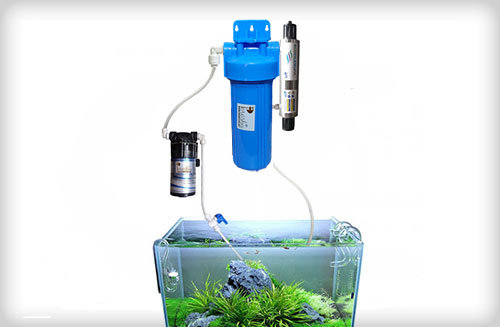
Tap water often contains chlorine or chloramine. These chemicals are harmful to fish. Dechlorination removes them from the water.
Common dechlorination options include chemical treatments and activated carbon filters. Both help make water safe for aquarium use.
- Chemical dechlorinators neutralize chlorine quickly
- Activated carbon filters absorb chlorine and chloramine
- Letting water sit allows chlorine to evaporate naturally
Ph Adjustment
Fish need water with the right pH level. pH shows how acidic or basic the water is. Each fish species prefers a certain pH range.
You can adjust pH by adding specific chemicals or using natural materials. Testing pH regularly helps keep it stable.
- Lime or baking soda raises pH
- Peat moss or driftwood lowers pH
- Commercial pH adjusters provide quick changes
Temperature Control
Water temperature affects fish health and activity. Large aquariums need steady temperatures to avoid stress.
Use heaters or chillers to keep the water at the right temperature. Monitor temperature with reliable sensors.
- Heaters warm the water in cold environments
- Chillers cool the water in hot climates
- Thermometers help check temperature regularly
Credit: www.irawaters.net
Maintenance Routines
Water treatment is vital for large aquariums. It keeps the environment safe for aquatic life. Regular maintenance routines ensure water quality remains high.
Effective maintenance includes cleaning schedules, water changes, and filter replacements. These steps help maintain a healthy habitat for fish and plants.
Regular Cleaning Schedules
Cleaning the aquarium regularly prevents algae build-up and removes waste. This keeps the water clear and healthy for fish.
Plan to clean your aquarium every two weeks. Use tools like algae scrapers and vacuum gravel to remove debris.
- Scrape algae from glass surfaces
- Vacuum gravel to remove uneaten food and waste
- Wipe down any decorations
Water Change Strategies
Changing water is crucial to maintain water quality. It removes toxins that can harm fish and plants. Regular water changes also balance chemical levels.
Replace 20-30% of the water weekly. Use a water conditioner to treat tap water before adding it to the tank.
- Use a siphon to remove old water
- Add treated water slowly to avoid shocking fish
- Check water temperature to match tank conditions
Filter Replacement Tips
Filters keep water clean by removing particles and waste. Over time, they can become clogged and less effective. Regular replacement ensures optimal performance.
Check the filter every month. Replace or clean filter media as needed. Follow the manufacturer’s guidelines for specific instructions.
- Rinse filter media with old tank water
- Replace carbon filters every 4-6 weeks
- Ensure proper fit to avoid water bypassing the filter
Advanced Treatment Technologies
Large aquariums need advanced water treatment to keep aquatic life healthy. These technologies help maintain water quality and clarity.
Using the right treatment ensures a balanced ecosystem. Let’s explore some key technologies used in large aquariums.
Uv Sterilization
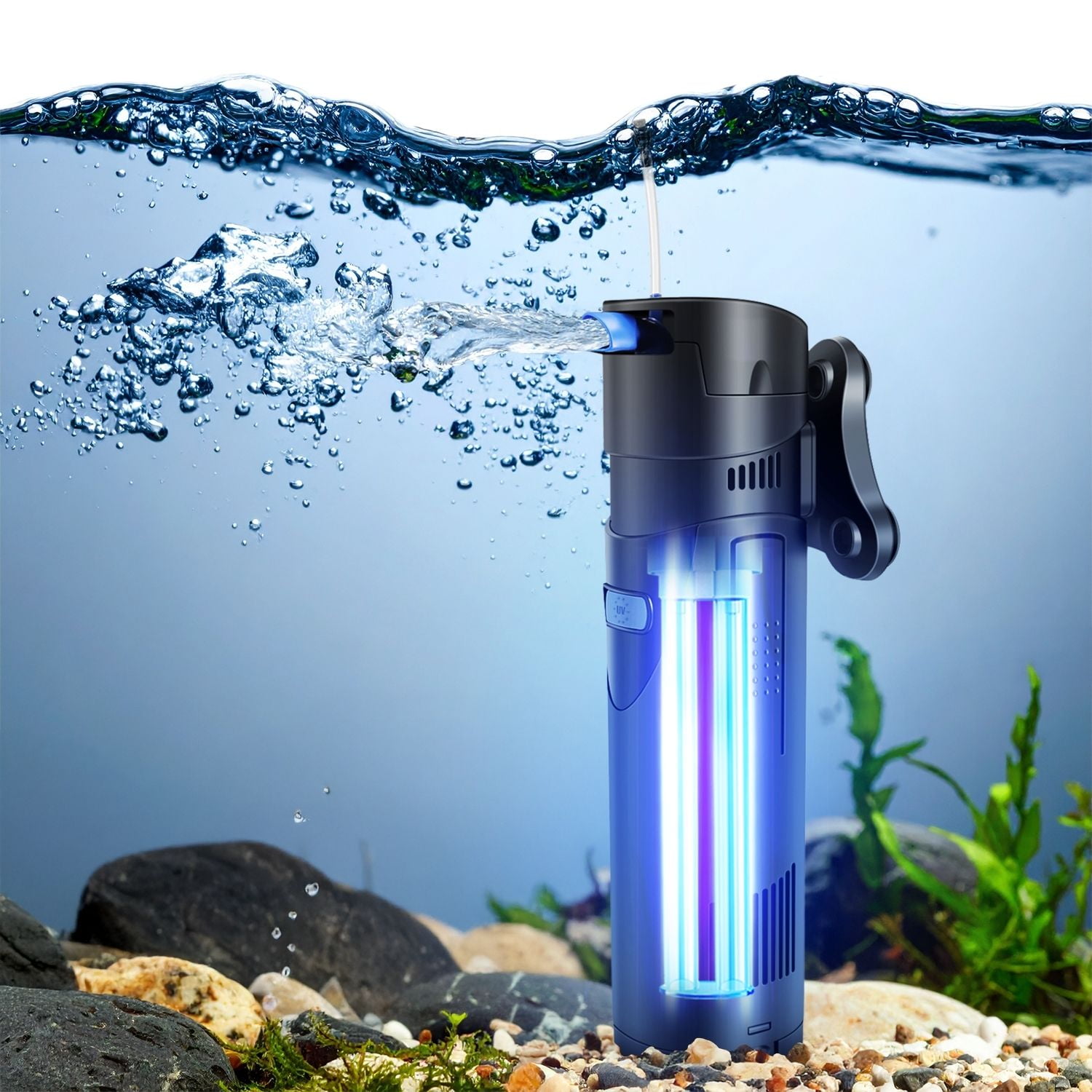
UV sterilization uses ultraviolet light to kill harmful microorganisms. It helps control algae and bacteria.
- Reduces the spread of disease
- Improves water clarity
- Safe for fish and plants
Ozone Treatment
Ozone treatment purifies water by breaking down pollutants. It adds oxygen, which benefits aquatic life.
- Removes organic waste
- Destroys pathogens
- Enhances water oxygen levels
Reverse Osmosis Systems
Reverse osmosis systems filter water by removing impurities. This process provides clean and safe water for aquariums.
| Component | Function |
| Membrane | Filters out contaminants |
| Carbon Filter | Removes chlorine and odors |
| Sediment Filter | Captures large particles |
Troubleshooting Water Issues
Large aquariums need clean water for healthy fish and plants. Water problems can harm your aquarium’s balance.
Identifying water issues quickly helps keep your aquarium safe. This guide covers common water troubles and solutions.
Algae Overgrowth
Algae can grow fast and cover your tank surfaces. Too much light or excess nutrients cause this problem.
- Reduce the light hours to 6-8 hours daily
- Check and lower phosphate and nitrate levels
- Clean tank walls and decorations regularly
- Add algae-eating fish or snails carefully
Cloudy Water
Cloudy water can make your aquarium look dirty. It can come from bacteria, waste, or poor filtration.
| Cause | Solution |
| Bacterial bloom | Wait a few days and keep filter running |
| Uneaten food | Remove leftover food and feed less |
| Poor filtration | Clean or upgrade the filter system |
| New tank setup | Do partial water changes regularly |
Ammonia Spikes
Ammonia is harmful to fish at high levels. It comes from fish waste and decaying material.
To reduce ammonia:
- Test water daily using an ammonia test kit
- Do partial water changes of 25% or more
- Remove dead plants and uneaten food
- Use ammonia detoxifiers as a temporary fix
- Check your filter for proper function
Credit: www.walmart.com
Frequently Asked Questions
What Is The Best Water Treatment For Large Aquariums?
The best water treatment involves using mechanical, chemical, and biological filtration. Regular water changes and dechlorination also ensure safe, clean water. Maintaining balanced pH and removing harmful toxins are essential for healthy aquatic life.
How Often Should Water Be Treated In Large Aquariums?
Water should be treated weekly or biweekly depending on tank size and fish load. Frequent testing helps decide if more frequent treatments are necessary. Regular maintenance keeps water quality optimal and fish healthy.
Why Is Biological Filtration Important In Large Aquariums?
Biological filtration breaks down harmful ammonia and nitrites via beneficial bacteria. It maintains a natural nitrogen cycle, keeping water safe for fish. This process is crucial for long-term aquarium health and stability.
Can I Use Tap Water Directly In A Large Aquarium?
Tap water often contains chlorine and heavy metals harmful to fish. Always treat tap water with dechlorinators and conditioners before adding it to the aquarium. This prevents fish stress and health issues.
Conclusion
Proper water treatment keeps large aquariums healthy and clear. Clean water helps fish live longer and stay active. Regular checks prevent harmful chemicals from building up. Using the right filters and treatments makes a big difference. Remember, healthy water means happy fish and plants.
Keep your aquarium water fresh and balanced every day. Simple steps lead to a thriving underwater world. Take care of your tank, and enjoy its beauty.