
If you keep freshwater fish as a hobby, you know how important clean water is for their health. But do you really understand what goes into treating that water?
Getting it right means happier, healthier fish and fewer problems for you. You’ll discover simple, effective ways to treat your aquarium water. By the end, you’ll feel confident that your fish are living in the best environment possible. Keep reading to learn how easy it can be to improve your tank’s water quality and enjoy your hobby even more.
Choosing The Right Water Source
Water quality is key for keeping freshwater fish healthy. Choosing the right water source helps avoid problems. Different sources need different care before use.
Knowing the pros and cons of each water type makes a big difference. This guide covers tap water, well water, and rainwater collection.
Tap Water Considerations
Tap water is easy to get but may contain chemicals. Chlorine and chloramine are common disinfectants. They can harm fish if not removed.
- Test for chlorine and chloramine before use
- Use water conditioners to neutralize chemicals
- Check pH and hardness to match fish needs
- Let water sit for 24 hours if no chloramine is present
Using Well Water
Well water is often free of chlorine but may contain minerals or metals. Testing is important to avoid toxic elements like iron or nitrates.
| Tested Element | Safe Level |
| Iron | Less than 0.3 mg/L |
| Nitrates | Less than 10 mg/L |
| pH | 6.5 to 8.0 |
| Hardness | 50 to 150 mg/L |
Filter or treat well water if tests show high metals or hardness. Aeration can reduce some gases and improve water quality.
Rainwater Collection
Rainwater is soft and low in minerals, which suits some fish species. It is free of chemicals but may pick up dust or pollutants.
Tips for safe rainwater use:
- Collect rainwater in clean containers
- Filter out debris before use
- Test pH and add minerals if needed
- Use rainwater for partial water changes
Essential Water Parameters
Good water quality is key for keeping freshwater fish healthy. It depends on several important factors.
Checking and adjusting these water parameters helps fish thrive in your aquarium.
Ph Levels
pH measures how acidic or basic water is. Most freshwater fish prefer a pH between 6.5 and 7.5.
If pH is too low or too high, fish can become stressed or sick. Test pH regularly and adjust it if needed.
Ammonia And Nitrite
Ammonia and nitrite are toxic chemicals in fish tanks. They come from fish waste and uneaten food.
- Ammonia should always be at 0 ppm (parts per million).
- Nitrite should also be at 0 ppm for safe water.
- High levels harm fish and can cause death.
- Use filters and change water to keep levels low.
Hardness And Alkalinity
Water hardness shows the amount of minerals like calcium and magnesium.
Alkalinity measures the water’s ability to resist pH changes. Both affect fish health.
| Parameter | Ideal Range | Effect on Fish |
| Hardness (GH) | 4-12 dGH | Supports strong bones and scales |
| Alkalinity (KH) | 3-8 dKH | Stabilizes pH levels |
Water Conditioning Methods
Water treatment is vital for freshwater fish. Proper methods keep your fish healthy. Here, we explore different techniques.
Let’s look at ways to condition water. Each method has unique benefits for your aquarium.
Dechlorination Techniques
Chlorine harms fish and needs removal. Dechlorination is key for safe water.
- Use activated carbon filters
- Let water sit for 24 hours
- Boil water for 20 minutes
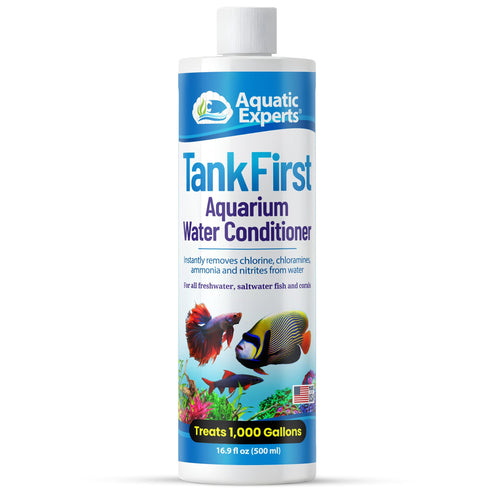
Using Water Conditioners
Water conditioners neutralize harmful chemicals. They make tap water safe for fish.
Consider these popular brands:
- Tetra AquaSafe
- Seachem Prime
- API Stress Coat
Removing Heavy Metals
Heavy metals like lead and copper pose risks. Removing them is crucial for fish well-being.
| Method | Effectiveness |
| Water conditioners | High |
| Reverse osmosis | Very High |
| Carbon filters | Moderate |
Filtration Options
Water treatment is important for keeping freshwater fish healthy. Good filtration helps keep water clean and safe.
There are three main types of filtration. Each type works in a different way to clean the water.
Mechanical Filtration
Mechanical filtration removes solid waste from the water. It traps particles like uneaten food and fish waste.
Common mechanical filters use sponges, pads, or floss to catch debris. They need regular cleaning to work well.
- Removes visible particles
- Prevents water cloudiness
- Protects other filters from clogging
- Requires frequent maintenance
Biological Filtration
Biological filtration uses helpful bacteria to break down harmful waste. These bacteria live on filter surfaces.
The bacteria convert toxic ammonia into less harmful nitrate. This keeps fish safe and water healthy.
- Breaks down fish waste
- Supports the nitrogen cycle
- Needs a large surface area for bacteria
- Works best with regular water testing
Chemical Filtration
Chemical filtration removes dissolved substances from water. It uses materials that absorb or react with impurities.
Activated carbon is a common chemical filter. It removes odors, colors, and toxins to improve water quality.
- Absorbs chemicals and odors
- Helps clear tinted water
- Needs replacement regularly
- Works well with other filter types
Regular Water Maintenance
Keeping freshwater fish healthy needs regular water care. Clean water helps fish live longer and stay active.
Regular water maintenance stops harmful chemicals and waste from building up. It keeps the tank safe and clean.
Partial Water Changes
Partial water changes remove dirty water and add clean water. This keeps harmful substances low in the tank.
Change about 10-25% of the water every week or two. Use water that matches the tank’s temperature and pH.
- Use a siphon to remove water and debris from the gravel
- Do not change all water at once to avoid stress
- Always treat tap water to remove chlorine and chloramine
Cleaning Filter Media
Filters trap waste and keep water clear. Clean the filter media to keep it working well.
Rinse filter media in old tank water, not tap water. This keeps helpful bacteria alive.
- Clean filter pads and sponges every month
- Replace filter media as the manufacturer suggests
- Do not clean all media at once to keep bacteria healthy
Testing Water Quality
Test water often to check levels of ammonia, nitrites, and nitrates. These can harm fish if too high.
Use test kits to measure pH and hardness. Keep water stable to avoid stressing fish.
- Test water weekly during regular maintenance
- Watch for sudden changes in test results
- Adjust maintenance if water quality drops

Credit: jungleaquatics.com
Preventing Common Water Issues
Freshwater fish need clean and healthy water to thrive. Poor water quality causes stress and disease. Preventing water problems is key to a happy fish tank.
Simple habits help keep water clear and safe. Regular care stops common issues like algae, overfeeding, and waste build-up.
Algae Control
Algae grows fast in tanks with too much light or nutrients. It can make water green and harm fish. Controlling algae keeps the tank clean and clear.
Limit sunlight and tank light to 8-10 hours a day. Use a good filter to remove excess nutrients. Clean the tank glass and decorations regularly.
- Reduce tank light duration
- Use algae-eating fish or snails
- Remove algae manually each week
- Keep plants healthy to compete with algae
Avoiding Overfeeding
Overfeeding causes leftover food to rot in the water. This pollutes the tank and harms fish health. Feed fish only what they eat in 2-3 minutes.
Use small amounts of food several times a day. Remove any uneaten food quickly. Choose quality fish food that sinks or floats as needed.
- Feed small portions
- Feed 2-3 times daily
- Remove leftover food
- Adjust feeding as fish grow
Managing Waste Build-up
Fish waste and decaying plants add harmful chemicals to the water. Waste build-up lowers water quality and stresses fish. Regular cleaning stops this problem.
Change 10-20% of the water weekly. Use a gravel vacuum to clean the tank bottom. Check and clean the filter as recommended.
- Do weekly partial water changes
- Vacuum tank gravel to remove debris
- Clean or replace filter media
- Remove dead plants and waste
Special Tips For Sensitive Species
Keeping sensitive freshwater fish happy requires special care. Each species has unique needs. Understanding these needs is essential for their well-being.
Focus on water quality to ensure your fish thrive. This guide offers tips on caring for sensitive species.
Soft Water Fish Care
Soft water fish prefer low mineral content. This mimics their natural habitat.
- Use reverse osmosis water to reduce hardness.
- Regularly test water with a hardness kit.
- Add peat moss to the filter for softer water.
Acidic Water Preferences
Some fish thrive in acidic water. This requires careful pH management.
| pH Level | Fish Type |
| 6.0 – 6.5 | Neon Tetras |
| 5.5 – 6.0 | Discus Fish |
| 6.2 – 6.8 | Angelfish |
Temperature Stability
Temperature changes stress fish. Stability is key to their health.

Credit: www.amazon.com
Credit: www.aquaticexperts.com
Frequently Asked Questions
What Is The Best Water Treatment For Freshwater Fish?
The best water treatment removes chlorine, chloramine, and heavy metals. Use water conditioners that detoxify harmful chemicals. Regular testing and partial water changes keep water safe and stable for freshwater fish health.
How Often Should I Treat Water In My Fish Tank?
Treat water during every water change, typically every 1-2 weeks. This prevents toxin buildup and maintains stable water conditions. Consistent treatment ensures a healthy environment and reduces fish stress or disease risk.
Can Untreated Tap Water Harm Freshwater Fish?
Yes, untreated tap water contains chlorine and chloramine, which are toxic to fish. Heavy metals and impurities can also harm fish health. Treating tap water neutralizes these harmful substances before adding water to the aquarium.
Which Water Parameters Should I Monitor After Treatment?
Monitor pH, ammonia, nitrite, and nitrate levels regularly. Proper treatment stabilizes these parameters, ensuring a safe habitat. Use reliable test kits to track water quality and adjust treatment as needed for fish wellbeing.
Conclusion
Clean water keeps your fish healthy and happy. Treat water carefully before adding fish. Test water regularly to check pH and chlorine levels. Use proper filters to remove dirt and toxins. Change water often to keep the tank fresh. Remember, good water means strong fish and less disease.
Simple steps can make a big difference. Enjoy your freshwater fish hobby with confidence and care.