
Are you worried about the safety of your water? Bacteria in your water can cause serious health problems without you even realizing it.
Knowing how to control these harmful microorganisms is key to keeping your family safe and your home healthy. You’ll discover simple and effective ways to treat your water and protect yourself from dangerous bacteria. Keep reading to learn how easy it can be to improve your water quality and gain peace of mind.
Credit: www.waterpurifieronline.com
Common Bacterial Contaminants
Bacteria in water can cause illness and harm health. Treating water helps control these bacteria.
Understanding common bacterial contaminants is key to safe water treatment.
Types Of Harmful Bacteria
Some bacteria in water cause diseases. They can make people sick with stomach or other infections.
- Escherichia coli (E. coli)– Often found in fecal matter. Causes diarrhea and cramps.
- Salmonella– Leads to food poisoning symptoms like fever and diarrhea.
- Legionella– Causes a lung infection called Legionnaires’ disease.
- Campylobacter– Causes stomach pain, diarrhea, and fever.
- Shigella– Leads to severe diarrhea and fever.
Sources Of Bacterial Contamination
Bacteria enter water from many places. Knowing these sources helps prevent contamination.
- Human and animal waste that seeps into water supplies.
- Runoff from farms and fields carrying bacteria.
- Broken or leaking sewage pipes near water sources.
- Surface water exposed to wildlife and birds.
- Poor sanitation at water collection or storage points.
Physical Treatment Methods
Physical treatment methods remove bacteria from water without chemicals. They use natural forces or barriers to clean water.
These methods are safe and help improve water quality for many uses.
Filtration Techniques
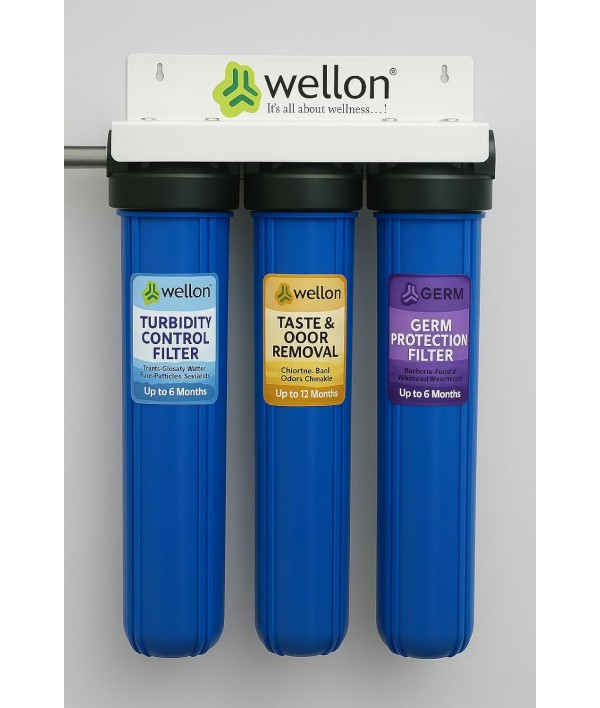
Filtration removes bacteria by passing water through materials that block particles. Filters trap dirt, bacteria, and other impurities.
- Sand filters use layers of sand to catch bacteria and particles.
- Membrane filters have tiny pores that only let water pass.
- Activated carbon filters remove some bacteria and improve taste.
- Ceramic filters have small holes that stop bacteria from passing.
Ultraviolet (uv) Radiation
UV radiation kills bacteria by damaging their DNA. This stops bacteria from growing and reproducing.
| Benefit | Details |
| Effective | Kills many types of bacteria quickly |
| Chemical-Free | No need for chemicals or additives |
| Safe | Does not change water taste or smell |
| Requires Power | Needs electricity to work properly |
Chemical Treatment Methods
Chemical treatment methods help control bacteria in water. They kill harmful germs and make water safe to use.
This guide covers chlorination, ozonation, and the use of silver and copper ions. Each method works differently to clean water.
Chlorination
Chlorination adds chlorine to water to kill bacteria and viruses. It is a common and effective way to disinfect water.
- Chlorine reacts with bacteria to destroy their cells.
- It also removes unpleasant smells and tastes from water.
- Chlorine is easy to use and costs less than other methods.
- It leaves a small amount of chlorine in water to keep it safe during storage.
Ozonation
Ozonation uses ozone gas to kill bacteria in water. Ozone is a strong oxidizer that breaks down harmful microbes quickly.
| Benefit | Description |
| Strong Disinfectant | Ozone kills bacteria faster than chlorine. |
| No Chemical Residue | Ozone breaks down into oxygen, leaving no harmful leftovers. |
| Improves Taste | Removes bad odors and tastes from water. |
| Cost | More expensive than chlorination due to equipment needs. |
Use Of Silver And Copper Ions
Silver and copper ions kill bacteria by disrupting their cell functions. These metals release ions into water to control germs.
Advantages of Silver and Copper Ions:
- They provide long-term bacteria control.
- Safe at low concentrations for drinking water.
- Used in filters and water storage tanks.
- Do not change water taste.
Biological Treatment Approaches
Biological treatment uses living organisms to control bacteria in water. These methods are natural and effective for cleaning water.
Two common biological approaches are biofiltration and constructed wetlands. Each uses different processes to reduce harmful bacteria.
Biofiltration
Biofiltration uses filters filled with materials that support bacterial growth. The bacteria then break down harmful substances in water.
- Water passes through layers like sand, gravel, or activated carbon
- Beneficial bacteria grow on these layers
- Bacteria consume and remove harmful bacteria and organic matter
- Clean water exits the filter after treatment
Constructed Wetlands
Constructed wetlands mimic natural wetlands to treat water biologically. Plants, soil, and microbes work together to clean water.
| Component | Role in Treatment |
| Wetland Plants | Provide surface for bacteria and absorb nutrients |
| Soil | Filters particles and supports microbes |
| Microorganisms | Break down bacteria and organic pollutants |
| Water Flow | Allows contact with plants and microbes for cleaning |
Advanced Technologies
Water treatment uses new technologies to control bacteria. These methods help make water safe to use and drink.
Advanced technologies work by removing or killing bacteria in water. This improves water quality and health safety.
Membrane Filtration
Membrane filtration uses thin layers to block bacteria and other particles. Water passes through, leaving contaminants behind.
- Microfiltration removes large particles and bacteria.
- Ultrafiltration blocks smaller bacteria and viruses.
- Nanofiltration filters out tiny particles and some chemicals.
- Reverse osmosis removes almost all bacteria and dissolved solids.
Advanced Oxidation Processes
Advanced oxidation uses chemicals and light to kill bacteria. It breaks down harmful substances in water.
| Process | How It Works | Effect on Bacteria |
| Ozone Treatment | Ozone gas reacts with bacteria walls | Kills bacteria quickly |
| UV Light | Ultraviolet light damages bacterial DNA | Prevents bacteria from reproducing |
| Hydrogen Peroxide | Produces free radicals that attack bacteria | Destroys bacteria and organic matter |

Credit: www.minimalistjourneys.com
Factors Affecting Treatment Efficiency
Water treatment for bacteria control is essential for safe water. Many factors can influence how well these treatments work.
Understanding these factors helps improve the efficiency of water treatment systems. This ensures clean and safe water for everyone.
Water Quality Parameters
The quality of water affects treatment success. Parameters like pH, temperature, and turbidity are important.
These factors can change how treatments react with bacteria. Monitoring them is key to effective treatment.
- pH levels influence treatment chemicals
- Temperature affects bacterial growth
- Turbidity can block treatment processes
System Maintenance
Regular maintenance of the treatment system is crucial. It ensures the system works efficiently over time.
Proper upkeep prevents breakdowns and ensures consistent water quality. It also extends the life of the equipment.
- Check equipment regularly for wear and tear
- Clean filters to maintain flow rates
- Calibrate sensors to ensure accuracy
Choosing The Right Method
Water treatment is essential for controlling bacteria. Choosing the right method ensures safety and effectiveness.
Consider different factors like cost, environmental impact, and scalability when selecting a treatment method.
Cost Considerations
Cost is a major factor in choosing a water treatment method. Some methods are cheaper to install, but might cost more over time.
- Initial setup costs
- Maintenance expenses
- Energy consumption
Environmental Impact
Different methods have varying environmental effects. It’s important to select methods that are eco-friendly.
Consider using green technologies that minimize harm to the environment.
Scalability And Application
Scalability ensures the method can be used for both small and large-scale applications. Choose a method that fits your specific needs.
| Method | Best For |
| UV Treatment | Small to medium systems |
| Chlorination | Large-scale systems |
| Filtration | Various scales |

Credit: www.amazon.com
Frequently Asked Questions
What Methods Effectively Control Bacteria In Water Treatment?
Effective bacteria control methods include chlorination, UV treatment, ozonation, and filtration. These techniques kill or remove harmful bacteria, ensuring safe drinking water.
How Does Uv Light Kill Bacteria In Water?
UV light destroys bacterial DNA, preventing reproduction. It is chemical-free, fast, and effective against many waterborne pathogens.
Why Is Chlorination Widely Used In Water Treatment?
Chlorination is cost-effective and provides residual disinfection. It kills bacteria and controls microbial growth in water distribution systems.
Can Filtration Remove Bacteria From Drinking Water?
Yes, filtration with membranes or activated carbon can physically remove bacteria and impurities, improving water quality and safety.
Conclusion
Controlling bacteria in water keeps families safe and healthy. Using proper water treatment stops germs from spreading. Clean water helps prevent many illnesses. Simple steps like filtering and disinfecting work well. Regular checks ensure water stays pure and safe. Everyone deserves water free from harmful bacteria.
Protect your home with reliable treatment methods. Safe water means peace of mind every day. It’s a small effort with big benefits. Choose smart water care for a healthier life.