
Are you struggling to keep your adult fish tank water clean and healthy? Proper water treatment is the key to creating a safe environment for your fish to thrive.
If your water isn’t treated right, it can harm your fish and lead to costly problems. You’ll discover simple and effective ways to treat your adult tank water so your aquatic pets stay vibrant and strong. Keep reading to learn how small changes in water care can make a big difference in your tank’s health.
Importance Of Clean Water In Adult Tanks
Clean water is very important for adult fish tanks. It helps keep fish healthy and the tank environment stable.
Dirty water causes stress and illness in fish. Good water quality supports fish growth and activity.
Effects On Fish Health
Fish need clean water to breathe and stay strong. Dirty water can cause diseases and make fish weak.
- Reduces harmful bacteria and parasites
- Prevents oxygen shortage
- Limits toxin build-up like ammonia and nitrites
- Supports fish immune system
Impact On Tank Ecosystem
A balanced tank ecosystem depends on clean water. It helps plants, beneficial bacteria, and animals live well.
| Factor | Effect |
| Water Clarity | Improves light for plants |
| pH Level | Keeps fish and bacteria healthy |
| Ammonia Level | Low levels prevent toxicity |
| Beneficial Bacteria | Breaks down waste safely |
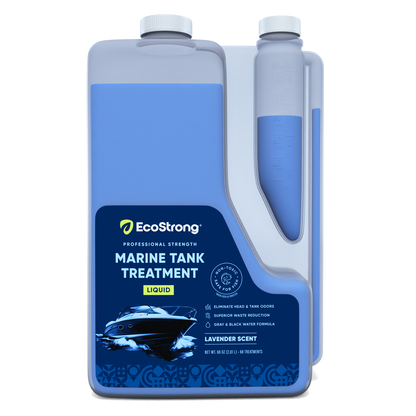
Credit: ecostrong.com
Common Water Contaminants
Water in adult tanks can get contaminated by various substances. Keeping water clean is crucial for fish health.
Understanding different contaminants helps maintain a healthy environment.
Chemical Pollutants
Chemical pollutants harm aquatic life. They often come from household products and waste.
- Pesticides
- Fertilizers
- Heavy metals
- Detergents
Biological Waste
Biological waste includes decomposing plants and fish excrement. It can lead to harmful bacteria growth.
| Source | Impact |
| Fish Waste | Increases ammonia levels |
| Plant Decay | Reduces oxygen |
| Uneaten Food | Promotes algae growth |
Physical Debris
Physical debris includes any solid materials that enter the tank. These can cloud water and block light.
Choosing The Right Filtration System
Water treatment for adult tanks needs a good filtration system. Choosing the right one helps keep the water clean and fish healthy.
There are three main types of filters: mechanical, biological, and chemical. Each type works in a different way to clean the water.
Mechanical Filters
Mechanical filters remove solid waste and debris from the water. They trap particles that make the water cloudy.
- Use sponges or filter pads to catch dirt
- Clean or replace filter media regularly
- Good for removing uneaten food and fish waste
Biological Filters
Biological filters use beneficial bacteria to break down harmful waste. They turn toxic ammonia into less harmful substances.
| Filter Type | Purpose | Maintenance |
| Bio Balls | Provide surface for bacteria | Rinse gently in tank water |
| Ceramic Rings | Trap bacteria in small pores | Do not use soap to clean |
| Foam Blocks | House bacteria and filter debris | Rinse regularly |
Chemical Filters
Chemical filters remove dissolved substances from water. They help clear odors, colors, and toxins.
Common chemical filter media include:
- Activated carbon to remove odors and discoloration
- Zeolite to absorb ammonia
- Phosphate removers to control algae growth
Credit: www.costco.ca
Effective Water Conditioning Methods
Water treatment is vital for maintaining healthy adult tanks. Proper conditioning ensures water quality supports aquatic life. This guide covers key methods to condition water effectively.
Understanding each method helps in creating a balanced environment. These techniques reduce stress and prevent diseases in adult fish and aquatic animals.
Dechlorination Techniques
Chlorine and chloramine in tap water can harm adult tanks. Removing these chemicals is necessary before adding water. Dechlorination prevents gill damage and poisoning.
- Use chemical dechlorinators that neutralize chlorine quickly.
- Activated carbon filters can remove chloramine during filtration.
- Allow tap water to sit for 24 hours to let chlorine evaporate.
- Boiling water also helps to remove chlorine effectively.
Ph Adjustment
Maintaining stable pH levels is crucial for adult tank health. Sudden changes can stress or kill aquatic life. Adjust pH to match the species’ natural habitat.
| Method | Description | Use Case |
|---|---|---|
| pH Buffers | Raise or lower pH safely | For quick adjustments |
| Natural Materials | Driftwood lowers pH | For gradual changes |
| Water Mixing | Mix tap water with RO water | To control pH levels |
Temperature Control
Temperature affects metabolism and oxygen levels in adult tanks. Keep water temperature steady to avoid stress. Sudden shifts can cause illness or death.
Tips for temperature control:
- Use reliable heaters with thermostats.
- Place tanks away from direct sunlight or drafts.
- Monitor temperature daily with a thermometer.
- Adjust heater settings slowly to avoid shock.
Regular Maintenance Practices
Keeping adult tanks clean is very important for fish health. Regular maintenance helps keep the water safe and clear.
Good habits in tank care prevent diseases and keep fish comfortable. Small actions done often make a big difference.
Water Change Schedules
Changing water regularly removes waste and toxins. It also adds fresh oxygen to the tank.
The amount and frequency depend on the tank size and fish number. A good plan keeps water quality stable.
- Change 10-20% of water weekly for most adult tanks
- Use a siphon to remove debris from the bottom
- Always use treated water to avoid chlorine damage
- Adjust schedule if fish show stress or water looks cloudy
Cleaning Procedures
Cleaning keeps the tank walls and decorations free from algae. It also stops harmful bacteria from growing.
Use gentle tools to avoid harming fish or plants. Clean filters as they help keep water clear.
- Wipe glass with an algae scraper or sponge
- Rinse decorations in old tank water, not tap water
- Clean filter sponges monthly but avoid full replacement
- Do not use soap or chemicals inside the tank
Monitoring Water Parameters
Check water parameters often to keep fish healthy. Important factors include pH, ammonia, nitrites, and nitrates.
Use test kits to measure these levels. Adjust care if numbers go outside safe ranges.
- Test pH weekly to keep it stable
- Check ammonia and nitrites after water changes
- Keep nitrates below 40 ppm for adult tanks
- Record results to notice trends over time
Advanced Treatment Options
Water treatment for adult tanks uses advanced methods to keep water clean. These methods remove harmful germs and chemicals.
Using advanced options helps protect fish and plants in the tank. It also keeps the water clear and safe.
Uv Sterilization
UV sterilization uses ultraviolet light to kill bacteria and viruses in the water. It stops germs from spreading in the tank.
The water passes through a UV light chamber. The light destroys harmful microbes without adding chemicals.
Ozone Treatment
Ozone treatment uses ozone gas to clean the water. Ozone breaks down pollutants and kills bacteria quickly.
This method improves water clarity and reduces odors. It also helps remove toxins from the tank water.
- Ozone kills bacteria and viruses
- Removes bad smells and toxins
- Improves water quality fast
Reverse Osmosis
Reverse osmosis pushes water through a special filter. This filter removes salt, chemicals, and tiny particles.
It makes water very pure and safe for sensitive fish. Many hobbyists use it to control water quality.
- Removes salt and chemicals
- Filters out small particles
- Produces clean, pure water
Troubleshooting Common Water Issues
Water treatment for adult tanks can be tricky. Many people face common problems that affect water quality. These issues can harm fish and plants.
Understanding the causes helps in fixing the problems. Here are some common water issues and how to deal with them effectively.
Algae Overgrowth
Algae overgrowth turns the tank green. It blocks light and uses up nutrients. This can be harmful to fish and plants.
To fix this, control the amount of light your tank gets. Avoid overfeeding fish, as leftover food can fuel algae growth.
- Reduce light exposure by covering the tank
- Use algae eaters like snails or shrimp
- Clean the tank regularly to remove excess algae
Cloudy Water
Cloudy water can be caused by overfeeding or poor filtration. It makes the tank look dirty and can stress the fish.
To clear cloudy water, check your filter. Make sure it is working well. Also, reduce feeding and clean the tank.
- Use a good filter and clean it often
- Limit feeding to once or twice a day
- Do partial water changes weekly
Unpleasant Odors
Unpleasant odors usually mean something is wrong. It could be from rotting food or waste in the tank.
To remove odors, clean the tank and check for dead plants or fish. Ensure proper filtration and aeration.
- Check for and remove dead plants or fish
- Increase aeration with air stones
- Perform regular water changes

Credit: www.amazon.in
Frequently Asked Questions
What Is The Best Water Treatment For Adult Tanks?
The best water treatment for adult tanks involves regular filtration and chemical balancing. Use dechlorinators to remove harmful chlorine. Maintain pH levels between 6. 5 and 7. 5. Regular water changes help reduce toxins and promote healthy fish growth.
How Often Should Water Be Treated In Adult Tanks?
Water in adult tanks should be treated weekly. Frequent partial water changes prevent toxin buildup. Test water parameters regularly to ensure safe living conditions. Consistent treatment maintains water clarity and fish health.
Why Is Ph Control Important In Adult Tanks?
PH control is vital because it affects fish health and metabolism. Incorrect pH can stress or kill fish. Keeping pH stable within ideal ranges prevents disease. Adjust pH using buffers or natural additives when necessary.
Can Water Conditioners Improve Adult Tank Water Quality?
Yes, water conditioners remove chlorine, chloramine, and heavy metals. They detoxify harmful substances instantly. Conditioners also protect fish slime coats and reduce stress. Use conditioners during water changes for safer tank environments.
Conclusion
Proper water treatment keeps adult tanks clean and safe. It helps remove harmful chemicals and toxins. Clean water supports fish health and growth. Regular testing ensures water stays balanced and clear. Using the right filters improves water quality. Simple steps can prevent diseases and stress in fish.
Healthy water means happy, thriving tanks every day. Take care of your tank water for best results. It’s easy to maintain with good habits. Your fish will thank you with vibrant colors and energy. Water treatment is key to a successful adult tank.