
If you want your aquarium to thrive, knowing the right water temperature for your fish is a must. Different species need different temperatures to stay healthy, active, and colorful.
Getting this wrong can stress your fish or even put their lives at risk. You’ll discover exactly what temperature suits each popular aquarium species. By the end, you’ll feel confident in creating the perfect environment for your aquatic friends to flourish.
Keep reading to unlock the secrets of water temperature and give your aquarium the care it deserves.
:strip_icc()/close-up-of-fish-swimming-in-aquarium-at-home-742356665-5aa2bab2fa6bcc00377fd8b0.jpg)
Credit: www.thesprucepets.com
Ideal Temperatures For Tropical Fish
Maintaining the right water temperature is key for tropical fish health. Each species thrives in specific heat ranges.
Temperature affects fish activity, metabolism, and immune response. Aquarium owners must adjust heaters carefully.
Warm Water Species
Warm water tropical fish prefer temperatures between 75°F and 82°F (24°C to 28°C). This range supports their natural behavior.
- Angelfish thrive around 78°F (26°C).
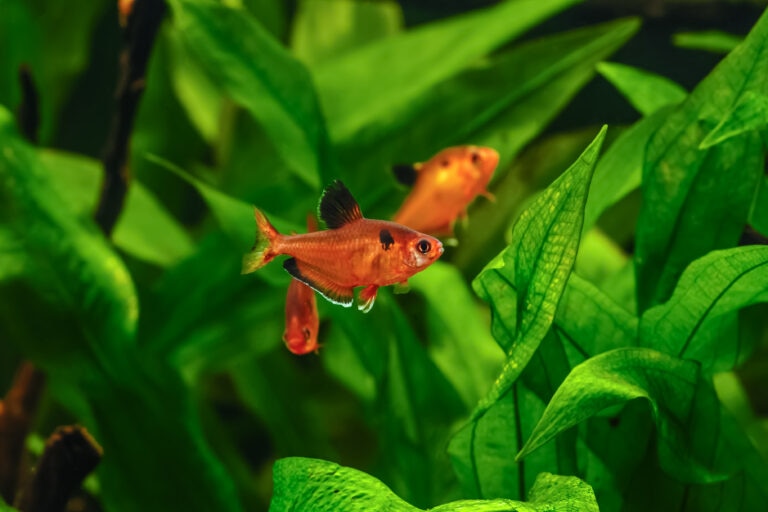
- Neon tetras prefer 74°F to 80°F (23°C to 27°C).
- Gouramis do well at 77°F (25°C).
- Discus fish need stable 82°F (28°C) water.
Temperature Range For Community Tanks
Community tanks need a compromise temperature that suits most species. Usually, 75°F to 79°F (24°C to 26°C) works well.
| Species | Ideal Temperature (°F) | Ideal Temperature (°C) |
| Neon Tetra | 74 – 80 | 23 – 27 |
| Platies | 70 – 77 | 21 – 25 |
| Guppies | 72 – 82 | 22 – 28 |
| Corydoras Catfish | 72 – 78 | 22 – 26 |
| Angelfish | 76 – 82 | 24 – 28 |
Adjusting Heat For Sensitive Species
Some species need steady temperatures with little change. Sudden shifts stress them and cause illness.
Tips for sensitive species:
- Use a reliable heater with thermostat control.
- Increase or decrease temperature slowly, about 1°F per hour.
- Monitor water temperature daily with a good thermometer.
- Avoid placing tanks near windows or vents.
- Provide stable room temperature around the aquarium.
Credit: www.pond-planet.co.uk
Coldwater Fish Temperature Needs
Coldwater fish live best in cooler aquarium temperatures. Their health depends on stable and suitable water conditions.
Understanding the right temperature helps keep these fish active and healthy. This guide covers common species and temperature care tips.
Common Coldwater Species
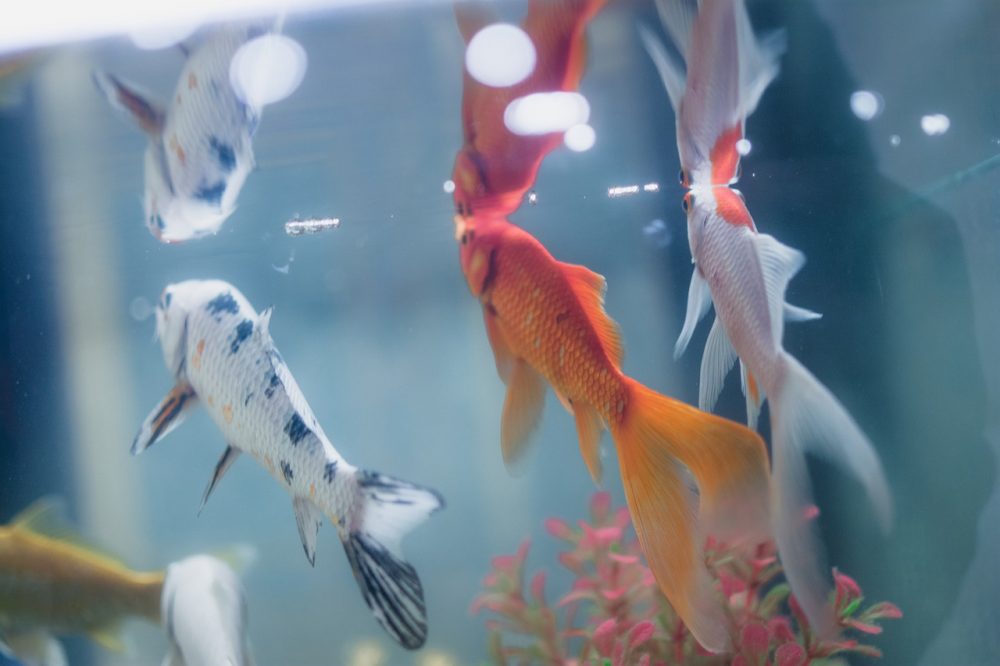
Many coldwater fish thrive in temperatures between 50°F and 70°F (10°C to 21°C). Popular species include goldfish, white cloud mountain minnows, and some types of danios.
- Goldfish: Prefer 65°F to 72°F (18°C to 22°C) but can tolerate cooler water.
- White Cloud Mountain Minnows: Best at 60°F to 68°F (15°C to 20°C).
- Zebra Danios: Thrive in 64°F to 74°F (18°C to 23°C).
- Bristlenose Plecos: Prefer 72°F or lower (22°C or lower).
Maintaining Cooler Temperatures
Keeping aquarium water cool requires good equipment and careful monitoring. A reliable aquarium chiller or fan can help lower temperatures.
| Method | Description |
| Aquarium Chiller | Device that cools water efficiently for larger tanks. |
| Fan Cooling | Increases evaporation to reduce water temperature. |
| Shade | Blocks direct sunlight to prevent warming. |
| Location | Place tank in a cool, shaded room. |
Effects Of Temperature Fluctuations
Sudden changes in water temperature stress coldwater fish. Stress lowers their immunity and can cause illness.
- Rapid temperature drops can cause shock and lethargy.
- High temperatures reduce oxygen levels in water.
- Frequent swings weaken fish over time.
- Stable temperature helps fish grow and stay active.
Temperature For Marine Aquariums
Maintaining the right water temperature is key for marine aquarium health. Different species need specific temperature ranges to thrive.
Marine life is sensitive to temperature changes. Keeping stable water temperature helps prevent stress and disease.
Coral Reef Species Requirements
Coral reef species prefer warm, stable water temperatures. Most corals thrive between 23°C and 29°C (73°F to 84°F). Sudden temperature shifts can cause bleaching.
- Soft corals: 24°C to 28°C (75°F to 82°F)
- Hard corals: 25°C to 29°C (77°F to 84°F)
- Clownfish: 24°C to 27°C (75°F to 81°F)
- Damselfish: 23°C to 28°C (73°F to 82°F)
Balancing Temperature And Salinity
Temperature and salinity affect each other in marine tanks. Warmer water can increase evaporation, raising salinity levels.
| Temperature (°C) | Ideal Salinity (ppt) | Effect on Marine Life |
|---|---|---|
| 24 – 26 | 34 – 35 | Optimal for most reef fish and corals |
| 27 – 29 | 35 – 36 | Supports tropical species but watch for salinity rise |
| Below 23 | 33 – 34 | May slow metabolism and growth |
Preventing Thermal Stress In Marine Life
Thermal stress harms marine animals. Keep temperature changes slow and steady to avoid shock.
- Use a reliable heater with a thermostat
- Check water temperature daily
- Avoid placing tanks near windows or vents
- Perform small water changes to keep water stable
- Monitor fish and coral behavior for signs of stress
Temperature Control Tools
Maintaining the right water temperature is important for fish health. Different species need different temperatures to stay healthy.
Temperature control tools help keep aquarium water stable. These tools prevent sudden changes that can stress fish.
Heaters And Thermostats
Heaters add warmth to aquarium water. They are needed for tropical fish that need warmer water.
Thermostats control heaters by turning them on or off. They keep the water at a set temperature.
- Heaters come in different sizes for small and large tanks
- Thermostats help avoid overheating or cooling
- Some heaters have built-in thermostats for easy use
- Always check heater wattage for your tank size
Cooling Systems For Aquariums
Cooling systems lower water temperature when it gets too warm. Fish like goldfish need cooler water.
These systems include fans and chillers. Fans cool by blowing air over the water surface.
- Chillers use a refrigeration unit to cool water
- Fans are cheaper but less powerful than chillers
- Use cooling systems if your room temperature is high
- Keep cooling units clean for best performance
Monitoring Devices And Alerts
Monitoring devices track water temperature in real time. They help spot problems quickly.
Some devices send alerts if temperature goes too high or low. This helps prevent harm to fish.
- Digital thermometers give accurate temperature readings
- Wireless sensors allow remote temperature checks
- Alerts notify you by phone or sound
- Use monitoring to keep temperature stable day and night
Impact Of Temperature On Fish Health
Water temperature plays a key role in fish health in aquariums. Fish need stable temperatures for good health.
Too cold or too warm water can stress fish and cause illness. It is important to watch water temperature closely.
Signs Of Temperature-related Stress
Fish show clear signs if water temperature is not right. Watch for changes in behavior and appearance.
- Fish may swim slowly or hide more than usual.
- Loss of appetite or refusal to eat.
- Gasping for air at the water surface.
- Color fading or darkening.
- Clamped fins or unusual swimming patterns.
Common Diseases Linked To Temperature
Incorrect temperature can cause many diseases. Some diseases grow faster in wrong temperatures.
| Disease | Temperature Effect | Symptoms |
| Ich (White Spot Disease) | Warmer water speeds up parasite growth | White spots, scratching on surfaces |
| Fin Rot | Stress from cold or fluctuating temps weakens immunity | Frayed or disintegrating fins |
| Fungal Infections | Cold temperatures slow healing | White cotton-like growth on skin |
| Swim Bladder Disorder | Temperature changes affect digestion | Difficulty swimming or floating |
Preventative Measures And Care Tips
Keeping the right temperature helps avoid stress and disease. Use a heater and thermometer.
- Check water temperature twice daily.
- Keep temperature stable within species needs.
- Do slow water changes to avoid shocks.
- Use a reliable aquarium heater and thermometer.
- Observe fish for signs of stress or illness.
- Adjust temperature gradually if needed.
Seasonal Temperature Adjustments
Fish in aquariums need stable water temperatures. Seasonal changes can affect these temperatures.
Adjusting water temperature helps keep fish healthy. Learn to manage these changes in your home tank.
Handling Temperature Changes In Home Tanks
Home tanks need careful temperature monitoring. Use a reliable thermometer for this task.
Gradual adjustments prevent stress in fish. Avoid sudden changes to protect their health.
- Check temperature daily
- Adjust heater settings slowly
- Monitor fish behavior for stress signs
Preparing Fish For Seasonal Shifts
Fish need time to adapt to new temperatures. Introduce changes gradually over days.
Feed them a balanced diet during these shifts. This keeps them strong and healthy.
- Plan ahead for seasonal changes
- Increase monitoring during shifts
- Provide extra food if needed
Using Insulation And Environmental Controls
Insulation helps maintain stable water temperatures. Use aquarium covers or wraps for insulation.
Environmental controls like heaters and coolers can help. They keep the water at the desired temperature.
| Tool | Purpose |
| Aquarium Heater | Raises water temperature |
| Aquarium Cooler | Lowers water temperature |
| Insulation Wrap | Maintains temperature |
Credit: www.chewy.com
Frequently Asked Questions
What Is The Ideal Water Temperature For Tropical Fish?
Tropical fish thrive in water temperatures between 75°F and 80°F. Maintaining this range ensures proper metabolism and activity.
How Does Water Temperature Affect Coldwater Fish Species?
Coldwater fish prefer temperatures from 60°F to 70°F. Cooler water supports their oxygen levels and reduces stress.
Can Fluctuating Temperatures Harm Aquarium Species?
Yes, sudden temperature changes stress fish, weaken immunity, and may cause illness. Stable temperatures are vital for health.
What Temperature Suits Freshwater Versus Saltwater Aquariums?
Freshwater tropical species need 74°F–80°F, while marine species often prefer 72°F–78°F. Specific needs depend on the species.
Conclusion
Maintaining the right water temperature helps fish stay healthy and active. Each species needs a specific range to thrive and grow. Watch your aquarium’s temperature closely to avoid stress or illness. Small changes can make a big difference in your fish’s life.
Keep your water heater steady and check it often. A happy tank means vibrant fish and clear water. Remember, good care starts with the right temperature. Simple steps lead to a beautiful, balanced aquarium. Your fish will thank you with bright colors and lively behavior.