
Are you confident that the water you use every day is truly safe and healthy? Whether it’s for your home, garden, aquarium, or workplace, keeping an eye on your water’s quality can make a huge difference.
Water parameter monitoring might sound technical, but it’s actually a simple step that protects your health and environment. Imagine avoiding costly problems, ensuring clean water, and giving yourself peace of mind—all by checking just a few key numbers. Ready to discover how easy and important this can be for you?
Keep reading, and you’ll learn exactly what to watch for and how to keep your water in the best shape possible.

Credit: www.ysi.com
Key Water Parameters
Monitoring water parameters is important for healthy water environments. It helps keep fish, plants, and other life safe.
Knowing the key water parameters allows you to act fast if something is wrong. This keeps your water balanced.
Ph Levels
pH shows how acidic or basic water is. It ranges from 0 to 14. A pH of 7 is neutral.
Most aquatic life prefers a pH between 6.5 and 8.5. Sudden pH changes can harm fish and plants.
Ammonia And Nitrite
Ammonia and nitrite are toxic chemicals in water. They come from fish waste and decaying matter.
Both should be kept at zero or very low levels. High amounts cause stress and can kill aquatic animals.
Nitrate Concentration
Nitrate is less toxic but still harmful at high levels. It forms from nitrite breaking down.
Keep nitrate levels under 40 ppm for safe water. High nitrate can cause algae growth and poor health.
Water Hardness
Water hardness measures minerals like calcium and magnesium. It affects water quality and fish health.
Soft water has low minerals, hard water has high minerals. Different species need different hardness levels.
- Soft water: 0-60 mg/L (ppm) as CaCO3
- Moderate hardness: 61-120 mg/L (ppm)
- Hard water: 121-180 mg/L (ppm)
- Very hard water: over 180 mg/L (ppm)
Temperature Control
Water temperature affects oxygen levels and fish health. Each species has an ideal range.
Keep temperature stable to avoid stress. Sudden changes can make fish sick or cause death.
Credit: www.envirotech-online.com
Choosing Testing Tools
Monitoring water parameters is important for healthy aquatic environments. Choosing the right tools helps you track water quality easily.
There are different testing tools available. Picking the best one depends on your needs and budget.
Test Kits Vs Digital Meters
Test kits are simple and affordable. They use color changes to show water conditions.
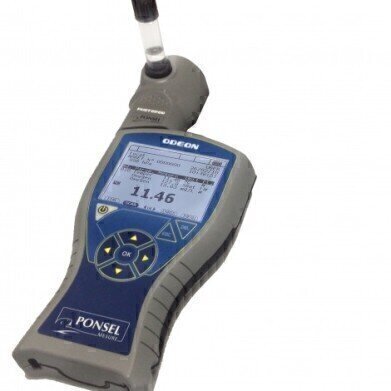
Digital meters give quick and exact readings. They measure things like pH and conductivity.
- Test kits are easy to use but less precise.
- Digital meters need batteries and careful handling.
- Test kits work well for beginners and small setups.
- Digital meters suit frequent testers and larger systems.
Frequency Of Testing
Check water parameters often to keep fish and plants healthy. Regular testing helps catch problems early.
How often to test depends on your water system and changes you see. New tanks need more frequent checks.
- Test new tanks daily for the first two weeks.
- Check established tanks once a week or biweekly.
- Test after adding new fish or chemicals.
- Test more often if you see signs of stress or illness.
Calibration Tips
Calibrate digital meters regularly. This keeps readings accurate and reliable.
Use fresh calibration solutions and follow the meter’s instructions carefully. Store tools properly to avoid damage.
- Calibrate meters before first use and monthly after.
- Use standard buffer solutions for pH meters.
- Rinse sensors with clean water after each test.
- Keep test kits dry and sealed to avoid contamination.
Maintaining Balance
Keeping water parameters balanced is key for healthy aquatic life. Regular checks and care help prevent problems in your tank or pond.
Proper water management supports fish and plants. It keeps the environment stable and safe for all inhabitants.
Regular Water Changes
Changing water regularly removes harmful chemicals and waste. It also refreshes oxygen levels, which fish need to survive.
- Replace 10-20% of water weekly
- Use dechlorinated water for refills
- Check temperature before adding new water
- Clean substrate during water changes
Filtration Systems
Filters clean water by trapping debris and breaking down toxins. Good filtration helps keep water clear and healthy.
| Filter Type | Function | Maintenance |
| Mechanical | Removes solid waste | Clean sponge monthly |
| Biological | Breaks down toxins | Replace media yearly |
| Chemical | Removes chemicals | Change carbon every 2 months |
Avoiding Overfeeding
Overfeeding pollutes water and harms fish health. Feed only what fish eat in a few minutes.
Tips to avoid overfeeding:
- Feed small portions twice daily
- Remove uneaten food quickly
- Use feeding rings to control food spread
- Observe fish behavior to adjust food amount
Troubleshooting Common Issues
Water parameter monitoring is key for a healthy aquarium. It helps you spot and fix problems fast.
This guide covers common problems like cloudy water, algae growth, and fish stress signs.
Cloudy Water Causes
Cloudy water often means your tank has too many particles or bacteria. It can also mean overfeeding.
Check your filter and clean it regularly. Avoid adding too much food at once.
- Dirty filter or clogged media
- Overfeeding fish
- New tank with unsettled bacteria
- Excess waste from fish or plants
Algae Growth Control
Algae grow when there is too much light or nutrients in the water. It can harm your tank’s balance.
Limit light hours and do regular water changes to reduce algae growth.
- Reduce lighting to 6-8 hours daily
- Do weekly water changes of 20-30%
- Keep nitrate and phosphate levels low
- Add algae-eating fish or snails
Fish Stress Indicators
Fish stress shows in behavior and appearance. Stress can cause illness or death if not fixed.
Watch for odd swimming, hiding, or changes in color as signs of stress.
- Rapid gill movement or gasping
- Loss of appetite
- Faded or darkened colors
- Clamped fins or erratic swimming
Advanced Monitoring Techniques
Water parameter monitoring helps keep water safe and healthy. Advanced techniques improve accuracy and ease of use.
These techniques use technology to track water quality continuously. They provide useful data for better water management.
Automated Monitoring Systems
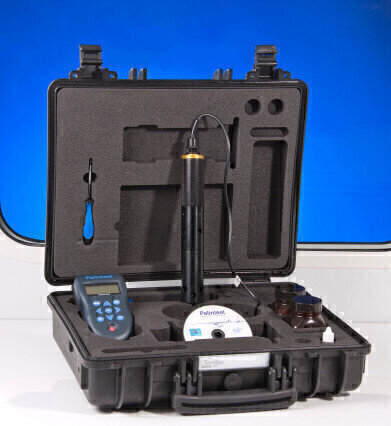
Automated systems use sensors to check water conditions without human help. They work all day and night to give real-time data.
These systems measure parameters like pH, temperature, and oxygen levels. Alerts can notify users if something is wrong.
- Continuous data collection
- Remote access to water quality
- Early warning for water issues
- Reduced manual labor
Data Logging And Analysis
Data logging stores water quality information over time. This helps track changes and find trends in water parameters.
Analysis tools use this data to create reports and charts. These visuals make it easier to understand water quality patterns.
- Long-term water quality records
- Easy identification of problems
- Supports decision-making
- Improves water management plans
Credit: www.envirotech-online.com
Frequently Asked Questions
What Is Water Parameter Monitoring?
Water parameter monitoring is the process of regularly testing water quality. It measures factors like pH, temperature, and contaminants to ensure safety and environmental health.
Why Is Monitoring Water Parameters Important?
Monitoring water parameters helps detect pollution early. It safeguards human health, supports aquatic life, and ensures compliance with environmental regulations.
How Often Should Water Parameters Be Tested?
Water parameters should be tested based on usage and risk. Typically, monthly testing is recommended for drinking water and weekly for aquariums.
What Tools Are Used For Water Parameter Monitoring?
Common tools include pH meters, turbidity sensors, and dissolved oxygen kits. These devices provide accurate, real-time data for effective water quality management.
Conclusion
Monitoring water parameters keeps aquatic life safe and healthy. Regular checks help spot problems early. Clear water means better growth for plants and fish. Simple tools make testing easy for everyone. Staying consistent creates a balanced environment. Clean water supports life and enjoyment.
Keep testing often to protect your water. Small efforts lead to big results in water care.