
If you have a small tank at home, you know how important it is to keep the water clean and safe for your fish or plants. But did you know that tap water often contains harmful chemicals that can stress or even harm your aquatic life?
That’s where a water conditioner for small tanks comes in. It’s a simple product that can make a huge difference in your tank’s health. You’ll discover how the right water conditioner can protect your tank, improve water quality, and create a thriving environment for your aquatic friends.
Keep reading to find out exactly what you need to know to keep your small tank sparkling and safe.
Credit: www.chewy.com
Benefits Of Water Conditioners
Water conditioners help keep small fish tanks safe and clean. They improve water quality for fish and plants.
Using a water conditioner makes tank care easier. It supports a healthy environment for your aquatic pets.
Removing Harmful Chemicals
Water conditioners remove harmful chemicals like chlorine and chloramine. These chemicals can hurt fish and plants.
They also neutralize heavy metals found in tap water. This keeps the tank water safe for all its inhabitants.
- Neutralizes chlorine and chloramine
- Removes heavy metals like copper and lead
- Prevents chemical burns on fish
Protecting Fish And Plants
Water conditioners create a safe space for fish to swim. They reduce stress caused by poor water quality.
They help plants grow by keeping water balanced. Healthy plants provide oxygen and shelter for fish.
- Reduces fish stress and illness
- Supports healthy plant growth
- Maintains balanced water conditions
Improving Water Clarity
Water conditioners clear cloudy water by breaking down waste. Clear water helps you see your fish better.
They also stop particles from floating around. This keeps the tank looking clean and bright.
- Breaks down organic waste
- Stops floating particles
- Makes water look clear and fresh
Types Of Water Conditioners
Water conditioners help keep small tanks safe and clean. They remove harmful chemicals and add good elements.
There are different types of water conditioners. Each type works in a special way to protect your tank.
Dechlorinators
Dechlorinators remove chlorine and chloramine from tap water. These chemicals can hurt fish and plants.
- They make water safe to use quickly.
- They work by neutralizing chlorine compounds.
- Many come in liquid or tablet form.
- Use them before adding water to the tank.
Detoxifiers
Detoxifiers remove heavy metals and other toxins. These substances can build up in small tanks over time.
| Detoxifier Type | Main Function | Common Use |
| Metal Binder | Captures heavy metals like copper | Used in tanks with new decorations |
| Ammonia Neutralizer | Reduces ammonia levels | Used after cleaning or fish illness |
| General Detoxifier | Neutralizes many toxins | Used regularly for water changes |
Beneficial Bacteria Additives
These additives add good bacteria to the tank. Good bacteria help break down waste and keep water clear.
Benefits of Beneficial Bacteria Additives:
- Speed up tank cycling
- Reduce harmful ammonia and nitrite
- Improve overall water quality
- Support a healthy environment for fish
Choosing The Right Conditioner For Small Tanks
Using a water conditioner is important for keeping small tanks healthy. It removes harmful chemicals and makes water safe for fish.
Choosing the right conditioner helps protect your fish and keeps the tank clean. You need to consider a few key things before buying one.
Tank Size And Capacity
Small tanks hold less water, so conditioners must match their size. Using too much conditioner can harm fish.
Check the conditioner label for dosing instructions based on your tank’s capacity. Use a product made for small volumes.
- Measure your tank’s water volume in gallons or liters
- Choose conditioners with clear dosing for small tanks
- Avoid products meant only for large tanks
Compatibility With Fish Species
Different fish need different water conditions. Some conditioners work well for many species, others do not.
Check that the conditioner is safe for the fish you keep. Some products add minerals that suit certain species better.
- Use conditioners labeled safe for your fish type
- Look for treatments that remove chlorine and heavy metals
- Avoid conditioners with additives harmful to sensitive fish
Ease Of Use And Application
Pick a conditioner that is easy to apply. This helps keep the tank safe without much effort.
Liquid conditioners with simple dosing are best for small tanks. Some come with dropper caps or measuring tools.
- Choose liquid or dropper-style conditioners
- Look for clear instructions on the label
- Apply conditioner before adding new water
How To Use Water Conditioners Effectively
Water conditioners help make tap water safe for small fish tanks. They remove harmful chemicals like chlorine and chloramine. Using them properly keeps fish healthy and happy.
Follow simple steps to use water conditioners the right way. This guide covers dosage, timing, and how often to treat your tank water.
Dosage Guidelines
Always read the label on your water conditioner bottle. Dosage depends on tank size and water volume. Adding too much can harm fish. Too little may not remove toxins.
| Tank Size (Gallons) | Conditioner Amount |
| 1 – 5 | 1 drop per gallon |
| 6 – 10 | 2 drops per gallon |
| 11 – 20 | 3 drops per gallon |
| 21 – 30 | 4 drops per gallon |
When To Add Conditioner
Add conditioner right after filling the tank with tap water. Treat new water before adding fish or other animals. This stops stress and illness caused by chemicals.
- After water changes
- When adding fresh tap water
- Before introducing new fish
- If using well water, test first
Frequency Of Treatment
Use water conditioner each time you add new water. Regular treatment keeps the tank safe. It supports fish health and water quality over time.
For small tanks, treat water at least once a week or during every water change. Monitor fish behavior for signs of stress or illness and adjust treatment as needed.
Common Mistakes To Avoid
Using a water conditioner for small tanks needs care and attention. Many make simple mistakes that harm their aquatic pets.
This guide highlights key errors to avoid when treating your tank water. Keeping your fish safe is the main goal.
Overdosing Chemicals
Adding too much water conditioner or other chemicals can hurt fish and plants. Always follow the product instructions.
- Use the recommended dose for your tank size.
- Measure chemicals carefully with proper tools.
- Do not add chemicals more than once in a short time.
- Wait between doses to see effects before adding more.
Ignoring Water Parameters
Ignoring water tests can cause stress or death to fish. Water conditioners cannot fix all water issues.
| Parameter | Ideal Range | Effect if Ignored |
| pH | 6.5 – 7.5 | Fish stress or death |
| Ammonia | 0 ppm | Poisoning |
| Nitrite | 0 ppm | Breathing problems |
| Nitrate | Below 40 ppm | Algae growth |
Using Incompatible Products
Mixing different water conditioners or additives can cause bad reactions. Some products cancel each other out.
Check product labels for warnings about mixing. If unsure, use one product at a time.
- Do not mix ammonia removers with medications.
- Avoid combining multiple conditioners at once.
- Store products separately to prevent accidents.

Credit: www.amazon.com
Maintaining Crystal Clear Water
Keeping water clear in small tanks is essential for fish health. Proper maintenance ensures a clean and safe environment.
Understanding key practices will help you manage water quality effectively. Let’s explore the main areas to focus on.
Regular Water Changes
Changing water regularly prevents buildup of harmful substances. It refreshes the tank and supports aquatic life.
- Remove 10-15% of water weekly
- Use a siphon to clean debris
- Replace with treated water
Proper Filtration Systems
Filters play a crucial role in maintaining water clarity. They remove particles and toxins, making the water safe for fish.
Invest in a filter suited for your tank size. Some popular types include:
- Sponge filters for gentle filtration
- Canister filters for larger tanks
- HOB (Hang On Back) filters for ease of use
Monitoring Water Quality
Regular testing of water parameters is vital. It helps detect issues early and prevents fish stress.
| Parameter | Ideal Range |
| pH | 6.5 – 7.5 |
| Ammonia | 0 ppm |
| Nitrite | 0 ppm |
| Nitrate | Less than 20 ppm |
Top Water Conditioners For Small Tanks
Water conditioners keep aquarium water safe for fish. They remove harmful substances like chlorine. It’s important to choose the right conditioner for small tanks.
This guide covers top water conditioners for small tanks. Learn about popular brands, user reviews, and pricing.
Popular Brands And Products
Many brands offer water conditioners. Some are better for small tanks. Let’s look at some popular options.
- API Tap Water Conditioner: Removes chlorine and chloramines.
- Seachem Prime: Concentrated formula, detoxifies ammonia.
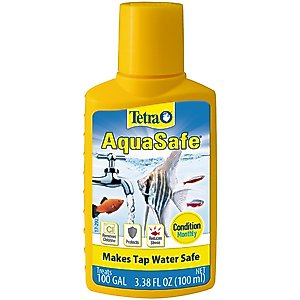
- Tetra AquaSafe: Protects fish by neutralizing harmful substances.
User Reviews And Ratings
Customer reviews help you choose the best product. Many users share their experiences online.
Most users praise Seachem Prime for its effectiveness. API Tap Water Conditioner is popular for its ease of use. Tetra AquaSafe receives positive reviews for its protective qualities.
Price And Availability
Water conditioners vary in price. Check local pet stores or online shops for options.
| Brand | Price Range | Availability |
| API | $5 – $10 | Widely available |
| Seachem | $10 – $15 | Available online |
| Tetra | $5 – $12 | Common in pet stores |

Credit: www.amazon.com
Frequently Asked Questions
What Is A Water Conditioner For Small Tanks?
A water conditioner neutralizes harmful chemicals in tap water. It makes water safe for fish in small tanks. It removes chlorine, chloramine, and heavy metals efficiently. This protects fish health and improves tank water quality.
How Do Water Conditioners Benefit Small Aquarium Fish?
Water conditioners detoxify harmful substances that stress fish. They promote fish health and reduce disease risks. Conditioners also improve water clarity and oxygen levels. This creates a stable and safe environment for small tank fish.
Can I Use Tap Water Without A Conditioner?
Using tap water without conditioner can harm fish. Tap water often contains chlorine and chloramine, toxic to fish. A conditioner neutralizes these chemicals instantly. Always treat tap water before adding it to a small tank.
How Often Should I Add Water Conditioner?
Add water conditioner every time you change tank water. Even partial water changes require fresh conditioner to neutralize chemicals. Regular use ensures continuous protection for your fish and maintains a healthy aquarium environment.
Conclusion
Choosing the right water conditioner keeps your small tank healthy. It removes harmful chemicals and makes water safe for fish. Regular use helps maintain clear water and prevents diseases. Easy to use and affordable, it suits beginners and experts alike.
Clean water means happy fish and a beautiful tank. Simple steps lead to great results. Start caring for your tank today with the right water conditioner.