
If you keep a single-species tank, you know how important clean, safe water is for your fish’s health. But did you know that using the right water conditioner can make all the difference?
Your fish rely on you to provide an environment free from harmful chemicals and stress. Choosing the best water conditioner tailored for single-species tanks helps protect your aquatic pets and keeps their home balanced. You’ll discover exactly what to look for and why the right conditioner matters more than you might think.
Keep reading to unlock the secrets that will make your tank thrive like never before.
Choosing The Right Conditioner
Water conditioners are important for keeping single-species tanks safe. They make tap water safe by removing harmful chemicals.
Choosing the right conditioner helps protect your fish and keeps the tank clean. Not all conditioners work the same way.
Types Of Water Conditioners
There are several types of water conditioners. Each type works differently to treat water in your tank.
- Dechlorinators remove chlorine and chloramine from tap water.
- Heavy metal removers neutralize metals like copper and lead.
- Ammonia neutralizers help remove harmful ammonia from water.
- Combined conditioners treat chlorine, metals, and ammonia together.
Ingredients To Look For
Look for safe and effective ingredients in your water conditioner. These help keep your fish healthy.
- Sodium thiosulfate removes chlorine and chloramine.
- Activated carbon helps filter harmful substances.
- Polymer compounds bind heavy metals to make them safe.
- Ammonia detoxifiers convert ammonia into harmless forms.
Avoiding Harmful Chemicals
Some conditioners may have chemicals that harm fish. Avoid products with these harmful additives.
- Avoid conditioners with alcohol or fragrances.
- Stay away from products with phosphates or nitrates.
- Do not use conditioners with artificial dyes or colors.
- Check for any warnings about fish sensitivity on labels.

Credit: www.amazon.in
Preparing Water For Single-species Tanks
Preparing water is important for the health of fish in single-species tanks. Clean and balanced water helps fish live longer and stay healthy.
Each fish species needs specific water conditions. Removing harmful chemicals and adjusting water properties is key before adding fish.
Removing Chlorine And Chloramine
Tap water often contains chlorine and chloramine. These chemicals protect people but harm fish. Use a water conditioner to remove them safely.
Water conditioners neutralize chlorine and break down chloramine into harmless parts. Always add conditioner before putting water into the tank.
Balancing Ph Levels
pH shows how acidic or basic water is. Most fish prefer a pH between 6.5 and 7.5. Test the water pH regularly to keep it stable.
- If pH is too low, add baking soda carefully to raise it.
- If pH is too high, use peat moss or driftwood to lower it naturally.
- Make changes slowly to avoid stressing fish.
Adjusting Hardness And Minerals
Water hardness affects fish health. It depends on calcium and magnesium levels. Different species need different hardness levels.
| Water Hardness Level | Calcium & Magnesium (ppm) | Suitable Fish Types |
| Soft | 0-60 | Discus, Neon Tetras |
| Medium | 61-120 | Goldfish, Guppies |
| Hard | 121-180+ | Cichlids, Livebearers |
To raise hardness, add crushed coral or mineral supplements. To lower hardness, use reverse osmosis water or peat filtration.
Application Techniques
Using a water conditioner properly helps keep your single-species tank healthy. It removes harmful chemicals and supports fish well-being. Applying it the right way makes a big difference.
This guide covers dosage guidelines, the best time to add conditioner, and how to use it with filters. Follow these tips for a safe and clean tank environment.
Dosage Guidelines
Always check the label for the correct dosage. Use the right amount based on your tank size. Too little conditioner will not protect your fish. Too much can cause stress or harm.
- Measure your tank water volume accurately.
- Use a clean measuring tool for the conditioner.
- Add the recommended dose for every 10 gallons (or 40 liters) of water.
- Do not overdose; follow the instructions carefully.
When To Add Conditioner
Add conditioner every time you add new water to the tank. This includes water changes and topping off evaporated water. Treat new water before it enters the tank to protect your fish immediately.
| Situation | When to Add Conditioner |
|---|---|
| Initial Tank Setup | Before adding fish |
| Regular Water Change | Right after adding new water |
| Top Off Evaporated Water | Immediately before adding water |
| Adding New Fish | Treat water before introduction |
Using Conditioners With Filters
Filters clean water by removing debris and harmful substances. Use conditioners to neutralize chlorine and heavy metals before water reaches the filter. This protects beneficial bacteria in the filter media.
Follow these tips for conditioner use with filters:
- Add conditioner to new water before it enters the filter.
- Do not add conditioner directly into the filter system.
- Allow conditioner to mix well in the tank before turning the filter on.
- Replace filter media regularly to maintain water quality.
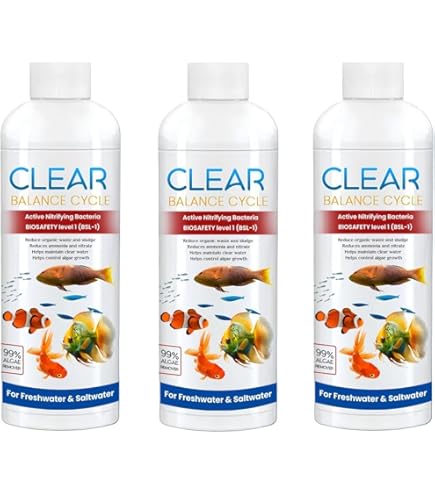
Credit: www.amazon.in
Maintenance Tips
Keeping a water conditioner effective in single-species tanks needs regular care. Proper maintenance helps protect fish and keep water clean.
Use the right methods to check water quality, apply conditioners properly, and watch for early signs of problems. This keeps your tank healthy.
Regular Water Testing
Test your tank water often to catch issues early. Use a water test kit to check important levels like pH, ammonia, and nitrate.
- Test water weekly for small tanks
- Check more often if fish show stress
- Keep records of water test results
- Adjust water conditioner based on test data
Conditioner Frequency
Follow the instructions on your water conditioner label. Overuse or underuse can harm your fish or reduce conditioner effectiveness.
| Conditioning Task | Frequency |
| Initial water setup | Every time you fill the tank |
| Water changes | Each time you replace tank water |
| Stress relief after medication | As needed, follow product advice |
| Regular maintenance | Weekly or biweekly check |
Signs Of Water Quality Issues
Watch your fish and tank for signs that water quality is poor. Early detection helps fix problems fast.
- Cloudy or foul-smelling water
- Fish gasping at the surface
- Unusual fish behavior or lethargy
- Algae overgrowth on tank walls
- Sudden fish deaths
Special Considerations For Sensitive Species
Water conditioners play a key role in caring for fish in single-species tanks. Sensitive species need extra care during water changes to stay healthy. Understanding their unique needs helps avoid stress and harm.
This guide covers important points about species-specific needs, handling stress, and safe transition practices. Follow these tips to protect delicate fish during water treatment.
Species-specific Needs
Different fish species react to water conditioners in unique ways. Some need conditioners that remove chlorine, while others require treatments that reduce heavy metals or balance pH.
- Research the specific water quality requirements for your fish
- Use conditioners designed for sensitive or soft-water species
- Adjust dosage according to tank size and fish type
- Test water parameters regularly to ensure safety
Handling Stress During Water Changes
Water changes can stress sensitive fish. Sudden shifts in temperature, pH, or chemical balance can cause illness or death. Minimize stress by controlling change speed and environment.
| Stress Factor | How to Manage |
| Temperature Shock | Match new water temperature closely |
| pH Changes | Use pH stabilizers and test water before adding |
| Chemical Exposure | Apply water conditioner before adding water |
| Handling | Move fish gently and avoid overcrowding |
Safe Transition Practices
Transitioning fish safely requires careful steps. Use slow water additions and monitor fish behavior. Keep the tank environment stable during and after water changes.
- Prepare treated water that matches tank conditions
- Add new water slowly over 30–60 minutes
- Observe fish for signs of stress or illness
- Adjust temperature and pH if needed
- Repeat partial water changes regularly, not all at once

Credit: www.amazon.in
Common Mistakes To Avoid
Maintaining a single-species tank is not always easy. Water conditioners help create a safe environment. However, there are common mistakes to watch out for.
Avoiding these errors ensures your fish remain healthy and happy. Let’s explore some mistakes you should avoid.
Overdosing Conditioner
Using too much water conditioner can harm your fish. Overdosing can lead to chemical imbalances in the tank.
Always follow the instructions on the product label. It is better to use less than more.
- Read the label before use
- Use a measuring tool
- Check water regularly
Ignoring Water Parameters
Water parameters are crucial for fish health. Ignoring them can cause stress to your fish.
Test the water parameters frequently. Adjust them as needed to keep the environment stable.
- Test pH and hardness weekly
- Maintain stable temperature
- Adjust parameters gradually
Mixing Incompatible Products
Combining different water products without knowing their effects can be risky. Some products may react negatively with each other.
Research each product before using them together. Consult a professional if unsure.
- Read product labels carefully
- Consult with experts
- Test on a small scale first
Frequently Asked Questions
What Is A Water Conditioner For Single-species Tanks?
A water conditioner neutralizes harmful chemicals in tap water. It makes water safe for specific fish species in single-species tanks. This helps maintain a healthy aquatic environment.
Why Use A Water Conditioner In Single-species Tanks?
Using a water conditioner removes chlorine and heavy metals. It prevents stress and health issues in fish. Conditioners support biological balance and improve fish survival rates.
How Often Should I Use Water Conditioner?
Apply water conditioner during every water change or tank setup. This ensures harmful substances are neutralized consistently. Regular use keeps the tank environment stable and safe.
Can Water Conditioners Harm Sensitive Fish Species?
Most water conditioners are safe for sensitive fish. Always choose a product labeled for your species. Follow dosage instructions carefully to avoid overdosing.
Conclusion
Choosing the right water conditioner helps keep your fish healthy. It removes harmful chemicals and makes water safe. Clean water means less stress for your fish. Healthier fish swim and grow better every day. Regular use of conditioner keeps tanks clear and fresh.
Simple steps protect your single-species tank easily. Trust good water care for a happy aquarium. Small actions create a big difference in fish health. Keep your tank safe with the right water conditioner. Your fish will thank you with vibrant colors and energy.