
If you have juvenile fish, you know how fragile they can be. Their tiny bodies are more sensitive to water conditions than adult fish.
That’s why choosing the right water conditioner is crucial for their health and growth. You want to make sure your young fish thrive, not just survive. You’ll discover how the right water conditioner can protect your juvenile fish from harmful chemicals and create the perfect environment for them to flourish.
Keep reading to learn what to look for and how to make the best choice for your aquatic friends.
Importance Of Water Conditioning
Water conditioning is key for keeping juvenile fish healthy. It removes harmful substances from the water.
Young fish are very sensitive to water quality. Clean water helps them grow strong and avoid diseases.
Impact On Juvenile Fish Health
Conditioned water protects young fish from stress and sickness. It helps maintain their immune system.
Good water conditions improve fish breathing and prevent skin and gill damage. This supports better growth.
Common Water Contaminants To Avoid
Many substances can harm juvenile fish. Water conditioners remove these contaminants to make water safe.
- Chlorine and chloramine from tap water
- Heavy metals like copper and lead
- Ammonia from fish waste
- Nitrites and nitrates from decaying matter
- Harmful bacteria and parasites
Types Of Water Conditioners
Water conditioners keep water safe for juvenile fish. They remove harmful chemicals and help fish grow healthy.
There are different types of water conditioners. Each type helps in a special way to protect young fish.
Dechlorinators
Dechlorinators remove chlorine and chloramine from tap water. These chemicals can hurt juvenile fish. Dechlorinators make water safe by neutralizing these harmful substances.
Heavy Metal Removers
Heavy metals like copper and lead can poison young fish. Heavy metal removers bind these metals and stop them from harming fish. These conditioners protect fish by keeping water clean from metals.
Beneficial Bacteria Additives
Beneficial bacteria help break down fish waste and toxins. These additives add good bacteria to water. This keeps water healthy and reduces harmful substances.
- Break down ammonia and nitrites
- Improve water clarity
- Support healthy fish growth
- Help maintain balance in the tank
Choosing The Right Conditioner
Choosing a water conditioner for juvenile fish is important. It helps keep their environment safe and healthy. Juvenile fish are sensitive, so the right conditioner is crucial.
There are many options available. Picking the correct one depends on several factors. Let’s explore how to make the best choice for your fish.
Factors Based On Fish Species
Different fish species need different water conditions. Some fish prefer soft water, while others need hard water. It’s important to know what your fish species require.
Research the natural habitat of your fish. This will help you match their needs with the right conditioner.
- Tropical fish often need warm, soft water.
- Goldfish thrive in cooler, harder water.
- Saltwater fish require specific salinity levels.
Evaluating Water Quality Parameters
Water quality is vital for fish health. Regularly check parameters like pH, ammonia, nitrites, and nitrates. These affect the choice of conditioner.
Conditioners can adjust these parameters. Choose one that suits your current water quality needs.
| Parameter | Ideal Range |
| pH | 6.5 – 8.0 |
| Ammonia | 0 ppm |
| Nitrites | 0 ppm |
| Nitrates | < 20 ppm |
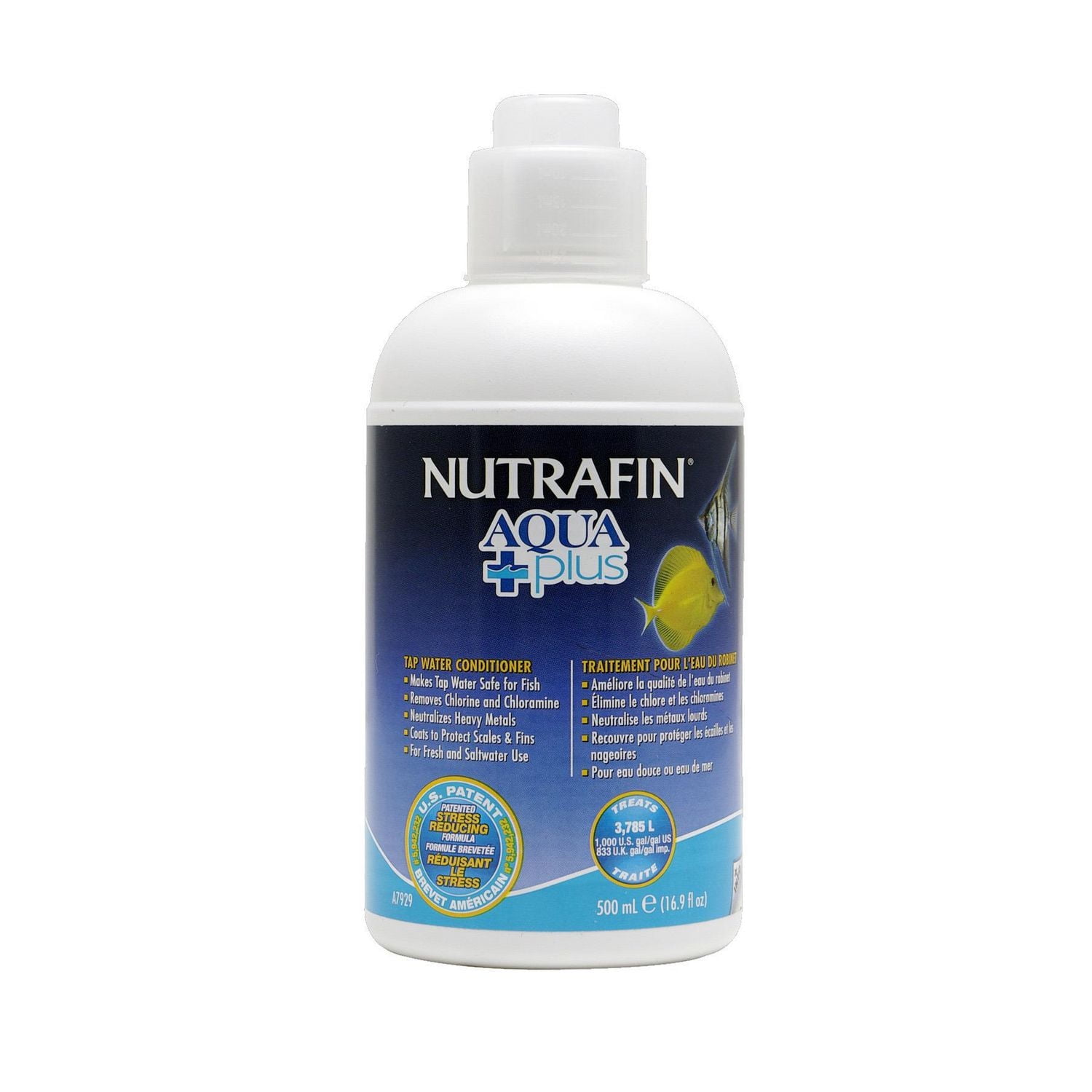
Credit: www.walmart.ca
Proper Usage And Dosage
Using a water conditioner correctly is vital for the health of juvenile fish. It helps remove harmful chemicals from tap water, making it safe for young fish.
Proper dosage ensures the conditioner works well without harming the fish. Follow instructions carefully to keep your tank safe.
Frequency Of Application
Apply the water conditioner each time you change the water in the tank. This keeps the environment safe and stable for juvenile fish.
- Use conditioner before adding new water.
- Treat the water every time you refill or top off.
- Apply after cleaning the tank or filter changes.
- Do not overdose; follow recommended amounts.
Measuring Accurate Dosage
Measuring the right amount of water conditioner is key. Too little may not remove toxins, and too much can stress the fish.
| Tank Volume | Conditioner Dosage |
|---|---|
| 1 gallon (3.8 liters) | 1 ml |
| 5 gallons (19 liters) | 5 ml |
| 10 gallons (38 liters) | 10 ml |
| 20 gallons (76 liters) | 20 ml |
Maintaining Optimal Water Conditions
Water conditioners help keep water safe for juvenile fish. They remove harmful chemicals and balance water elements.
Good water quality supports fish health and growth. It creates a stable environment for young fish to thrive.
Monitoring Ph And Hardness
Check the pH level regularly to keep it stable. Juvenile fish need water that is not too acidic or alkaline.
Water hardness affects fish health and water chemistry. Soft or hard water can change how fish absorb nutrients.
- Test pH with easy-to-use kits weekly
- Keep pH between 6.5 and 7.5 for most juvenile fish
- Measure hardness to match fish species needs
- Use water conditioners to adjust pH and hardness
Temperature Control Tips
Maintain a steady temperature to avoid stress for juvenile fish. Sudden changes can harm their development.
Use heaters or coolers to keep water within the right range. Check temperature daily for consistency.
- Most juvenile fish prefer 74°F to 78°F (23°C to 26°C)
- Place thermometer in the tank for accurate readings
- Avoid placing tanks near windows or vents
- Use automatic heaters for stable temperature control
Signs Of Water Quality Issues
Water quality is crucial for the health of juvenile fish. Poor water conditions can lead to serious issues. Recognizing the signs early can save your fish.
Watch for changes in behavior and physical symptoms. These are key indicators of water quality problems.
Behavioral Changes In Juvenile Fish
Juvenile fish often show behavioral changes when water quality is poor. They might swim erratically or hide more than usual.
Increased aggression or lethargy are also signs. These behaviors indicate stress due to poor water conditions.
- Erratic swimming
- Increased hiding
- Aggression
- Lethargy
Physical Symptoms To Watch For
Physical symptoms can also indicate water quality issues. Look for changes in color or spots on the fish’s body.
Fins may appear clamped or frayed. Gasping at the surface is a sign of oxygen deficiency.
- Color changes or spots
- Clamped or frayed fins
- Gasping at the surface
Preventing Stress And Disease
Juvenile fish are very sensitive to changes in their environment. Stress can weaken their immune system and lead to illness.
Using a water conditioner helps keep the water safe. This reduces stress and lowers the risk of disease in young fish.
Role Of Water Conditioners In Immune Support
Water conditioners remove harmful chemicals like chlorine and chloramine. These chemicals can harm fish and damage their immune system.
Conditioners also detoxify heavy metals and improve water quality. Cleaner water helps juvenile fish fight off infections better.
- Neutralizes chlorine and chloramine
- Detoxifies harmful heavy metals
- Reduces stress by improving water quality
- Supports stronger immune response
Supplementary Care Practices
Along with water conditioners, keep the tank clean and stable. Change water regularly to avoid waste buildup.
Feed juvenile fish balanced food and avoid overfeeding. Healthy fish resist disease more easily.
- Perform regular water changes
- Maintain stable temperature and pH
- Feed nutritious and appropriate food
- Remove uneaten food and debris
Credit: www.walmart.ca
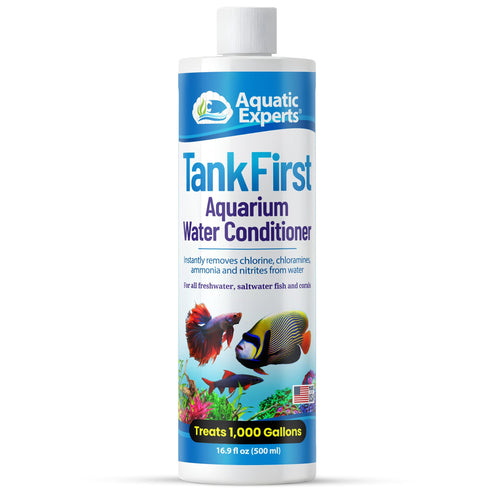
Credit: www.aquaticexperts.com
Frequently Asked Questions
What Is A Water Conditioner For Juvenile Fish?
A water conditioner removes harmful chemicals like chlorine and chloramine from tap water. It makes water safe for juvenile fish, preventing stress and health issues. Using a conditioner ensures a healthy environment for young fish to grow and thrive in your aquarium or tank.
Why Is Water Conditioner Important For Juvenile Fish?
Juvenile fish are sensitive to toxins like chlorine in tap water. Water conditioners neutralize these chemicals, protecting delicate gills and skin. This reduces mortality rates and promotes strong immune systems. Proper conditioning supports healthy growth and development in young fish.
How Often Should I Use Water Conditioner For Juveniles?
Use water conditioner every time you add or change water in the tank. This ensures new water is safe and free from harmful chemicals. Regular use maintains optimal water quality, reducing stress and disease risks for juvenile fish.
Can Water Conditioner Improve Juvenile Fish Health?
Yes, water conditioners detoxify tap water and improve water quality. They help maintain stable pH and remove heavy metals. This creates a healthier environment, reducing stress and promoting better growth and immunity in juvenile fish.
Conclusion
Using a water conditioner helps keep juvenile fish safe and healthy. It removes harmful chemicals from tap water quickly. Clean water supports strong fish growth and reduces stress. Treat water before adding fish to the tank. Healthy fish grow faster and have fewer diseases.
Simple steps like this make fish care easier. Choose a water conditioner made for young fish. Careful water treatment creates a better home for your fish. Keep their water clean to watch them thrive. Small actions matter a lot for young fish health.