
If you care about keeping your freshwater fish healthy and happy, you need to pay close attention to the water they live in. Water conditioner for freshwater fish health is one of the simplest yet most powerful tools you can use to protect your aquatic pets.
Without the right conditioner, harmful chemicals and impurities can stress or even harm your fish. You’ll discover how the right water conditioner makes a big difference, keeping your fish safe and your aquarium sparkling clean. Keep reading, and you’ll learn the secrets to creating the perfect environment for your freshwater friends.
Benefits Of Water Conditioners
Water conditioners help keep freshwater fish healthy. They make tap water safe for fish tanks.
Using water conditioners improves water quality and protects fish from harm. They remove toxic substances and support fish well-being.
Removing Harmful Chemicals
Water conditioners remove harmful chemicals from tap water. These chemicals can hurt fish if left untreated.
They neutralize pesticides, ammonia, and other dangerous substances. This creates a safer environment for your fish.
Neutralizing Chlorine And Chloramine
Chlorine and chloramine are common in tap water to kill bacteria. But these chemicals are toxic to fish.
Water conditioners break down chlorine and chloramine fast. This makes the water safe for fish to live in.
Heavy Metal Detoxification
Heavy metals like copper and lead can harm fish. They come from pipes and other sources in tap water.
Water conditioners bind to these metals and remove them. This protects fish from heavy metal poisoning.
- Removes copper, lead, and zinc
- Prevents metal buildup in fish bodies
- Reduces stress caused by metal toxicity
Enhancing Fish Immunity
Some water conditioners support fish immune systems. They help fish fight off diseases and infections.
They promote healthy skin and gills. Strong fish are less likely to get sick and live longer.

Credit: www.amazon.com
Types Of Water Conditioners
Water conditioners help keep freshwater fish healthy. They treat tap water before adding it to the aquarium.
Different types of water conditioners serve different purposes. Knowing these types helps you pick the right one.
Dechlorinators
Dechlorinators remove chlorine and chloramine from tap water. These chemicals can harm fish and plants.
They work fast and make water safe for fish. Most tap water has chlorine or chloramine to kill germs.
- Remove harmful chlorine and chloramine
- Safe for fish and plants
- Usually liquid drops or tablets
Detoxifiers
Detoxifiers neutralize heavy metals and other harmful chemicals. These can come from old pipes or polluted water.
They protect fish from stress and sickness. Detoxifiers often work with dechlorinators for full water safety.
- Neutralize heavy metals like copper and lead
- Reduce chemical stress on fish
- Work well with dechlorinators
Biological Conditioners
Biological conditioners add good bacteria to the water. These bacteria break down harmful waste from fish and plants.
They help keep the water clean and clear. This improves fish health by reducing toxins like ammonia.
- Introduce beneficial bacteria
- Break down fish waste and toxins
- Support natural water balance
Mineral Supplements
Mineral supplements add essential minerals to aquarium water. Minerals help fish grow and stay healthy.
They improve water hardness and pH balance. Some fish need specific minerals for their bones and scales.
- Supply calcium, magnesium, and other minerals
- Improve water hardness and pH
- Support fish growth and health
Choosing The Right Conditioner
Using a water conditioner is key to keeping freshwater fish healthy. The right conditioner removes harmful chemicals and makes water safe.
Choosing the best conditioner depends on several factors. These include your water source, fish types, tank size, and other treatments.
Water Source Considerations
Test your water before adding any conditioner. Tap water often contains chlorine and chloramines, which are toxic to fish.
Some conditioners remove heavy metals too. Well water might need different treatment than city water.
Fish Species Requirements
Different fish have different needs. Some species are more sensitive to chemicals and water changes.
- Soft water fish need conditioners that keep minerals low
- Hard water fish may require conditioners that add beneficial minerals
- Delicate fish benefit from stress-reducing additives in conditioners
Tank Size And Environment
Large tanks may need conditioners with stronger formulas. Smaller tanks need careful dosing to avoid harm.
| Tank Size | Recommended Conditioner Type |
| Under 10 gallons | Mild, easy dose formulas |
| 10 to 50 gallons | Standard conditioners with heavy metal removal |
| Over 50 gallons | Concentrated formulas for large volume |
Compatibility With Other Treatments
Check if your conditioner works well with other medicines or chemicals. Some ingredients may cause bad reactions.
Here are tips to ensure safe mixing:
- Read all product labels carefully
- Do not mix conditioners with medications unless stated safe
- Test water after treatment to check for changes
- Use conditioners that neutralize chlorine before adding medications
How To Use Water Conditioners
Water conditioners help keep freshwater fish safe. They remove harmful chemicals like chlorine and chloramine from tap water.
Using the right amount and applying it correctly is important. This guide explains how to use water conditioners for healthy fish.
Dosage Guidelines
Always follow the instructions on the conditioner label. The dose usually depends on the amount of water you treat.
Using too little may not remove toxins. Too much can stress your fish. Measure carefully for best results.
- Use the recommended dose per gallon or liter
- Adjust dose if treating larger or smaller volumes
- Use a measuring cap or syringe for accuracy
When To Apply Conditioners
Apply water conditioner before adding water to the tank. This protects fish from harmful chemicals in tap water.
Use conditioner during water changes and when setting up new tanks. This keeps the water safe and stable for fish.
- Before adding new water to the aquarium
- During regular water changes
- When starting a new fish tank
- After cleaning the tank or equipment
Mixing And Application Tips
Mix the conditioner with water before adding it to the tank. Stir well to ensure it spreads evenly.
Pour the treated water slowly into the aquarium. Avoid adding untreated water directly to prevent stress on fish.
- Mix conditioner in a clean container with tap water
- Stir or shake gently to blend the conditioner
- Pour treated water slowly into the aquarium
- Do not add conditioner directly to the tank without mixing
Frequency Of Treatment
Use water conditioner every time you add or change water. This keeps the tank safe for your fish.
In emergencies, apply conditioner after cleaning or when adding new fish. Regular use keeps water healthy.
- Apply conditioner during all water changes
- Treat water before adding new fish
- Use after cleaning the tank or filters
- Follow label advice for any special treatments
Common Mistakes To Avoid
Using a water conditioner is important for keeping freshwater fish healthy. It helps remove harmful chemicals and makes water safe for fish.
Many fish owners make mistakes that can harm their fish. Learning what to avoid helps keep your fish safe and healthy.
Overdosing
Adding too much water conditioner can upset the balance in the tank. Overdosing may harm fish and plants.
Always measure the amount carefully. Follow the instructions on the product label to avoid using too much.
Ignoring Water Testing
Not testing water regularly can hide problems that harm fish. Testing shows if water is safe and balanced.
Use simple test kits to check pH, ammonia, and nitrite levels. Test water before and after using conditioner.
Using Incompatible Products
Mixing water conditioners with other chemicals can cause bad reactions. Some products do not work well together.
Read labels carefully. Avoid using different conditioners or treatments without checking compatibility first.
- Check product ingredients
- Use one conditioner at a time
- Consult a fish care guide if unsure
Neglecting Regular Maintenance
Skipping tank cleaning and water changes weakens the effect of water conditioners. Dirt and waste build up quickly.
Keep a schedule for cleaning and water changes. Regular care keeps water safe and fish healthy.
Natural Alternatives To Conditioners
Maintaining freshwater fish health is important for hobbyists. Using natural alternatives to water conditioners can help. These methods improve water quality without chemicals.
Natural solutions are easy to find and use. They promote a balanced ecosystem in your aquarium.
Using Peat Moss
Peat moss can lower pH levels in aquarium water. It releases tannins which soften the water, beneficial for many fish species.
Adding Indian Almond Leaves
Indian almond leaves are a great natural water conditioner. They release tannins that create a more natural environment for fish.
- Promote healing and reduce stress in fish
- Prevent bacterial infections
- Enhance fish color and vitality
Creating Biofilters
Biofilters use beneficial bacteria to clean water. They break down harmful substances like ammonia and nitrite, keeping the water safe.
| Biofilter Type | Benefit |
| Sponge Filter | Easy to maintain |
| Canister Filter | High filtration capacity |
| Undergravel Filter | Promotes natural bacteria growth |
Plant-based Solutions
Aquatic plants can naturally condition water. They absorb excess nutrients and improve water quality. This creates a stable and healthy environment for fish.
Choose plants like Anubias, Java Fern, and Hornwort. These are easy to care for and beneficial for aquariums.
Maintaining Optimal Water Quality
Keeping water quality high is vital for freshwater fish health. It ensures they live in a safe and healthy environment.
Understanding how to manage water conditions can prevent stress and illness in your fish.
Regular Water Testing
Testing the water regularly helps you track the tank’s health. It shows changes that might affect your fish.
- Use a water test kit to check ammonia, nitrite, and nitrate levels.
- Record results to notice trends over time.
- Adjust tank maintenance based on test results.
Balancing Ph And Hardness
pH and hardness affect fish health greatly. Each species has specific needs for these levels.
| Fish Type | pH Range | Hardness (dGH) |
| Tetras | 6.0 – 7.0 | 4 – 8 |
| Guppies | 7.0 – 8.0 | 8 – 12 |
| Cichlids | 7.8 – 8.6 | 10 – 20 |
Effective Filtration Systems
A good filtration system keeps the water clean. It removes debris and harmful substances.
- Mechanical filters trap particles.
- Biological filters break down waste.
- Chemical filters remove toxins.
Temperature Control
Fish need stable temperatures to thrive. Sudden changes can cause stress.
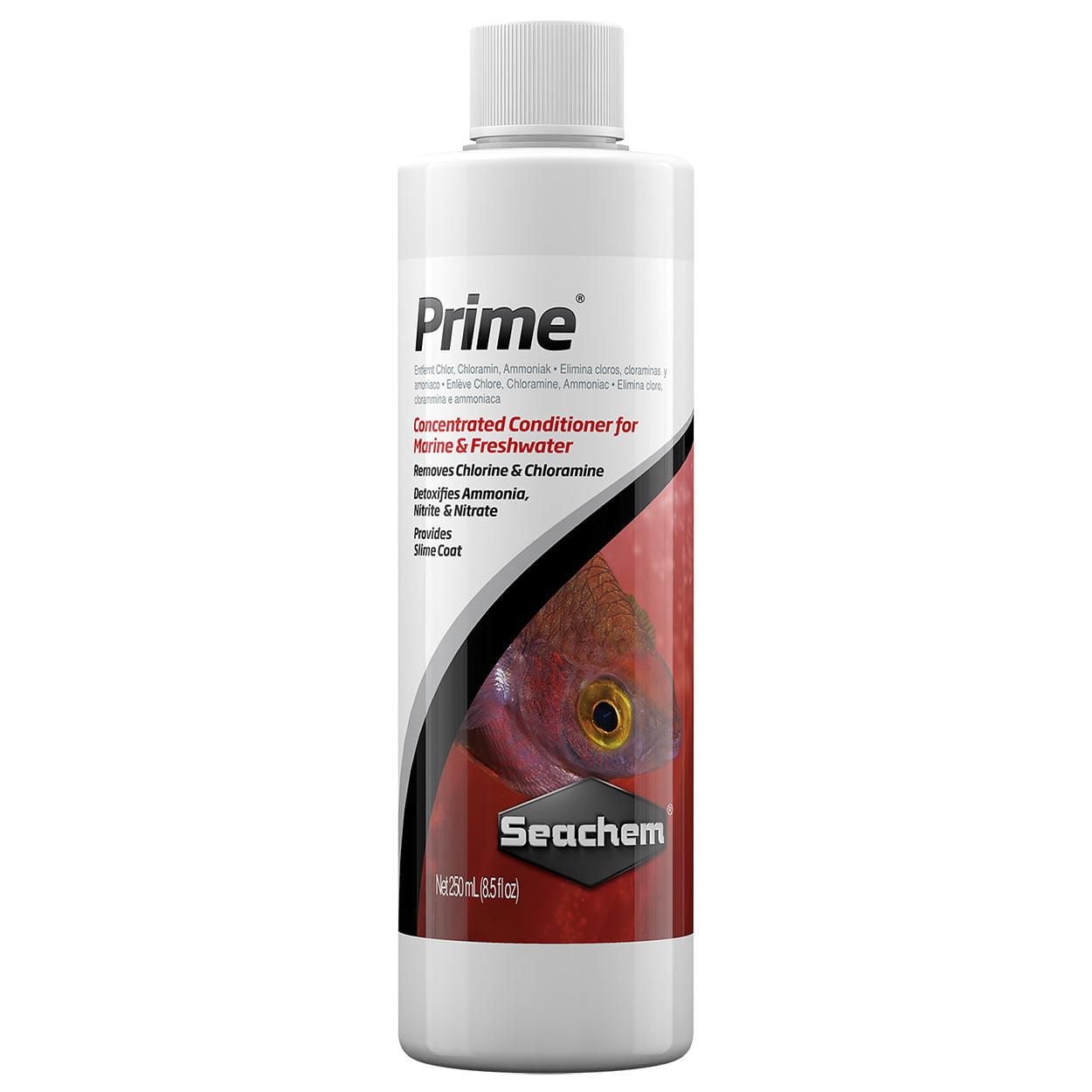
Use a reliable heater or chiller to maintain the right temperature. Check it regularly to ensure it’s working properly.
Credit: www.walmart.ca
Signs Of Poor Water Conditions
Freshwater fish need clean water to stay healthy. Poor water quality can harm fish quickly.
Look for signs in the tank to catch problems early. This guide shows common signs of bad water conditions.
Fish Stress Indicators
Fish under stress show changes in color, breathing, and movement. Stress weakens their immune system.
- Gasping at the water surface
- Clamped fins
- Loss of color or faded spots
- Rapid or labored breathing
- Hiding more than usual
Algae Overgrowth
Too much algae means excess nutrients and poor water balance. It can block light and reduce oxygen.
| Algae Type | Appearance | Effect on Fish |
| Green Algae | Green film on glass and plants | Blocks light, may irritate fish |
| Brown Algae | Brownish coating on surfaces | Common in new tanks, affects clarity |
| Blue-green Algae | Thick mats, slimy texture | Can release toxins, dangerous for fish |
Cloudy Water
Cloudy water shows particles or bacteria in the tank. It can stress fish and hurt gills.
Common causes of cloudy water:
- Overfeeding fish
- Too many fish in the tank
- Dirty filters or no water changes
- New tank bacterial bloom
Unusual Fish Behavior
Fish may act strange if water is poor. Watch for these behaviors to protect your fish.
- Swimming erratically or darting
- Rubbing against objects
- Floating at the top or sinking to the bottom
- Refusing to eat
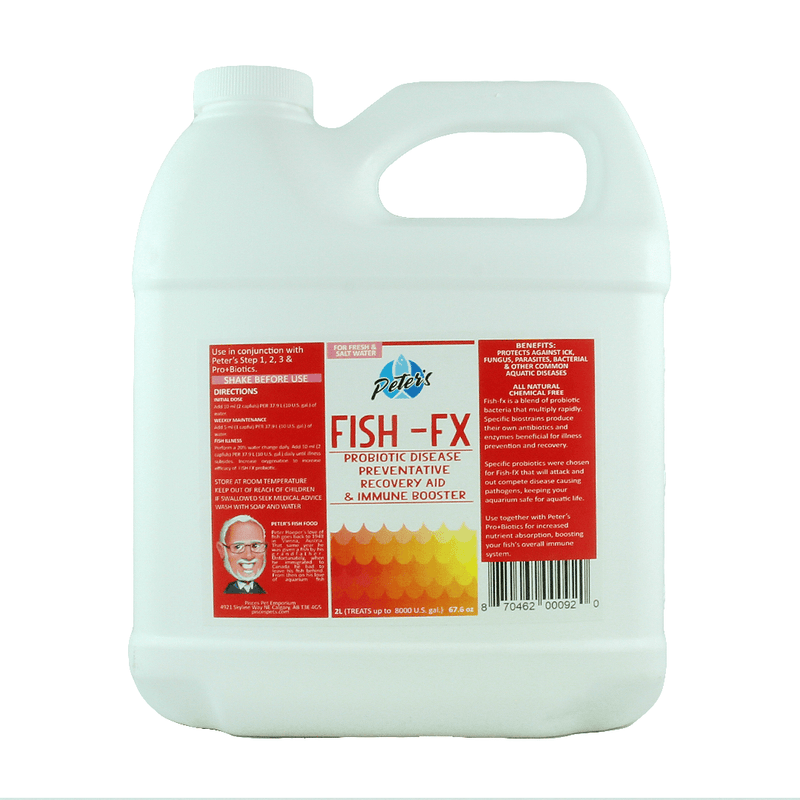
- Isolating from other fish
Credit: piscespets.com
Frequently Asked Questions
What Is A Water Conditioner For Freshwater Fish?
A water conditioner neutralizes harmful chemicals like chlorine and chloramine in tap water. It makes water safe for freshwater fish. This protects fish from stress and health issues caused by toxic substances.
How Does Water Conditioner Improve Fish Health?
Water conditioners detoxify harmful chemicals and heavy metals. They promote a balanced aquatic environment. This reduces fish stress, prevents diseases, and supports overall fish vitality and growth.
When Should I Use Water Conditioner In My Aquarium?
Use water conditioner whenever adding new water to your aquarium. This includes initial setup, water changes, and topping off evaporated water. It ensures the water remains safe and healthy for your fish.
Can Water Conditioner Remove Ammonia And Nitrites?
Some advanced water conditioners neutralize ammonia and nitrites temporarily. However, biological filtration is essential for permanent removal. Water conditioners help protect fish during toxic spikes but don’t replace proper tank maintenance.
Conclusion
A good water conditioner keeps your fish safe and healthy. It removes harmful chemicals from tap water fast. Healthy water helps fish grow and stay active. Always use conditioner before adding water to the tank. This small step protects fish from stress and illness.
Clean, safe water means happy, strong fish. Remember, simple care makes a big difference in fish health. Choose the right water conditioner for your freshwater tank today.