
If you have an aquarium, you know how important it is to keep the water clean and fresh. But changing the water can be messy and time-consuming.
That’s where a water change siphon for aquariums comes in. It makes the whole process faster, easier, and less stressful for both you and your fish. You’ll discover how the right siphon can save you hours of work and help your aquatic friends thrive.
Ready to learn the simple trick to hassle-free water changes? Keep reading!

Credit: www.amazon.com
Choosing The Right Siphon
Changing water in your aquarium is essential for fish health. A good siphon makes this task easy and clean.
Selecting the right siphon depends on your tank size and needs. This guide helps you pick the best type and size.
Types Of Siphons
There are several siphon types for aquarium water changes. Each works differently to suit various tank setups.
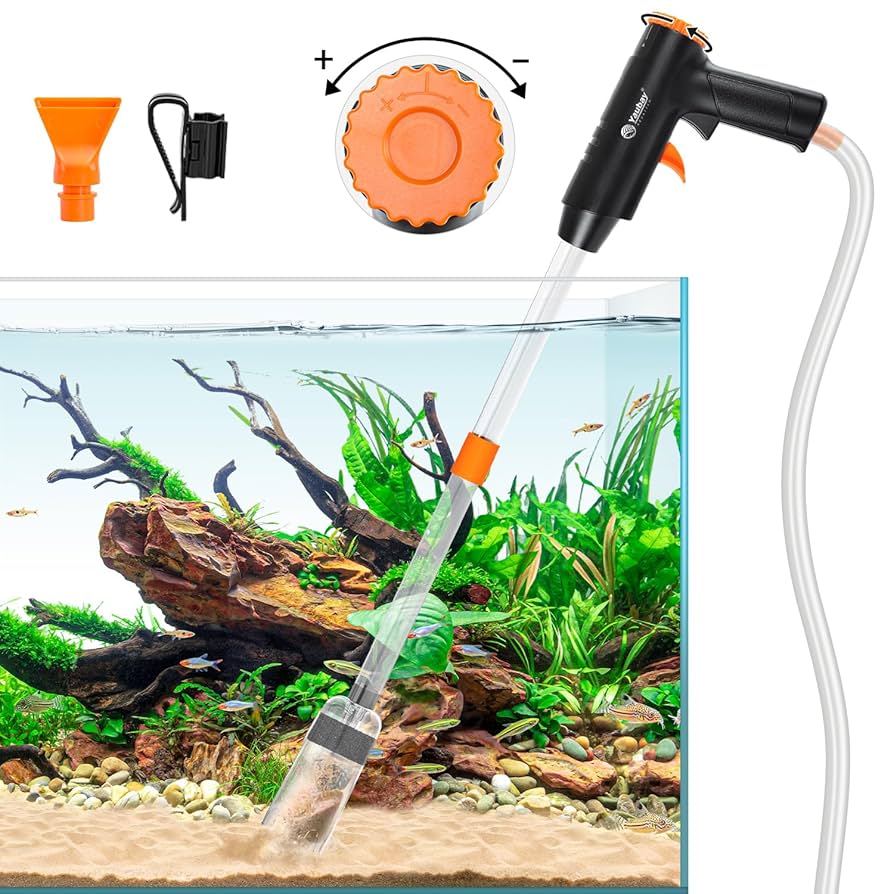
- Gravel Vacuum:Cleans gravel while removing water.
- Hand Pump Siphon:Starts flow quickly with a squeeze pump.
- Automatic Siphon:Runs continuously for large tanks.
- Simple Hose:Needs manual starting but is budget-friendly.
Material Considerations
Siphons come in different materials. Choose one that lasts and is safe for your fish.
| Material | Features | Durability |
| Plastic | Lightweight, affordable | Moderate |
| Silicone | Flexible, easy to bend | High |
| Rubber | Strong, resistant to kinks | High |
| Vinyl | Clear, shows water flow | Moderate |
Size And Length Options
Pick a siphon size that fits your aquarium. The length should reach all tank corners easily.
- Short tubes work for small tanks under 10 gallons.
- Medium tubes suit tanks between 10 and 50 gallons.
- Long tubes are best for tanks over 50 gallons.
- Wide diameter tubes move water faster but need more effort.
Credit: www.amazon.com
Setting Up Your Siphon
Using a water change siphon helps keep your aquarium clean. Setting it up correctly makes the process easier and safer.
This guide covers preparing your siphon, starting the flow, and safety tips to protect your fish and equipment.
Preparing The Equipment
Gather all parts before you begin. Check that the siphon tube is clean and free of cracks. A bucket or container is needed to collect the water.
- Siphon tube with a flexible hose
- Bucket or water container
- Optional gravel cleaner attachment
- Towel for spills
- Water conditioner for refilling
Starting The Flow
Begin by placing one end of the siphon in the aquarium. Put the other end in the bucket below tank level. Use a quick suction to start the water flow.
- Submerge the siphon tube fully in the tank to fill it with water.
- Cover the output end with your thumb and lift it above the tank.
- Release your thumb over the bucket to let water flow out.
- Adjust the tube position to maintain a steady flow.
Safety Precautions
| Precaution | Reason |
|---|---|
| Do not siphon all the water | Fish need stable water levels to stay healthy |
| Keep electrical devices away | Water and electricity can cause shocks |
| Use water conditioner after refill | Removes harmful chlorine and chemicals |
| Monitor fish during water change | Stress can harm fish; stop if they seem disturbed |
Techniques For Efficient Water Changes
Changing water in your aquarium keeps fish healthy and happy. Using a siphon helps remove old water quickly and safely. This guide explains how to do water changes well.
Learn about different water change types and how often to do them. Follow simple tips to keep your aquarium water clean and clear.
Partial Vs. Full Water Changes
Partial water changes remove some old water and add fresh water. Full water changes replace all the water at once. Both methods have pros and cons.
- Partial changes keep good bacteria in the tank
- Partial changes reduce stress on fish
- Full changes can reset water quality quickly
- Full changes may shock sensitive fish
Maintaining Water Quality
Good water quality keeps fish safe and plants healthy. Test water often for ammonia, nitrites, and pH levels. Remove debris and clean filters regularly.
| Water Parameter | Safe Range |
| Ammonia | 0 ppm |
| Nitrites | 0 ppm |
| Nitrates | Below 20 ppm |
| pH | 6.5 to 7.5 |
Timing And Frequency
Regular water changes keep the tank clean and safe. The amount and timing depend on tank size and fish load. Smaller tanks need more frequent changes.
- Change 10-20% of water weekly for most tanks
- Check water quality before each change
- Adjust frequency if fish show stress or illness
- Use a siphon to remove water gently

Credit: www.amazon.com
Cleaning And Maintenance
Water change siphons help keep aquarium water clean and healthy. Regular cleaning and care keep the siphon working well.
Proper maintenance prevents clogs and damages. It also makes water changes easier and safer for your fish.
Post-use Cleaning Tips
After using the siphon, rinse it with clean water to remove dirt and debris. This stops buildup inside the tube.
Use a small brush or pipe cleaner to clean inside the hose. This helps clear any stuck particles.
- Flush siphon with warm water
- Use a brush for inside the hose
- Dry parts before storage
Storage Recommendations
Store the siphon in a dry place to avoid mold and damage. Keep it away from direct sunlight to prevent plastic wear.
Coil the hose loosely to avoid kinks. Store all parts together so you do not lose any pieces.
- Keep siphon dry and cool
- Coil hose gently to prevent bends
- Store all parts in one container
Troubleshooting Common Issues
Sometimes the siphon may not start or water flow can stop. Check for clogs or air leaks in the hose.
Replace worn parts if you see cracks or holes. Tighten connections to prevent leaks and loss of suction.
- Clear blockages in the tube
- Check for holes or cracks
- Tighten loose connections
- Replace damaged parts as needed
Benefits Of Regular Water Changes
Water change siphons help keep aquariums clean. They remove old water and add fresh water. This process brings many benefits.
Regular water changes are important for a healthy aquarium. They ensure a balanced environment for fish and plants.
Improved Fish Health
Fresh water keeps fish healthy. It removes waste and toxins that harm fish. Clean water helps fish breathe easier.
Fish get stressed in dirty water. Stress can lead to disease. Regular water changes reduce stress and sickness.
- Removes harmful chemicals
- Prevents fish diseases
- Supports fish growth
Algae Control
Algae grow quickly in dirty water. They turn the water green and block light. Regular water changes control algae growth.
Less algae means clearer water. It also allows plants to get enough light. This keeps the aquarium looking nice.
- Reduces algae blooms
- Improves water clarity
- Enhances plant growth
Maintaining Aquarium Balance
Water changes help maintain balance. They keep the water’s pH and minerals stable. This balance is vital for all aquarium life.
Balanced water supports fish, plants, and bacteria. Each part of the ecosystem stays healthy and functions well.
| Stable pH levels |
| Consistent mineral levels |
| Healthy ecosystem |
Essential Accessories For Water Changes
Water changes are important for a healthy aquarium. Having the right accessories makes the job easier.
This guide covers the key tools you need for smooth and safe water changes.
Buckets And Containers
Use clean buckets to remove and hold aquarium water. Choose food-grade buckets to avoid chemicals.
Containers help transport water and keep it safe before adding it back to the tank.
- Five-gallon buckets are a common size
- Use a separate bucket for fresh and old water
- Label buckets to avoid confusion
- Rinse buckets with aquarium water before reuse
Water Conditioners
Water conditioners remove harmful chemicals from tap water. They make water safe for fish and plants.
Some conditioners neutralize chlorine and chloramine. Others add beneficial minerals to the water.
- Check for chlorine and chloramine removal
- Look for conditioners that detoxify heavy metals
- Use conditioners that support fish slime coat health
Additional Tools
Extra tools help make water changes faster and cleaner. They improve the overall process.
Common tools include siphons, gravel cleaners, and water testing kits.
- Siphons help remove water without lifting heavy buckets
- Gravel cleaners remove debris during water changes
- Water test kits check water quality before and after changes
- Towels or sponges help clean spills
Frequently Asked Questions
What Is A Water Change Siphon For Aquariums?
A water change siphon is a tool to remove aquarium water easily. It helps clean debris and replace old water without disturbing fish. Using it improves tank health and water quality.
How Does A Water Change Siphon Work?
The siphon uses gravity to draw water from the tank through a tube. Start the flow by sucking or pumping, then water flows out continuously. This makes water changes quick and mess-free.
Why Use A Water Change Siphon Regularly?
Regular siphoning removes waste, uneaten food, and toxins from the aquarium. This prevents algae growth and keeps fish healthy. Frequent water changes maintain stable water parameters for a thriving tank.
Can I Use A Water Change Siphon On All Aquariums?
Yes, siphons work for freshwater and saltwater tanks of all sizes. Choose the right size siphon for your aquarium to clean efficiently. Some models include gravel vacuum features for better cleaning.
Conclusion
A water change siphon makes aquarium cleaning simple and fast. It helps remove dirt without stressing your fish. Using one keeps water fresh and healthy. Regular water changes improve fish health and tank clarity. Choose a siphon that fits your tank size.
Keep your aquarium clean to enjoy a beautiful, happy underwater world. Try a siphon and see the difference yourself. Easy care leads to happy fish.