
Are you struggling to keep your small aquarium at the perfect temperature? Using heating mats might be the simple solution you’ve been looking for.
These mats provide gentle, consistent warmth that helps your aquatic pets stay healthy and happy. You’ll discover how heating mats work, why they’re ideal for small tanks, and how to choose the right one for your setup. Keep reading to find out how to create the best environment for your underwater world with minimal effort.

Credit: www.reddit.com
Benefits Of Heating Mats
Heating mats provide gentle warmth to small aquariums. They help keep water temperature steady.
These mats are easy to use and fit well under tanks. They support healthy fish and plants.
Stable Temperature Control
Heating mats keep aquarium water at a steady temperature. This helps avoid sudden cold or hot changes.
Stable water temperature is important for fish health. It supports their natural behavior and growth.
Energy Efficiency
Heating mats use less power than traditional heaters. They warm the tank from the bottom up.
This method reduces energy waste and lowers electricity costs. It is a smart choice for small tanks.
Stress Reduction For Fish
Constant temperature helps fish feel safe and calm. Fish do not get shocked by quick temperature swings.
Less stress means healthier fish and better immune systems. They are more active and live longer.
Choosing The Right Heating Mat
Heating mats keep small aquariums warm and help fish stay healthy. Picking the right mat is important for safe and steady heating.
Look at size, power, material, and safety features before buying. These factors ensure the mat works well and lasts long.
Size And Power Compatibility
Choose a heating mat that fits the base of your aquarium. A too small mat will not heat evenly. A too large mat wastes energy.
Check the power rating of the mat. Small tanks usually need mats with low wattage. This stops overheating and saves electricity.
- Measure the aquarium base before buying
- Match mat size to aquarium size
- Use mats with 10-25 watts for small tanks
- Avoid mats with too high power for small aquariums
Material And Durability
Heating mats should have water-resistant and durable materials. This protects the mat from moisture and wear over time.
Look for mats made with strong, flexible materials. They last longer and fit better under curved or small tanks.
- Choose mats with waterproof coverings
- Look for materials that resist tearing and cracking
- Flexible mats are easier to place under tanks
- Durable mats reduce the need for replacements
Safety Features
Safety is key when using heating mats. Choose mats with built-in thermostats or automatic shutoff to prevent overheating.
Check that the mat has good insulation. This stops electrical hazards and keeps your aquarium safe.
- Look for mats with temperature control
- Automatic shutoff helps avoid fires
- Good insulation prevents electric shocks
- Check for certifications and safety marks
Setting Up Your Heating Mat
Heating mats help keep small aquariums warm. They are easy to set up and use.
Follow these steps to place and connect your heating mat safely and effectively.
Placement Under The Aquarium
Place the heating mat flat under the aquarium. Make sure it covers the bottom evenly.
Do not place the mat on uneven surfaces or where it can bend.
Securing The Mat
Secure the heating mat so it stays in place but does not damage the tank.
- Use waterproof tape to hold the mat.
- Avoid using glue or nails that can harm the mat.
- Check the mat regularly for wear or damage.
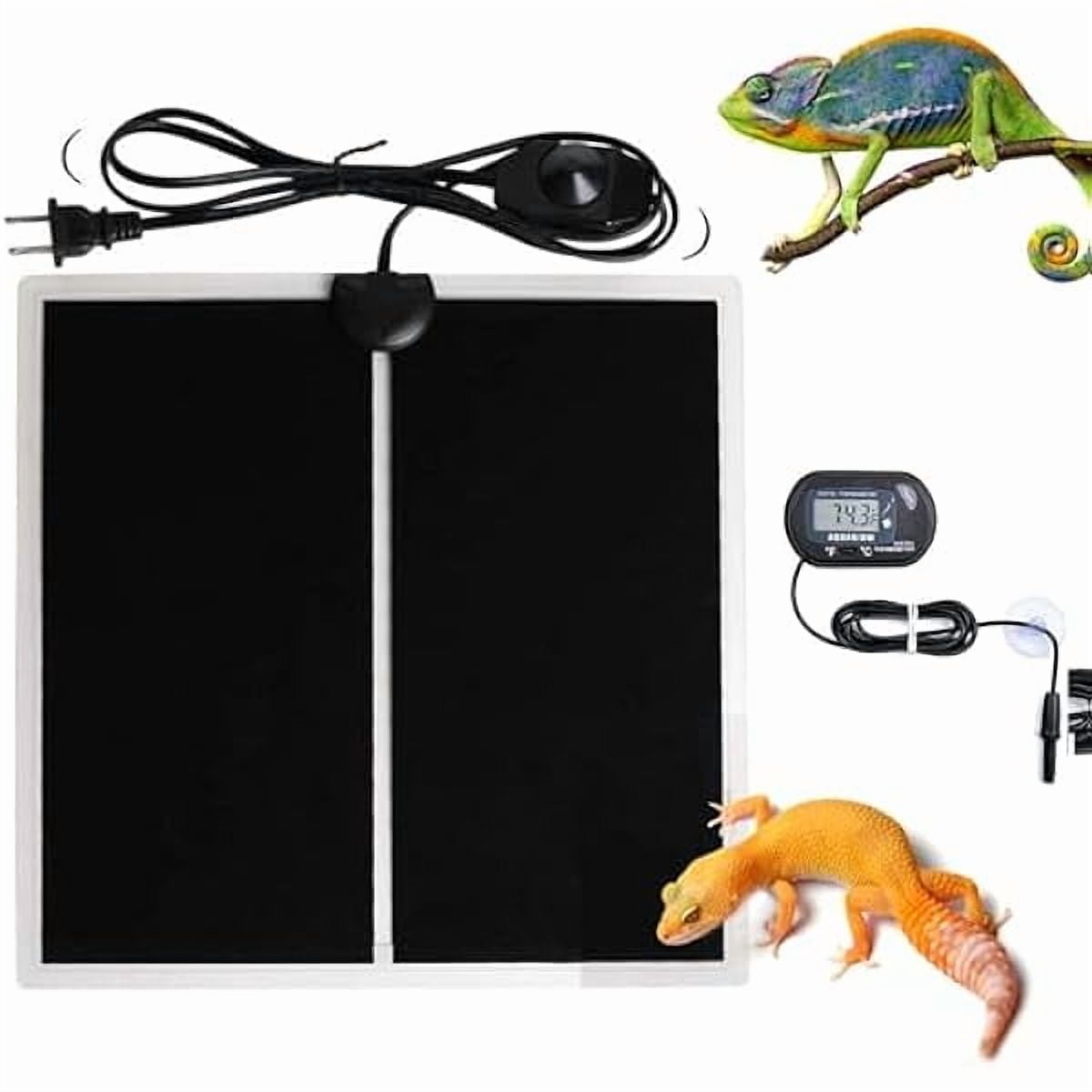
Connecting To A Thermostat
Connect the heating mat to a thermostat to control the temperature.
| Thermostat Feature | Purpose |
| Temperature sensor | Measures water temperature |
| Power control | Turns heating mat on or off |
| Safety cut-off | Prevents overheating |
Credit: www.walmart.com
Maintenance And Troubleshooting
Heating mats keep small aquariums warm and help fish stay healthy. Proper care helps the mats last longer.
Check your heating mat often. Fix problems quickly to avoid damage to your aquarium.
Regular Inspection Tips
Look at the heating mat every week. Check for cracks, breaks, or signs of wear.
Make sure the mat stays flat under the tank. A bent mat can cause uneven heating.
- Inspect power cords for damage
- Check that the mat feels warm but not hot
- Ensure the mat is properly placed under the aquarium
- Look for any water damage or moisture near the mat
Cleaning Guidelines
Turn off and unplug the heating mat before cleaning. Never clean the mat while it is plugged in.
Use a soft cloth dampened with water to wipe the mat. Avoid using harsh chemicals or soaking it.
- Unplug the mat first
- Wipe gently with a soft, damp cloth
- Do not use abrasive cleaners or scrubbers
- Dry completely before plugging back in
Common Issues And Fixes
Heating mats may stop working or heat unevenly. Look for common problems to fix them fast.
One issue is the mat not warming up. This can happen if the power cord is loose or damaged.
- If the mat is cold, check the power connection
- Replace the mat if there are cracks or tears
- Make sure the mat is flat and under the tank
- Test the outlet with another device to ensure it works
Safety Precautions
Using heating mats for small aquariums can help maintain the right temperature. It’s important to follow safety precautions to protect your fish and equipment.
This guide covers how to avoid overheating, ensure waterproofing, and monitor temperature consistently.
Avoiding Overheating
Overheating can harm fish and plants. It’s crucial to manage the heat output of your mat.
- Place the mat on a timer to control heating periods.
- Ensure the mat is compatible with your tank size.
- Regularly check the mat’s surface temperature.
Waterproofing Measures
Waterproofing prevents electrical hazards. Make sure your heating mat is designed for aquarium use.
Ensure all connections are sealed properly. Use waterproof tape if needed to secure any loose wires.
Monitoring Temperature Consistently
Consistent monitoring ensures a safe environment for your aquatic life. Use reliable tools to track temperature changes.
| Tool | Purpose |
| Digital Thermometer | Accurate temperature readings |
| Thermal Controller | Automate temperature control |
| Alarm System | Alerts for temperature drops or spikes |

Credit: www.amazon.com
Frequently Asked Questions
What Are The Benefits Of Using Heating Mats For Small Aquariums?
Heating mats provide gentle, even warmth from below the tank. They promote stable temperatures and improve fish health. Mats are energy-efficient and reduce temperature fluctuations compared to traditional heaters. They are ideal for small aquariums where space is limited.
How Do Heating Mats Work In Aquarium Setups?
Heating mats use electric heat to warm the aquarium’s base. The heat transfers through the glass or acrylic, gently warming the water. This method ensures steady temperatures and avoids hot spots. It supports tropical fish and plants in small tanks.
Are Heating Mats Safe For All Aquarium Types?
Heating mats are generally safe for glass and acrylic tanks. They should not be used with plastic tanks unless specified. Always follow manufacturer instructions and avoid direct contact with gravel or decorations. Proper installation ensures safe and effective heating.
Can Heating Mats Replace Traditional Aquarium Heaters?
Heating mats can supplement but not always replace traditional heaters. Mats provide bottom heat but may not heat water evenly in larger tanks. Combining mats with thermostatic heaters ensures optimal temperature control for small aquariums.
Conclusion
Heating mats help keep small aquariums warm and stable. They use low power and fit well under tanks. These mats make fish feel safe and healthy. Always check the mat’s size and heat level before buying. Place it carefully to avoid hot spots.
Regularly monitor the water temperature for best results. With the right mat, your aquarium stays cozy and balanced. Simple steps lead to happy fish and plants. Heating mats are a smart choice for small aquarium care.