
When it comes to measuring temperature, accuracy matters more than you might think. Whether you’re checking your child’s fever or monitoring food safety, using a reliable tool can make all the difference.
Digital thermometers offer quick and precise readings that you can trust. You’ll discover how to get the most accurate results with digital thermometers and why they could be the best choice for your needs. Keep reading to learn simple tips that can boost your confidence every time you check the temperature.
Benefits Of Digital Thermometers
Digital thermometers offer many advantages over traditional types. They provide fast and clear temperature readings.
These devices are easy to use and work in many different situations. They help users get accurate results every time.
Quick And Accurate Readings
Digital thermometers give temperature readings in seconds. This speed helps users save time and avoid guesswork.
They use sensors that detect temperature precisely. This reduces errors and ensures reliable results.
Ease Of Use
Digital thermometers are simple to operate. Most models have one-button controls for easy measuring.
The clear digital display shows numbers that are easy to read. This helps users check temperatures quickly.
Versatility In Applications
Digital thermometers work in many different settings. They are used for cooking, medical checks, and outdoor use.
Some models measure body, food, or room temperature. This makes them useful tools in homes and workplaces.
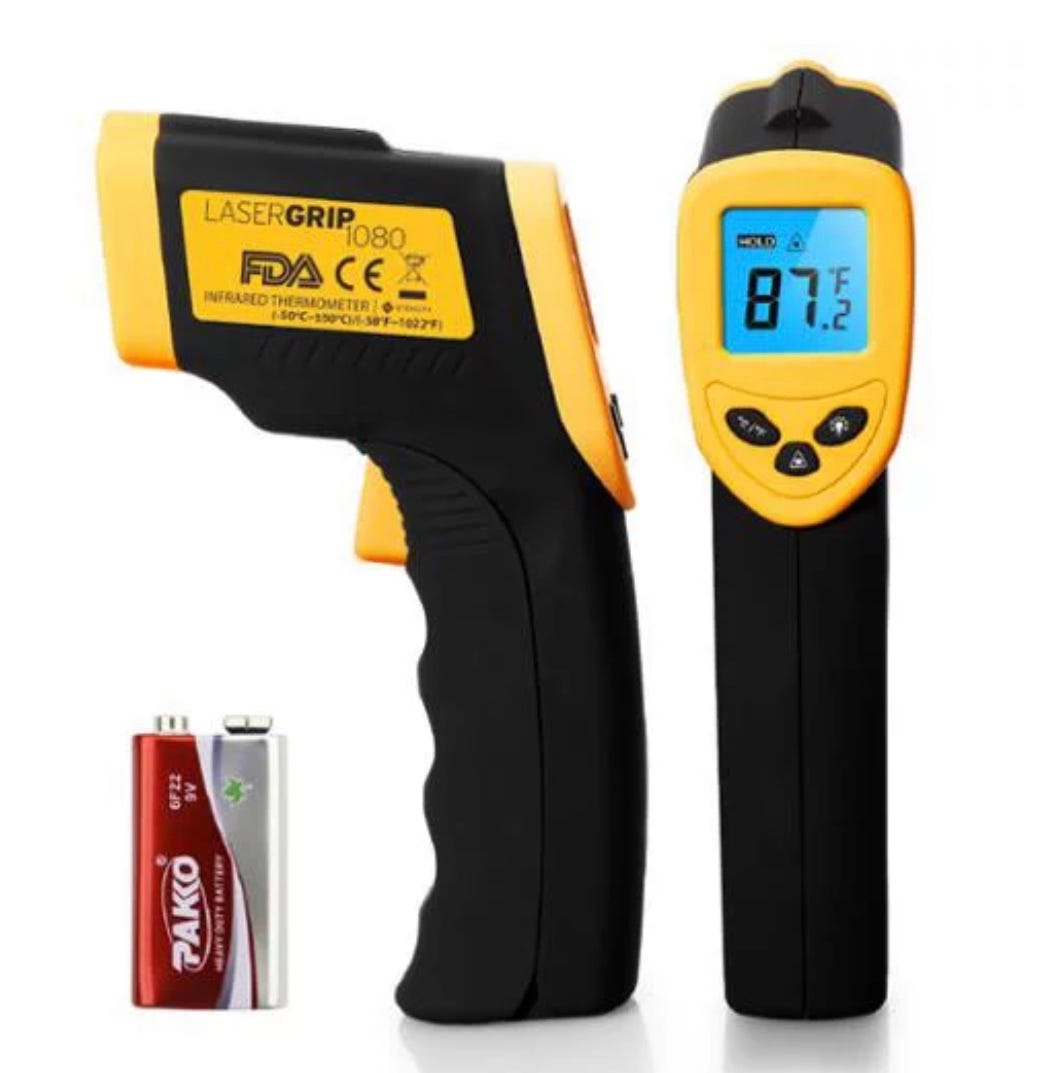
Credit: medium.com
Types Of Digital Thermometers
Digital thermometers offer fast and accurate temperature readings. They come in different types for various uses.
Understanding each type helps you choose the right one for your needs. Below are common types of digital thermometers.
Infrared Thermometers
Infrared thermometers measure temperature from a distance. They detect heat emitted by an object or surface without touching it.
These thermometers are useful for quick checks and for objects that are hard to reach or unsafe to touch.
Probe Thermometers
Probe thermometers use a metal sensor to measure temperature. They are inserted into food, liquids, or other materials.
- Instant-read probes give fast results
- Leave-in probes monitor temperature over time
- Waterproof probes work well with liquids
Wearable Thermometers
Wearable thermometers track body temperature continuously. They are small devices worn on the skin or under clothing.
| Type | Placement | Use |
| Wristband | Wrist | Monitor fever or health trends |
| Patch | Chest or arm | Continuous temperature tracking |
| Ear clip | Ear | Quick and regular checks |
Choosing The Right Thermometer
Digital thermometers help you get accurate temperature readings. Picking the right one is important for good results.
Different thermometers work better in different settings. Knowing what to look for makes choosing easier.
Consider The Measurement Environment
Think about where you will use the thermometer. Some work well indoors, others outdoors or in wet areas.
Also, consider if you need to measure air, liquid, or surface temperatures. This affects the thermometer type.
- Indoor use: room temperature or cooking
- Outdoor use: weather or soil temperature
- Wet or humid areas: waterproof models
- Surface or liquid measurement: probe or infrared types
Accuracy Specifications
Check the thermometer’s accuracy to ensure reliable readings. Look for low error margins in the product details.
Some thermometers offer faster readings but may be less accurate. Decide what matters more for your needs.
- Standard accuracy: ±0.5°C or better
- Fast response time: under 5 seconds
- Calibration options for precision
- Consistent results across uses
Budget And Features
Set a budget before buying. Some thermometers cost more but include helpful features.
Features like backlit displays, alarms, and memory can add value. Choose what you really need.
- Simple models are usually cheaper
- Extra features add convenience
- Long battery life saves money
- Durable build for lasting use
Tips For Accurate Temperature Measurement
Using digital thermometers helps get quick temperature readings. Accuracy depends on correct use and care.
Follow some simple tips to measure temperature right every time.
Proper Placement Techniques
Place the thermometer sensor where it can best detect the true temperature. Avoid spots with drafts or direct sunlight.
- Insert the probe fully into the item being measured.
- Keep the sensor away from bones or thick fat if measuring meat.
- Hold the thermometer steady until the reading stops changing.
- Do not touch the sides of the container or surface with the sensor.
Calibration Importance
Check your thermometer’s accuracy regularly. Calibration keeps readings reliable and safe.
| Calibration Method | How to Do It | Frequency |
| Ice Water Test | Insert the probe in ice water; it should read 32°F (0°C). | Weekly or before major use |
| Boiling Water Test | Place probe in boiling water; it should read 212°F (100°C) at sea level. | Monthly |
| Professional Calibration | Send device to a certified lab for precise adjustment. | Yearly |
Avoiding Common Errors
Simple mistakes can cause wrong temperature readings. Watch out for these common errors.
- Do not use a damaged or low-battery thermometer.
- Clean the probe before and after each use.
- Wait for the thermometer to fully register the temperature.
- Do not measure temperature in moving liquids without proper technique.
- Avoid touching the probe with your hands during measurement.
Maintaining And Calibrating Your Thermometer
Keeping your digital thermometer accurate needs regular care. Simple maintenance helps you trust its readings.
Calibration makes sure the thermometer shows the right temperature. Follow easy steps to keep it working well.
Regular Cleaning Practices
Clean your thermometer before and after each use. Dirt or moisture can affect the sensor and readings.
- Use a soft cloth with mild soap and water.
- Do not immerse the entire device in water.
- Dry the thermometer fully before storing.
- Avoid harsh chemicals that can damage the sensor.
Calibration Methods
Calibration sets your thermometer to the correct temperature. Use these methods to check accuracy.
| Calibration Method | How to Do It |
| Ice Water Test | Place probe in ice water. It should read 0°C or 32°F. |
| Boiling Water Test | Place probe in boiling water. It should read 100°C or 212°F. |
| Professional Calibration | Send device to a lab for precise adjustment. |
When To Replace Your Device
Some signs show your thermometer needs replacement to keep results reliable.
- The display is broken or unreadable.
- Calibration tests fail repeatedly.
- The device has physical damage or corrosion.
- Battery life is very short or leaks.

Credit: www.amazon.ca
Applications Of Digital Thermometers
Digital thermometers help measure temperature accurately. They are used in many fields. Let’s explore where they are most useful.
Medical Uses
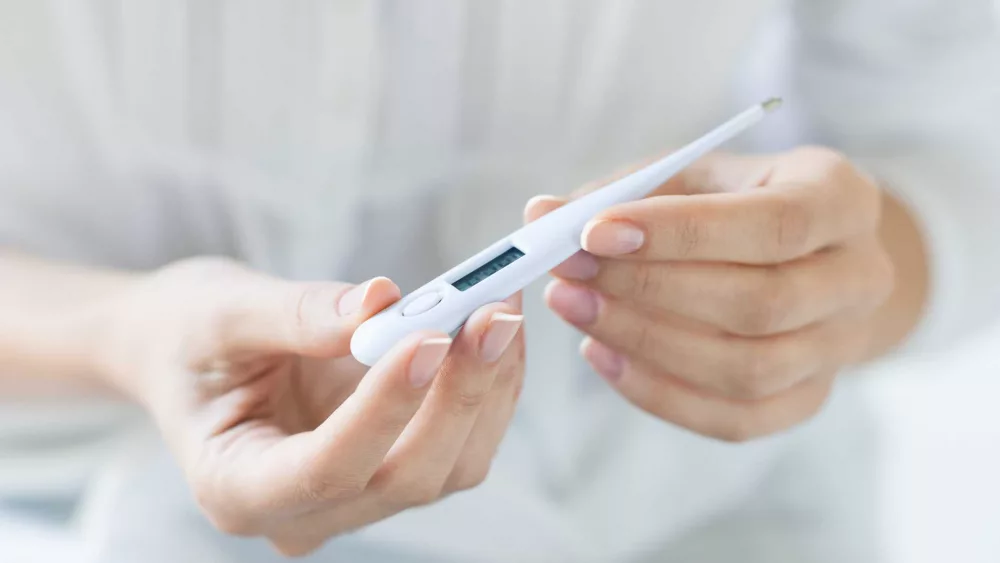
In healthcare, digital thermometers check body temperature quickly. They are vital in hospitals and clinics.
- Used for measuring fever in patients
- Helps in monitoring babies and elderly
- Essential during medical emergencies
Cooking And Food Safety
In kitchens, digital thermometers ensure food is cooked properly. They are important for safety and taste.
| Food | Safe Temperature (°F) |
| Poultry | 165 |
| Beef | 145 |
| Fish | 145 |
Industrial And Scientific Use
Industries use digital thermometers to control processes. Accurate temperature readings are crucial in labs and factories.
Credit: www.wbal.com
Frequently Asked Questions
How Accurate Are Digital Thermometers Compared To Analog Ones?
Digital thermometers provide faster, more precise readings than analog types. They minimize human error and offer consistent accuracy, typically within ±0. 1°C. This makes them ideal for medical, culinary, and scientific use where exact temperature measurement is crucial.
What Factors Affect Digital Thermometer Accuracy?
Accuracy depends on sensor quality, calibration, and placement. Proper use and regular calibration ensure precise readings. Environmental factors like extreme temperatures or humidity can also impact performance, so follow manufacturer guidelines for best results.
How Do I Calibrate A Digital Thermometer For Accuracy?
Calibrate using ice water (0°C) or boiling water (100°C) as reference points. Follow the device’s instructions to adjust readings accordingly. Regular calibration maintains accuracy and extends the thermometer’s lifespan.
Can Digital Thermometers Measure Body Temperature Accurately?
Yes, digital thermometers designed for medical use provide reliable body temperature readings. They detect small temperature changes quickly and display results clearly, aiding in effective health monitoring and diagnosis.
Conclusion
Digital thermometers give quick and clear temperature readings. They help avoid mistakes and save time. Using them correctly ensures you get the best results. They are easy to use for anyone. Always keep them clean and check batteries often. Trust digital thermometers for safe, accurate measurements every time.
Simple tools, smart choices.