
If you’ve ever struggled to keep your marine aquarium’s water at the right temperature, you know how tricky it can be. Too warm, and your delicate fish and corals can suffer.
Too cool, and their health can also be at risk. That’s where chillers come in—a powerful tool to help you maintain the perfect environment for your underwater world. You’ll discover why chillers are essential, how they work, and how to choose the best one for your setup.
Keep reading to make sure your marine life thrives all year round.
Benefits Of Chillers
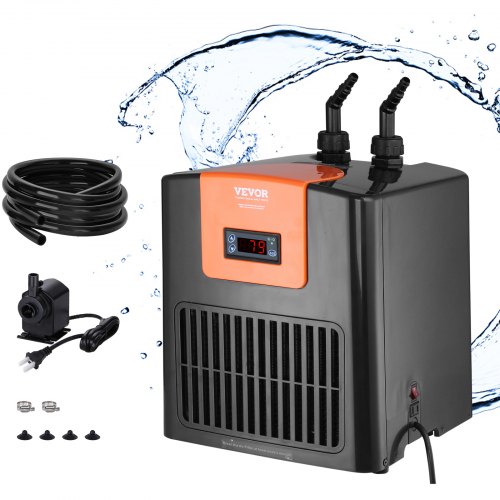
Using chillers in marine aquariums helps keep water temperatures steady. This is very important for the health of fish and corals.
Chillers protect marine life from sudden heat changes that can cause stress or illness.
Maintaining Stable Temperatures
Chillers control water temperature to stay within safe limits. Stable temperatures create a better environment for marine creatures.
- Prevents temperature spikes that can harm fish
- Keeps corals healthy and vibrant
- Supports consistent growth of marine plants
Preventing Heat Stress
Heat stress can weaken fish and corals. Chillers reduce this risk by cooling the water during hot days or when lights run long.
| Effect of Heat Stress | How Chillers Help |
| Fish lose appetite | Maintain cool water to keep fish active |
| Corals bleach | Prevent overheating to protect coral color |
| Increased disease risk | Lower stress to improve immune response |
Enhancing Marine Life Health
Stable and cool water improves the overall health of marine animals. Chillers help create ideal living conditions.
- Supports better oxygen levels in water
- Reduces harmful bacteria growth
- Encourages natural behavior in fish
- Helps maintain water chemistry balance
Credit: www.vevor.ca
Types Of Marine Aquarium Chillers
Marine aquariums need chillers to keep water at the right temperature. Chillers stop the water from getting too warm. This helps fish and corals stay healthy.
There are different types of chillers for marine tanks. Each type fits different aquarium setups and sizes. Knowing the types helps you pick the best one.
Recirculating Chillers
Recirculating chillers cool the water by moving it inside the unit. Water flows through tubes inside the chiller and returns to the tank. This type keeps water temperature steady.
They work well for large tanks. Recirculating chillers are quiet and energy efficient. They also need space for installation and proper maintenance.
In-line Chillers
In-line chillers connect directly to the aquarium’s water pump system. Water passes through the chiller and cools before going back to the tank. This keeps water cool continuously.
They fit well with setups that have sump filters. In-line chillers save space because they install inside plumbing lines. They need good water flow to work well.
Portable Chillers
Portable chillers are small and easy to move. You can place them near the aquarium without special plumbing. They are good for small tanks or temporary cooling.
These chillers are simple to set up and use. They are less powerful than other types. Portable chillers need space around them for air flow.
Choosing The Right Chiller
Chillers keep marine aquariums at the right temperature. Choosing the right one helps protect your fish and corals.
Picking a chiller depends on your tank size, energy use, and noise levels. These factors affect comfort and cost.
Sizing Based On Tank Volume
Chillers must match your tank size for best results. A small chiller can’t cool a large tank well.
Check the chiller’s cooling capacity. It is usually shown in BTUs or watts per hour.
- Measure your tank volume in gallons or liters
- Choose a chiller that fits or exceeds this volume
- Consider extra cooling if you live in a hot climate
- Remember, bigger chillers use more power
Energy Efficiency Considerations
Energy-efficient chillers save money on electricity bills. They also reduce heat output to the room.
Look for chillers with good energy ratings. Some models use advanced technology to use less power.
- Choose chillers with variable speed compressors
- Use a chiller with good insulation to keep cold in
- Check for energy-saving modes or timers
- Regular maintenance keeps chillers efficient
Noise Levels And Placement
Chillers can make noise while running. Quiet models improve comfort in your home or office.
Place chillers away from living areas if noise is a concern. Good placement helps with cooling and sound control.
- Check noise ratings before buying a chiller
- Use rubber pads to reduce vibration noise
- Place chillers in ventilated areas to avoid overheating
- Keep chillers accessible for easy cleaning and service

Credit: www.ebay.com
Installation Tips
Using chillers in marine aquariums helps keep water temperature stable. Proper installation is important for best performance. Follow these tips to install your chiller correctly.
Each step affects how well the chiller works and how long it lasts. Pay attention to placement, plumbing, and ventilation.
Optimal Positioning
Place the chiller on a flat, stable surface near your aquarium. Keep it close to reduce heat loss in the pipes. Avoid direct sunlight and damp areas.
- Keep the chiller indoors or in a shaded area
- Allow easy access for maintenance
- Place on a vibration-absorbing mat if possible
- Ensure it is level to avoid damage
Proper Plumbing Connections
Use the correct pipe size and type for your chiller. Secure all fittings tightly to avoid leaks. Keep pipes short and straight to improve flow.
| Connection Type | Recommended Pipe Size |
| Inlet | 1/2 inch to 3/4 inch |
| Outlet | 1/2 inch to 3/4 inch |
| Drain | 1/4 inch to 1/2 inch |
Ensuring Adequate Ventilation
Good airflow around the chiller helps it run cooler and longer. Avoid placing it in tight spaces or near heat sources.
- Leave at least 6 inches of space around all sides
- Keep vents clear of dust and debris
- Do not block the fan or air intake areas
- Use an external fan if the room is warm or enclosed
Maintenance Practices
Using chillers in marine aquariums needs proper care to keep them working well. Regular maintenance helps avoid problems and keeps water temperature steady.
Good habits make sure the chiller lasts longer and the aquatic life stays healthy. This guide covers key maintenance tasks.
Regular Cleaning Routines
Cleaning the chiller stops dirt and salt buildup. This prevents blockages and keeps air flowing properly.
- Turn off and unplug the chiller before cleaning.
- Wipe the outer surface with a damp cloth.
- Remove dust from vents using a soft brush or compressed air.
- Clean water lines and filters to stop algae growth.
- Check and clean the condenser coil every month.
Checking Refrigerant Levels
The refrigerant cools the water inside the chiller. Low levels cause poor cooling and damage.
| Check Point | What to Look For | Action Needed |
|---|---|---|
| Pressure Gauge | Below normal range | Call a technician to refill refrigerant |
| Cooling Performance | Water temperature rising | Inspect refrigerant level |
| Leaks | Visible signs or hissing sounds | Repair leak and refill refrigerant |
Monitoring Performance
Watch the chiller’s function daily. Early detection of problems saves time and money.
Key performance checks include:
- Check water temperature with a reliable thermometer.
- Listen for unusual noises from the chiller.
- Ensure the power supply is stable.
- Observe the unit for leaks or frost buildup.
- Record data weekly to spot trends.

Credit: www.youtube.com
Troubleshooting Common Issues
Chillers are important for keeping marine aquariums at the right temperature. They help maintain a stable environment for fish and coral. However, sometimes chillers can have problems.
This guide will help you understand and fix common chiller issues. We will look at temperature changes, strange sounds, and leaks.
Temperature Fluctuations
Temperature changes can stress marine life. If your chiller is not keeping a stable temperature, check the thermostat settings. Ensure it is set to the correct temperature for your aquarium.
Look for any blockages in the chiller’s vents. Dust and debris can affect its performance. Regular cleaning helps keep the chiller working well.
Unusual Noises
Strange noises can mean something is wrong. Check if the chiller is vibrating against something. Make sure it is placed on a flat surface.
If the noise continues, inspect the fan. A loose fan can cause noise. Tighten any loose screws to fix the issue.
Leaks And Condensation
Leaks can lead to water loss and damage. Check all connections and hoses for any signs of leaks. Replace any damaged parts immediately.
Condensation can form if the chiller is in a humid area. Ensure there is good airflow around the chiller to reduce moisture buildup.
- Check for any water pooling around the chiller.
- Use a dehumidifier in the room if needed.
- Ensure proper ventilation for the chiller unit.
Energy Saving Strategies
Chillers keep marine aquariums at the right temperature. Using energy wisely helps save money and the environment.
There are smart ways to reduce power use while keeping your aquarium safe and healthy.
Using Timers And Controllers
Timers and controllers turn chillers on and off at set times. They stop chillers from running when not needed.
- Set timers to run chillers during hottest parts of the day.
- Use controllers to maintain a stable temperature without overcooling.
- Automate chillers to reduce manual adjustments and save energy.
Insulating Aquarium Tanks
Insulation keeps cold water cold and blocks heat from outside. It lowers the chiller’s workload.
| Insulation Material | Effectiveness | Cost |
|---|---|---|
| Foam Boards | High | Low |
| Reflective Films | Medium | Medium |
| Fiberglass Wrap | High | High |
Combining With Fans And Cooling Devices
Fans and cooling devices help reduce the chiller’s work. They increase air flow and cool the water surface.
- Use fans to blow air across the aquarium surface.
- Place cooling pads near the tank for extra cooling.
- Combine fans and chillers to lower overall energy use.
Frequently Asked Questions
What Is The Role Of Chillers In Marine Aquariums?
Chillers maintain stable, cool water temperatures essential for marine life health. They prevent overheating, which can stress or kill aquatic creatures. Proper temperature control improves oxygen levels and reduces algae growth, ensuring a balanced and thriving marine environment.
How Do Marine Aquarium Chillers Work?
Marine chillers use a refrigeration cycle to cool aquarium water. They circulate warm water through coils where refrigerant absorbs heat. The cooled water returns to the tank, maintaining a consistent temperature ideal for sensitive marine species.
When Should You Use A Chiller In A Marine Aquarium?
Use a chiller if water temperatures exceed optimal ranges for your marine species. This often happens in warm climates or summer months. Chillers are vital for delicate corals, fish, and invertebrates needing stable, cool water conditions.
Can Chillers Affect Marine Aquarium Energy Consumption?
Yes, chillers increase energy use but improve tank stability and health. Choosing energy-efficient models and proper sizing minimizes costs. Efficient chillers balance temperature control with reasonable power consumption, saving money long-term.
Conclusion
Controlling water temperature keeps marine life healthy and happy. Chillers help avoid heat stress in aquariums. They keep the water cool and stable all year. This stability supports coral growth and fish comfort. Choosing the right chiller fits your tank size and needs.
Regular care of chillers ensures they work well longer. A cool tank means a thriving marine environment. Simple steps make a big difference in aquarium success. Keep your marine aquarium safe with proper cooling.