
Going away on vacation is exciting, but what about your home while you’re gone? If you live in a cold climate, you might worry about your pipes freezing or your house getting too chilly.
Using backup heaters during vacations can be the simple solution you didn’t know you needed. Imagine coming back to a warm, cozy home without any surprises. You’ll discover why backup heaters are a smart choice and how to use them safely to protect your home and give you peace of mind.
Keep reading to find out how to keep your home warm, even when you’re not there.
Benefits Of Backup Heaters
Backup heaters provide extra warmth when the main heating system is off. They help keep your home safe and comfortable during vacations.
Using backup heaters is a smart way to avoid problems caused by cold weather while you are away.
Energy Savings
Backup heaters use less energy compared to running the main heating system all day. They only heat the most important areas.
- Reduce overall energy use by heating smaller spaces
- Lower electricity or fuel bills during your absence
- Help avoid heating an empty house fully
Maintaining Comfort
Backup heaters keep a steady temperature inside your home. This prevents cold spots and keeps rooms cozy.
| Room | Backup Heater Benefit |
| Living Room | Keeps space warm for return |
| Bathroom | Prevents chill and dampness |
| Kitchen | Maintains a stable temperature |
Preventing Frozen Pipes
Backup heaters stop water pipes from freezing and bursting. This saves costly repairs and water damage.
- Backup heaters raise the air temperature in pipe areas
- They keep water flowing smoothly
- They protect plumbing during freezing weather
Credit: www.ecoflow.com
Types Of Backup Heaters
Backup heaters keep your home warm when you are away. They work well during vacations to avoid cold rooms.
There are different types of backup heaters. Each type has its own way of heating and safety features.
Electric Space Heaters
Electric space heaters use electricity to create heat quickly. They are easy to move from room to room.
Most models have safety features like automatic shutoff if tipped over. They are good for small spaces.
- Plug into any standard outlet
- Provide fast, direct heat
- Lightweight and portable
- Built-in safety features
Propane Heaters
Propane heaters burn propane gas to create heat. They work well in places without electricity.
These heaters need good ventilation to prevent gas buildup. They are powerful and heat larger areas.
- Use propane tanks as fuel
- Heat large spaces efficiently
- Require ventilation for safety
- Ideal for off-grid locations
Oil-filled Radiators
Oil-filled radiators warm oil inside the unit. The oil keeps heat for a long time after turning off.
They are quiet and provide steady heat. These heaters take longer to warm up but keep rooms warm longer.
- Fill with special heating oil
- Provide long-lasting warmth
- Operate quietly
- Good for steady, even heat
Choosing The Right Heater
Using backup heaters during vacations helps keep your home warm. Picking the right heater makes a big difference. Consider your needs before buying.
Think about room size, energy use, and safety. These factors ensure comfort and peace of mind while away.
Room Size Considerations
Match the heater size to your room. A small heater in a big room won’t warm well. A large heater in a small room wastes energy.
| Room Size | Recommended Heater Output (Watts) |
| Up to 150 sq ft | 750 – 1000 W |
| 150 – 300 sq ft | 1000 – 1500 W |
| 300 – 500 sq ft | 1500 – 2500 W |
| Over 500 sq ft | 2500+ W |
Energy Efficiency Ratings
Choose heaters with good energy ratings. They use less power and save money. Look for Energy Star or similar certifications.
- Heaters with thermostats adjust heat automatically.
- Timers help avoid running heaters all day.
- Look for ceramic or infrared models for efficiency.
Safety Features To Look For
Safety is key when using heaters unattended. Choose models with built-in protections.
- Overheat protection shuts the heater off if it gets too hot.
- Tip-over switch turns the heater off if it falls over.
- Cool-touch exterior prevents burns.
- Auto shut-off timers reduce fire risk.

Credit: www.theverge.com
Safe Usage Tips
Backup heaters help keep your home warm when you are away. Using them safely is important to avoid accidents. Follow simple tips to use backup heaters properly during vacations.
These tips help reduce risks like fire and electrical problems. Always check your heater before leaving and use safety tools to control it.
Proper Placement
Place backup heaters on flat, stable surfaces. Avoid soft surfaces like beds or carpets. These can block vents and cause overheating.
Keep heaters away from curtains, furniture, and other flammable items. Leave enough space around the heater for air to flow freely.
- Use a hard floor or a heat-resistant mat
- Keep at least 3 feet of clear space around the heater
- Do not place heaters near water sources
Avoiding Fire Hazards
Never leave backup heaters unattended for long periods. Turn off heaters before going to sleep or leaving the house. Check cords for damage before use.
Do not use extension cords with backup heaters. They may overheat and cause fires. Use heaters with built-in safety features like tip-over switches and overheat protection.
- Inspect power cords for cuts or frays
- Keep heaters away from children and pets
- Do not cover heaters with blankets or clothes
Using Timers And Thermostats
Timers help control when the heater turns on and off. This saves energy and reduces risk. Set timers to run the heater only when needed.
Thermostats keep the room temperature steady. They stop the heater from running too long. Use heaters with adjustable thermostats for better control.
- Set timers to avoid running heaters all day
- Choose heaters with automatic shut-off features
- Monitor temperature settings to prevent overheating
Energy-saving Strategies
Using backup heaters during vacations can save energy and money.
Smart choices help keep your home comfortable without wasting power.
Setting Optimal Temperatures
Set your backup heater to a lower temperature when away. This prevents freezing and saves energy.
- Keep temperature around 55°F (13°C) in winter.
- Avoid very low settings that can cause pipes to freeze.
- Do not set heater too high to save power.
Combining With Smart Thermostats
Smart thermostats control backup heaters efficiently. They adjust temperatures based on your schedule.
| Feature | Benefit |
| Remote Control | Change settings from anywhere |
| Scheduling | Set heater to lower heat during absence |
| Energy Reports | Track and reduce usage |
Insulating Your Home
Good insulation keeps heat inside. It helps backup heaters work less and save energy.
- Seal gaps around windows and doors.
- Use weather stripping to block drafts.
- Add insulation in the attic and walls.
- Cover floors with rugs or carpets.
Common Mistakes To Avoid
Using backup heaters during vacations can keep your home warm and safe. Many people make mistakes that cause higher costs or risks. Knowing what to avoid helps you use backup heaters properly.
This guide explains common errors with backup heaters. Fixing these issues saves energy and keeps your home safe.
Overusing Backup Heaters
Backup heaters are for short use or emergencies. Using them too much wastes energy and raises bills. It can also damage your main heating system.
- Do not run backup heaters all day long.
- Use them only when the main heater fails or during very cold nights.
- Turn off backup heaters when you return home or the main system works again.
- Set a timer to avoid leaving heaters on by mistake.
Ignoring Maintenance
Backup heaters need regular care to work safely and efficiently. Ignoring maintenance can cause breakdowns or fire hazards.
| Maintenance Task | Frequency |
| Clean heater filters | Every 3 months |
| Check wiring and plugs | Every 6 months |
| Inspect heater for damage | Before each vacation |
| Test heater operation | Monthly during use |
Neglecting Safety Precautions
Backup heaters can be dangerous if safety rules are ignored. Fires and injuries can happen without proper care.
Follow these safety tips:
- Keep heaters away from curtains and furniture.
- Do not use extension cords with backup heaters.
- Place heaters on flat, stable surfaces.
- Never leave heaters unattended while running.
- Install smoke detectors in rooms with heaters.
Emergency Preparedness
Using backup heaters during vacations can ensure your home stays warm. It is important to be prepared for emergencies, especially when you’re away.
Backup heaters can prevent pipes from freezing and keep your home comfortable. Let’s explore how to be ready for any heating issues while on vacation.
Backup Power Options
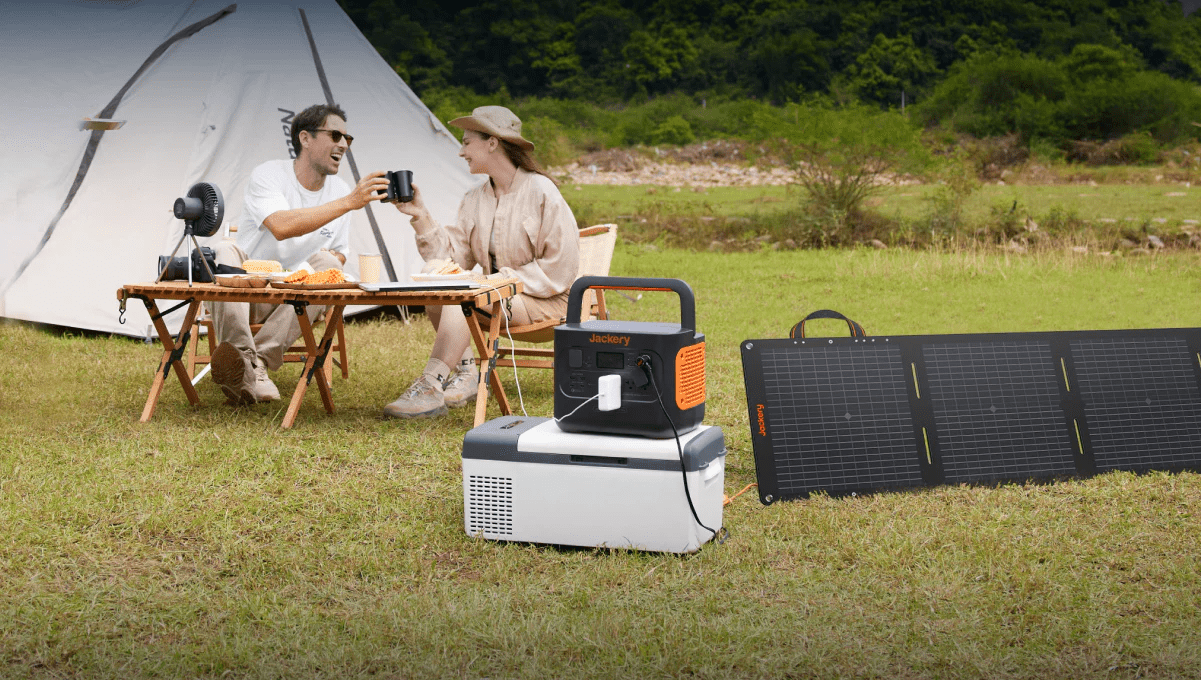
Backup power is crucial when using heaters during vacations. It ensures your heater works even if the main power fails.
Generators and battery backups are common choices. They provide the power needed to keep your heater running.
- Generators are reliable but need fuel
- Battery backups are quiet and easy to maintain
- Solar options are eco-friendly
Monitoring While Away
Monitoring your heater while you’re away is important. It helps you know if something goes wrong.
Smart thermostats can send alerts to your phone. This way, you can keep track of your heater’s performance.
- Smart thermostats offer remote control
- Apps provide instant alerts
- Friends or neighbors can check your home
What To Do If Heater Fails
If your heater fails, quick action is needed. You can avoid bigger problems by having a plan.
Call a trusted repair service right away. Make sure to leave contact info with a neighbor or friend.
- Contact a repair service immediately
- Inform a trusted neighbor
- Have a backup heater ready
Credit: www.jackery.com
Frequently Asked Questions
How Do Backup Heaters Work During Vacations?
Backup heaters maintain a minimum temperature to prevent freezing. They activate only when the main heating fails. This ensures your home stays safe and pipes don’t freeze while you’re away on vacation.
Can Backup Heaters Save Energy When I’m Away?
Yes, backup heaters use less energy by running only as needed. They avoid heating the whole house constantly, reducing energy consumption and lowering utility bills during vacations.
Are Backup Heaters Safe To Use Unattended?
Modern backup heaters have safety features like automatic shutoff and temperature controls. However, ensure your heater is certified and placed away from flammable materials before leaving it unattended.
What Types Of Backup Heaters Are Best For Vacations?
Electric and propane backup heaters are popular for vacations. Electric heaters are safer indoors, while propane heaters are useful in well-ventilated spaces or off-grid homes.
Conclusion
Backup heaters keep your home safe and warm during vacations. They prevent pipes from freezing and save energy. Using them wisely means comfort on your return. Choose a reliable backup heater that fits your needs. Always check settings before leaving to avoid surprises.
A small step that protects your home and peace of mind. Simple, smart, and effective—backup heaters are a good choice. Stay worry-free and enjoy your trip without cold worries.