
Are you tired of feeling too hot in one room and too cold in another? Uneven temperature in your home or office can be frustrating and uncomfortable.
But don’t worry—this problem is more common than you think, and there are simple ways to fix it. You’ll discover easy troubleshooting tips that can help balance the temperature in your space. Keep reading, and you’ll learn how to make your environment comfortable for everyone, every time.
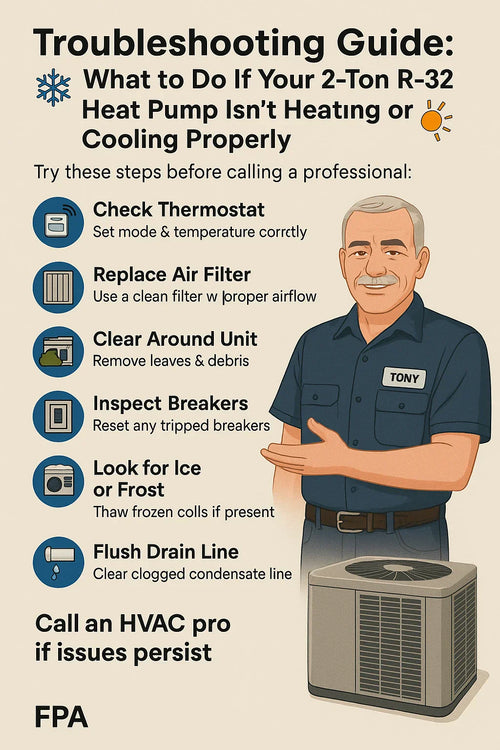
Credit: thefurnaceoutlet.com
Causes Of Uneven Temperature
Uneven temperature in a home or building can cause discomfort. It happens when some rooms feel too hot or too cold.
Knowing the causes helps fix the problem and improve comfort. Several common issues can lead to uneven temperature.
Airflow Blockages
Blocked air vents or registers stop air from moving freely. Dust, furniture, or curtains can block airflow in rooms.
Blocked airflow causes some areas to be warmer or cooler than others. Proper air circulation is needed for even temperature.
- Check vents for dust or dirt buildup
- Keep furniture away from vents
- Ensure curtains do not cover registers
Thermostat Placement
A thermostat placed in the wrong spot reads the temperature wrong. It may be near a heat source or in direct sunlight.
This causes the HVAC system to turn on or off at wrong times. The result is uneven heating or cooling in the space.
- Place the thermostat on an interior wall
- Avoid spots near windows or vents
- Keep it away from direct sunlight
Insulation Issues
Poor or missing insulation lets heat escape or enter easily. This makes rooms hotter in summer and colder in winter.
Walls, attics, and floors need proper insulation to keep temperature steady. Gaps or leaks can cause uneven warmth or cold.
- Check for gaps in windows and doors
- Inspect attic and wall insulation
- Seal leaks with weatherstripping or caulk
Hvac System Problems
HVAC systems with worn parts or poor maintenance may not work well. Dirty filters and broken fans reduce airflow and temperature control.
Uneven cooling or heating can result from duct leaks or wrong system size. Regular checkups keep the system running evenly.
- Replace dirty air filters often
- Fix leaks in ductwork
- Schedule regular HVAC maintenance
- Ensure system size matches building needs
Checking Air Vents And Filters
Uneven temperature in your home can be caused by blocked air vents or dirty filters. Checking these parts helps your heating or cooling system work better.
Cleaning and inspecting vents and filters is a simple way to improve air flow. This can make rooms feel warmer or cooler as needed.
Cleaning And Unblocking Vents
Air vents can get blocked by dust, furniture, or other objects. Blocked vents stop air from moving freely and cause uneven temperatures.
- Remove any furniture or objects blocking the vents.
- Use a vacuum or brush to clean dust from vent grilles.
- Check that vents are fully open and not closed or partially closed.
- Inspect vent ducts for any large debris or damage.
Replacing Or Cleaning Filters
Filters trap dust and dirt to keep air clean. Dirty filters reduce airflow and lower system efficiency. Replace or clean filters regularly.
| Filter Type | Cleaning Frequency | Replacement Frequency |
| Fiberglass | Replace only | Every 1 month |
| Pleated | Clean or replace | Every 3 months |
| Washable | Clean every 1 month | Replace if damaged |
Adjusting Thermostat Settings
Uneven temperature in your home can cause discomfort and waste energy. Adjusting your thermostat settings can help fix this problem. Learning the right way to place and program your thermostat is important for even heating and cooling.
This guide covers two key areas: where to place your thermostat and how to use programmable thermostats for better temperature control.
Optimal Thermostat Placement
Where you install your thermostat affects how well it reads the room temperature. A poor location can cause uneven heating or cooling.
- Place the thermostat on an inside wall, away from direct sunlight.
- Keep it away from drafts, vents, and doorways.
- Avoid placing it near heat sources like lamps or appliances.
- Install it at about 5 feet from the floor for accurate readings.
- Do not place it in kitchens or bathrooms where humidity and heat vary.
Using Programmable Thermostats
Programmable thermostats let you set different temperatures for different times of the day. This helps keep your home comfortable and can reduce energy use.
| Time Period | Recommended Temperature | Purpose |
| Morning | 68°F (20°C) | Warm up before you start the day |
| Daytime | 62°F (17°C) | Lower temperature when no one is home |
| Evening | 70°F (21°C) | Comfortable for family time |
| Night | 60°F (16°C) | Save energy while you sleep |
Improving Home Insulation
Uneven temperature in your home can make rooms uncomfortable. Good insulation helps keep your home warm in winter and cool in summer.
Improving insulation reduces drafts and heat loss. This creates a more even temperature throughout your house.
Sealing Drafts And Gaps
Drafts let cold or hot air enter your home. Sealing gaps stops this unwanted airflow. It saves energy and makes rooms feel cozy.
Check around windows, doors, and vents for cracks. Use weatherstripping or caulk to close these openings.
- Look under doors and around window frames
- Seal gaps around pipes and electrical outlets
- Use door sweeps to block drafts at the bottom of doors
- Replace old or worn weatherstripping
Adding Insulation In Key Areas
Adding insulation in certain parts of your home keeps heat from escaping. This helps balance the temperature in all rooms.
Focus on attics, walls, and basements. These areas often lose the most heat. Use the right type of insulation for each space.
- Install fiberglass batts or spray foam in attic spaces
- Add insulation inside exterior walls if possible
- Insulate basement walls and crawl spaces
- Use foam board for extra insulation around pipes and ducts
Balancing Hvac System
Uneven temperature in your home can cause discomfort. Balancing your HVAC system helps to keep all rooms at a steady temperature.
Proper balance improves air flow and reduces energy waste. It ensures your heating and cooling work efficiently.
Duct Inspection And Repair
Check your ducts for leaks, holes, or blockages. Damaged ducts cause uneven air flow and temperature problems.
Repairing ducts seals air leaks and improves system balance. Clean ducts help air move freely through your home.
- Look for visible damage or disconnected sections
- Seal leaks with duct tape or mastic sealant
- Remove debris blocking air flow inside ducts
- Hire a professional if ducts need major repair
Zoning Systems For Better Control
Zoning systems divide your home into areas with separate temperature controls. This lets you heat or cool rooms differently.
Using zones reduces energy waste and improves comfort. You only use energy where it is needed the most.
- Install dampers in ducts to control airflow by zone
- Use thermostats in each zone for precise temperature control
- Program zones for different times of the day
- Consider zoning if some rooms are too hot or cold
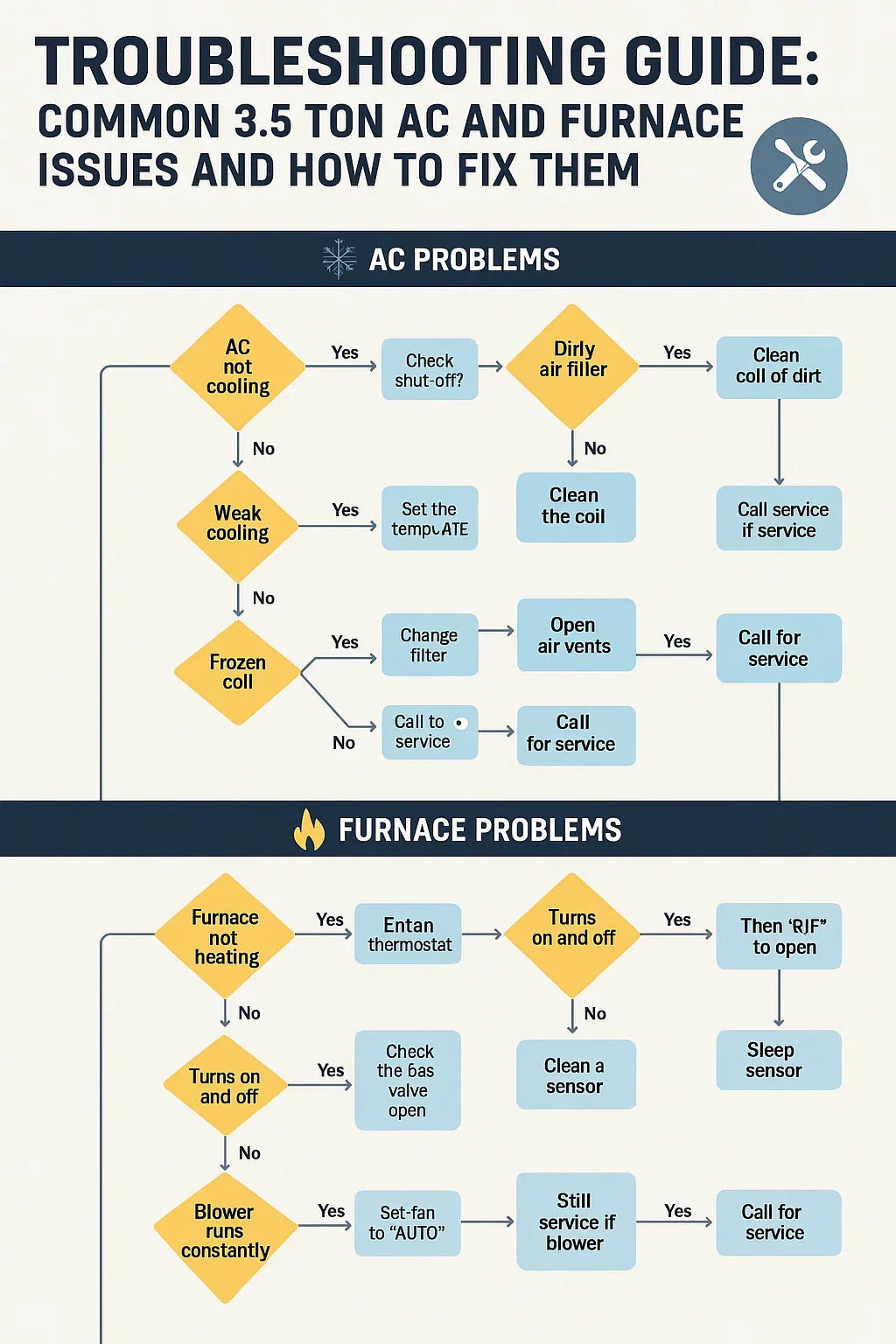
Credit: thefurnaceoutlet.com
Using Fans And Ventilation
Uneven temperature in a home can be uncomfortable. Fans and ventilation help balance room temperatures.
Using the right fan can improve air flow. Ventilation helps remove excess heat from rooms.
Ceiling Fans For Air Circulation
Ceiling fans move air around a room. They help distribute warm and cool air evenly.
In summer, fans create a breeze that cools the skin. In winter, they push warm air down from the ceiling.
- Set fan to rotate counter-clockwise in summer
- Switch to clockwise rotation in winter
- Install fans in rooms with poor air flow
Exhaust Fans To Remove Hot Air
Exhaust fans pull hot air out of a room. They are useful in kitchens and bathrooms.
These fans help remove steam and odors. They reduce moisture and heat in the air.
- Use in bathrooms to clear steam after showers
- Turn on in kitchens while cooking
- Ensure proper venting to the outside
When To Call A Professional
Uneven temperature in your home can be frustrating. Sometimes, you need a professional to fix the issue.
Knowing when to call for help can save time and money. Here are some signs and maintenance tips.
Signs Of Hvac Malfunction
Your HVAC system might not be working properly. Look for these signs to know if you need a professional.
- Rooms are too hot or too cold
- Strange noises from vents
- Unusual smells when the system is running
- High energy bills
Routine System Maintenance
Regular maintenance keeps your HVAC system running smoothly. Here are some routine tasks to consider.
- Change air filters every 1-3 months
- Clean vents and ducts to remove dust
- Schedule annual professional inspections
- Check the thermostat settings
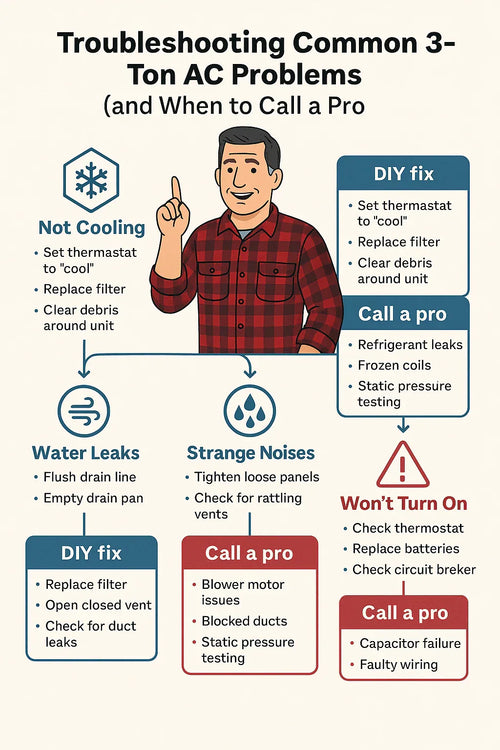
Credit: thefurnaceoutlet.com
Frequently Asked Questions
Why Is My Home Experiencing Uneven Temperature?
Uneven temperature often results from poor insulation, blocked vents, or malfunctioning HVAC systems. Check airflow, thermostat settings, and insulation quality to identify issues quickly.
How Can I Fix Uneven Heating In My Rooms?
Ensure vents are open and unblocked. Balance airflow by adjusting dampers. Regular HVAC maintenance and sealing leaks improve temperature consistency.
Does Poor Insulation Cause Uneven Temperature?
Yes, inadequate insulation allows heat loss or gain, creating hot or cold spots. Upgrading insulation helps maintain consistent indoor temperatures and lowers energy costs.
Can Dirty Air Filters Affect Temperature Balance?
Dirty air filters reduce airflow, causing HVAC inefficiency and uneven temperatures. Replace filters regularly to improve system performance and maintain even heating or cooling.
Conclusion
Uneven temperature can cause many problems in your home or workspace. Fixing it helps save energy and improves comfort. Check your heating or cooling system regularly. Clean filters and vents to keep air flowing well. Seal gaps in doors and windows to stop drafts.
Small steps can make a big difference. Stay patient and keep testing your fixes. Consistent effort leads to a balanced temperature. Enjoy a cozy and even environment every day.