
Are you struggling to keep your triggerfish healthy during hot weather? Heat stress can quickly harm your fish, causing illness or even death if not managed properly.
Understanding how to spot the signs and take the right steps can make all the difference. You’ll discover simple, effective ways to protect your triggerfish from heat stress and keep your aquarium thriving. Keep reading—you’ll learn exactly what you need to do to safeguard your fish when temperatures rise.

Credit: www.scubadiving.com
Heat Stress Effects On Triggerfish
Triggerfish face many challenges when water temperatures rise. Heat stress affects their health and behavior. Understanding these effects helps protect them in changing environments.
Heat stress occurs when water gets too warm for triggerfish to handle. This stress causes changes in how they act and how their bodies work. Signs of distress show when heat becomes too much.
Behavioral Changes
Triggerfish change their behavior to cope with heat stress. These changes help them avoid danger but may also reduce feeding and movement.
- Reduce swimming activity to save energy
- Seek cooler, deeper water or shaded areas
- Hide more often to avoid predators
- Eat less due to lower appetite
Physiological Impact
Heat stress affects the body functions of triggerfish. Their metabolism and oxygen use change, causing strain on vital organs.
| Physiological Effect | Description |
| Increased Metabolic Rate | Body uses more energy, leading to fatigue |
| Reduced Oxygen Supply | Less oxygen in blood affects muscle function |
| Dehydration Risk | Water loss from body causes stress |
| Immune System Weakening | More prone to disease and infection |
Signs Of Distress
Triggerfish show clear signs when heat stress affects them. Watching for these signs helps detect problems early.
- Rapid gill movement or heavy breathing
- Loss of color or faded patterns
- Floating near the surface or erratic swimming
- Refusal to eat or weak responses
Optimal Tank Conditions
Maintaining the right tank conditions is key for managing heat stress in triggerfish. Proper care helps keep fish healthy and active.
Focus on temperature, water quality, and oxygen levels to create a safe environment for triggerfish.
Temperature Range
Triggerfish thrive best in water temperatures between 24°C and 28°C. Temperatures outside this range can cause stress and affect their health.
Keep the temperature steady to avoid sudden changes that may harm the fish.
Water Quality Parameters
Good water quality is essential for triggerfish to cope with heat stress. Monitor key factors regularly.
| Parameter | Recommended Level |
|---|---|
| pH | 7.8 – 8.4 |
| Ammonia (NH3) | 0 ppm |
| Nitrite (NO2) | 0 ppm |
| Nitrate (NO3) | < 20 ppm |
| Salinity | 30 – 35 ppt |
Aeration And Circulation
Proper aeration keeps oxygen levels high and helps cool the water. Circulation spreads oxygen evenly.
- Use air stones or diffusers for steady oxygen supply
- Install water pumps to ensure good flow
- Check equipment regularly for proper function
- Adjust flow to avoid stressing the fish
Cooling Techniques
Triggerfish need to stay cool in warm water. High temperatures can stress them. There are ways to manage heat stress effectively.
These techniques help keep your triggerfish healthy. Let’s explore some simple methods.
Using Chillers
Chillers lower the water temperature in your aquarium. They are useful when the room is hot. This helps your triggerfish stay comfortable.
Choose a chiller based on your tank size. Follow the instructions to set it up. This ensures your fish enjoy a cool environment.
Natural Shade And Hiding Spots
Shade keeps triggerfish away from direct light. Use plants or decorations to create shaded areas. These spots help fish cool down.
Hiding spots also provide stress relief. Fish feel safe and secure in these areas. Arrange rocks and plants to make natural hiding places.
Adjusting Lighting
Lighting affects tank temperature. Use lower wattage bulbs to reduce heat. This helps keep the water cooler.
Set a timer to control light exposure. This prevents the tank from overheating. It also mimics natural light cycles for the fish.

Credit: royalsocietypublishing.org
Diet And Nutrition Adjustments
Managing heat stress in triggerfish requires careful diet and nutrition changes. Proper feeding helps fish stay healthy and resist heat-related problems.
Adjusting what and how often you feed triggerfish can improve their ability to cope with high temperatures.
Hydrating Foods
Feeding triggerfish foods with high water content helps keep them hydrated. This supports their body functions during heat stress.
- Fresh vegetables like cucumber and zucchini
- Water-rich fruits such as watermelon pieces
- Soft, moist pellets formulated for marine fish
- Live or frozen foods with natural moisture
Supplements For Stress Resistance
Adding supplements can boost triggerfish’s resistance to heat stress. Vitamins and minerals improve their immune system.
| Supplement | Benefit |
| Vitamin C | Reduces stress and supports healing |
| Vitamin E | Protects cells from damage |
| Omega-3 Fatty Acids | Improves skin and scales health |
| Probiotics | Enhances digestion and nutrient absorption |
Feeding Frequency
Changing how often you feed triggerfish can reduce heat stress effects. Smaller, more frequent meals are easier to digest.
- Feed 2 to 3 times daily instead of one large meal
- Observe fish behavior to adjust feeding times
- Remove uneaten food quickly to keep water clean
Monitoring And Early Detection
Managing heat stress in triggerfish requires careful monitoring. Early detection helps prevent harm and keeps fish healthy.
Using simple methods, you can track signs of heat stress daily. This guide covers key checks and tools to watch your triggerfish closely.
Daily Health Checks
Look for changes in your triggerfish’s appearance and activity every day. Early signs of heat stress include faded colors and slow movements.
- Check the fish’s color for dullness or spots.
- Observe swimming patterns for lethargy or erratic moves.
- Look for rapid gill movement or gasping.
- Note any loss of appetite or hiding behavior.
Water Testing Tools
Maintaining water quality is key to avoiding heat stress. Use tools to check temperature and oxygen levels regularly.
| Tool | Purpose | Ideal Range |
| Thermometer | Measures water temperature | 24-28°C (75-82°F) |
| Oxygen Meter | Checks dissolved oxygen | 6-8 mg/L |
| pH Meter | Tests water acidity | 7.5-8.5 |
Behavioral Observation Tips
Watch how triggerfish behave to spot heat stress early. Changes in behavior often show stress before physical signs appear.
- Notice if fish stay near the surface or water flow.
- Look for increased hiding or isolation from other fish.
- Check if fish rub against objects, which may show irritation.
- Observe if there is sudden aggression or unusual calmness.
Emergency Interventions
Heat stress can quickly harm triggerfish. Immediate action helps reduce damage. Knowing emergency steps saves lives.
This guide covers key interventions for heat stress in triggerfish. Focus on rapid cooling, quarantine, and vet care.
Rapid Cooling Methods
Cooling the fish quickly lowers body temperature. Use water with a safe temperature to avoid shock. Avoid sudden temperature drops.
- Move the fish to cooler, shaded water.
- Use a gentle water flow to increase oxygen.
- Spray water on the fish’s surface gently.
- Avoid handling the fish too much during cooling.
Quarantine Procedures
Keep affected fish separate to stop heat stress from spreading. Use a clean tank with good water quality. Observe fish closely for changes.
| Quarantine Task | Purpose |
| Isolate fish | Prevent spread of illness |
| Maintain water quality | Reduce stress and infection risk |
| Monitor behavior | Detect worsening condition early |
Professional Veterinary Care
Contact a vet if heat stress is severe. They can provide medicines and treatments not available at home. Early vet care improves chances for recovery.
- Uncontrolled breathing or gasping
- Loss of balance or swimming problems
- Visible skin damage or lesions
- Refusal to eat for several hours
Long-term Prevention Strategies
Triggerfish can get heat stress if water gets too warm. Long-term care helps keep them healthy. Use smart strategies to avoid heat problems.
Preventing heat stress means watching tank conditions all year. This keeps fish safe and active.
Seasonal Tank Adjustments
Water temperature changes with seasons. Adjust your tank setup to match these changes. Keep water cooler in summer and stable in winter.
Use chillers or fans in hot months. Add heaters if winter makes water too cold. Test water often to keep it steady.
- Monitor temperature daily
- Use cooling devices in summer
- Use heaters in cold months
- Keep water clean and oxygen-rich
Breeding Considerations
Breeding triggerfish raises their stress levels. Prepare the tank to lower heat stress during this time. Provide enough space and hiding spots.
Keep water quality high and stable. Avoid sudden temperature changes. These steps help breeding triggerfish stay calm and healthy.
- Provide separate breeding area
- Maintain stable temperature
- Keep water clean and filtered
- Offer shelter and hiding spots
Habitat Enrichment
Triggerfish need a complex environment. Add rocks, plants, and tunnels to reduce stress. Enrichment keeps fish busy and less affected by heat.
Change decorations sometimes to keep the tank interesting. This helps fish feel safe and lowers heat stress risks.
- Use natural hiding places
- Include live or fake plants
- Add caves and tunnels
- Change layout regularly
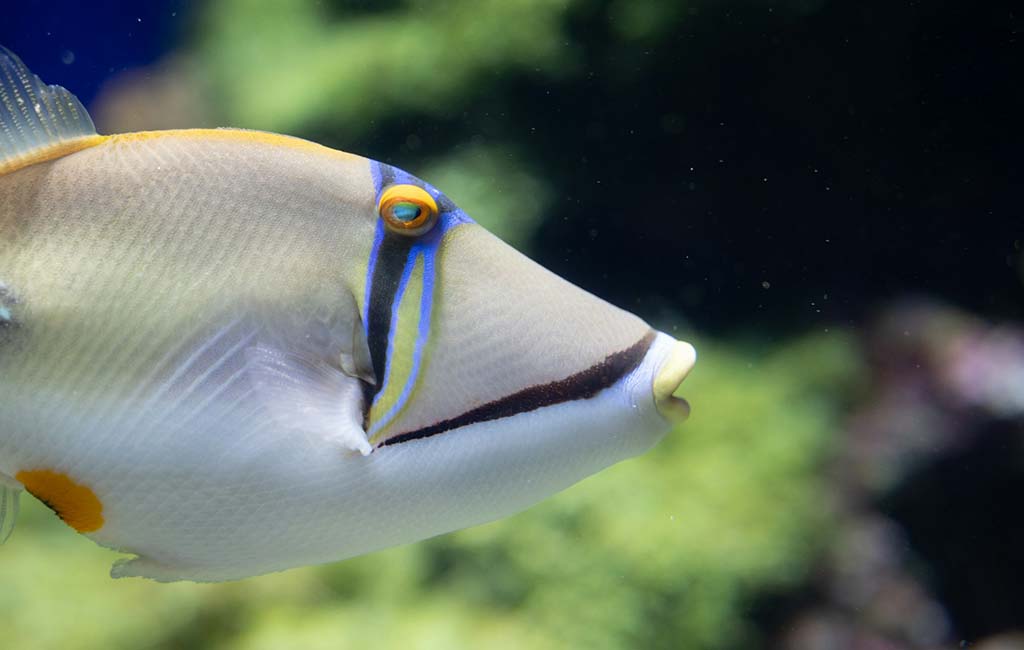
Credit: www.hygger-online.com
Frequently Asked Questions
What Causes Heat Stress In Triggerfish?
Heat stress in triggerfish is mainly caused by elevated water temperatures. Poor water quality and low oxygen levels also contribute. These factors disrupt their normal metabolism and behavior, leading to stress and potential health issues.
How To Identify Heat Stress In Triggerfish?
Signs include lethargy, rapid breathing, and loss of appetite. Triggerfish may also show erratic swimming or color changes. Observing these symptoms early helps prevent severe stress and health decline.
What Are Effective Ways To Manage Triggerfish Heat Stress?
Maintaining optimal water temperature and quality is key. Use cooling systems or increase aeration to reduce heat effects. Regular monitoring and prompt action help keep triggerfish healthy and stress-free.
Can Heat Stress Affect Triggerfish Reproduction?
Yes, heat stress can reduce reproductive success. It impacts spawning behavior and egg viability. Managing temperature and environment improves breeding outcomes and fish health.
Conclusion
Managing heat stress in triggerfish protects their health and wellbeing. Keep water temperature stable and avoid sudden changes. Provide plenty of shade and good water flow to cool them down. Watch for signs of stress like rapid breathing or lethargy.
Act quickly to reduce heat if needed. Healthy triggerfish live longer and stay active. Simple steps make a big difference in their care. Stay aware and keep their environment safe and comfortable. This helps triggerfish thrive even in warmer conditions.