
When you need to move water quickly and easily, having the right tools for siphoning water can make all the difference. Whether you’re draining a fish tank, emptying a flooded basement, or transferring fuel, the right equipment saves you time and effort.
Imagine avoiding messy spills and frustrating delays—this guide will show you exactly what tools you need to get the job done smoothly. Keep reading, and you’ll discover simple, effective options that anyone can use, even if you’ve never siphoned water before.
Basic Siphoning Equipment
Siphoning water needs simple tools that anyone can use. These tools help move water from one place to another without a pump system.
This guide covers three main tools: hoses and tubing, manual pumps, and buckets and containers. Each tool plays a key role in siphoning water.
Hoses And Tubing
Hoses and tubing are the main parts for siphoning. They carry water from the source to the target. Clear tubing helps you see water flow and check for air bubbles.
- Use flexible plastic or rubber tubes
- Choose the right length for your job
- Pick a diameter that fits the water volume
- Make sure both ends fit tightly to avoid leaks
Manual Pumps
Manual pumps start the siphon by creating suction. They help move water without needing power or electricity. A simple hand pump is easy to use and carry.
| Type | How it works | Best for |
| Hand Siphon Pump | Pushes and pulls water to start flow | Small to medium water amounts |
| Bulb Pump | Squeeze bulb to create suction | Quick starts, easy operation |
| Lever Pump | Uses lever to pump water manually | Heavier use, more water |
Buckets And Containers
Buckets and containers help collect and hold water before or after siphoning. They keep water safe and reduce spills.
- Use sturdy containers with tight lids
- Choose sizes that match your water needs
- Clean containers before use to avoid contamination
- Stack containers carefully to save space

Credit: www.amazon.ca
Advanced Siphoning Tools
Siphoning water can be easy with the right tools. Advanced siphoning tools help move water faster and with less effort.
These tools are great for many tasks like draining pools, emptying tanks, or moving water during emergencies.
Electric Water Transfer Pumps
Electric water transfer pumps use electricity to move water quickly. They are powerful and save time.
These pumps can handle large amounts of water. They work well for draining ponds or filling irrigation systems.
- Require a power source like a wall outlet
- Can move water over long distances
- Good for heavy-duty water transfer jobs
Battery-operated Pumps
Battery-operated pumps run on rechargeable batteries. They are portable and easy to use anywhere.
These pumps work well when no electricity is nearby. They are useful for camping, boats, and remote areas.
- Lightweight and compact
- Can work without cords or outlets
- Best for small to medium water transfer jobs
Gravity-fed Systems
Gravity-fed systems use height to move water without pumps. Water flows down from a higher place to a lower one.
These systems are simple and do not need power. They work well for irrigation or slow water transfer tasks.
- Use hoses or pipes placed downhill
- No electricity or batteries needed
- Require a higher water source than the outlet
Choosing The Right Hose
Selecting the right hose is important for siphoning water effectively. The hose must match your needs for material, size, and durability.
Using the wrong hose can cause leaks or make siphoning harder. Learn about key features to pick the best hose.
Material Types
Hoses come in different materials. Each type has benefits and limits for water siphoning tasks.
- Vinyl:Lightweight and cheap but can kink easily.
- Rubber:Strong and flexible but heavier than vinyl.
- Polyurethane:Clear, flexible, and resistant to kinks.
- Reinforced:Built with layers for extra strength and durability.
Diameter And Length
| Diameter (inches) | Effect | Common Use |
|---|---|---|
| 1/2 | Slower flow, easier to control | Small containers or tight spaces |
| 3/4 | Moderate flow, good balance | General siphoning tasks |
| 1 | Faster flow, needs more effort | Large volumes or quick draining |
Choose a hose length that fits your setup. Too short limits reach. Too long may reduce water flow.
Durability And Flexibility
Durability helps a hose last longer. Flexibility makes it easier to bend and move without damage.
Check these factors for durability and flexibility:
- Resistance to cracking in cold or heat
- Ability to bend without kinking
- Protection against abrasion and sunlight
- Weight and ease of handling

Credit: www.amazon.ca
Techniques For Effective Siphoning
Siphoning water is a simple way to move liquids from one place to another. It uses gravity and pressure differences to work.
Knowing the right techniques helps you start and keep the flow steady. Avoiding air bubbles is also important.
Starting The Flow
To start siphoning, first fill the tube with water. This removes air and creates a continuous path for the liquid.
Place one end of the tube in the water source. Keep the other end lower than the source to let gravity work.
- Fill the tube completely with water before use
- Seal one end and submerge it in the source container
- Lower the other end below the water level in the source
- Release the sealed end to start the flow
Maintaining Continuous Transfer
Keep the tube lower at the outlet than the source. This keeps water moving by gravity.
Check the tube often to make sure it stays full of water. Air pockets can stop the flow.
- Keep outlet end lower than source end
- Secure the tube to avoid movement or leaks
- Refill or re-prime if the flow slows or stops
- Use clear tubing to watch for air bubbles
Avoiding Air Locks
Air locks happen when air gets trapped in the tube. This breaks the water column and stops flow.
Make sure to remove all air before starting. Keep the tube full and avoid high points where air can collect.
- Fill tube completely before use
- Check tube for bubbles before starting
- Avoid loops or bends that trap air
- If air enters, re-prime or tap tube to remove it
Safety Tips For Water Transfer
Using tools to siphon water can be helpful for many tasks. It is important to be safe while moving water. This guide covers key safety tips to keep water clean and avoid accidents.
Following these tips will protect you and the environment. Always handle equipment and liquids carefully to prevent harm.
Preventing Contamination
Keep water clean by using clean tools and containers. Dirt or chemicals can pollute the water and cause problems.
Do not use the same siphon for different liquids without cleaning it well first. Avoid touching the inside of hoses or containers.
- Use clean hoses and buckets only for water
- Rinse tools before and after use
- Store equipment in a clean, dry place
Handling Chemicals
Some water sources may contain chemicals or fuel. Be careful to avoid contact with harmful substances during transfer.
Wear gloves and protective clothing if chemicals are nearby. Do not use siphoning tools that have touched chemicals for drinking water.
- Wear safety gloves and goggles
- Keep chemicals away from water sources
- Clean tools thoroughly after chemical contact
Avoiding Spills And Leaks
Spills can waste water and cause slippery surfaces. Check all connections to stop leaks before starting the siphon.
Place containers on stable ground. Use clamps or seals on hoses to prevent water from dripping or spraying.
- Inspect hoses for cracks or holes
- Secure hose ends tightly
- Work slowly to control water flow
- Keep a cloth or bucket ready for small spills
Maintenance And Storage
Tools for siphoning water need proper care. This ensures they work well and last longer. Regular maintenance is key to keeping your tools in good shape.
Storing your equipment the right way helps prevent damage. Good storage practices save money by extending the life of your tools.
Cleaning Equipment
Cleaning tools after each use is important. Dirt and debris can cause wear and tear. Clean tools perform better and last longer.
- Rinse tools with clean water
- Use mild soap for stubborn dirt
- Dry thoroughly to prevent rust
Proper Storage Practices
Storing tools correctly avoids unnecessary damage. Keep them in a dry place to prevent rust and decay. Organized storage makes tools easy to find when needed.
- Store in a cool, dry area
- Use storage racks for hoses
- Cover tools to keep dust away
Extending Tool Lifespan
Regular checks ensure tools are in good condition. Fix small issues before they become big problems. This extends the lifespan of your equipment.
- Inspect for cracks and leaks
- Tighten loose connections
- Replace worn-out parts promptly
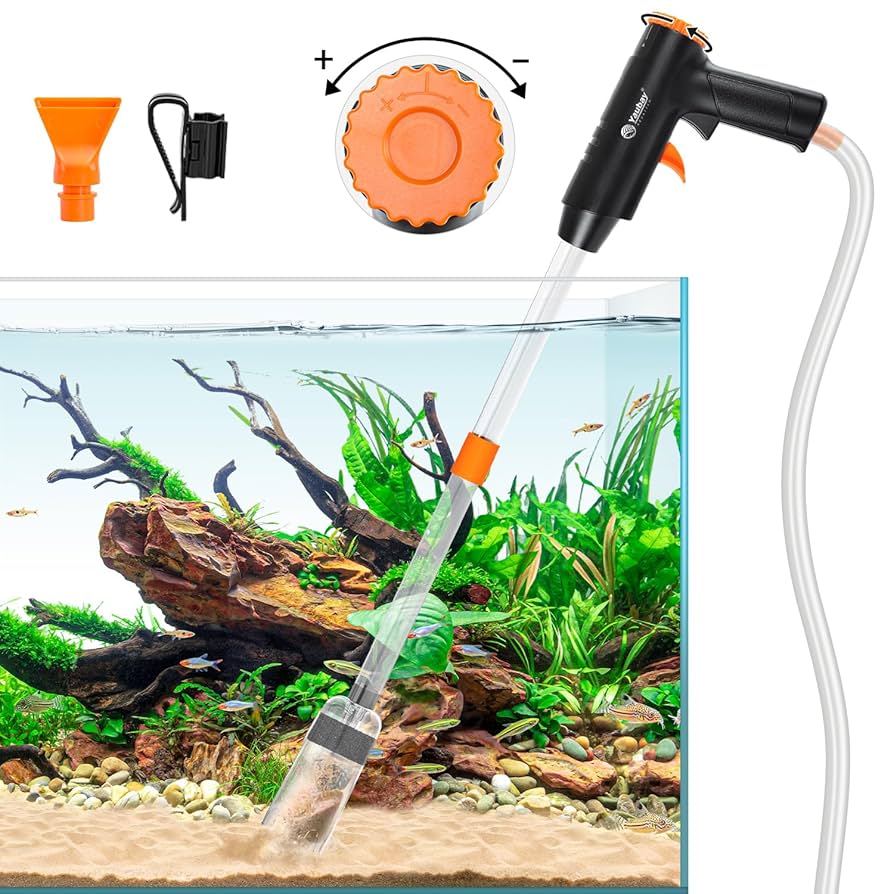
Credit: www.amazon.com
Frequently Asked Questions
What Tools Are Best For Siphoning Water Quickly?
The best tools include siphon pumps, flexible tubing, and manual hand pumps. These ensure fast, efficient water transfer. Choose tools based on volume and location for optimal results.
How Does A Siphon Pump Work For Water Removal?
A siphon pump creates suction to start water flow from higher to lower areas. It eliminates the need for manual sucking and is easy to use for draining.
Can I Use Household Items To Siphon Water Safely?
Yes, flexible plastic tubing and a container can work. Ensure the tubing is clean and food-grade to avoid contamination and ensure safe water transfer.
What Safety Tips Should I Follow While Siphoning Water?
Always avoid sucking on the tube directly. Use a pump or start the siphon properly. Wear gloves and keep the area clean to prevent hazards.
Conclusion
Choosing the right tool makes siphoning water easier and faster. Simple tools like hoses or pumps work well for most jobs. Always check your equipment before use to avoid leaks or spills. Safety matters—keep the process clean and steady. Practice helps you get better at siphoning.
Remember, the right tool saves time and effort. Keep these tips in mind for your next water transfer task.