
Are you tired of stubborn algae taking over your pond, pool, or garden? Finding a natural way to remove algae can save you time, money, and the hassle of harsh chemicals.
Imagine a solution that works gently yet effectively, keeping your outdoor spaces clean and healthy. You’ll discover simple tools and techniques that help you fight algae naturally. Keep reading to learn how you can restore the beauty of your surroundings without compromising the environment or your peace of mind.

Credit: www.amazon.com
Common Types Of Algae
Algae are simple plants that grow in water or moist places. They come in many types and colors. Knowing common algae helps in removing them naturally.
Some algae are helpful, but others can cause problems. This guide covers green algae, blue-green algae, and red algae.
Green Algae
Green algae are bright green and live in fresh or saltwater. They use sunlight to make food. Green algae often grow on rocks, plants, or pool surfaces.
- Usually harmless but can cover surfaces quickly.
- Grow well in warm and sunny areas.
- Help produce oxygen in water.
Blue-green Algae
Blue-green algae are actually bacteria that look like algae. They can produce toxins that harm fish and people. These algae grow fast in water with many nutrients.
| Characteristic | Description |
| Color | Blue-green |
| Type | Cyanobacteria |
| Growth | Rapid in nutrient-rich water |
| Risk | Can produce harmful toxins |
Red Algae
Red algae live mostly in saltwater. They have red pigments that help them absorb light in deep water. Some red algae are used in food and medicine.
Red algae facts:
- Found mainly in oceans
- Can grow on rocks or coral reefs
- Contain valuable substances like carrageenan
Causes Of Algae Growth
Algae grow naturally in water, but some conditions make them grow too fast. This can cause problems in ponds, lakes, and water tanks.
Understanding what causes algae to grow helps to remove it naturally and keep water clean.
Nutrient Overload
Algae need nutrients like nitrogen and phosphorus to grow. Too many nutrients cause algae to multiply quickly.
These nutrients come from fertilizers, animal waste, and decaying plants that enter water sources.
- Excess fertilizer from farms and gardens
- Runoff from animal farms
- Leaves and plants breaking down in water
Sunlight Exposure
Algae need sunlight to make food through photosynthesis. More sunlight means more algae growth.
Clear and shallow water lets sunlight reach algae easily, helping it grow faster.
- Clear water with little shade
- Shallow ponds or lakes
- Long hours of sunlight during the day
Water Stagnation
Still water without movement creates a good place for algae to grow. Moving water can stop algae growth.
Stagnant water also traps nutrients and sunlight, making algae grow faster.
- Water with no flow or circulation
- Ponds without fountains or filters
- Areas blocked from wind or water movement
Manual Removal Techniques
Removing algae naturally helps keep water and surfaces clean without chemicals. Manual removal is a simple way to control algae growth.
Using tools like brushes and nets allows you to remove algae by hand. This method is safe for the environment and effective if done regularly.
Scrubbing And Brushing
Scrubbing algae with a brush removes it from hard surfaces. Use stiff brushes for rough surfaces and soft ones for delicate areas.
Brush in circular motions to lift the algae without damaging the surface. Rinse the area with water after scrubbing to wash away loosened algae.
- Wear gloves to protect your hands
- Use a bucket of water for rinsing
- Scrub regularly to prevent thick algae buildup
- Choose brushes based on surface type
Using Nets And Rakes
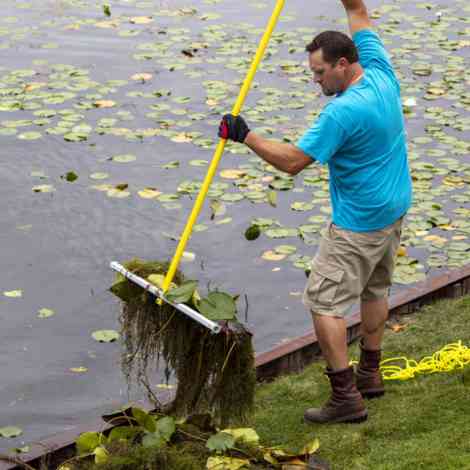
Nets and rakes help remove algae from ponds, pools, and other water bodies. They collect floating algae and reduce its spread.
Use a fine mesh net to scoop algae off the water surface. Rakes with wide teeth pull algae from the bottom or edges of the water.
- Remove algae before it sinks to the bottom
- Clean nets and rakes after use to prevent algae growth
- Work gently to avoid stirring algae too much
- Regular removal keeps water clearer

Credit: www.amazon.com
Natural Algae-eating Organisms
Algae can grow quickly in water gardens and aquariums. Using natural algae-eating organisms helps keep algae under control. These organisms eat algae without chemicals or harsh treatments.
Choosing the right algae eaters can improve water clarity and balance. They work well with plants and fish, creating a healthier environment.
Snails And Crustaceans
Snails and crustaceans are small creatures that eat algae on surfaces. They clean tank walls, plants, and decorations naturally.
Examples include pond snails, nerite snails, and freshwater shrimp. These animals help reduce algae without harming other tank life.
- Pond Snails eat soft algae and leftover food.
- Nerite Snails clean tough algae from glass.
- Freshwater Shrimp graze on algae and debris.
Algae-eating Fish
Certain fish species eat algae as part of their diet. They swim around and nibble algae from plants and rocks.
Popular algae-eating fish include plecos, siamese algae eaters, and otocinclus catfish. These fish help keep the water clean and clear.
- Plecos are strong algae eaters but need space.
- Siamese algae eaters remove many algae types.
- Otocinclus catfish are small and peaceful algae eaters.
Beneficial Bacteria
Beneficial bacteria break down waste and compete with algae for nutrients. They help reduce algae growth by keeping water balanced.
These bacteria live in filter media, gravel, and water. Adding beneficial bacteria boosts the natural cleaning process in ponds and tanks.
- They lower harmful ammonia and nitrite levels.
- They compete with algae for food sources.
- They improve water clarity and quality.
Plant-based Solutions
Algae can cause problems in ponds and water gardens. Using plants to remove algae is a natural choice. These methods are safe and eco-friendly.
Plant-based solutions work by blocking sunlight or using natural chemicals. These help keep algae growth under control.
Barley Straw
Barley straw slows down algae growth as it decomposes in water. It releases substances that stop algae from spreading. Place barley straw in mesh bags and float them in your pond.
Floating Plants
Floating plants cover the water surface. They block sunlight that algae need to grow. These plants also absorb nutrients that algae use.
- Water lilies
- Duckweed
- Water lettuce
- Frogbit
Aquatic Plants
Aquatic plants grow under or near the water surface. They improve water quality by using nutrients. This reduces algae food and helps clear the water.
| Plant | Type | Benefit |
| Hornwort | Submerged | Absorbs nutrients quickly |
| Elodea | Submerged | Oxygenates water |
| Water Hyacinth | Floating | Blocks sunlight |
| Cattails | Marginal | Filters water near edges |
Homemade Natural Remedies
Removing algae naturally can be simple and eco-friendly. Using homemade remedies is a cost-effective way to clean algae without chemicals.
Here are some natural solutions that you can try at home. They are safe and easy to use for your garden or water features.
Vinegar Applications
Vinegar is a popular natural cleaner. It works well against algae due to its acidity.
You can spray vinegar directly on algae-covered surfaces. Let it sit for a while, then scrub and rinse.
- Use white vinegar for best results.
- Apply on dry days to prevent dilution.
- Repeat weekly for persistent algae.
Baking Soda Treatments
Baking soda is another great natural option. It helps to break down algae and is gentle on surfaces.
Mix baking soda with water to create a paste. Apply it on algae, scrub gently, and rinse thoroughly.
- Use a soft brush to avoid scratches.
- Safe for fish ponds and plant areas.
- Reapply as needed for stubborn spots.
Hydrogen Peroxide Use
Hydrogen peroxide is effective in controlling algae. It releases oxygen, which helps to remove algae.
Apply it directly on the algae and let it bubble. After a few minutes, scrub and rinse the area.
- Use a low concentration, like 3%.
- Spot test on small areas first.
- Avoid using near delicate plants.
Eco-friendly Commercial Products
Removing algae naturally is essential for maintaining a healthy aquatic environment. Eco-friendly products help achieve this without harming the ecosystem.
In this guide, we explore different types of eco-friendly commercial products. These include enzyme cleaners, natural algaecides, and organic water conditioners.
Enzyme Cleaners
Enzyme cleaners are natural solutions that break down organic matter. They help in reducing algae growth in ponds and aquariums.
- Safe for fish and plants
- Non-toxic and biodegradable
- Easy to apply and cost-effective
Natural Algaecides
Natural algaecides are made from plant extracts. They control algae without using harsh chemicals.
These algaecides are gentle on the environment and effective in controlling algae blooms.
Organic Water Conditioners
Organic water conditioners improve water quality. They provide a balanced environment for aquatic life.
| Type | Benefits |
| Liquid Conditioner | Easy to mix and apply |
| Powder Conditioner | Long-lasting effects |
| Tablet Conditioner | Convenient for small tanks |
Preventive Measures
Removing algae naturally is easier when you prevent its growth early. Small actions can stop algae from spreading fast.
Use simple tools and habits to keep your water clean and healthy. These methods help avoid algae problems.
Proper Water Circulation
Good water flow stops algae from settling and growing. Moving water limits algae’s ability to form thick layers.
- Install a pump or water fountain to keep water moving.
- Clean filters regularly to maintain flow.
- Avoid dead spots where water stays still.
- Use aerators to add oxygen and improve circulation.
Reducing Nutrient Levels
Algae feed on nutrients like nitrogen and phosphorus. Lowering these nutrients limits algae growth.
| Method | How It Helps |
| Use natural plants | Absorb excess nutrients from water |
| Limit fertilizer use | Reduces nutrient runoff into water |
| Remove debris | Prevents nutrient buildup from decaying matter |
| Regular water changes | Dilutes nutrient concentration |
Controlling Sunlight Exposure
Algae need sunlight to grow. Controlling light reduces algae growth naturally.
Here are ways to control sunlight exposure:
- Plant shade trees around water areas.
- Use floating plants like water lilies to block sunlight.
- Install shading covers or nets over ponds.
- Place structures that cast shadows on water.
Tips For Maintaining Algae-free Environments
Algae can grow quickly in water and on surfaces. Keeping it under control helps plants and animals stay healthy. Using natural methods reduces the need for chemicals.
This guide shares simple ways to keep algae away by cleaning regularly, balancing ecosystems, and checking water quality.
Regular Cleaning Schedule
Clean your pond, aquarium, or water feature often. Removing debris stops algae from growing. Use tools like nets or brushes to clear surfaces.
- Remove dead leaves and plants weekly
- Scrub walls and rocks every two weeks
- Change part of the water monthly
- Check filters and clean them regularly
Balanced Ecosystem Practices
Healthy ecosystems stop algae growth naturally. Adding plants and animals that use the same nutrients helps keep algae low.
| Element | Role |
|---|---|
| Aquatic Plants | Absorb nutrients that algae need |
| Fish | Eat algae and insect larvae |
| Beneficial Bacteria | Break down waste and reduce nutrients |
Monitoring Water Quality
Check your water often for signs of algae growth. Keep track of pH, temperature, and nutrient levels. This helps you act before algae spreads.
- Test pH levels weekly
- Measure temperature daily in warm weather
- Check nitrate and phosphate levels monthly
- Use natural water clarifiers if needed
Credit: www.thepondguy.com
Frequently Asked Questions
What Are The Best Natural Tools For Removing Algae?
Natural tools like barley straw, beneficial bacteria, and aquatic plants help remove algae. These methods balance ecosystems and avoid chemicals, making them eco-friendly and safe for ponds and pools.
How Does Barley Straw Help Control Algae Growth?
Barley straw releases natural chemicals during decomposition that inhibit algae growth. It’s a cost-effective, natural solution, commonly used in ponds to maintain clear water without harming fish or plants.
Can Aquatic Plants Reduce Algae Naturally?
Yes, aquatic plants compete with algae for nutrients and light. They improve water quality by absorbing excess nutrients, which limits algae growth and supports a balanced aquatic ecosystem.
Are Beneficial Bacteria Effective Against Algae?
Beneficial bacteria consume nutrients algae need to grow, reducing algae populations naturally. Adding these bacteria improves water clarity and supports a healthy pond environment without chemicals.
Conclusion
Natural tools help keep algae under control safely. They protect your plants, fish, and water quality. Using simple methods saves money and time. Regular care stops algae from growing back fast. Choose the right natural tool for your needs. Clean water and healthy plants make your space look great.
Small efforts bring big changes over time. Try these natural solutions for a greener, cleaner environment.