
Are you tired of staring through cloudy, algae-covered glass that ruins the view you love? Removing algae from glass can feel like a tough chore, but with the right tools, it doesn’t have to be.
Imagine quickly restoring your glass to crystal-clear perfection without scrubbing endlessly or using harsh chemicals. You’ll discover the best tools designed to make algae removal simple, effective, and even satisfying. Keep reading, and you’ll find the perfect solution to bring back the shine to your glass surfaces.

Credit: www.amazon.com
Common Algae Types On Glass
Algae often grow on glass surfaces. They create slippery and greenish layers. Knowing the types helps in choosing the right cleaning method.
This guide explains common algae types found on glass. Learn about green, blue-green, and red algae.
Green Algae
Green algae are the most common on glass. They appear bright green and slimy. They grow well in sunlight and moist areas.
- Color: Bright green
- Texture: Slimy or fuzzy
- Growth: Forms thin layers or patches
- Common places: Windows, aquariums, greenhouses
Blue-green Algae
Blue-green algae are actually bacteria. They look blue or green and feel sticky. They can survive in harsh conditions on glass.
| Feature | Description |
| Color | Blue-green or dark green |
| Texture | Sticky and thick |
| Growth | Forms mats or clumps |
| Common places | Car windows, outdoor glass, ponds |
Red Algae
Red algae are less common on glass. They have a reddish or pink color. They grow slower but can stain glass surfaces.
Red Algae Characteristics:
- Color: Red, pink, or purple shades
- Texture: Thin and film-like
- Growth: Slow and patchy
- Common places: Shaded glass areas, aquariums
Credit: www.ebay.co.uk
Manual Removal Tools
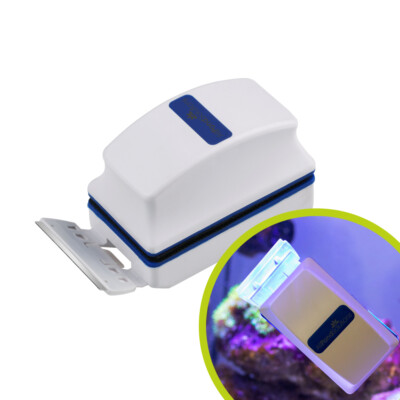
Removing algae from glass often needs simple, manual tools. These tools help clean algae without damaging the glass surface. Using the right tool makes the job easier and faster.
Manual removal tools come in different types. Each tool fits a certain cleaning need. Here are some common tools used for algae removal.
Scrubbers And Sponges
Scrubbers and sponges work well to remove algae from glass. They can scrub off dirt and algae layers with gentle pressure. Choose sponges with soft surfaces to avoid scratches.
- Use non-abrasive scrubbers for delicate glass
- Wet the sponge before scrubbing to reduce friction
- Rinse the sponge often to clear algae residue
- Replace sponges that are worn out or dirty
Scrapers And Blades
Scrapers and blades remove tough algae and hard deposits. They work best on flat glass surfaces. Use with care to avoid scratching the glass or cutting yourself.
| Tool | Best Use | Care Tips |
| Plastic scraper | Soft algae layers | Use gentle pressure |
| Razor blade | Hard algae spots | Hold at low angle |
| Metal scraper | Stubborn algae | Check glass type first |
Microfiber Cloths
Microfiber cloths clean algae with a soft touch. They absorb moisture and lift algae without scratching glass. Use them to wipe glass after scrubbing or scraping.
- Choose clean, dry microfiber cloths
- Wipe in circular motions for best results
- Wash cloths regularly to keep them effective
- Use microfiber cloths for final polish
Chemical Solutions
Algae on glass surfaces can be tough to remove. Using chemical solutions helps clean the glass well. These chemicals work by breaking down algae and preventing it from growing again.
There are different chemical options you can use. Some are natural, and others are made for cleaning tough algae stains. Each has its own benefits and uses.
Algaecides
Algaecides are chemicals made to kill algae quickly. They stop algae from growing back on glass surfaces. These solutions are often used in pools and aquariums but work well on glass too.
Use algaecides by applying them to the glass and letting them sit for a few minutes. Then, rinse the glass with water to remove dead algae and residue.
Vinegar And Baking Soda
Vinegar and baking soda are natural cleaners that can remove algae from glass. Vinegar’s acidity helps break down algae. Baking soda acts as a mild scrubber to remove stains.
Mix vinegar with water and spray it on the glass. After a few minutes, sprinkle baking soda and scrub gently. Rinse the glass with clean water for best results.
Commercial Cleaners
Commercial cleaners are made specifically for tough algae stains on glass. They often contain special chemicals to clean faster and better. These cleaners are easy to find in stores.
Follow the instructions on the cleaner label. Usually, apply the cleaner, wait a short time, then wipe or rinse off. These products can save time and effort.
Natural Remedies
Algae can build up on glass surfaces, making them look dirty. Natural remedies offer safe ways to clean algae without harsh chemicals.
These methods use common household items and essential oils to remove algae effectively and gently.
Lemon Juice
Lemon juice has natural acidity that helps break down algae stains on glass. It also leaves a fresh scent after cleaning.
- Mix lemon juice with water in equal parts.
- Apply the solution to the algae-covered glass.
- Let it sit for 10 minutes to loosen the algae.
- Scrub gently with a soft cloth or sponge.
- Rinse with clean water and dry the surface.
Hydrogen Peroxide
Hydrogen peroxide works as a natural disinfectant. It kills algae and helps prevent new growth on glass.
| How to Use | Notes |
| Apply 3% hydrogen peroxide directly to algae spots | Use gloves to protect your hands |
| Let it sit for 15 minutes | Avoid direct sunlight during application |
| Wipe off with a damp cloth | Repeat if needed for tough algae |
Essential Oils
Some essential oils can remove algae and add a pleasant smell. Tea tree and eucalyptus oils are good choices.
Try this mix for cleaning algae from glass:
- 1 cup water
- 10 drops tea tree oil
- 10 drops eucalyptus oil
Mix the ingredients in a spray bottle. Spray the glass surface and wipe with a cloth. Repeat if needed.
Preventive Measures
Algae on glass surfaces can be a common problem in wet or humid areas. Taking preventive steps helps keep the glass clean and clear. This guide covers simple ways to stop algae from growing on glass.
Following these tips regularly reduces the need for heavy cleaning and protects your glass from damage caused by algae buildup.
Regular Cleaning Schedule
Cleaning glass regularly prevents algae from settling and growing. It is best to clean glass surfaces every one to two weeks.
- Use a soft brush or sponge with mild soap.
- Rinse thoroughly with clean water.
- Dry the glass with a lint-free cloth.
- Inspect for algae spots and clean them immediately.
Uv Light Exposure
UV light from the sun helps prevent algae growth on glass. Ensure your glass is exposed to sunlight as much as possible.
| Condition | Effect on Algae |
| Full Sunlight | Strongly reduces algae growth |
| Partial Shade | Slows algae growth |
| No Sunlight | Encourages algae growth |
Proper Ventilation
Good air flow lowers humidity and moisture on glass surfaces. This makes it harder for algae to grow.
- Open windows or vents near glass areas.
- Use fans to improve air circulation.
- Avoid placing plants or objects that block airflow.

Credit: www.amazon.com
Safety Tips
Removing algae from glass needs care and attention. Safety should always come first during this task.
Follow these tips to ensure you stay safe while cleaning algae from glass surfaces.
Protective Gear
Wearing the right gear protects your skin and eyes. It also helps prevent inhalation of harmful particles.
- Wear gloves to protect your hands.
- Use goggles to shield your eyes.
- Consider a mask to avoid breathing in dust.
Handling Chemicals
Chemicals can be dangerous if not used correctly. Always read the labels before use.
| Chemical | Precaution |
| Bleach | Use in a well-ventilated area. |
| Ammonia | Never mix with bleach. |
| Algaecide | Follow the manufacturer’s instructions. |
Disposal Guidelines
Proper disposal of cleaning materials is crucial. This prevents harm to the environment.
Check local regulations for chemical disposal. Never pour chemicals down the drain.
Choosing The Right Tool
Removing algae from glass requires the right tool. The wrong choice can damage your surfaces or be ineffective.
Consider factors like the type of glass, algae severity, and your budget. Each factor influences the best tool for your needs.
Surface Type Considerations
Different glass surfaces need different tools. Some are more delicate and can scratch easily.
Harder glass can withstand more aggressive tools. Soft glass needs gentle cleaning methods.
- Tempered glass: Use soft sponges or microfiber cloths
- Aquarium glass: Use algae scrapers with non-metal blades
- Window glass: Use squeegees or soft brushes
Severity Of Algae Growth
The amount of algae affects your tool choice. Light algae needs simple tools, while heavy algae might need specialized ones.
Some tools are designed for stubborn algae. Choose one based on the severity of the problem.
- Light algae: Use soft cloths or non-abrasive pads
- Moderate algae: Use algae scrapers or brushes
- Heavy algae: Use chemical cleaners or professional-grade tools
Budget And Availability
Your budget and tool availability will influence your choice. Some tools are expensive or hard to find.
Consider affordable options that are easily available. Local stores often have a range of tools to choose from.
- Low budget: Use household items like sponges or vinegar
- Moderate budget: Buy basic algae scrapers or brushes
- High budget: Invest in specialized tools or professional services
Frequently Asked Questions
What Are The Best Tools For Removing Algae From Glass?
Effective tools include algae scrapers, soft brushes, and microfiber cloths. These remove algae without scratching glass surfaces. Use gentle cleaning agents for best results.
How Do Algae Scrapers Work On Glass Surfaces?
Algae scrapers have soft, flexible blades that gently lift algae off glass. They prevent damage and clean large areas quickly and efficiently.
Can Household Items Remove Algae From Glass Effectively?
Yes, items like vinegar, baking soda, and soft sponges help remove algae. They provide eco-friendly, inexpensive cleaning solutions without harsh chemicals.
How Often Should I Clean Algae Off Glass Surfaces?
Clean algae regularly, at least once a month, to prevent buildup. Frequent cleaning keeps glass clear and maintains its appearance.
Conclusion
Choosing the right tools makes algae removal easier and faster. Brushes, scrapers, and cleaners help keep glass clear and bright. Regular cleaning stops algae from building up again. Safe and simple methods protect your glass and the environment. Clean glass looks better and lasts longer.
Try different tools to see what works best for you. Keep your space fresh and algae-free with easy care.