
Keeping your ornamental fish tank vibrant and healthy isn’t as simple as just feeding your fish. You need the right tools to maintain clean water, control the environment, and keep your aquatic friends happy.
Without these, your beautiful tank can quickly turn into a stressful place for your fish—and a frustrating one for you. You’ll discover the essential tools that make tank care easier and more effective. Ready to unlock the secrets to a thriving fish tank?
Let’s dive in.
Credit: www.amazon.com
Choosing The Right Tank
Picking the right tank is key for keeping ornamental fish healthy. The tank should fit your space and the type of fish you want.
A good tank makes cleaning and maintenance easier. It also helps fish feel safe and comfortable.
Tank Sizes And Shapes
Tanks come in many sizes and shapes. The size affects how many fish you can keep and how much cleaning is needed.
Choose a shape that fits your space and allows easy access for cleaning. Larger tanks are more stable for fish health.
- Small tanks are easy to move but need more cleaning
- Rectangular tanks give more swimming space
- Taller tanks save floor space but have less surface area
- Bow-front tanks add style but can be harder to clean
Material Options
Fish tanks are mainly made from glass or acrylic. Each material has pros and cons for maintenance and durability.
Glass is heavy and scratch-resistant. Acrylic is lighter and clearer but scratches easier.
- Glass tanks resist scratches and are cheaper
- Acrylic tanks are lighter and more impact resistant
- Acrylic can be shaped into custom designs
- Both need proper cleaning tools to avoid damage
Placement Tips
Where you place your tank affects fish health and tank maintenance. Pick a stable, quiet spot away from direct sunlight.
Avoid areas with temperature changes or heavy traffic. Make sure the surface can hold the tank’s weight safely.
- Keep tank away from windows to prevent algae growth
- Place on a level, sturdy stand or table
- Choose a spot with easy access for cleaning and feeding
- Keep away from heat sources to maintain water temperature
Filtration Systems
Filtration systems keep ornamental fish tanks clean and healthy. They remove dirt, waste, and harmful chemicals from the water.
Good filtration helps fish live longer and stay happy. It also keeps the tank clear and fresh.
Types Of Filters
There are different types of filters for fish tanks. Each type works in a special way to clean the water.
- Mechanical Filters:Trap solid waste like fish food and dirt.
- Biological Filters:Use good bacteria to break down harmful chemicals.
- Chemical Filters:Remove toxins and odors using activated carbon or other media.
- Canister Filters:External filters that combine all three types for bigger tanks.
- Hang-On-Back Filters:Easy to install and good for small to medium tanks.
Filter Maintenance
Filters need regular cleaning to work well. Dirty filters can harm fish and water quality.
Clean or replace filter media as the instructions say. Avoid using tap water to keep good bacteria alive.
- Check filters every two weeks.
- Rinse mechanical parts in tank water only.
- Replace chemical media monthly or as needed.
- Keep biological media moist to preserve bacteria.
- Watch water flow; slow flow means cleaning is needed.
Choosing The Best Filter
Pick a filter that fits your tank size and fish type. Bigger tanks need stronger filters.
Think about noise, ease of cleaning, and price. Some filters are quieter and easier to maintain.
| Factor | What to Consider |
|---|---|
| Tank Size | Choose filter rated for your tank volume |
| Fish Load | More fish need higher filtration power |
| Maintenance | Pick filters that are easy to clean |
| Noise Level | Quiet filters are better for homes |
| Cost | Balance price with quality and features |
Water Quality Testing
Keeping water clean is vital for healthy ornamental fish tanks. Testing water quality helps spot problems early. It ensures fish live in a safe environment.
Water testing kits measure key factors like pH, ammonia, and nitrate. Knowing these levels keeps fish stress low and tanks balanced.
Essential Test Kits
Basic test kits check the main water parameters. These include pH, ammonia, nitrite, and nitrate. Some kits also test water hardness and chlorine.
- pH test kit: Measures acidity and alkalinity
- Ammonia test kit: Detects toxic waste from fish
- Nitrite test kit: Shows early signs of harmful bacteria
- Nitrate test kit: Monitors waste buildup over time
- Hardness test kit: Checks minerals in water
- Chlorine test kit: Ensures tap water is safe
Frequency Of Testing
Regular testing keeps the tank stable and fish healthy. Testing often helps catch issues before they harm fish.
- Test new tanks daily for the first two weeks
- Check water weekly once the tank is stable
- Test again after adding new fish or plants
- Test anytime fish show signs of stress or illness
Interpreting Results
| Parameter | Safe Range | Signs of Trouble | Action |
| pH | 6.5 – 7.5 | Below 6.0 or above 8.0 | Adjust water with buffers |
| Ammonia | 0 ppm | More than 0 ppm | Change water, reduce feeding |
| Nitrite | 0 ppm | Above 0 ppm | Perform partial water change |
| Nitrate | Less than 40 ppm | Above 40 ppm | Increase water changes |

Credit: www.amazon.ca
Heating And Lighting
Maintaining the right heating and lighting is key for ornamental fish tanks. These tools create a healthy environment for fish and plants.
Good heating keeps water temperature stable. Proper lighting helps plants grow and shows fish colors clearly.
Selecting Heaters
Choose a heater that fits your tank size. The heater should keep water at the right temperature for your fish.
Look for heaters with adjustable thermostats. They help avoid overheating or cooling the tank.
- Match heater wattage to tank volume (about 3-5 watts per gallon)
- Use submersible heaters for even heat distribution
- Pick heaters with safety features like automatic shutoff
- Place heaters near water flow for better heat spread
Lighting Options
Choose lighting based on the needs of your fish and plants. LED lights are popular for their efficiency and color options.
Fluorescent lights also work well for planted tanks. They provide the right light spectrum for plant growth.
- LED lights last longer and use less energy
- Fluorescent lights offer good light for plants
- Use timers to control light duration, usually 8-12 hours daily
- Consider full spectrum lights to support both fish and plants
Effects On Fish And Plants
Proper heating keeps fish active and healthy. Sudden temperature changes can stress fish and cause illness.
Lighting affects plant photosynthesis and fish behavior. Too much light can cause algae growth.
- Stable temperature helps fish maintain good health
- Correct light duration supports plant growth
- Balanced lighting shows off fish colors well
- Avoid direct sunlight to reduce algae problems
Cleaning Tools
Keeping ornamental fish tanks clean is important for fish health and tank beauty. Using the right tools makes maintenance easier and more effective.
There are several tools designed to handle different cleaning tasks. This guide covers algae scrapers, gravel vacuums, and water change equipment.
Algae Scrapers
Algae scrapers remove algae buildup on tank walls. They come in different types like magnetic, plastic blade, and sponge scrapers. Magnetic scrapers allow cleaning without putting hands in the water.
Using algae scrapers regularly helps keep the glass clear and fish healthy. It also improves the tank’s appearance.
Gravel Vacuums
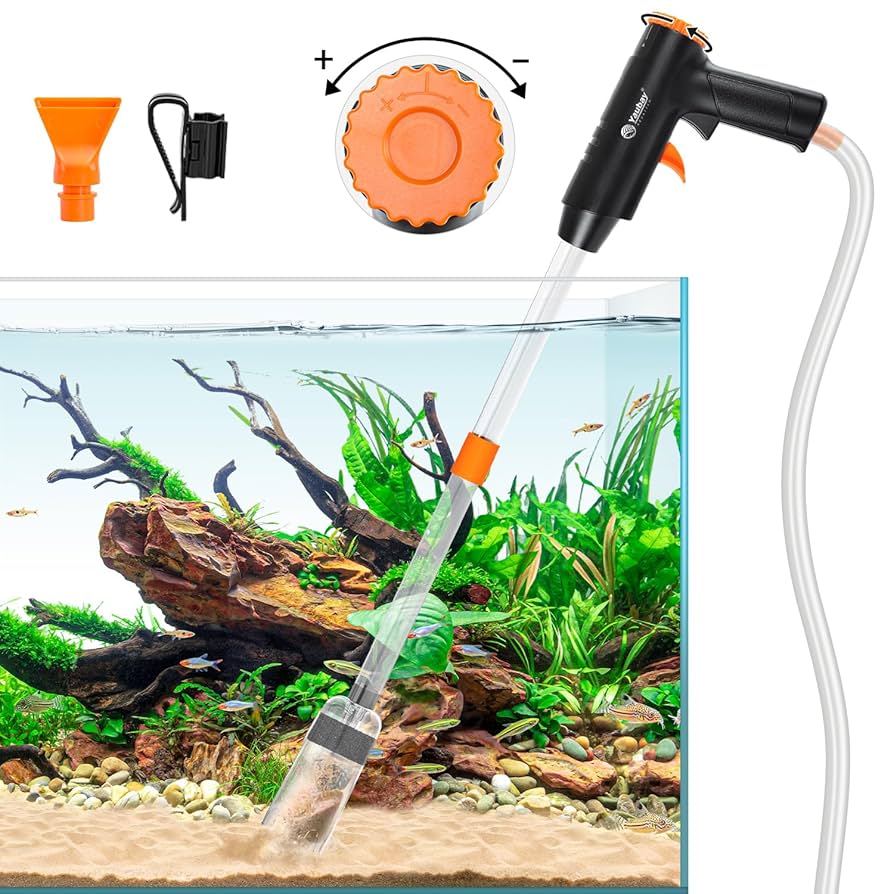
Gravel vacuums clean debris and waste from tank gravel. They work by siphoning dirty water while lifting dirt from the gravel surface. This tool keeps the tank clean without removing the gravel.
- Choose a vacuum with a long hose for easy reach.
- Use gentle suction to avoid disturbing fish.
- Vacuum gravel during water changes for best results.
Water Change Equipment
Water change equipment helps remove and replace tank water. This keeps water quality good for fish health. Common tools include buckets, siphons, and water conditioners.
| Tool | Purpose | Tip |
| Bucket | Hold old and new water | Use a clean, dedicated bucket |
| Siphon | Remove water from tank | Start siphon gently to avoid spills |
| Water Conditioner | Remove chlorine and toxins | Add before adding new water |

Credit: www.amazon.com
Feeding Equipment
Maintaining ornamental fish tanks requires the right tools. Feeding equipment helps keep fish healthy and happy. Choosing the right tools ensures fish get the nutrition they need.
Let’s explore some essential feeding equipment. Learn about automatic feeders, measuring tools, and feeding schedules.
Automatic Feeders
Automatic feeders dispense food at set times. They are helpful for busy fish owners. These devices ensure fish get fed, even when you’re away.
- Programmable for different feeding times
- Prevents overfeeding
- Works with various types of fish food
Measuring Tools
Measuring tools help provide the right amount of food. Overfeeding can harm fish and tank water quality. Use these tools to measure food precisely.
| Tool | Purpose |
| Measuring Spoon | For dry food |
| Food Scale | For large quantities |
| Liquid Dispenser | For liquid supplements |
Feeding Schedules
Feeding schedules keep fish on a routine. They reduce stress and ensure fish get the right amount of food. Set a schedule to match your fish’s natural habits.
Consider the following tips for setting feeding schedules:
- Feed small amounts twice a day
- Adjust based on fish size and type
- Observe fish behavior and adjust as needed
Decor And Accessories
Decorations and accessories bring life to ornamental fish tanks. They provide both beauty and utility. Ensuring these additions are safe for fish is vital.
Ornamental tanks need elements that enhance their look. Choosing the right decor keeps fish happy and healthy.
Safe Decorations
Decorations must not harm fish or alter water chemistry. Safe materials include ceramic, glass, and certain plastics.
- Avoid sharp edges
- Rinse decor before use
- Check for non-toxic labels
Live Plants
Live plants offer oxygen and a natural habitat for fish. They require care but offer many benefits.
| Plant | Light Requirement | Growth Rate |
| Anubias | Low | Slow |
| Java Fern | Low | Medium |
| Amazon Sword | Medium | Fast |
Enhancing Tank Aesthetics
Adding color and texture to tanks improves their beauty. Use backgrounds, stones, and driftwood for varied effects.
Consider creating zones within the tank for a layered look. This offers hiding spots for shy fish and adds depth.
Backup And Monitoring Gear
Keeping ornamental fish tanks safe needs careful attention. Backup and monitoring gear help protect fish from sudden problems.
These tools watch power, water levels, and temperature. They alert you to issues before harm occurs.
Power Backup Solutions
Power backup keeps filters and lights running during outages. It prevents tank conditions from changing quickly.
- Uninterruptible Power Supplies (UPS) provide short-term power.
- Battery packs can run small pumps for hours.
- Generators offer longer backup for large setups.
- Solar panels can add extra power support.
Water Level Monitors
Water level monitors track if water drops too low or rises too high. This helps avoid fish stress and equipment damage.
| Type | Function | Alert Type |
| Float Switch | Detects water level changes | Audible alarm |
| Optical Sensor | Measures water level precisely | Visual and sound alert |
| Pressure Sensor | Monitors water pressure to infer level | Remote notification |
Temperature Alarms
Temperature alarms warn if the tank water gets too hot or too cold. This protects fish health and comfort.
Common temperature alarm features include:
- Adjustable temperature thresholds
- Battery backup for power failures
- Easy installation on tank glass
- Remote alerts via phone or email
Frequently Asked Questions
What Essential Tools Are Needed For Ornamental Fish Tanks?
Essential tools include water testers, filters, heaters, gravel vacuums, and algae scrapers. These ensure clean water, proper temperature, and healthy fish environments. Each tool plays a vital role in maintaining tank balance and fish well-being.
How Often Should Water Be Tested In Fish Tanks?
Water should be tested weekly to monitor pH, ammonia, nitrate, and nitrite levels. Regular testing prevents harmful conditions and keeps fish healthy. Consistent checks help detect issues early and maintain a stable aquatic environment.
Which Filter Types Work Best For Ornamental Fish Tanks?
Canister, hang-on-back, and sponge filters are popular for ornamental tanks. They provide mechanical, biological, and chemical filtration. Choosing the right filter depends on tank size, fish species, and maintenance preferences.
Why Is A Gravel Vacuum Important For Tank Maintenance?
Gravel vacuums remove debris and waste from substrate, preventing toxins buildup. This tool helps maintain water quality and reduces algae growth. Regular use promotes a clean, healthy habitat for ornamental fish.
Conclusion
Maintaining an ornamental fish tank takes the right tools. Clean water keeps fish healthy and happy. A good filter removes dirt and waste. A thermometer helps watch the water temperature. Regular water testing shows if conditions are safe. Gravel vacuums clean the tank bottom easily.
Nets catch fish gently when needed. Using these tools makes tank care simple. Your fish will thrive in a clean, safe home. Keep tools handy and use them often. Enjoy a beautiful, lively aquarium every day.