
Cleaning tank walls can be a tough and messy job, but having the right tools can make all the difference. Whether you manage a water tank, storage container, or industrial reservoir, keeping those walls clean is key to maintaining safety and efficiency.
You might wonder which tools will help you get the job done faster and better, without causing damage or taking up too much time. You’ll discover the best tools designed specifically for cleaning tank walls, so you can protect your investment and keep your tanks in top shape.
Ready to find out what will make your cleaning tasks easier and more effective? Keep reading!

Credit: www.hilti.ca
Types Of Tank Walls
Tanks come in many shapes and sizes. Their walls can be made from different materials. Knowing these helps choose the right cleaning tools.
Tank walls have various surfaces. Each surface needs specific care for cleaning. Some walls are smooth, while others are rough or coated.
Materials And Surfaces
Tank walls are often made from metals, plastics, or concrete. Each material has a unique surface type. These surfaces may be painted, coated, or bare.
- Steel walls:Usually smooth and coated to prevent rust.
- Concrete walls:Rough and porous, can hold residues.
- Plastic walls:Smooth and non-porous, easier to clean.
- Fiberglass walls:Smooth but can scratch easily.
Common Contaminants
Tank walls collect different types of dirt and residues. These depend on the tank’s use. Some contaminants stick more than others.
| Contaminant Type | Description | Effect on Cleaning |
| Oil and Grease | Sticky, oily residues from fuels or lubricants | Needs solvents or strong detergents |
| Rust and Scale | Hard deposits on metal walls | Requires scrapers or wire brushes |
| Algae and Biofilm | Slippery, slimy layers from water tanks | Use biocides and soft brushes |
| Paint and Coatings | Old paint flakes or coatings | Careful scraping to avoid damage |
Manual Cleaning Tools
Cleaning tank walls by hand requires special tools. These tools help remove dirt and buildup effectively.
Manual tools are useful when machines cannot reach small or delicate areas inside tanks.
Scrub Brushes And Pads
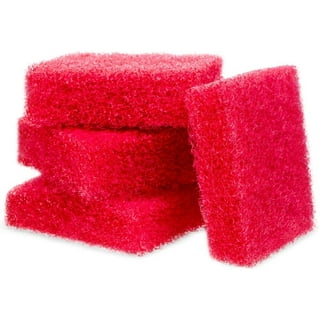
Scrub brushes and pads are common tools for cleaning tank walls. They help remove grime and stains.
Brushes come with stiff or soft bristles. Pads can be rough or smooth, depending on the surface.
- Stiff brushes work well on tough dirt
- Soft brushes protect delicate surfaces
- Rough pads remove stubborn stains
- Smooth pads clean without scratching
Scrapers And Sponges
Scrapers help remove thick layers of dirt or paint from tank walls. They are strong and durable.
Sponges absorb water and clean surfaces gently. They are good for wiping and rinsing after scraping.
- Metal scrapers remove hard deposits
- Plastic scrapers avoid surface damage
- Sponges hold water and cleaning solutions
- Soft sponges clean without scratching
Mechanical Cleaning Equipment
Cleaning tank walls is important to keep tanks safe and working well. Mechanical cleaning equipment helps remove dirt and buildup from these walls.
These tools use physical force to clean surfaces. They are often faster and more effective than manual cleaning.
Rotary Brushes
Rotary brushes spin quickly to scrub tank walls. They can clean off tough dirt and layers of residue.
These brushes come in different sizes and materials. Choose one based on the tank wall material and type of dirt.
- Use nylon brushes for gentle cleaning
- Metal brushes remove rust and heavy buildup
- Rotary action covers large areas fast
- Attach brushes to machines for easy use
High-pressure Washers
High-pressure washers spray water at strong force. This removes dirt and grime from tank walls quickly.
They work well for tanks with sticky or oily buildup. Adjust pressure to avoid damaging walls.
- Use cold or hot water depending on dirt type
- High pressure loosens and washes away grime
- Safe for many tank wall materials
- Can be combined with cleaning chemicals
Chemical Cleaning Agents
Chemical cleaning agents help remove dirt and grime from tank walls. They work by breaking down tough residues. Using the right agent makes cleaning faster and easier.
Choosing safe and effective chemicals protects the tank material. It also reduces harm to the environment and workers.
Detergents And Solvents
Detergents and solvents dissolve grease and sticky substances inside tanks. They are common in cleaning oil, chemicals, and food tanks. Detergents remove dirt by lifting it off surfaces. Solvents dissolve residues into liquid form.
- Detergents work well on water-based dirt.
- Solvents handle oily and greasy residues.
- Choose agents compatible with tank material.
- Wear protective gear when using strong chemicals.
Eco-friendly Options
Eco-friendly cleaning agents reduce pollution and health risks. They are biodegradable and less toxic. These options protect water sources and soil from contamination.
| Type | Advantages | Use Case |
| Bio-Based Detergents | Biodegradable, non-toxic | General tank cleaning |
| Plant Solvents | Low VOC, safe for workers | Oil and grease removal |
| Enzyme Cleaners | Break down organic matter | Food and beverage tanks |
Safety Gear For Cleaning
Cleaning tank walls can be risky without the right safety gear. Using proper equipment protects workers from injuries and harmful substances.
Safety gear helps prevent accidents and ensures the cleaning process is safe and effective.
Protective Clothing
Protective clothing shields the body from chemicals, dirt, and sharp objects. It includes coveralls, gloves, and boots designed for tough environments.
Wear clothes made of durable, waterproof materials. This keeps liquids and debris away from your skin during cleaning.
- Coveralls protect the whole body
- Gloves guard hands against chemicals and cuts
- Waterproof boots keep feet dry and safe
- Hard hats protect the head from bumps
Respiratory Protection
Respiratory protection prevents breathing in dust, fumes, and harmful chemicals. Masks and respirators are the main tools to use.
Choose a mask that fits well and filters out dangerous particles. It helps keep your lungs safe during tank cleaning.
- Use N95 masks for dust and small particles
- Half-face respirators protect against gases and vapors
- Full-face respirators offer eye and respiratory protection
- Check filters regularly and replace when needed
Credit: www.walmart.com
Maintenance And Storage Of Tools
Keeping your tank cleaning tools in good condition is important. Proper care helps them last longer and work better.
Follow the steps below to clean and store your tools correctly. This will ensure they are ready for future use.
Cleaning After Use
After using your cleaning tools, it’s important to clean them. This removes dirt and prevents rust and damage.
- Rinse tools with water to remove loose debris.
- Use a mild detergent to scrub surfaces gently.
- Rinse again thoroughly to remove soap.
- Dry tools completely with a clean cloth.
Proper Storage Techniques
Storing tools properly prevents damage and keeps them clean. It also makes them easy to find when needed.
Use these tips for storing your tools:
- Hang tools on hooks to avoid clutter.
- Store in a dry, cool place to prevent rust.
- Keep tools organized in a toolbox or cabinet.
Choosing The Right Tools
Cleaning tank walls requires the right tools for the job. Choosing wisely saves time and effort. Selecting the correct equipment depends on the tank’s type and your budget.
Matching Tools To Tank Types
Different tanks need different cleaning tools. The material and shape of the tank can affect your choice.
- Plastic tanks may need soft brushes to avoid scratches.
- Metal tanks might require stronger brushes or scrapers.
- Fiberglass tanks benefit from non-abrasive cloths.
Cost And Efficiency Considerations
Choosing tools also depends on cost and how efficiently they work. Some tools may be more expensive upfront but save money in the long run by lasting longer or working faster.
| Tool Type | Cost | Efficiency |
| Basic Brush | Low | Moderate |
| Electric Scrubber | High | High |
| Manual Scraper | Medium | Low |

Credit: www.hygger-online.com
Frequently Asked Questions
What Are The Best Tools For Cleaning Tank Walls?
The best tools include long-handled scrubbers, pressure washers, and specialized tank cleaning brushes. These tools remove dirt efficiently and reach difficult spots inside tanks, ensuring thorough cleaning and maintenance.
How Do Pressure Washers Help Clean Tank Walls?
Pressure washers use high-pressure water jets to remove grime and buildup on tank walls. They are effective for large tanks and reduce manual labor, making the cleaning process faster and more efficient.
Can Robotic Cleaners Be Used For Tank Walls?
Yes, robotic cleaners are designed for tank walls, especially in large or hazardous environments. They provide automated cleaning, reduce human risk, and deliver consistent results with minimal downtime.
What Safety Measures Are Needed When Cleaning Tank Walls?
Safety measures include wearing protective gear, ensuring proper ventilation, and using non-toxic cleaning agents. Following these precautions prevents accidents and protects workers during tank wall cleaning.
Conclusion
Cleaning tank walls is easier with the right tools. Choose brushes, scrapers, or pressure washers to fit your needs. Using proper equipment saves time and effort. Regular cleaning keeps tanks safe and working well. Small steps lead to big results.
Keep tools in good shape for longer use. Clean tanks help protect your products and environment. Simple tools, smart choices.