
Are you tired of seeing dirt and debris build up on your gravel but worried about harming your plants when cleaning? You’re not alone.
Keeping gravel clean can be tricky, especially when you want to protect the greenery around it. What if you could refresh your gravel without risking damage to your beloved plants? You’ll discover the best tools that make cleaning gravel easy, safe, and effective.
Keep reading to find simple solutions that will save your time and keep your garden looking its best.

Credit: www.amazon.com
Choosing Safe Cleaning Tools
Cleaning gravel around plants needs care. Using the right tools helps keep plants safe.
Some tools can damage plants if you are not careful. Choose tools that clean well without harm.
Manual Vs. Powered Tools
Manual tools give you more control near plants. You can clean gravel gently without shaking the soil.
Powered tools work faster but can harm plants if used carelessly. They may disturb roots or break stems.
- Manual tools: hand rakes, brushes, small shovels
- Powered tools: leaf blowers, power washers, garden vacuums
- Use manual tools near delicate plants
- Reserve powered tools for open areas with tough gravel
Materials That Protect Plants
Choose tool materials that do not hurt plants or soil. Soft materials reduce damage to leaves and stems.
Look for tools with plastic or rubber parts. These parts avoid cutting or bruising plants during cleaning.
- Rubber-tipped rakes prevent scratching plant surfaces
- Plastic bristles on brushes are gentle on plants
- Wooden handles reduce risk of root damage
- Avoid metal edges near plant roots and stems
Ergonomic Considerations
Choose tools that feel comfortable in your hands. This helps you clean carefully and avoid accidents.
Tools with good grips and balanced weight reduce strain. Ergonomic design helps you work longer without fatigue.
- Soft grips prevent slipping and hand pain
- Lightweight tools allow precise movements
- Long handles help reach difficult spots without bending
- Adjustable tools fit different user heights
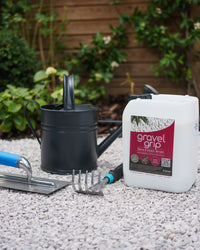
Credit: decorativeaggregates.com
Effective Cleaning Techniques
Cleaning gravel in garden areas can be tough without hurting plants. You need safe ways to keep gravel clean and plants healthy.
Using gentle tools and careful methods helps keep your garden neat. Here are some effective ways to clean gravel without damage.
Gentle Brushing Methods
Use soft brushes to remove dirt and debris from gravel. Brushing by hand lets you control pressure and avoid hurting plants.
Brush in small areas, moving slowly. This helps keep gravel clean and plants safe around edges.
- Choose a brush with soft bristles
- Brush lightly to avoid disturbing soil
- Focus on areas away from plant roots
- Clean in sections to avoid spreading debris
Low-pressure Washing
Low-pressure water can wash gravel without harming plants. Use a gentle spray to clean dirt and moss.
Keep the spray away from plant bases. This method is good for large gravel areas where brushing is slow.
- Use a garden hose with a spray nozzle
- Set nozzle to a low-pressure or mist setting
- Aim water at gravel, not plants
- Work in small sections for best results
Spot Cleaning Strategies
Spot cleaning targets dirty or stained gravel without disturbing the whole area. This keeps plants safe and saves time.
Use tools like small brushes or cloths to clean spots. You can also remove weeds or leaves carefully by hand.
- Identify dirty or stained gravel spots
- Use a soft brush or cloth to clean spots
- Remove weeds gently by hand
- Check plants nearby for any damage
Natural Cleaning Agents
Cleaning gravel around plants needs care. Choose natural agents to protect your garden.
Natural cleaning agents keep plants safe and maintain soil health.
Plant-friendly Solutions
Use gentle cleaners that do not harm plants or soil. Avoid strong chemicals and harsh detergents.
- Water mixed with vinegar cleans gravel well.
- Baking soda helps remove stains safely.
- Lemon juice acts as a natural bleach.
- Castile soap breaks dirt without toxicity.
Diy Organic Cleaners
Making your own cleaner saves money and controls ingredients. Try simple recipes using household items.
| Ingredient | Use | Benefit |
| White Vinegar | Mix with water 1:1 | Kills mold and algae |
| Baking Soda | Sprinkle on gravel | Neutralizes odors and cleans |
| Liquid Castile Soap | 2 tablespoons per gallon | Breaks grease and dirt |
| Lemon Juice | Apply directly or dilute | Removes stains naturally |
Avoiding Harmful Chemicals
Many cleaning products harm plants and soil life. Avoid these to keep your garden healthy.
- Do not use bleach or ammonia near plants.
- Avoid detergents with phosphates or synthetic fragrances.
- Skip pesticides or herbicides in cleaning mixes.
- Rinse gravel well after cleaning to remove residues.
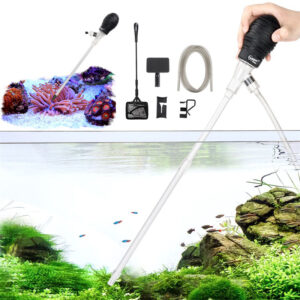
Credit: www.hygger-online.com
Maintenance Tips For Gravel Areas
Gravel areas add beauty and function to gardens and yards. Keeping them clean helps plants stay healthy.
Using the right tools keeps gravel tidy without hurting nearby plants. Follow simple steps for good care.
Regular Debris Removal
Remove leaves, twigs, and trash from gravel often. This stops decay and mold that can harm plants.
Use a leaf blower on low power or a soft rake. Avoid heavy tools that move gravel or damage roots.
- Clear debris weekly in fall and spring
- Use gentle tools like a soft broom
- Work carefully near plant bases
Weed Control Without Damage
Weeds grow in gravel and compete with plants for nutrients. Remove them early to protect plants.
Pull weeds by hand or use a weed torch with caution. Avoid chemical weed killers that can harm plants.
- Pull weeds when small and easy to remove
- Use a weed torch only on gravel areas
- Avoid herbicides near delicate plants
Soil And Plant Care
Check soil moisture under gravel to keep plants healthy. Gravel can dry soil faster in hot weather.
Water plants deeply and mulch around roots when possible. This keeps soil cool and holds moisture.
- Test soil moisture regularly
- Water plants early in the day
- Add mulch near plant roots if space allows
Safety Measures To Protect Plants
Cleaning gravel around plants helps keep your garden neat. It also stops weeds and dirt build-up. But cleaning can hurt plants if done carelessly.
Use safe methods to protect plants while cleaning. This guide shows how to shield plants, pick the best time, and check plant health after cleaning.
Shielding Plants During Cleaning
Cover plants near gravel to stop dirt and tools from damaging them. Use soft materials that do not block air or sunlight.
- Use cloth or burlap sheets to cover leaves and stems.
- Place boards or cardboard around plant bases for root protection.
- Keep watering cans nearby to clean off any dirt on plants right away.
- Avoid heavy tools close to plants to prevent breaking branches.
Timing Cleaning Activities
Choose the best time to clean gravel to reduce plant stress. Avoid hot, dry, or very cold days.
| Time | Reason |
| Early morning | Cool temperatures protect plants from heat stress |
| After rain | Soil is moist, making gravel easier to clean |
| Spring or fall | Plants are in growth stages and recover faster |
| Avoid midday | Heat can dry out plants and increase damage risk |
Monitoring Plant Health Post-cleaning
Check plants closely after cleaning. Early signs of damage can help you act quickly.
- Look for torn leaves or broken stems.
- Check soil moisture and water if dry.
- Watch for yellowing or wilting leaves.
- Remove any debris stuck on plants.
- Use gentle fertilizer to help recovery if needed.
Frequently Asked Questions
What Tools Safely Clean Gravel Near Plants?
Soft-bristled brushes, garden vacuums, and hand rakes clean gravel without harming plants. These tools gently remove debris while preserving plant roots and foliage. Avoid harsh chemicals and high-pressure washers to protect delicate vegetation.
How To Remove Dirt From Gravel Without Plant Damage?
Use a gentle garden vacuum or hand rake to remove dirt from gravel. Avoid strong water jets that can uproot plants. Light brushing and careful handpicking are effective and safe for surrounding greenery.
Can A Leaf Blower Clean Gravel Without Harming Plants?
Yes, a leaf blower on low setting can remove debris from gravel. Keep the airflow gentle to avoid disturbing plants or soil. This method is quick, efficient, and safe when used carefully around vegetation.
Are Chemical Cleaners Safe For Gravel Near Plants?
Most chemical cleaners can harm plants and soil life. Opt for natural cleaning methods like vinegar solutions or manual tools. Always rinse gravel thoroughly and avoid chemicals if plants are nearby.
Conclusion
Cleaning gravel without hurting plants takes the right tools and care. Choose gentle brushes or hand rakes to remove dirt and leaves. A garden vacuum can help with small debris around plants. Avoid strong chemicals that may damage roots and leaves.
Regular cleaning keeps your garden neat and plants healthy. Small efforts lead to big results in garden care. Keep tools clean and use them carefully. Your plants will thank you with vibrant growth and beauty. Simple steps make gravel cleaning safe and easy.