
If you love working with driftwood, you know how important it is to clean it properly before using it in your projects. But finding the right tools can be tricky.
You want something that makes the job easier, faster, and leaves your driftwood looking its best. You’ll discover the essential tools that will transform your cleaning process. Whether you’re a beginner or a seasoned crafter, these tools will help you get perfect results every time.
Keep reading to find out exactly what you need to make your driftwood shine!
Choosing The Right Gloves
Cleaning driftwood can be tricky and sometimes dangerous. Wearing gloves protects your hands from splinters, dirt, and chemicals. Choosing the right gloves makes the job safer and easier.
Many types of gloves exist. Each type offers different protection levels. Knowing which gloves to pick helps you work comfortably and safely.
Types Of Protective Gloves
- Rubber Gloves:Good for wet cleaning and protecting against water and mild chemicals.
- Leather Gloves:Strong and durable. Protect hands from rough surfaces and sharp edges.
- Latex Gloves:Thin and flexible. Offer protection against dirt and minor irritants.
- Work Gloves with Grip:Have textured palms. Help hold slippery or wet driftwood firmly.
- Nitrile Gloves:Resistant to oils and some chemicals. Good for tougher cleaning tasks.
Benefits Of Wearing Gloves
| Benefit | Details |
| Protection from Splinters | Gloves prevent small wood pieces from piercing your skin. |
| Keep Hands Clean | Gloves stop dirt, mud, and algae from sticking to your skin. |
| Chemical Safety | Some gloves resist cleaning agents that can irritate skin. |
| Better Grip | Textured gloves help hold wet or slippery driftwood firmly. |
| Comfort | Gloves reduce hand fatigue and prevent cuts during long work. |

Credit: aprettyfix.com
Brushes And Scrubbers
Cleaning driftwood requires the right tools to remove dirt and debris. Brushes and scrubbers help clean without damaging the wood.
Using different brushes makes it easy to clean all parts of the driftwood, including small crevices and rough surfaces.
Wire Brushes
Wire brushes have stiff metal bristles. They are good for removing tough dirt and algae from driftwood.
These brushes work well on hard surfaces but can scratch soft wood. Use them gently on delicate areas.
Nylon Scrubbers
Nylon scrubbers have softer bristles than wire brushes. They clean well without damaging the wood surface.
These scrubbers remove dirt and slime from driftwood. They are safe for most types of wood.
- Soft enough for delicate driftwood
- Durable and long-lasting
- Easy to rinse and reuse
Toothbrushes For Detail Cleaning
Toothbrushes help clean small cracks and tight spots on driftwood. Their small size reaches hard-to-clean areas.
Use a soft-bristled toothbrush to avoid scratching. This tool is perfect for detailed cleaning jobs.
Cutting And Trimming Tools
Cleaning driftwood often requires precise cutting and trimming. The right tools make the job easier and safer. This guide covers common tools used for cutting and trimming driftwood.
Each tool suits different sizes and types of driftwood. Using the proper tool helps you shape and prepare the wood for your projects.
Pruning Shears
Pruning shears are small hand tools perfect for trimming thin branches and small pieces of driftwood. They give you control for detailed cuts and shaping.
- Easy to handle for light trimming tasks
- Sharp blades cut cleanly through small wood parts
- Good for shaping and removing unwanted twigs
Utility Knives
Utility knives help with finer cuts and scraping off bark or debris from driftwood. They are versatile and useful for delicate work.
| Feature | Description |
| Blade Type | Retractable, sharp blade for precision |
| Use | Cutting, scraping, and shaping small areas |
| Safety | Blade retracts to prevent accidents |
Saws For Larger Pieces
Saws are necessary for cutting thick or large driftwood pieces. They come in different types to handle various sizes and shapes.
- Hand saws offer control for straight cuts
- Bow saws cut through thicker wood faster
- Electric saws save time on heavy tasks
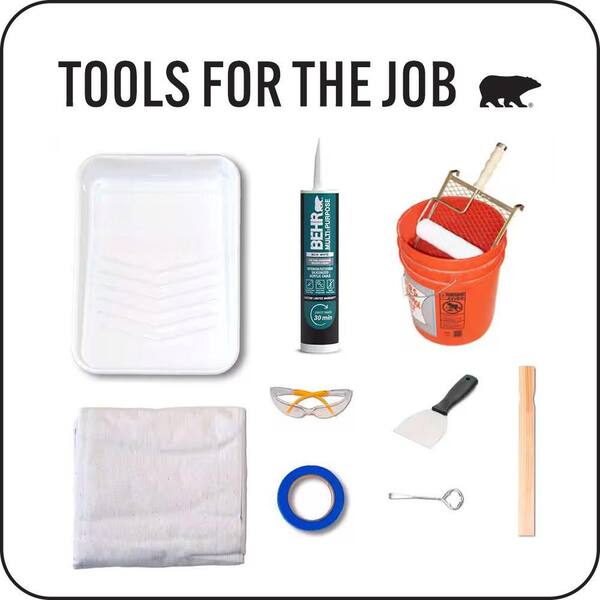
Credit: www.homedepot.com
Cleaning Solutions And Disinfectants
Cleaning driftwood keeps it safe and beautiful for display or craft use. Using the right solutions helps remove dirt and harmful organisms.
Disinfecting driftwood prevents mold and pests from spreading. Choose products that protect the wood without damage.
Natural Cleaning Agents
Natural cleaning agents are gentle and eco-friendly. They remove dirt without harsh chemicals.
- White vinegar diluted with water cleans and deodorizes.
- Baking soda helps scrub off grime and neutralizes odors.
- Lemon juice works as a mild bleach and brightens wood.
- Castile soap gently removes oils and dirt.
Commercial Wood Cleaners
Commercial wood cleaners offer strong cleaning power. They remove tough stains and residues.
| Product Type | Use | Safety Notes |
| Wood soap | General cleaning | Non-toxic, safe for driftwood |
| Wood brightener | Restores color | Use gloves, avoid inhaling fumes |
| Oxalic acid cleaner | Removes dark stains | Handle with care, wear protective gear |
Safe Disinfectants For Driftwood
Disinfectants kill bacteria and fungi without harming the wood. Choose safe options to avoid damage.
- Hydrogen peroxide kills germs and breaks down safely.
- Isopropyl alcohol disinfects and evaporates quickly.
- Tea tree oil has natural antifungal properties.
- Bleach diluted properly can disinfect but may lighten wood.
Drying And Finishing Equipment
Cleaning driftwood is only the first step. Drying and finishing are key to preserve its beauty. Using the right tools helps keep the wood strong and attractive.
This guide covers useful equipment for drying and finishing driftwood. It includes racks, sandpaper, and sealers to prepare your pieces well.
Drying Racks And Trays
Drying racks and trays hold driftwood while it dries. They allow air to flow around the wood. This helps prevent mold and cracks.
Choose racks made of metal or plastic. They should be sturdy and easy to clean. Trays with holes or slats work best for drainage.
- Wire racks keep wood elevated and ventilated
- Plastic trays with drainage holes prevent water buildup
- Stackable racks save space during drying
- Use fans to speed up drying time
Sandpaper And Files
Sandpaper smooths rough driftwood surfaces after drying. It removes splinters and old bark. Files help shape the wood in tight spots.
Start with coarse sandpaper for rough areas. Finish with fine grit for a smooth touch. Use metal or wood files for detailed work.
- Coarse grit (60-80) for heavy sanding
- Medium grit (120-150) to refine surfaces
- Fine grit (220-320) for finishing
- Needle files for small or curved areas
Sealers And Finishes
Sealers protect driftwood from moisture and damage. Finishes add shine and highlight natural colors. Choose sealers that suit your project’s needs.
Apply sealers evenly with a brush or cloth. Let each coat dry before adding another. Common finishes include oils, varnishes, and waxes.
- Linseed oil enhances wood grain and protects
- Polyurethane offers a hard, clear finish
- Beeswax adds a soft sheen and water resistance
- Water-based varnish dries fast and is low odor
Safety Gear For Handling Driftwood
Handling driftwood can be a fun and creative task. But it’s important to stay safe. Wearing the right safety gear protects you from harm.
Let’s look at the essential safety gear you need. This will help you handle driftwood safely and effectively.
Eye Protection
When working with driftwood, your eyes need protection. Pieces can fly into the air during cutting or sanding.
- Wear safety goggles to protect your eyes from debris.
- Ensure the goggles fit snugly and are clear.
- Check for any scratches on the lens before use.
Dust Masks
Dust masks are crucial when sanding driftwood. They keep harmful particles out of your lungs. Choose masks that filter tiny dust particles.
| Mask Type | Protection Level |
| Basic Dust Mask | Low |
| N95 Respirator | High |
| Full-Face Respirator | Very High |
Protective Clothing
Wearing the right clothing is vital. It protects your skin from cuts and scrapes.

Credit: www.lowes.com
Frequently Asked Questions
What Tools Are Essential For Cleaning Driftwood?
Essential tools include a stiff brush, sandpaper, bleach solution, and gloves. These help remove dirt, algae, and pests effectively, ensuring the wood is clean and safe for use in decor or aquariums.
How Do I Remove Salt From Driftwood?
Soak driftwood in fresh water for several days. Change the water daily to dissolve and remove salt buildup thoroughly, preventing damage and preserving the wood’s integrity.
Which Brush Type Works Best For Driftwood Cleaning?
A stiff nylon brush works best. It scrubs off debris and algae without damaging the wood’s surface, making it ideal for thorough and gentle cleaning.
Can I Use Bleach To Clean Driftwood Safely?
Yes, dilute bleach (1 part bleach to 9 parts water) effectively disinfects driftwood. Soak for 15-20 minutes, then rinse well to remove chemicals and odors safely.
Conclusion
Choosing the right tools makes cleaning driftwood easier and safer. A stiff brush helps remove dirt and debris well. Using gloves protects your hands from splinters and chemicals. Sandpaper smooths rough areas for a nice finish. A bleach solution kills germs and algae effectively.
Regular cleaning keeps driftwood ready for any project. Simple tools and steps bring out its natural beauty. Keep these tips in mind for your next driftwood cleanup. Your work will look cleaner and last longer.