
Are you looking to add vibrant life and activity to your aquarium? Tetras and Rasboras are two of the most popular and colorful fish that can transform your tank into a lively underwater paradise.
Whether you’re a beginner or an experienced hobbyist, understanding these fish will help you create a balanced and beautiful environment. You’ll discover everything you need to know about keeping Tetras and Rasboras happy and healthy. Ready to make your aquarium truly stand out?
Keep reading to unlock the secrets behind these stunning fish!
Credit: splashyfishstore.com
Choosing Tetras For Your Tank
Tetras are small, colorful fish that many hobbyists enjoy. They add life and movement to home aquariums.
Choosing the right tetras depends on your tank size and other fish. This guide helps you pick the best species.
Popular Tetra Species
Tetras come in many types, each with unique colors and behaviors. Some species are easier to care for than others.
- Neon Tetra: Small, bright blue and red stripes, peaceful.
- Cardinal Tetra: Similar to Neon but with stronger colors.
- Black Skirt Tetra: Black fins and body, active swimmer.
- Glowlight Tetra: Orange stripe with glowing effect.
- Rummy Nose Tetra: Red nose and striped tail, very social.
Tank Size And Environment
Tetras need enough space to swim freely. A tank too small causes stress and health problems.
Most tetras do well in tanks of 10 gallons or more. Plants and hiding spots make them feel safe.
- Minimum tank size: 10 gallons for small species.
- Use plants like Java fern or Anubias for cover.
- Keep water temperature between 72-80°F (22-27°C).
- Soft, slightly acidic water suits most tetras.
Compatibility With Other Fish
Tetras are peaceful fish. They do well with other small, calm fish in community tanks.
Avoid housing them with large or aggressive fish. These can harm or stress your tetras.
- Good tank mates: Corydoras catfish, guppies, small rasboras.
- Avoid large cichlids or aggressive species.
- Keep tetras in groups of at least six to reduce stress.
- Monitor fish behavior to prevent bullying or chasing.
Selecting Rasboras For Community Aquariums
Rasboras are small, peaceful fish that fit well in community tanks. They add color and movement without disturbing other fish.
Choosing the right rasbora species helps keep the aquarium balanced and healthy. Learn about their needs before adding them.
Common Rasbora Varieties
There are many types of rasboras. Some popular ones include Harlequin, Lambchop, and Scissortail rasboras.
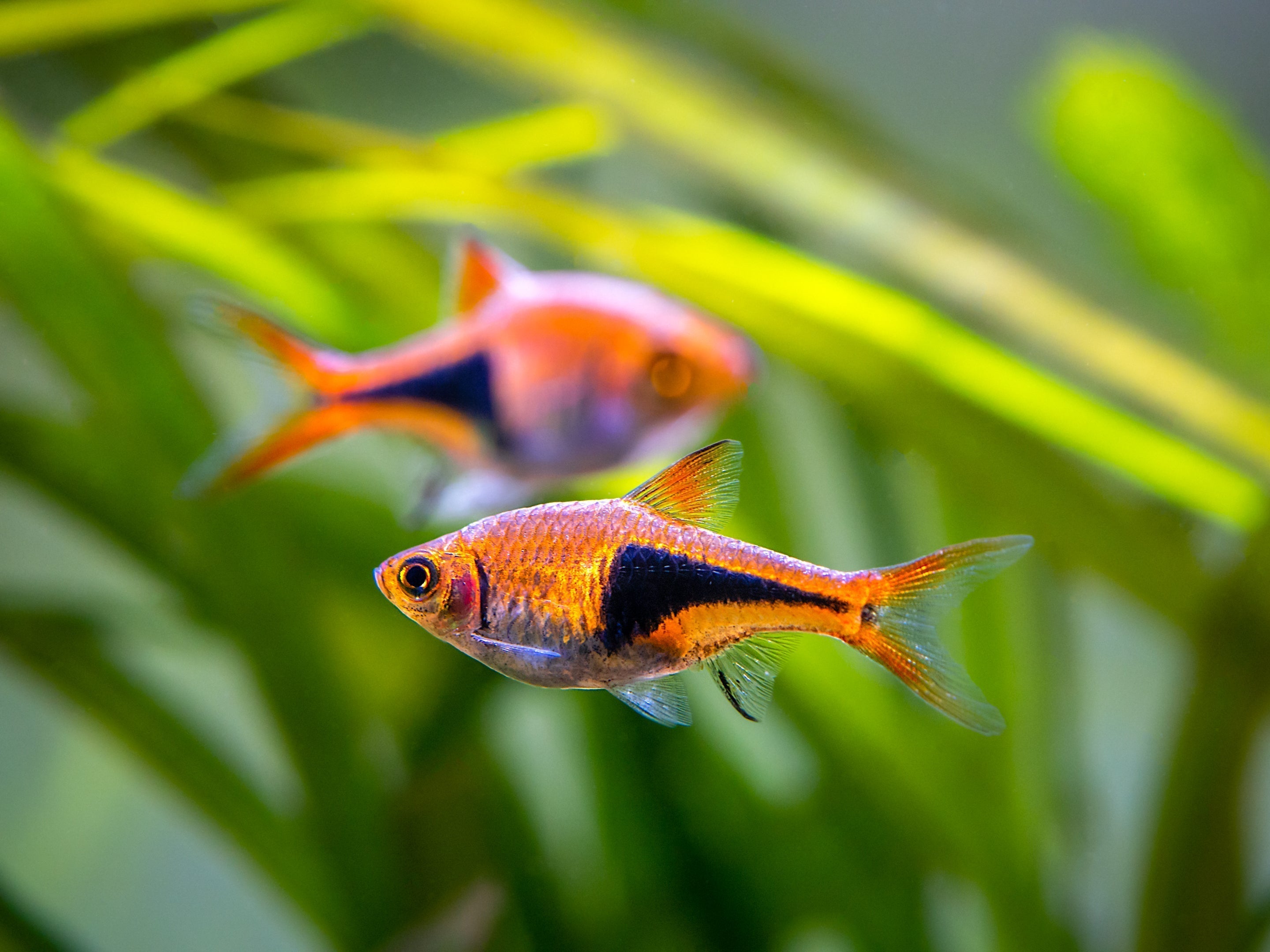
- Harlequin Rasbora: Known for its orange body and black triangular patch.
- Lambchop Rasbora: Has a distinctive black mark resembling a lamb chop.
- Scissortail Rasbora: Features a forked tail and sleek silver body.
- Galaxy Rasbora: Small with shiny spots, also called Celestial Pearl Danio.
Ideal Water Conditions
Rasboras thrive in clean, slightly acidic to neutral water. Stable water helps keep them healthy and active.
- Temperature: 72°F to 79°F (22°C to 26°C)
- pH Level: 6.0 to 7.5
- Water Hardness: Soft to moderately hard (2-15 dGH)
- Good filtration and regular water changes
Social Behavior And Grouping
Rasboras are schooling fish. They feel safer and show natural behavior in groups of six or more.
They get along with other peaceful fish. Avoid keeping them with large or aggressive species.
- Keep in groups of at least six
- Mix with calm, small community fish
- Avoid aggressive or very large tank mates
- Provide hiding places with plants and decorations
Setting Up A Vibrant Community Tank
Tetras and rasboras make colorful and peaceful community fish. They add life and movement to freshwater tanks. Setting up their home needs care and planning.
This guide helps you create a healthy tank with the right plants, water, light, and filter. Follow these tips for a vibrant community tank.
Aquascaping Tips
Arrange plants and decorations to mimic the natural environment of tetras and rasboras. Use plenty of plants and hiding spots. Keep open swimming areas.
- Choose fine-leaved plants like Java moss and Anubias
- Add driftwood or smooth stones for shelter
- Use dark substrate to show fish colors well
- Leave space in the middle for swimming
- Place taller plants at the back of the tank
Water Parameters To Monitor
Tetras and rasboras need clean, stable water. Test water often to keep it safe. Watch these key parameters:
| Parameter | Ideal Range |
| Temperature | 72–78 °F (22–26 °C) |
| pH | 6.0–7.5 |
| Ammonia | 0 ppm |
| Nitrite | 0 ppm |
| Nitrate | Less than 20 ppm |
| Hardness (GH) | 4–12 dGH |
Lighting And Filtration
Good lighting shows fish colors and helps plants grow. Use moderate light for about 8 to 10 hours daily. Avoid strong light that stresses fish.
Filters keep water clean and oxygen-rich. Choose a filter that:
- Provides gentle water flow
- Removes debris and waste
- Supports beneficial bacteria
- Is easy to maintain

Credit: shrimpybusiness.com
Feeding Tetras And Rasboras
Tetras and Rasboras are small, active fish that need a balanced diet. Feeding them the right food helps them stay healthy and colorful.
Understanding their dietary needs and feeding habits makes caring for these fish easier. It also promotes their growth and longevity.
Dietary Needs
Tetras and Rasboras are omnivores. They need a mix of plant and animal-based foods. Protein supports growth and energy. Vegetables provide essential vitamins.
- Small insects and larvae
- Algae and plant matter
- High-quality flake or pellet food
- Frozen or live foods like brine shrimp
Feeding Frequency
Feed Tetras and Rasboras two to three times daily. Offer small amounts they can eat in two minutes. Avoid overfeeding to keep water clean.
| Age or Size | Feedings per Day | Portion Size |
| Juvenile | 3 | Small |
| Adult | 2 | Moderate |
| Overfed | Reduce feedings | Less food |
Best Food Types
Choose foods that float or sink slowly. This allows all fish to eat comfortably. Variety in food keeps fish interested and healthy.
- High-quality tropical flakes
- Micro pellets
- Frozen bloodworms and daphnia
- Vegetable flakes or blanched spinach
Health And Disease Prevention
Keeping Tetras and Rasboras healthy starts with good care. Clean water and proper food help them stay strong.
Watch your fish often to catch any health problems early. Prevention is easier than treatment.
Common Illnesses
Tetras and Rasboras can get diseases like fin rot, ich, and swim bladder disorder. These illnesses cause poor swimming and faded colors.
- Fin Rot:Fins look ragged and may have white edges.
- Ich:White spots appear on the body and fins.
- Swim Bladder Disorder:Fish float abnormally or sink.
Signs Of Stress
Stress weakens fish and leads to illness. Look for these signs:
| Sign | What It Means |
| Hiding often | Fish feels unsafe or sick |
| Loss of appetite | Stress or disease |
| Clamped fins | Uncomfortable or stressed |
| Erratic swimming | Possible illness or poor water |
Quarantine Practices
New fish may bring diseases. Quarantine keeps your tank safe.
- Keep new fish in a separate tank for 2 weeks.
- Check daily for signs of illness or stress.
- Do regular water changes in the quarantine tank.
- Only add fish to the main tank when healthy.

Credit: yourlocalfishstore.com
Breeding Tetras And Rasboras
Breeding tetras and rasboras can be a rewarding experience. These small, colorful fish are popular among aquarium enthusiasts. With the right conditions, they can breed successfully in home aquariums.
Understanding their breeding habits is key to success. Both species lay eggs, and their care needs are similar. This guide will help you create the perfect environment for breeding.
Breeding Conditions
Tetras and rasboras need specific conditions for breeding. Ensure the water is clean and the temperature is stable. A temperature range of 75-80°F is ideal for most species.
Provide plants or spawning mops for egg-laying. Dim lighting encourages breeding. A separate breeding tank can prevent adults from eating the eggs.
- Stable water temperature
- Clean water
- Dim lighting
- Plants or spawning mops
Egg Care
Once eggs are laid, they need protection. Move the adults to a separate tank. This prevents them from eating the eggs.
Eggs usually hatch in 24-48 hours. Keep the water clean and maintain the right temperature. Avoid strong water currents that may disturb the eggs.
- Remove adults
- Maintain water temperature
- Keep water clean
- Avoid strong currents
Raising Fry
Fry are tiny and require special care. Start feeding them infusoria or liquid fry food. After a week, introduce finely crushed flakes or baby brine shrimp.
Keep the tank clean and maintain stable conditions. Regular water changes are important. Fry grow quickly and will soon need more space.
- Feed infusoria or liquid fry food
- Introduce crushed flakes after a week
- Maintain clean tank conditions
- Regular water changes
Maintaining Harmony In Mixed Tanks
Tetras and Rasboras are popular choices for community tanks. They are peaceful and have vibrant colors. But keeping them together requires some planning.
Understanding their needs helps in maintaining harmony. This guide covers how to avoid aggression, keep balanced school sizes, and choose compatible tankmates.
Avoiding Aggression
Tetras and Rasboras are generally peaceful. But stress can cause aggression. Ensure they have enough space to swim. Avoid overcrowding your tank.
Provide hiding spots using plants or decorations. This gives fish a place to retreat. It reduces stress and aggression.
- Keep water conditions stable
- Monitor fish behavior regularly
- Introduce new fish slowly
Balanced School Sizes
Both Tetras and Rasboras are schooling fish. They thrive in groups. A balanced school size is important for their well-being.
Aim for at least six fish of the same species. This helps them feel secure and reduces stress.
- Match school sizes for different species
- Observe group dynamics
- Adjust numbers if needed
Compatible Tankmates
Choose tankmates that are peaceful and similar in size. Avoid aggressive fish that may bully Tetras or Rasboras.
Good tankmates include other small, peaceful fish. Avoid large fish that might see them as prey.
- Corydoras catfish
- Small barbs
- Guppies
- Danios
Frequently Asked Questions
What Are The Main Differences Between Tetras And Rasboras?
Tetras are generally more colorful and active, while rasboras are smaller and peaceful. Both thrive in community tanks but prefer slightly different water conditions. Tetras often require more oxygen-rich water, whereas rasboras adapt well to varied environments, making them ideal for beginners.
Can Tetras And Rasboras Live Together Peacefully?
Yes, tetras and rasboras are compatible tank mates due to their peaceful nature. They enjoy similar water parameters and thrive in groups. Keeping them in schools of six or more reduces stress and encourages natural behavior, enhancing the aquarium’s visual appeal.
What Water Conditions Suit Tetras And Rasboras Best?
Both species prefer soft, slightly acidic to neutral water with temperatures between 72-82°F (22-28°C). Maintaining stable pH around 6. 5-7. 0 and regular water changes ensures their health. Good filtration and moderate lighting help mimic their natural habitats for optimal wellbeing.
How Do Tetras And Rasboras Differ In Diet?
Tetras and rasboras are omnivores, feeding on flakes, pellets, and live food. Tetras may prefer more protein-rich diets, including brine shrimp or daphnia. Rasboras accept similar diets but also enjoy plant-based foods. A varied diet promotes vibrant colors and longevity.
Conclusion
Tetras and rasboras make great choices for small aquariums. They add color and life to any tank. Both fish prefer calm waters and enjoy swimming in groups. Their care is simple, which suits beginners well. Keep the water clean and provide plants for hiding spots.
Watching their lively movements brings joy and peace. These fish create a beautiful, balanced aquarium environment. Choose tetras or rasboras to brighten your underwater world.