
Setting up your Tetra tank the right way can make all the difference in creating a healthy and vibrant home for your fish. Whether you’re new to fishkeeping or looking to improve your current setup, this guide will walk you through each step with clear, simple instructions.
You’ll learn how to choose the best equipment, maintain water quality, and create a comfortable environment your fish will love. Keep reading, and you’ll discover easy tips that save you time, reduce stress, and ensure your tank thrives from day one.
Your perfect aquarium setup starts here.

Credit: glassboxdiaries.com
Choosing The Right Tetra Species
Picking the best tetra species is key for a happy aquarium. Different tetras have different needs and behaviors.
This guide helps you learn about popular tetras, their tank mates, and the space they need.
Popular Tetra Varieties
Tetras come in many colors and sizes. Here are some common ones for home tanks.
- Neon Tetra: Small, bright blue and red, peaceful.
- Cardinal Tetra: Similar to neon but with stronger colors.
- Glowlight Tetra: Orange stripe along its body, very active.
- Black Skirt Tetra: Larger, black fins, can be slightly aggressive.
- Rummy Nose Tetra: Red nose, silver body, great for groups.
Compatibility With Other Fish
Tetras usually live well with other peaceful fish. Avoid big or aggressive species.
| Fish Species | Compatibility |
| Guppies | Good |
| Betta | Not Recommended |
| Corydoras Catfish | Good |
| Angelfish | May Aggress |
| Danios | Good |
Ideal Tank Sizes
Tetras need enough space to swim freely. Tank size depends on species and group size.
- Neon and Cardinal Tetras: Minimum 10 gallons for 6-8 fish
- Glowlight Tetras: At least 15 gallons for 8 fish
- Black Skirt Tetras: Minimum 20 gallons due to size
- Rummy Nose Tetras: 20 gallons or more for a school
Tank Preparation Essentials
Setting up a tetra tank properly is key for healthy fish. A clean, well-prepared tank helps fish thrive.
This guide covers how to select the right tank, set up filtration and aeration, and maintain water quality.
Selecting The Proper Tank
Choose a tank size that fits the number of tetras you want. Small tanks can stress fish.
- Minimum 10 gallons for a small school of tetras
- Glass tanks are durable and easy to clean
- Look for a tank with a secure lid
- Consider tank shape for space and decoration
Setting Up Filtration And Aeration
Good filtration keeps water clean and safe. Aeration adds oxygen fish need to live.
| Equipment | Purpose | Tip |
| Filter | Removes waste and toxins | Choose one rated for tank size |
| Air Pump | Circulates oxygen in water | Use with air stones for gentle bubbles |
| Heater | Keeps water temperature steady | Set between 72-78°F for tetras |
Optimal Water Parameters
Tetras need stable water conditions to stay healthy and active. Test water often.
- Temperature: 72-78°F (22-26°C)
- pH Level: 6.0 to 7.5
- Hardness: 2-10 dGH (soft to moderately hard)
- Ammonia and Nitrite: 0 ppm (toxic at any level)
Creating A Natural Habitat
Setting up a tank for tetras requires a natural and comfortable environment. It helps the fish stay healthy and active. This guide covers key elements for creating a natural habitat.
Focus on the right substrate, decorations, plants, lighting, and temperature. These elements mimic the tetras’ native home.
Substrate And Decorations
Choose a soft, dark substrate like fine gravel or sand. It looks natural and helps show the colors of tetras well. Add smooth stones and driftwood for hiding spots.
- Use rounded gravel or sand to avoid harming fish
- Add natural wood pieces for shelter
- Include caves or small hiding places
- Avoid sharp or rough decorations
Aquatic Plants For Tetras
Live plants help keep the water clean and give tetras places to explore. Choose plants that grow well in low to medium light.
| Plant | Light Level | Growth Rate |
| Java Fern | Low | Slow |
| Anubias | Low to Medium | Slow |
| Amazon Sword | Medium | Medium |
| Cryptocoryne | Low to Medium | Slow to Medium |
Lighting And Temperature Control
Tetras do best with soft lighting and stable temperature. Use a timer for consistent light cycles. Keep water temperature between 72°F and 80°F.
- Use LED lights with adjustable brightness
- Keep lights on for 8 to 10 hours daily
- Use a reliable heater with a thermostat
- Check temperature daily with a thermometer
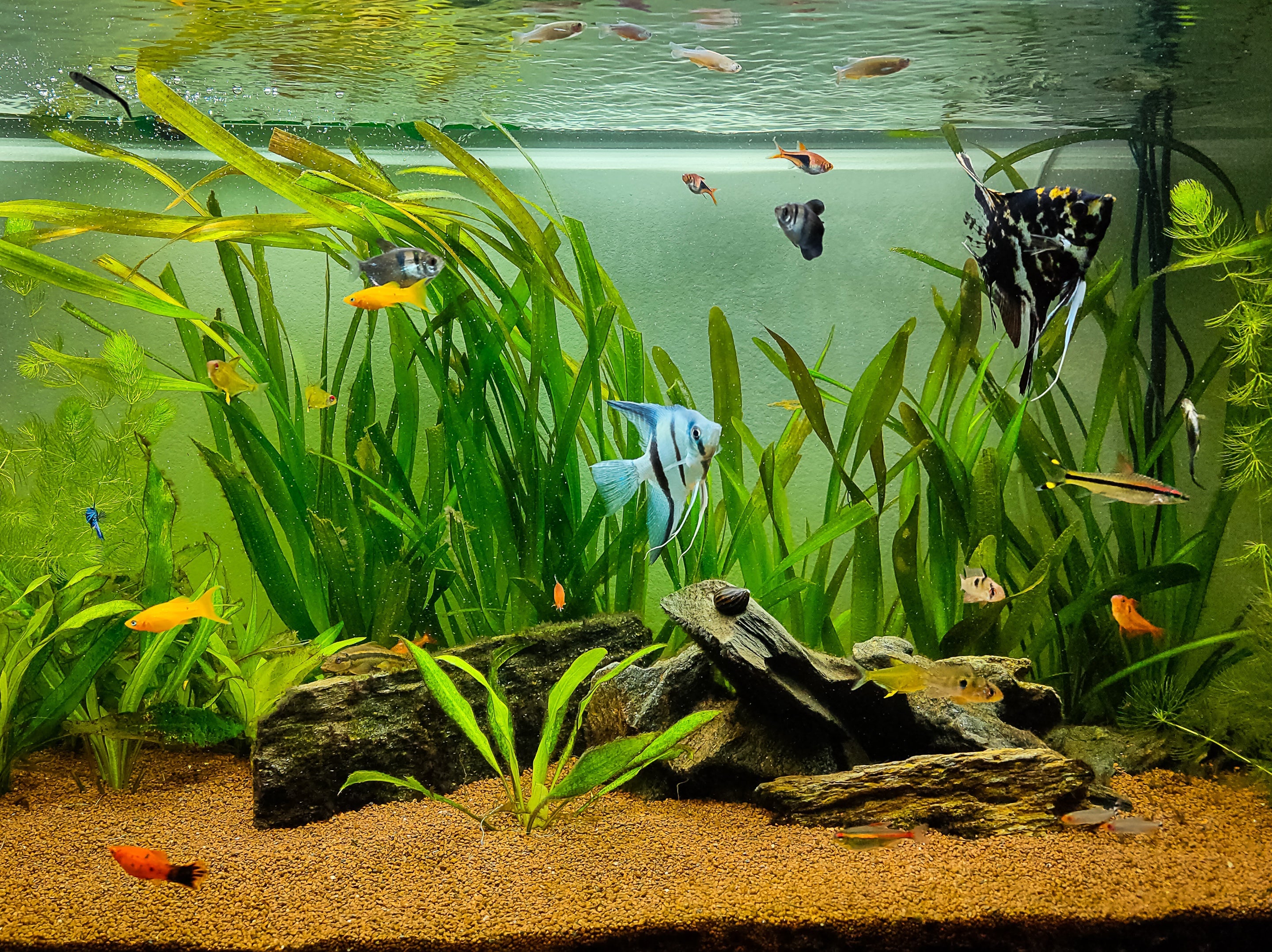
Credit: splashyfishstore.com
Feeding Your Tetras
Feeding tetras correctly keeps them healthy and active. Tetras need a balanced diet with the right foods and amounts.
Understanding what to feed and how often helps your fish live longer. This guide covers food types, feeding frequency, and supplements.
Best Food Types
Tetras eat small foods that float or sink slowly. They like a mix of flakes, pellets, and live or frozen foods.
Choose foods made for small tropical fish. This gives them the right nutrition and helps their color stay bright.
- High-quality flake food
- Small pellet food
- Frozen or live brine shrimp
- Frozen or live bloodworms
- Micro worms or daphnia
Feeding Frequency And Portions
Feed your tetras two times each day. Give only what they can eat in 2-3 minutes to avoid leftover food.
Too much food pollutes the water and can harm your fish. Watch your tetras eat and adjust portions if needed.
- Feed small amounts twice daily
- Remove uneaten food after 5 minutes
- Check fish behavior and adjust food
- Keep feeding schedule consistent
Supplements And Treats
Supplements help tetras get extra vitamins and minerals. Offer treats like live foods once or twice a week.
Live and frozen treats support natural hunting behaviors. Use supplements to improve fish health and colors.
- Vitamin-enriched flakes or pellets
- Occasional live brine shrimp or daphnia
- Frozen bloodworms as a treat
- Use supplements sparingly and safely
Maintaining Water Quality
Keeping your tetra tank clean is essential. Good water quality helps your fish stay healthy. This guide will help you maintain the right conditions.
Follow these steps to ensure your fish have a safe environment. Learn about water changes, testing, and solving common issues.
Regular Water Changes
Changing the water helps remove waste and toxins. It keeps the tank environment stable and clean.
Perform a water change every week. Replace about 25% of the tank water with fresh, dechlorinated water.
- Use a siphon to remove debris from the gravel
- Ensure new water matches tank temperature
- Check pH before adding new water
Testing And Adjusting Parameters
Testing water keeps your tank’s parameters in check. It prevents harmful conditions from developing.
Use a test kit to check pH, ammonia, nitrite, and nitrate levels. Adjust them if they are off.
| Parameter | Ideal Range |
| pH | 6.8 – 7.5 |
| Ammonia | 0 ppm |
| Nitrite | 0 ppm |
| Nitrate | Below 20 ppm |
Dealing With Common Water Issues
Cloudy water or algae blooms are common problems. They can affect the health of your fish.
To fix cloudy water, check the filter and perform a partial water change. Control algae with less light and algae-eating fish.
- Inspect filters regularly
- Limit feeding to prevent waste
- Use a timer for aquarium lights

Credit: blog.petloverscentre.com
Monitoring Fish Health
Keeping your fish healthy is important for a happy aquarium. You need to watch for signs of stress and illness.
Regular checks help you catch problems early. It makes treatment easier and more effective.
Recognizing Signs Of Stress
Stressed fish may behave differently. Look for changes in their swimming patterns and appetite.
- Rapid swimming or hiding
- Loss of appetite
- Clamped fins
- Gasping at the surface
Common Diseases And Treatments
Fish can get sick if the water quality is poor. Common diseases include ich and fin rot.
Treatments vary, but usually include water changes and medication. Always follow instructions on medicine packages.
| Disease | Symptoms | Treatment |
| Ich | White spots on body | Raise water temperature, use ich medicine |
| Fin Rot | Frayed fins | Improve water quality, use antibacterial treatment |
Quarantine Procedures
Quarantine new fish before adding them to your main tank. This helps prevent the spread of diseases.
Keep new fish in a separate tank for at least two weeks. Watch for any signs of illness during this time.
Breeding Tips For Tetras
Breeding tetras can be rewarding and fun. They need special care to spawn successfully.
This guide covers tank setup, spawning needs, and fry care for healthy baby tetras.
Setting Up A Breeding Tank
Use a small tank of about 10 gallons to breed tetras. The tank needs soft, slightly acidic water.
- Keep the water temperature between 75-80°F (24-27°C).
- Add plants like java moss for egg laying.
- Use a sponge filter to keep water clean without harming eggs.
- Dim lighting helps reduce stress on the fish.
Spawning Conditions
Tetras breed best when water is clean and stable. Change 20% of the water daily with soft water.
| Condition | Ideal Range |
| Temperature | 75-80°F (24-27°C) |
| pH Level | 6.0 – 6.5 |
| Hardness | 1-4 dGH (soft water) |
| Lighting | Low to moderate |
Caring For Fry
Fry need clean water and small food. Feed tiny live or frozen foods to help them grow.
- Feed baby brine shrimp or crushed flakes several times per day.
- Keep the water temperature steady around 78°F (26°C).
- Remove the adult fish after spawning to protect the fry.
- Perform small water changes daily to keep water quality high.
Frequently Asked Questions
What Is The Ideal Tank Size For A Tetra Setup?
The ideal tank size for a Tetra setup is 10 gallons or larger. This size provides enough space for swimming and stable water conditions, promoting healthy fish growth and behavior.
How Do I Cycle My Tetra Tank Before Adding Fish?
To cycle your Tetra tank, establish beneficial bacteria by adding ammonia and testing water parameters. This process usually takes 4-6 weeks to ensure safe fish introduction.
What Water Temperature Is Best For Tetra Fish?
Tetras thrive in water temperatures between 72°F and 80°F. Maintaining this range supports their metabolism, immune system, and overall well-being.
How Often Should I Clean My Tetra Tank?
Clean your Tetra tank weekly by changing 20-30% of the water. Regular cleaning prevents harmful buildup and keeps fish healthy.
Conclusion
Setting up your Tetra tank is simple with the right steps. Clean water and proper filter use keep fish healthy. Regular feeding and tank checks ensure a happy environment. Watch your fish daily to spot any issues early. Enjoy the calm and beauty your tank brings to your space.
Keep learning and adjusting for the best results. This guide helps you create a peaceful home for your fish.