
Are you looking to bring out the brightest, most vibrant colors in your tetra fish? Your fish’s health and beauty depend a lot on what you feed them.
The right diet can make their colors pop like never before. Imagine watching your aquarium glow with stunning shades of red, blue, and green every day. You’ll discover how the perfect tetra diet can enhance your fish’s natural beauty and keep them lively and healthy.
Ready to learn the secrets to a dazzling aquarium? Let’s dive in!
Benefits Of Tetra Diet
The Tetra Diet supports fish with essential nutrients. It helps boost their natural colors.
This diet also keeps fish healthy and active. It offers a good balance of vitamins and minerals.
Improved Color Vibrancy
The Tetra Diet contains natural pigments. These pigments help fish show brighter colors.
- Enhances red, blue, and yellow tones
- Makes colors look more vivid and clear
- Supports natural shine on scales
Enhanced Fish Health
Healthy fish live longer and swim actively. Tetra Diet strengthens their immune system.
| Health Benefit | Effect |
| Immune Support | Fights disease and infection |
| Digestive Aid | Improves nutrient absorption |
| Energy Boost | Keeps fish lively and strong |
Balanced Nutrition
The diet contains proteins, fats, and vitamins. This mix helps fish grow well.
Key nutrients in Tetra Diet:
- High-quality protein for muscle growth
- Essential fatty acids for brain health
- Vitamins A, C, and E for overall well-being
- Minerals like calcium for strong bones
Key Ingredients For Color Boosting
Tetra diets contain special ingredients that help fish show bright colors. These ingredients improve the natural pigments in fish scales and skin.
Feeding fish the right nutrients supports healthy color growth. These nutrients include natural pigments, proteins, and vitamins.
Natural Carotenoids
Carotenoids are pigments found in plants and algae. Fish cannot make these pigments, so they get them from their food.
These pigments add red, orange, and yellow colors to fish. They help make the fish look more vibrant and healthy.
- Astaxanthin
- Canthaxanthin
- Beta-carotene
- Lutein
Spirulina And Algae
Spirulina is a blue-green algae rich in nutrients. It contains natural pigments that boost fish colors.
Feeding fish spirulina helps increase green and blue shades. It also supports overall fish health and immune systems.
- Rich in phycocyanin pigment
- Provides essential proteins
- Supports bright color development
- Contains antioxidants
Vitamins And Minerals
Vitamins and minerals help fish absorb pigments better. They support skin health and color retention in fish.
Important vitamins include vitamin A, C, and E. Minerals like zinc and copper play roles in color boosting too.
- Vitamin A improves skin and eye health
- Vitamin C supports immune function
- Vitamin E protects cells from damage
- Zinc and copper aid pigment production
Choosing The Right Tetra Products
Choosing the right Tetra products is key for vibrant fish colors. The right diet helps your fish look healthy and bright.
Tetra offers many options to improve color and nutrition. Picking the best fit depends on your fish type and feeding habits.
Color Enhancer Formulas
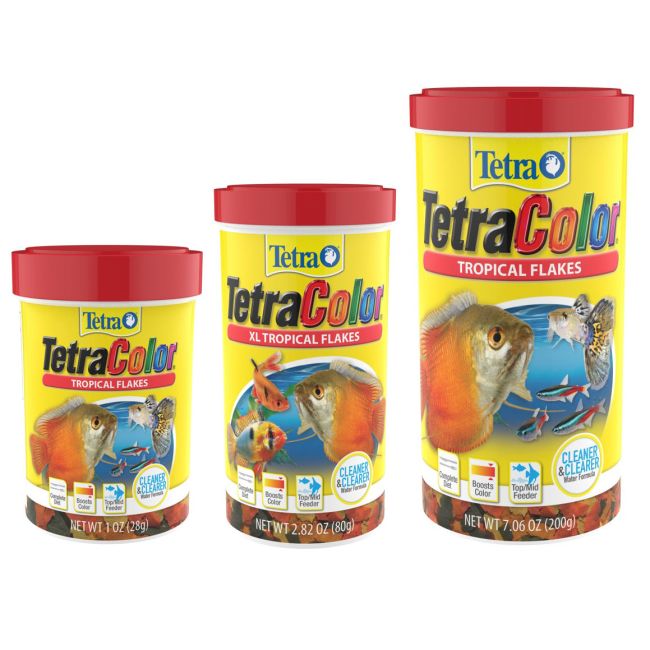
Tetra’s color enhancer formulas boost natural pigments in fish. These foods contain ingredients like spirulina and carotenoids.
These formulas help fish show brighter reds, blues, and yellows. They support healthy growth while improving color.
- Contains natural color boosters
- Supports immune system health
- Balanced nutrition for daily feeding
- Suitable for most tropical fish
Flake Vs Pellet Options
Tetra offers color diets in flakes and pellets. Each type suits different fish and feeding styles.
Flakes are easy to digest and float on water. Pellets sink slowly and work well for bottom feeders.
- Flakes: Good for surface and mid-level feeders
- Pellets: Ideal for bottom feeders and larger fish
- Both contain color enhancing nutrients
- Choose based on fish eating habits
Specialized Diets For Different Species
Tetra makes special diets for various fish species. These diets meet unique nutritional needs.
Choosing species-specific food helps fish thrive and show better colors. Some diets include extra vitamins or protein.
- Tetra Betta Diet: Rich in color enhancers and protein
- Tetra Cichlid Diet: Supports strong colors and muscle
- Tetra Discus Diet: High protein for bright colors
- Tetra Goldfish Diet: Balanced for color and health
Credit: www.aquariumspecialty.com
Feeding Tips For Maximum Effect
Feeding your tetra fish correctly helps bring out their best colors. Good feeding habits support their health and appearance. Use the right food and amounts to see the best results.
Below are tips on how often to feed, using live foods, and avoiding overfeeding. These simple steps improve color and keep your fish happy.
Feeding Frequency And Portions
Feed your tetras small amounts two to three times a day. This keeps their color bright without waste. Overfeeding can cause health problems and dull colors.
- Feed only what they can eat in 2-3 minutes
- Remove leftover food after feeding
- Use portion sizes equal to the size of their eye
Combining With Live Foods
Live foods add nutrients and movement that boost color. Mix live foods with your tetra diet for best effect. It also helps stimulate natural feeding behavior.
- Feed small live foods like daphnia or brine shrimp
- Offer live foods once or twice per week
- Keep live foods fresh and clean to avoid disease
Avoiding Overfeeding
Overfeeding harms fish health and water quality. Watch your fish’s eating habits and adjust food amounts. Clean the tank regularly to maintain clear water.
| Signs of Overfeeding | Actions to Take |
| Uneaten food at bottom | Feed less food per meal |
| Cloudy water | Perform water changes often |
| Fish gaining excess weight | Reduce feeding frequency |
Signs Of Effective Color Enhancement
Color enhancement in fish is a clear sign of good nutrition and care. It shows that the fish are healthy and their diet is working well.
Recognizing these signs can help you ensure your fish stay vibrant and active.
Visual Changes In Fish
One of the first signs of color enhancement is brighter and deeper colors. The scales look shiny and more defined.
- Colors become more intense and vivid
- Patterns on the fish’s body grow clearer
- Fins show richer color shades
- The overall look is more attractive and fresh
Behavioral Indicators
Color changes also come with behavior improvements. Fish show more energy and curiosity in their environment.
| Behavior | What It Shows |
| Active swimming | Good health and energy |
| Regular feeding | Strong appetite and nutrition |
| Interaction with other fish | Normal social behavior |
| Bright eyes | Alertness and wellness |
Health Improvements
Healthy fish show less stress and fewer diseases. Their skin and fins heal faster and look clean.
- Clear, intact fins without tears
- Healthy skin with no spots or fungus
- Steady breathing without gasping
- Good weight and body shape

Credit: www.amazon.com
Common Mistakes To Avoid
Many fish enthusiasts aim to enhance the color of their fish. The Tetra Diet can help, but it’s important to avoid certain pitfalls.
Understanding these common mistakes ensures your fish stay vibrant and healthy.
Relying Solely On Color Enhancers
Color enhancers can improve fish appearance, but they are not a complete solution. Relying only on these products can lead to nutritional deficiencies.
- Ensure a balanced diet with proteins and vitamins.
- Use color enhancers as supplements, not replacements.
- Research brands for quality and safety.
Ignoring Water Quality
Good water quality is crucial for vibrant fish colors. Poor conditions can lead to stress and dull colors.
Water quality checklist:
- Check pH levels weekly.
- Ensure filters are clean and functional.
- Conduct regular water changes.
Inconsistent Feeding Schedules
Inconsistent feeding can stress fish and affect their color. Regularity in feeding helps maintain their health and vibrancy.
| Meal Type | Frequency |
| Pellets | Twice daily |
| Frozen food | Every other day |
| Live food | Once a week |

Credit: www.amazon.com
Frequently Asked Questions
What Is A Tetra Diet For Color Enhancement?
A Tetra diet for color enhancement focuses on nutrient-rich foods that boost fish pigmentation. It includes high-quality flakes, live or frozen foods rich in carotenoids and vitamins, promoting vibrant and healthy colors in Tetra fish.
How Does Diet Improve Tetra Fish Coloration?
Diet improves Tetra fish coloration by providing essential pigments and nutrients. Foods rich in carotenoids, like spirulina and krill, enhance red, orange, and yellow hues. A balanced diet strengthens the immune system and overall fish vitality, resulting in brighter colors.
Which Foods Boost Tetra Fish Color Naturally?
Natural color boosters for Tetra fish include spirulina, daphnia, brine shrimp, and bloodworms. These foods contain carotenoids and antioxidants that intensify their natural colors. Regular feeding with these enhances the fish’s vibrant appearance and health.
How Often Should I Feed Tetras For Color Enhancement?
Feed Tetras small portions two to three times daily for color enhancement. Overfeeding can harm water quality and fish health. Consistent, balanced feeding ensures optimal nutrient absorption and vibrant coloration.
Conclusion
Tetra diet helps bring out your fish’s true colors. Feeding the right food keeps them healthy and bright. Simple changes in diet can show great results. Bright colors mean happy and well-cared-for fish. Try to include natural ingredients in their meals.
Watch your fish glow with vibrant, rich hues. Healthy fish always add beauty to your aquarium. Keep their diet balanced for lasting color shine. Small efforts lead to big improvements in appearance. Enjoy the beauty that a good diet provides.