
Are you struggling to keep your equipment or environment at the right temperature? Temperature problems can cause unexpected downtime, damage, and costly repairs.
But don’t worry—understanding how to troubleshoot and maintain your temperature systems can save you time, money, and stress. You’ll discover simple, practical steps to identify common temperature issues and keep everything running smoothly. Ready to take control of your temperature troubles?
Let’s dive in.
Common Temperature Issues
Temperature problems can cause devices and systems to fail. It is important to find the cause quickly.
This guide explains common temperature issues and how to spot them.
Overheating Causes
Overheating happens when heat builds up faster than it can leave the system. This can cause damage.
- Poor ventilation or blocked air flow
- Dust buildup on fans and vents
- Faulty cooling fans or heat sinks
- High ambient temperature around the device
- Overloading the system beyond its capacity
Inconsistent Readings
Temperature readings that change too much can confuse users and cause wrong actions.
| Cause | Effect |
| Loose sensor connection | Fluctuating temperature data |
| Electrical interference | Incorrect readings |
| Software errors | Data mismatch and delays |
| Rapid temperature changes | Sensor lag or overshoot |
Sensor Failures
Sensor failures can stop the device from reading temperatures correctly. This can lead to damage.
- Sensor shows no reading
- Temperature stuck at one value
- Sensor output is erratic or random
- Physical damage or corrosion on sensor
Quick Diagnostic Steps
Temperature problems can cause discomfort and energy waste. Checking your system quickly helps find issues fast. Follow these simple steps to diagnose common problems.
Use these tips to inspect your thermostat, wiring, and sensors. They guide you to the cause of the trouble so you can fix it or call a professional.
Checking Thermostat Settings
Make sure your thermostat is set correctly. Wrong settings often cause temperature problems. Check the mode and desired temperature first.
- Verify the thermostat mode is set to heating or cooling as needed.
- Check the temperature setting matches your comfort level.
- Replace batteries if the thermostat is battery-powered.
- Reset the thermostat if it shows errors or behaves oddly.
Inspecting Wiring And Connections
Loose or damaged wires can stop your system from working. Look for broken wires or burnt spots. Check all connections at the thermostat and control board.
| Wiring Issue | What to Look For | Action |
|---|---|---|
| Loose wires | Wires not firmly attached | Tighten connections |
| Damaged insulation | Exposed or frayed wires | Replace or repair wires |
| Burn marks | Blackened or melted spots | Call a technician |
| Corrosion | Rust or green deposits | Clean or replace terminals |
Testing Temperature Sensors
Temperature sensors tell your system the current temperature. Faulty sensors give wrong readings and affect heating or cooling. Test sensors with a multimeter or by swapping with a known good sensor.
- Locate the sensor inside your HVAC unit or thermostat.
- Measure resistance with a multimeter; compare to sensor specs.
- Replace the sensor if readings are out of range or inconsistent.
Effective Cooling Solutions
Keeping the temperature low is important for comfort and safety. Proper cooling stops machines and rooms from getting too hot.
There are many ways to cool down spaces and equipment. Using the right methods can save energy and prevent damage.
Cleaning Air Filters
Air filters trap dust and dirt from the air. When filters get dirty, airflow slows down and cooling drops.
Cleaning or replacing air filters helps air move freely. This keeps cooling systems working well and saves energy.
- Remove filters carefully to avoid dust spreading
- Use water or vacuum to clean reusable filters
- Replace filters if they are damaged or very dirty
- Check filters every month during hot seasons
Improving Ventilation
Good ventilation moves hot air out and brings cool air in. It helps keep rooms and machines from overheating.
Open windows or vents to increase air flow. Use exhaust fans to remove warm air quickly.
- Keep vents clear of blockages
- Use vents in opposite directions for better air flow
- Place vents near heat sources to remove warm air fast
Using Fans And Coolants
Fans help move air and create a cooling effect on skin. They do not lower room temperature but increase comfort.
Coolants absorb heat from machines and help keep them cold. Using the right coolant prevents overheating and damage.
- Use ceiling or stand fans for better air circulation
- Check fans regularly to keep them clean and working
- Choose coolants based on machine type and temperature needs
- Replace coolants as recommended by the manufacturer
Credit: www.johnsoncomfort.com
Heating System Fixes
Heating systems need regular care to work well. Fixing common problems can save money and keep homes warm.
Check parts like thermostats, vents, and heating elements often. Small fixes stop bigger issues later.
Thermostat Calibration
Thermostats control your heating system temperature. If they are not set right, the heat may be off.
To calibrate, compare the thermostat reading with a reliable thermometer. Adjust settings if the numbers do not match.
- Turn off the heating system before adjusting
- Remove the thermostat cover carefully
- Use a small screwdriver to adjust the calibration screw
- Check the temperature again after changes
Clearing Blocked Vents
Blocked vents stop warm air from spreading in your home. Dust, furniture, or curtains can cover vents.
Keep vents clear and clean to help heat flow freely. This makes your system work better and saves energy.
- Remove dust and debris with a vacuum or brush
- Move furniture away from vents
- Check vents regularly for blockages
- Make sure vent covers are open and not broken
Maintaining Heating Elements
Heating elements produce the heat in many systems. Dirt and wear can reduce their performance.
Clean heating elements gently and inspect for damage. Replace parts if you see cracks or breaks to stay safe.
- Turn off power before cleaning heating elements
- Use a soft brush or cloth to remove dust
- Look for signs of wear or damage
- Call a professional if elements need replacement
Preventive Maintenance Tips
Maintaining temperature systems helps avoid failures and saves money. Regular care keeps equipment running smoothly and extends its life.
Check your system often to spot problems early. Follow simple steps to keep everything working well.
Regular System Inspections
Inspect your temperature system regularly. Look for leaks, unusual noises, and worn parts. Early detection prevents bigger issues later.
- Check thermostat settings and calibration
- Inspect wiring and connections
- Examine sensors for damage or dirt
- Verify coolant levels and pressure
- Test system controls and safety devices
Scheduled Filter Replacements
Filters keep air and fluids clean inside your system. Dirty filters reduce efficiency and can cause damage. Replace filters on time to keep your system healthy.
| Filter Type | Replacement Frequency | Signs to Replace |
| Air Filter | Every 3 months | Dust buildup, poor airflow |
| Oil Filter | Every 6 months | Dark oil, engine noise |
| Water Filter | Every 12 months | Cloudy water, slow flow |
Monitoring Temperature Trends
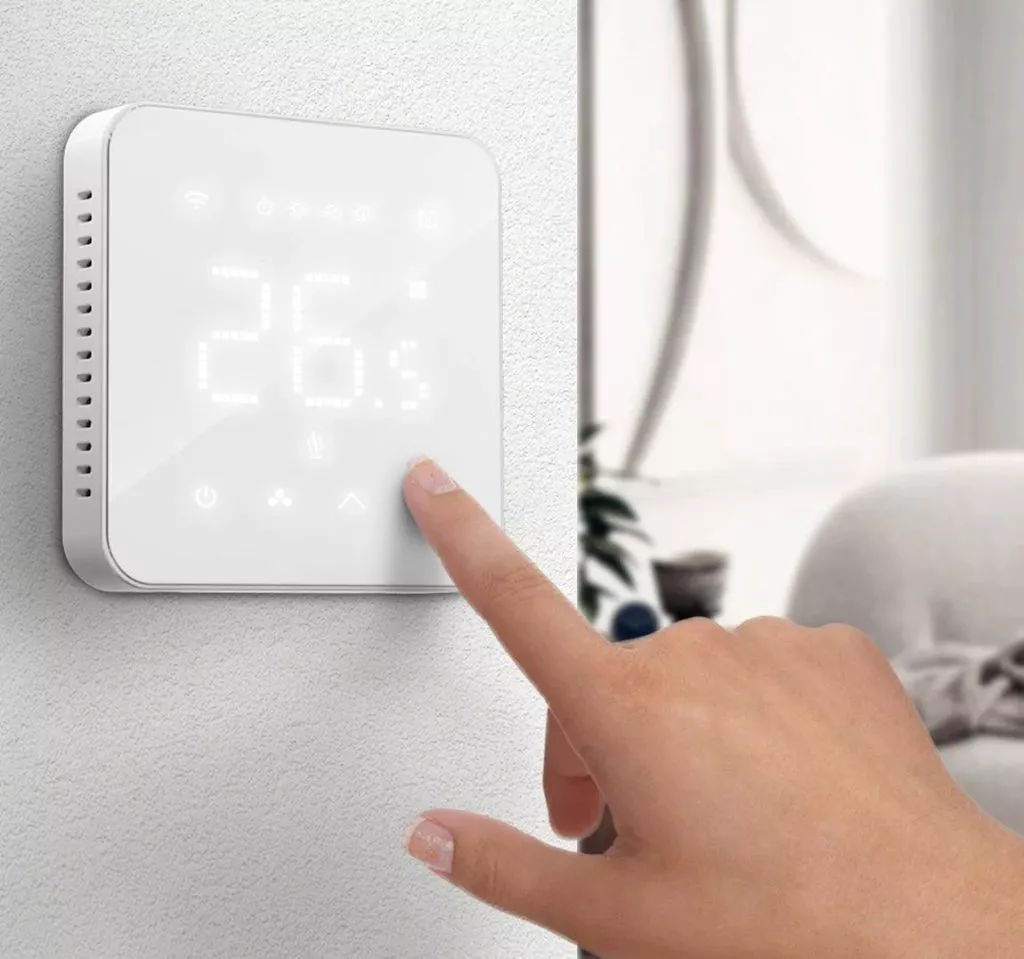
Track your system’s temperature over time. Sudden changes can signal a problem. Use this data to schedule maintenance before failures occur.
- Record daily temperature readings
- Compare current data with past trends
- Set alerts for unusual changes
- Keep maintenance logs updated
Credit: kayplumbing.com
When To Call A Professional
Temperature issues can be tricky. Some problems need a professional touch. Knowing when to call for help saves time and money.
This guide helps you decide when it’s best to seek expert assistance. It covers complex problems, safety tips, and selecting the right technician.
Identifying Complex Problems
Some temperature issues are hard to solve. If your system makes strange noises or fails to heat, it may need expert care.
Leaks or electrical issues are signs of complex problems. These can cause damage if not fixed by a professional.
- Unusual noises from the system
- Persistent leaks around the unit
- Frequent electrical trips
Safety Precautions
Safety is crucial during maintenance. Some tasks can be dangerous without proper skills. Professionals have the right tools and training.
Never attempt to fix electrical issues alone. These can lead to serious injuries or fires if handled improperly.
- Turn off power before inspections
- Wear protective gear
- Keep children away from the work area
Choosing The Right Technician
Selecting a skilled technician is important. Look for certifications and experience in temperature systems. This ensures quality work.
Ask for recommendations from friends. Check reviews online to find a reliable expert in your area.
- Verify technician certifications
- Read customer reviews
- Ask for service guarantees

Credit: northnjhvac.com
Frequently Asked Questions
How To Identify Common Temperature Control Issues?
Common temperature issues include inaccurate readings, inconsistent heating, or cooling. Check sensors, thermostat settings, and wiring for faults. Regular calibration helps maintain accuracy and avoid malfunctions.
What Are The Best Maintenance Tips For Temperature Systems?
Regularly clean sensors and vents. Inspect wiring and connections for damage. Schedule periodic system checks and calibrate controls to ensure optimal performance and prevent failures.
Why Does My Thermostat Show Incorrect Temperatures?
Incorrect readings often result from sensor faults, poor calibration, or placement near heat sources. Ensure sensors are clean, properly positioned, and recalibrate the thermostat to fix inaccuracies.
How Often Should Temperature Sensors Be Calibrated?
Temperature sensors should be calibrated at least twice a year. Frequent calibration ensures accurate readings and prevents temperature-related problems in your system.
Conclusion
Temperature problems can cause many issues in machines and homes. Regular checks help catch small faults early. Clean and maintain parts to keep systems working well. Quick action stops damage and saves money. Simple steps make a big difference in performance.
Stay alert to unusual signs or sounds. Good care extends the life of your equipment. Keep your space comfortable and safe every day. Troubleshooting and maintenance are key to smooth operation. Don’t wait for problems—act and protect your devices now.