
If you want your freshwater fish to thrive, controlling the tank temperature is one of the most important steps you can take. You might think all fish can live in the same conditions, but the truth is, each species has a temperature range that keeps them healthy and happy.
Getting this right not only helps your fish stay active and vibrant but also protects them from stress and disease. You’ll discover exactly what temperatures work best for different freshwater species, and how you can easily maintain the perfect environment for your aquatic pets.
Keep reading to make sure your tank becomes a safe and comfortable home for your fish.
Credit: www.ratemyfishtank.com
Ideal Temperature Ranges
Maintaining the right tank temperature is important for freshwater fish health. Different species need different water temperatures.
Keeping the temperature stable helps fish stay active and healthy. Sudden changes can cause stress or illness.
Tropical Freshwater Species
Tropical freshwater fish live in warm water. Their ideal temperature is usually between 75 and 80 degrees Fahrenheit.
These fish need steady warmth to stay healthy and active. Temperatures below 72°F can slow their metabolism.
- Ideal range: 75°F to 80°F (24°C to 27°C)
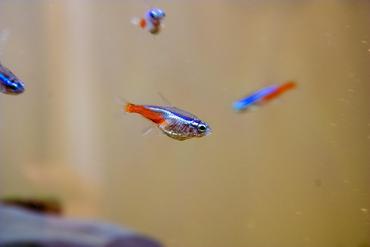
- Examples: Neon tetras, guppies, angelfish
- Keep temperature stable to avoid stress
Temperate Freshwater Species
Temperate freshwater fish live in moderate water temperatures. Their ideal range is between 65 and 75 degrees Fahrenheit.
These fish can tolerate small temperature changes but do best with steady water conditions.
- Ideal range: 65°F to 75°F (18°C to 24°C)
- Examples: Goldfish, koi, some cichlids
- Avoid rapid temperature shifts
Coldwater Freshwater Species
Coldwater fish prefer cooler water. Their ideal temperature is usually between 50 and 65 degrees Fahrenheit.
These fish are less active in warm water. Keeping water cool helps them live longer and stay healthy.
- Ideal range: 50°F to 65°F (10°C to 18°C)
- Examples: White cloud mountain minnows, some danios
- Do not expose to warm water for long
Effects Of Temperature On Fish Health
Temperature is very important for freshwater fish health. Fish need the right water temperature to stay healthy and active.
Different fish species have different temperature needs. If the water is too hot or cold, it can cause problems for the fish.
Metabolism And Activity Levels
Fish metabolism changes with water temperature. Warm water speeds up metabolism, making fish more active.
Cold water slows metabolism and reduces fish activity. Fish may eat less and move slower in cold water.
- Warm water: faster metabolism, more activity
- Cold water: slower metabolism, less activity
- Extreme temperatures can stress fish
Immune System Impact
Temperature affects fish immune systems. Fish in the right temperature fight diseases better.
Too cold or hot water weakens fish defenses. Weak immune systems make fish sick more often.
- Optimal temperature supports strong immunity
- Too cold or hot lowers resistance to infections
- Stable temperatures reduce stress on fish
Breeding And Growth
Fish grow faster in the right temperature range. Proper warmth helps young fish develop well.
Breeding happens best at specific temperatures. Wrong temperatures can stop fish from laying eggs.
- Good temperature boosts growth rates
- Correct warmth triggers spawning
- Extreme temperatures hurt egg survival
Common Freshwater Fish And Their Temperature Needs
Freshwater fish need the right tank temperature to stay healthy. Each species prefers a specific temperature range. Keeping the water temperature stable helps fish live longer and stay active.
This guide covers some common freshwater fish and their ideal temperature needs. Learn how to care for Goldfish, Betta Fish, Guppies, and Angelfish by adjusting your tank temperature properly.
Goldfish
Goldfish are cold-water fish that do best in cooler tanks. They grow well in water temperatures between 65°F and 75°F (18°C to 24°C). Avoid sudden temperature changes to prevent stress.
Betta Fish
Betta fish need warmer water than goldfish. Their ideal temperature range is 76°F to 82°F (24°C to 28°C). Warm water helps them stay active and show their bright colors.
- Keep water heater stable
- Check temperature daily
- Use a thermometer inside the tank
Guppies
Guppies enjoy warm water similar to bettas. Their best temperature is between 72°F and 78°F (22°C to 26°C). They are very sensitive to cold water and may stop eating if it is too low.
Angelfish
| Fish Type | Temperature Range (°F) | Temperature Range (°C) |
|---|---|---|
| Goldfish | 65 – 75 | 18 – 24 |
| Betta Fish | 76 – 82 | 24 – 28 |
| Guppies | 72 – 78 | 22 – 26 |
| Angelfish | 75 – 82 | 24 – 28 |
Angelfish prefer warm water between 75°F and 82°F (24°C to 28°C). They need a stable temperature to stay healthy and to breed successfully.
Maintaining Stable Tank Temperature
Keeping a steady temperature in a freshwater tank is very important. Fish and plants need a constant temperature to stay healthy and active.
Sudden temperature changes can stress fish and cause illness. This guide helps you keep the tank temperature stable.
Choosing The Right Heater
Select a heater that fits the size of your tank. A heater that is too small cannot keep the water warm enough.
- Check the heater’s wattage based on tank volume.
- Pick a heater with an adjustable thermostat.
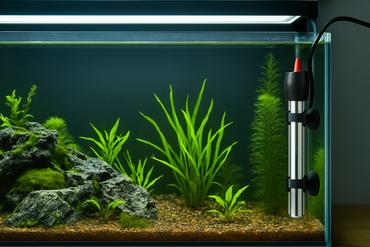
- Use fully submersible heaters for safety and better heating.
- Look for heaters with automatic shut-off features.
Using Thermometers Effectively
Use thermometers to monitor your tank temperature daily. Place them where you can easily see the readings.
| Type of Thermometer | Pros | Cons |
| Stick-on Digital | Easy to read | Can be inaccurate if outside tank |
| Floating Thermometer | Measures water directly | May break or get lost |
| Glass Thermometer | Very accurate | Fragile and can be hazardous |
Avoiding Temperature Fluctuations
Keep the tank away from windows, vents, and doors. These places cause temperature changes.
Tips to avoid temperature swings:
- Keep the room temperature steady.
- Use a tank cover to reduce heat loss.
- Turn off lights at night to avoid heating the water.
- Check equipment regularly for proper function.
Troubleshooting Temperature Issues
Keeping the right tank temperature is crucial for freshwater fish health. Sudden changes can harm your fish. Learn how to spot and fix temperature problems.
This guide will help you understand signs of stress, and manage overheating or cold spikes in your aquarium.
Signs Of Temperature Stress
Fish show stress in many ways when the temperature is wrong. Watch for these signs to ensure your fish are comfortable.
- Fish swimming erratically or staying near the top
- Loss of appetite or unusual hiding
- Color fading or rapid breathing
Dealing With Overheating
High temperatures can cause serious problems for your fish. It’s important to cool down the tank safely and quickly.
Use a fan or open the tank lid to lower the temperature. Avoid sudden changes to prevent shock.
Handling Cold Spikes
Cold water can slow fish metabolism and cause stress. It’s crucial to warm the tank gradually.
Check the heater and adjust the settings if needed. Use a backup heater to prevent future cold spikes.
Credit: www.ratemyfishtank.com
Temperature And Water Quality
Maintaining the right temperature is key for freshwater species. It affects their health and water quality.
Water temperature influences many factors like oxygen levels, pH, and filtration needs. Careful monitoring keeps fish safe.
Oxygen Levels And Temperature
Oxygen dissolves less in warmer water. Fish need enough oxygen to breathe and stay healthy.
- Cooler water holds more oxygen.
- Higher temperatures reduce oxygen availability.
- Watch fish for signs of low oxygen stress.
- Use aerators or plants to increase oxygen.
Impact On Ph And Ammonia
Water temperature can change pH and ammonia levels. Both affect fish health and tank safety.
| Temperature | Effect on pH | Effect on Ammonia |
| Low (below 20°C) | pH tends to be stable | Ammonia is less toxic |
| Moderate (20-26°C) | pH can rise slightly | Ammonia becomes more toxic |
| High (above 26°C) | pH may drop quickly | Ammonia toxicity increases |
Filtration Considerations
Filtration helps keep water clean and balanced. Temperature affects how filters work and bacteria grow.
Keep these tips in mind:
- Warmer water speeds up beneficial bacteria growth.
- Check filters often at higher temperatures.
- Clean filters regularly to avoid buildup.
- Use filters rated for your tank size and species.
Seasonal Temperature Adjustments
Freshwater fish need stable water temperatures to stay healthy. Changing seasons affect tank temperature. Adjusting the tank helps fish survive cold and hot months.
Keeping the right temperature prevents stress and illness. Learn how to care for your tank in winter and summer.
Winter Care Tips
Cold weather can lower tank temperature quickly. Use a reliable heater to keep water warm. Check the temperature every day to avoid drops.
Keep the tank away from cold drafts and windows. Cover the tank with a lid to keep heat inside. Change water slowly to avoid cold shock.
- Use a heater with a thermostat
- Place tank away from cold areas
- Cover tank to keep heat
- Do slow water changes
- Monitor temperature daily
Summer Cooling Methods
High temperatures can harm fish and lower oxygen levels. Use fans or coolers to reduce water heat. Keep the tank out of direct sunlight.
Change water more often with cooler water. Avoid sudden temperature changes to keep fish safe. Add plants to provide shade and oxygen.
- Use a fan or aquarium chiller
- Keep tank away from sun
- Change water with cool water
- Do not change temperature fast
- Add aquatic plants for shade
:strip_icc()/close-up-of-fish-swimming-in-aquarium-at-home-742356665-5aa2bab2fa6bcc00377fd8b0.jpg)
Credit: www.thesprucepets.com
Frequently Asked Questions
What Is The Ideal Tank Temperature For Freshwater Fish?
The ideal tank temperature for most freshwater fish ranges between 72°F and 78°F. This range supports healthy metabolism and immune function. Specific species may require slight variations, so research your fish type for optimal care.
How Does Temperature Affect Freshwater Fish Health?
Temperature impacts fish metabolism, growth, and immune response. Too cold slows metabolism, causing lethargy, while too hot increases stress and oxygen demand. Maintaining stable temperatures prevents illness and promotes overall well-being.
Can Freshwater Fish Survive Temperature Fluctuations?
Frequent temperature changes stress freshwater fish and weaken their immune systems. Sudden drops or spikes can cause shock or disease. Consistent temperature control is vital for fish survival and long-term health.
What Equipment Helps Regulate Freshwater Tank Temperature?
Heaters and thermostats maintain stable freshwater tank temperatures. Use reliable, adjustable heaters suited to tank size. Thermometers monitor temperature precisely, ensuring a stable environment for your fish.
Conclusion
Maintaining the right tank temperature keeps freshwater fish healthy and active. Different species need different temperatures to thrive. Check each fish’s needs before setting your heater. Regularly monitor the water temperature to avoid sudden changes. A stable environment helps fish grow and stay strong.
Proper temperature control reduces stress and illness in fish. Careful attention makes your aquarium a happy home. Small efforts lead to big rewards in fish care. Keep learning and adjusting for the best tank conditions. Your fish will thank you with vibrant colors and lively behavior.