Have you ever wondered why the color of your tank’s contents changes as the temperature shifts? Understanding the connection between tank temperature and color intensity is more important than you might think.
Whether you manage a fish tank, a chemical storage unit, or an industrial process, these changes can signal critical information about the health and quality of what’s inside. You’ll discover how temperature affects color intensity and what that means for your tank’s performance.
Keep reading to unlock simple yet powerful insights that can help you take better control and avoid costly mistakes.

Credit: www.mdpi.com
Tank Temperature Effects
Tank temperature greatly affects the health and appearance of aquatic life. Maintaining the right temperature helps keep fish and plants healthy.
Temperature changes can cause stress and affect color intensity in fish. It is important to understand how temperature impacts your tank.
Ideal Temperature Ranges
Most tropical fish thrive between 75°F and 80°F (24°C to 27°C). Cooler water suits cold-water species better.
| Fish Type | Ideal Temperature (°F) | Ideal Temperature (°C) |
| Tropical Fish | 75 – 80 | 24 – 27 |
| Cold-Water Fish | 60 – 70 | 15 – 21 |
| Marine Fish | 72 – 78 | 22 – 26 |
Temperature Fluctuations Impact
Sudden temperature changes can shock fish and reduce their immune response. This leads to illness and dull colors.
- Rapid drops can cause stress and lethargy
- Sudden rises increase oxygen demand
- Frequent swings weaken fish over time
- Stable temperatures promote bright colors
Heat Stress Symptoms
Fish under heat stress show clear signs. Watch for these symptoms to act quickly and protect your tank.
- Gasping at the water surface
- Loss of appetite
- Faded or dull coloration
- Erratic swimming or hiding
- Increased gill movement
Color Intensity Factors
Tank temperature and color intensity are connected in many ways. Color intensity depends on several factors in aquatic tanks.
Understanding these factors helps keep fish and plants vibrant and healthy in the tank.
Genetics And Pigmentation
Genetics play a big role in color intensity. Different fish species have unique pigments in their skin.
These pigments decide the base colors and how bright they can appear. Some fish naturally have stronger colors.
Lighting Influence
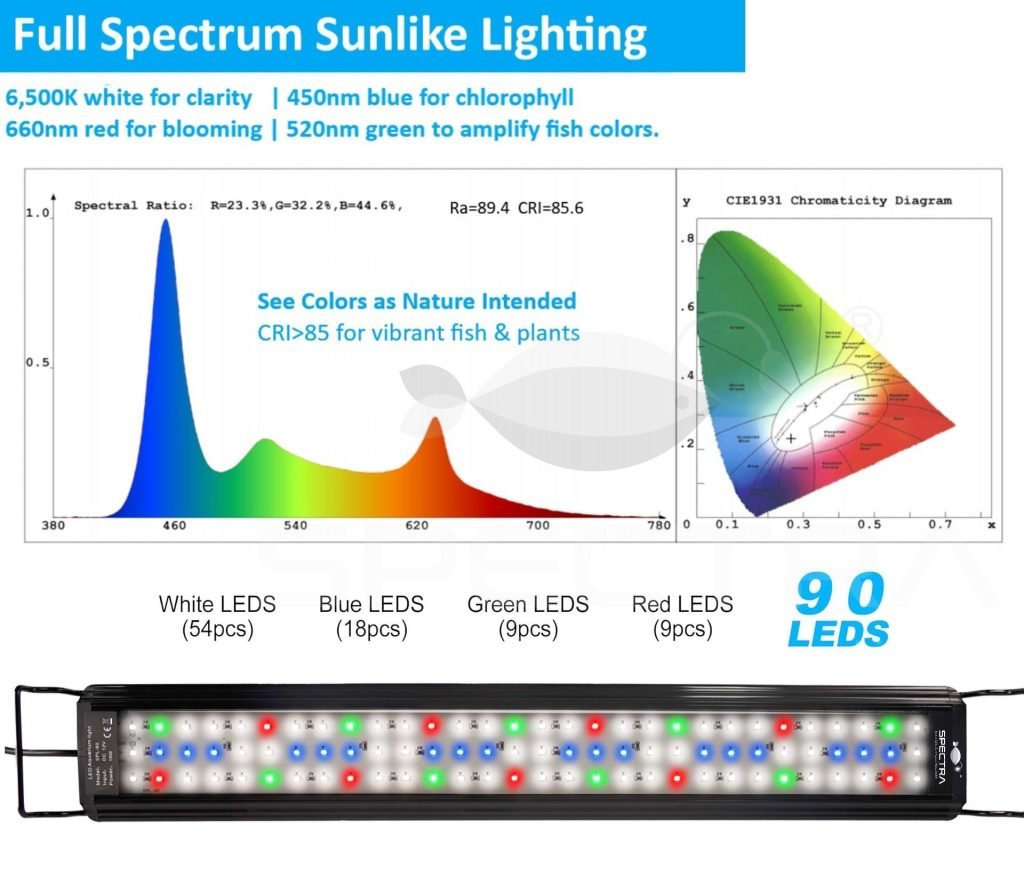
Lighting affects how colors look in the tank. Bright and natural light helps colors shine more.
Different light types change the way colors appear. LED lights can highlight certain pigments better than others.
- Full spectrum lights show true colors
- Blue lights enhance blues and greens
- Red lights bring out warm tones
Dietary Contributions
What fish eat affects their color intensity. Foods rich in carotenoids boost red and orange colors.
Vitamins and minerals in diet also support healthy pigmentation and brighter hues.
- Carotenoid-rich foods: shrimp, algae
- Vitamin supplements improve color health
- Balanced diet keeps colors stable
Temperature And Color Link
The temperature inside a tank can affect the color intensity of its contents. Different temperatures change how pigments are made and shown.
Understanding this link helps in managing the color quality in fish tanks, plants, and other living systems.
Metabolism And Pigment Production
Temperature affects metabolism rates in animals and plants. Higher temperatures usually speed up metabolism.
Faster metabolism can increase pigment production, making colors more intense. Cooler temperatures may slow pigment creation.
- Warm tanks often show brighter colors
- Cold tanks may have duller colors
- Metabolism controls how much pigment forms
Stress-induced Color Changes
Stress from temperature changes can cause color shifts in tank animals or plants. Stress may reduce pigment or change its look.
Sudden temperature drops or rises often trigger these stress responses, affecting color intensity and patterns.
- Stress may cause fading or darkening of colors
- Color changes signal health or environment issues
- Stable temperature helps keep colors steady
Seasonal Color Variations
Seasonal temperature shifts cause natural color changes in many tank organisms. These changes help them adapt to their environment.
Colors may grow brighter in warm seasons and fade in colder ones, following natural cycles of pigment production.
- Warmer seasons bring stronger color intensity
- Colder seasons may reduce pigment levels
- Seasonal changes help with camouflage and signaling
Credit: www.vevor.ca
Optimizing Aquarium Conditions
Keeping your aquarium healthy depends on many factors. Tank temperature and lighting affect fish color and behavior.
Proper feeding also plays a key role. Balanced care helps fish thrive and show their best colors.
Maintaining Stable Temperatures
Fish need a steady tank temperature to stay healthy. Sudden changes can stress them and cause illness.
- Use a reliable aquarium heater with a thermostat.
- Check the temperature daily with a thermometer.
- Keep the tank away from direct sunlight or drafts.
- Adjust temperature slowly if needed.
Choosing The Right Lighting
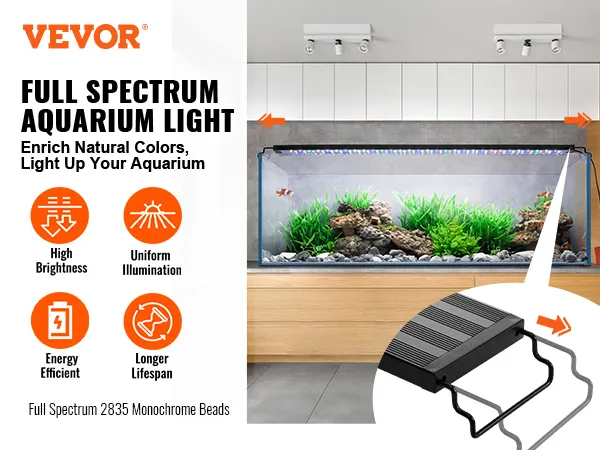
Lighting affects fish colors and plant growth in the tank. Choose light that matches your aquarium setup.
| Light Type | Effect | Best Use |
| LED | Bright and energy-efficient | Most freshwater tanks |
| Fluorescent | Good spectrum for plants | Planted tanks |
| Incandescent | Warm light but less efficient | Low light tanks |
Feeding For Vibrancy
Fish color improves with good nutrition. Feed a variety of foods for the best results.
- Use high-quality flakes or pellets as a base.
- Add frozen or live foods like brine shrimp.
- Include color-enhancing foods rich in carotenoids.
- Feed small amounts two to three times daily.
Common Challenges
Keeping tank temperature and color intensity stable can be tough. Many factors affect fish health and appearance.
Understanding common problems helps maintain a healthy tank environment for aquatic life.
Temperature-related Diseases
Fish can get sick if the tank temperature is too high or too low. Temperature changes stress fish and lower their immunity.
- Fungal infections often appear in cold water.
- Bacterial diseases increase in warm water.
- Swim bladder problems may result from sudden temperature shifts.
- Parasites thrive in unstable temperature conditions.
Fading Colors Causes
Color fading happens for many reasons. Poor water quality and stress are common causes.
| Cause | Description |
| Poor Lighting | Insufficient or wrong type of light reduces color vibrancy. |
| Low Nutrition | Missing vitamins and minerals can dull colors. |
| Stress | Crowding or aggressive tank mates cause color loss. |
| Age | Older fish may naturally lose some color intensity. |
Corrective Measures
Fixing temperature and color issues requires action. Regular checks and care improve fish health.
- Keep tank temperature stable with a reliable heater or chiller.
- Test water quality weekly to avoid harmful conditions.
- Use full-spectrum lighting to enhance fish colors.
- Feed a balanced diet rich in color-enhancing nutrients.
- Reduce stress by managing tank population and environment.
Credit: www.ratemyfishtank.com
Advanced Techniques
Fish tank temperature and color intensity are important for aquariums. Advanced techniques help maintain vibrant colors in fish.
Using technology and methods, you can ensure fish look their best. Let’s explore how to manage tank conditions and enhance colors.
Temperature Control Technology
Proper temperature control keeps fish healthy and colorful. Advanced heaters and chillers can maintain the right temperature.
Smart devices allow precise adjustments and monitoring. This ensures a stable environment for fish, improving their color intensity.
- Smart heaters adjust temperature automatically
- Chillers prevent overheating during hot weather
- Temperature sensors alert you to changes
Selective Breeding For Color
Selective breeding enhances fish color over generations. By choosing the most colorful fish, breeders can improve the next generation’s appearance.
This technique requires patience and careful selection. It helps create fish with brighter and more vibrant colors.
- Identify fish with desired colors
- Breed those fish for stronger color traits
- Monitor offspring for color improvements
Supplemental Enhancers
Supplements can boost fish color. These include special foods and additives that enhance color naturally.
Feeding fish a balanced diet with these supplements supports color development. It is an easy way to maintain vibrant colors.
- Color-enhancing fish food
- Vitamins that promote color health
- Natural pigments like carotenoids
Frequently Asked Questions
How Does Tank Temperature Affect Color Intensity?
Tank temperature influences chemical reactions that determine color intensity. Higher temperatures often enhance pigment extraction, resulting in deeper colors. Conversely, lower temperatures may reduce color saturation. Maintaining optimal temperature ensures consistent and vibrant color quality in the tank’s contents.
What Is The Ideal Tank Temperature For Best Color?
The ideal tank temperature varies by material but generally ranges between 15°C to 25°C. This range promotes optimal pigment stability and prevents degradation. Controlling temperature within this range maximizes color intensity and preserves the desired visual quality of the product.
Can Temperature Fluctuations Reduce Color Intensity?
Yes, temperature fluctuations can cause pigment breakdown or uneven color development. Sudden changes stress the tank environment, leading to color fading or inconsistent hues. Stable temperature management is crucial to maintain uniform color intensity throughout the processing or storage period.
Why Monitor Color Intensity In Tanks?
Monitoring color intensity ensures product quality and consistency. It helps detect deviations caused by temperature or chemical changes early. This practice supports timely adjustments, preserving visual appeal and meeting quality standards in manufacturing or storage processes.
Conclusion
Tank temperature affects color intensity in many ways. Warmer tanks often show brighter colors. Cooler tanks may dull the color’s look. Watching temperature helps keep colors vibrant and clear. Small changes in heat can change what you see. Keep tank temperature steady for best color results.
This helps fish and plants stay healthy too. Understanding this link makes tank care easier. Try adjusting temperature carefully and watch the colors shine. Simple steps can make a big difference in your tank’s beauty.