
Keeping your species-specific aquarium healthy and vibrant isn’t just about filling a tank with water and fish. Your unique aquatic pets need special care tailored to their environment.
If you want your aquarium to thrive and your fish to stay happy, you have to master tank maintenance that fits their specific needs. You’ll discover easy, practical tips that make a huge difference. Ready to learn how to create the perfect home for your aquatic friends?
Keep reading, because your tank’s health depends on it.
Credit: clixfueling.com
Choosing The Right Tank Setup
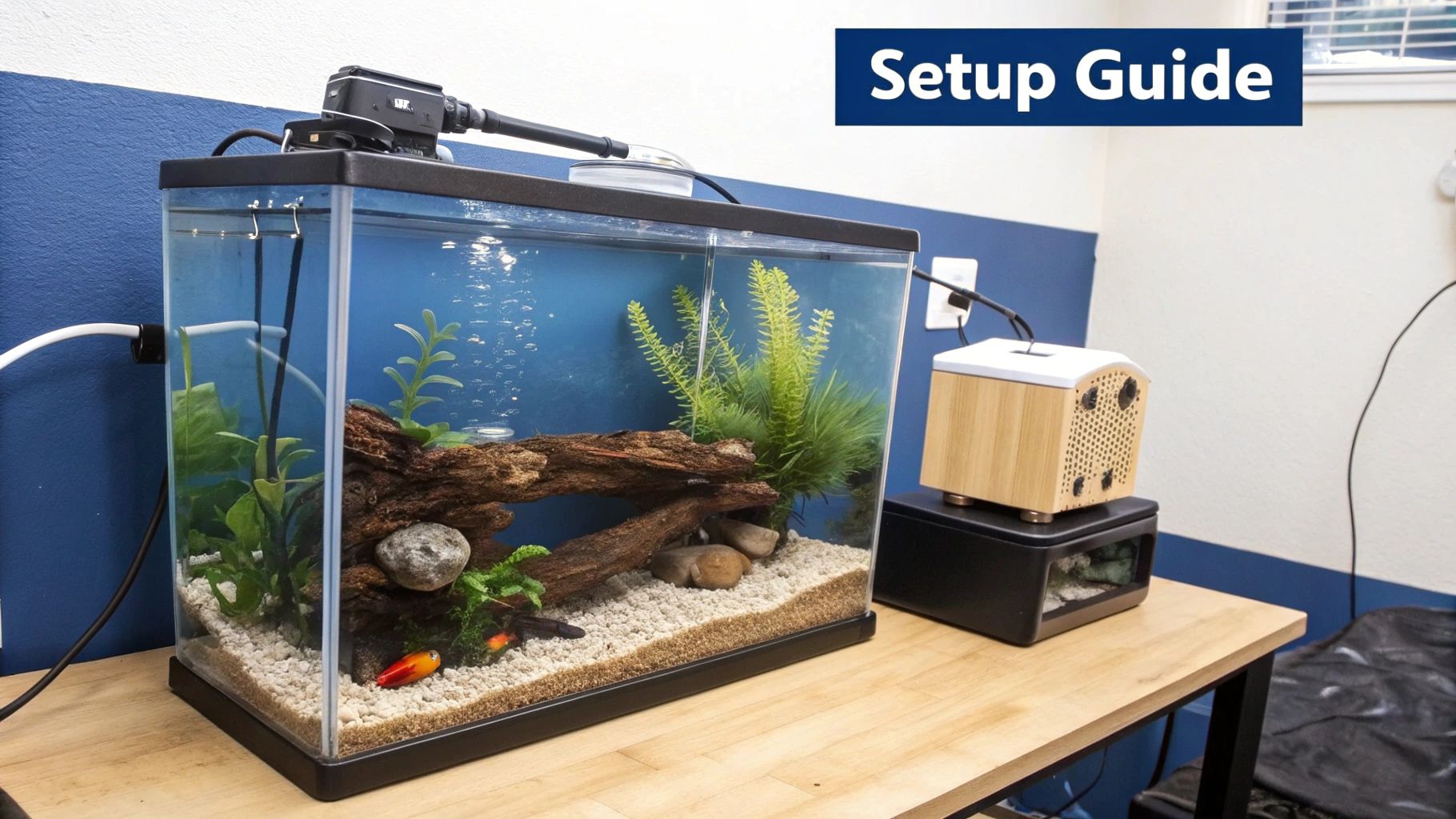
Setting up a tank for species-specific aquariums needs care and planning. You must create a safe and comfortable space for your aquatic pets.
Choosing the right materials, tank size, and environment helps your species thrive. Each step matters for their health and happiness.
Selecting Suitable Materials
Materials used in your tank affect water quality and the species’ well-being. Avoid toxic substances and choose durable items.
- Use glass or acrylic tanks for clear views and strength.
- Choose non-toxic seals and adhesives safe for aquatic life.
- Select natural decorations like rocks and wood that do not alter water chemistry.
- Pick substrate types suited to your species’ needs, such as sand or gravel.
Optimal Tank Size For Species
Tank size depends on the species’ adult size and swimming habits. Giving enough space reduces stress and promotes health.
| Species Type | Minimum Tank Size | Notes |
|---|---|---|
| Small Freshwater Fish | 10 gallons | Suitable for small groups |
| Medium Tropical Fish | 20-30 gallons | Allows swimming space |
| Large Cichlids | 50 gallons or more | Needs hiding spots and territory |
| Marine Species | 30 gallons minimum | Requires stable water conditions |
Customizing The Environment
Adjust the tank environment to match the species’ natural habitat. This helps them feel safe and behave naturally.
- Control water temperature to fit species needs.
- Use plants or ornaments that mimic natural surroundings.
- Set up proper lighting cycles for day and night.
- Add filters and aeration for clean, oxygen-rich water.

Credit: www.aqqapet.com
Water Quality Management
Water quality is vital for the health of aquarium species. Proper management keeps fish and plants safe.
Each species needs specific water conditions. Managing water quality means careful attention to filters, tests, and parameters.
Filtration Systems For Different Species
Choose filtration systems based on species needs. Some fish produce more waste, needing stronger filters.
- Freshwater fish often do well with sponge or canister filters.
- Saltwater species may need protein skimmers and live rock filtration.
- Plants benefit from gentle filters that do not create strong currents.
- Species like cichlids prefer filters that handle heavy bioload.
Regular Water Testing
Testing water regularly helps catch problems early. Test for ammonia, nitrite, and nitrate levels.
| Test Type | Safe Range | Importance |
| Ammonia | 0 ppm | Highly toxic to fish |
| Nitrite | 0 ppm | Damages fish gills |
| Nitrate | Below 40 ppm | Less toxic, but high levels stress fish |
| pH | Species dependent | Needs to match species preference |
| Temperature | Species dependent | Controls metabolism and health |
Maintaining Proper Ph And Temperature
Each species thrives in specific pH and temperature ranges. Keep these stable for best health.
Tips for maintaining pH and temperature:
- Use a reliable heater with thermostat control.
- Test pH weekly using aquarium test kits.
- Avoid sudden changes by adjusting conditions slowly.
- Add buffering agents if pH is unstable.
- Place the tank away from direct sunlight and drafts.
Cleaning And Maintenance Routines
Keeping a species-specific aquarium clean helps fish stay healthy. Regular care avoids diseases and keeps water clear.
Each type of fish needs special attention during cleaning. This guide covers key routines to follow for your tank.
Frequency Of Water Changes
Water changes depend on the species and tank size. Most tanks need partial water changes every one to two weeks.
- Change 10-20% of water weekly for small tanks.
- For larger tanks, change 20-30% every two weeks.
- Check water parameters to adjust the schedule.
- Use dechlorinated water at the same temperature.
Removing Algae And Debris
Algae and debris can harm fish and plants. Remove them gently to avoid stress on the tank inhabitants.
- Use an algae scraper or pad on the glass.
- Vacuum the substrate to remove leftover food and waste.
- Clean decorations carefully without soap.
- Trim dead plant parts to reduce decay.
Safe Cleaning Techniques
Use tools and methods that do not harm fish or beneficial bacteria. Avoid chemicals that can pollute the water.
| Cleaning Method | Safe for Fish | Notes |
| Algae scraper | Yes | Use gentle pressure |
| Gravel vacuum | Yes | Removes debris carefully |
| Soap or detergent | No | Can harm fish and bacteria |
| Hot water rinse | Yes | Use only on decorations outside tank |
Credit: pethelpful.com
Feeding And Waste Control
Keeping a species-specific aquarium healthy means careful feeding and waste control. Proper feeding helps fish stay strong and lively.
Managing leftover food and waste prevents water pollution. Clean water keeps your aquarium safe for all species.
Species-specific Feeding Practices
Different species need different diets. Some fish eat plants, others eat meat or small insects. Feed each species the right food type and amount.
- Herbivores need algae or plant-based food.
- Carnivores require protein-rich food like shrimp or worms.
- Omnivores can eat both plant and animal foods.
- Feed small amounts several times a day for best results.
Managing Uneaten Food
Uneaten food can decay and pollute water. Remove leftover food quickly after feeding. Use feeding rings to keep food in one place.
| Action | Reason |
| Feed only what fish can eat in 5 minutes | Prevents leftover food |
| Use automatic feeders for regular portions | Controls feeding amount |
| Remove uneaten food with a siphon or net | Keeps water clean |
| Observe fish behavior during feeding | Adjust feeding as needed |
Preventing Waste Build-up
Waste from fish and plants adds toxins to the tank. Regular cleaning and water changes stop waste from building up. Use filters suitable for your species.
- Clean tank gravel weekly to remove debris.
- Change 20% of water every week to keep it fresh.
- Use biofilters to break down harmful waste.
- Do not overstock your aquarium to lower waste load.
Monitoring Fish Health
Keeping your fish healthy is very important for any species-specific aquarium. Regular checks help find problems early.
Watching fish behavior and appearance can prevent serious illness. Good tank care supports their well-being.
Spotting Early Signs Of Illness
Look closely for changes in fish behavior or look. Early signs can include slow swimming or loss of appetite.
Check for spots, discoloration, or torn fins. These signs show fish might be sick and need attention.
- Fish hiding more than usual
- Gasping at the water surface
- Clamped fins or unusual swimming
- White spots or fuzzy patches on skin
- Red or swollen areas on body
Quarantine Procedures
Use a separate tank to isolate new or sick fish. Quarantine stops diseases from spreading in the main tank.
Keep fish in quarantine for 2 to 4 weeks. Check their health daily and treat any signs of illness quickly.
- Prepare a small, clean tank with proper water conditions
- Do not add new fish to the main tank without quarantine
- Observe fish for signs of stress or disease
- Perform water changes to keep the quarantine tank clean
- Treat fish with appropriate medication if needed
Maintaining Stress-free Conditions
Stress can weaken fish and cause illness. Keep the tank quiet and stable to reduce stress.
Provide hiding spots and proper tank mates. Avoid sudden changes in water temperature or light.
- Keep water clean and at the right temperature
- Feed fish a balanced diet on a regular schedule
- Limit loud noises and vibrations near the tank
- Use plants and decorations for shelter
- Do not overcrowd the tank with too many fish
Equipment Maintenance
Maintaining equipment in species-specific aquariums is essential. Proper care ensures a healthy environment for aquatic life.
Regular checks can prevent issues and extend the life of your equipment. Let’s explore how to keep your aquarium running smoothly.
Inspecting Heaters And Filters
Heaters and filters are vital for fish tanks. They help maintain the right temperature and keep water clean.
Check heaters for consistent temperature settings. Look for any cracks or damage. Filters should be clean and working well.
- Check heater temperature weekly
- Clean filters every two weeks
- Replace filter media monthly
Replacing Worn-out Parts
Parts wear out over time. Replacing them keeps your aquarium in good shape. It also helps avoid bigger problems later.
Monitor parts for signs of wear. Replace any parts that show damage or are not working well.
- Inspect parts monthly
- Keep spare parts handy
- Replace worn parts promptly
Backup Systems For Emergencies
Emergencies can happen anytime. Backup systems provide safety for your aquatic life. They ensure the aquarium keeps running.
Consider having a backup heater and filter. Battery-operated air pumps can also help during power outages.
- Keep a spare heater and filter
- Use battery-operated air pumps
- Test backup systems regularly
Frequently Asked Questions
How Often Should I Clean A Species-specific Aquarium?
Clean your species-specific aquarium weekly to maintain water quality. Remove debris, clean the substrate, and check filters regularly for optimal fish health.
What Water Parameters Suit Species-specific Tanks Best?
Water parameters vary by species. Research temperature, pH, and hardness specific to your fish. Maintain stable conditions to reduce stress and disease.
Can I Mix Species In A Species-specific Tank?
Mixing species is not recommended. Species-specific tanks focus on one species’ needs, ensuring tailored care and preventing aggression or competition.
How Do I Prevent Disease In Species-specific Aquariums?
Quarantine new fish before adding them. Maintain clean water and proper diet to boost immunity. Regularly monitor fish for early signs of illness.
Conclusion
Caring for species-specific aquariums takes patience and attention. Keep water clean and stable to help fish stay healthy. Regular checks on tank equipment prevent problems early. Feed fish properly and avoid overfeeding to maintain balance. Watch your fish daily for signs of stress or illness.
Small efforts make a big difference in tank health. Enjoy watching your unique aquarium thrive and grow. Simple habits keep your underwater world safe and happy.